Spice Library
Your complete reference for cooking with spices — from individual profiles and classic blends to perfect pairings, smart substitutes, and expert techniques. Built on decades of food service expertise.
All Spice Guides
Browse the full library of spice guides, organized by collection.
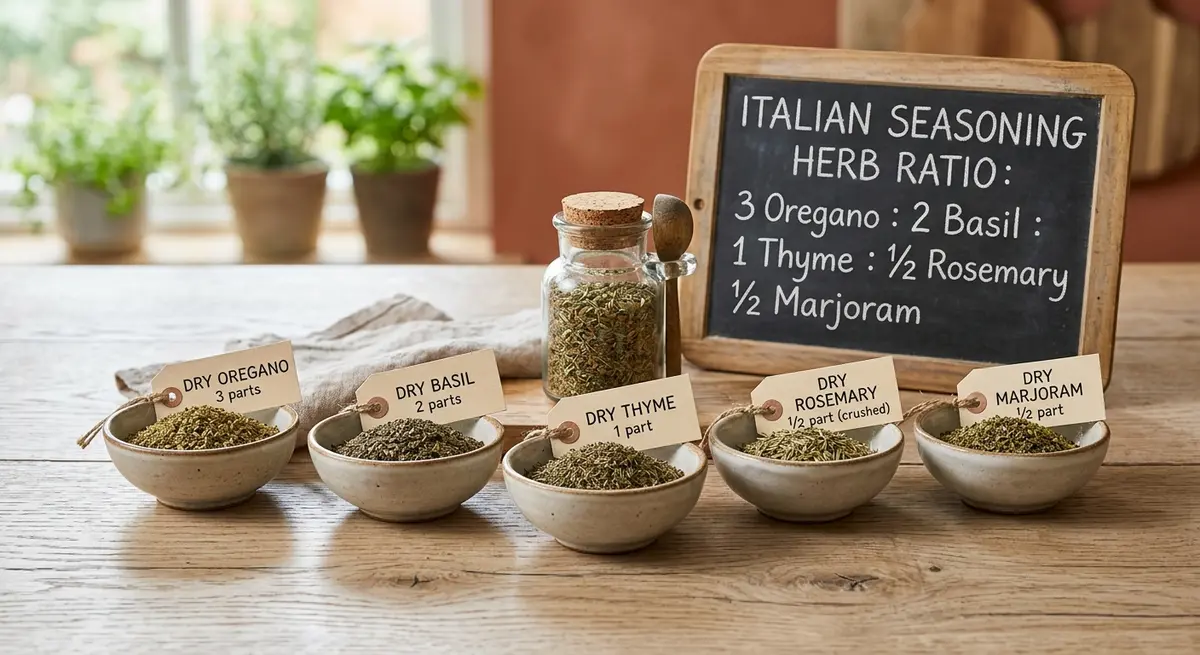
Italian Seasoning Secrets: Crafting the Ideal Dried Herb Ratio
Commercial Italian seasoning is mostly talk. Own the ratio, with oregano and basil out front and thyme and marjoram behind, and every sauce tastes intentional.
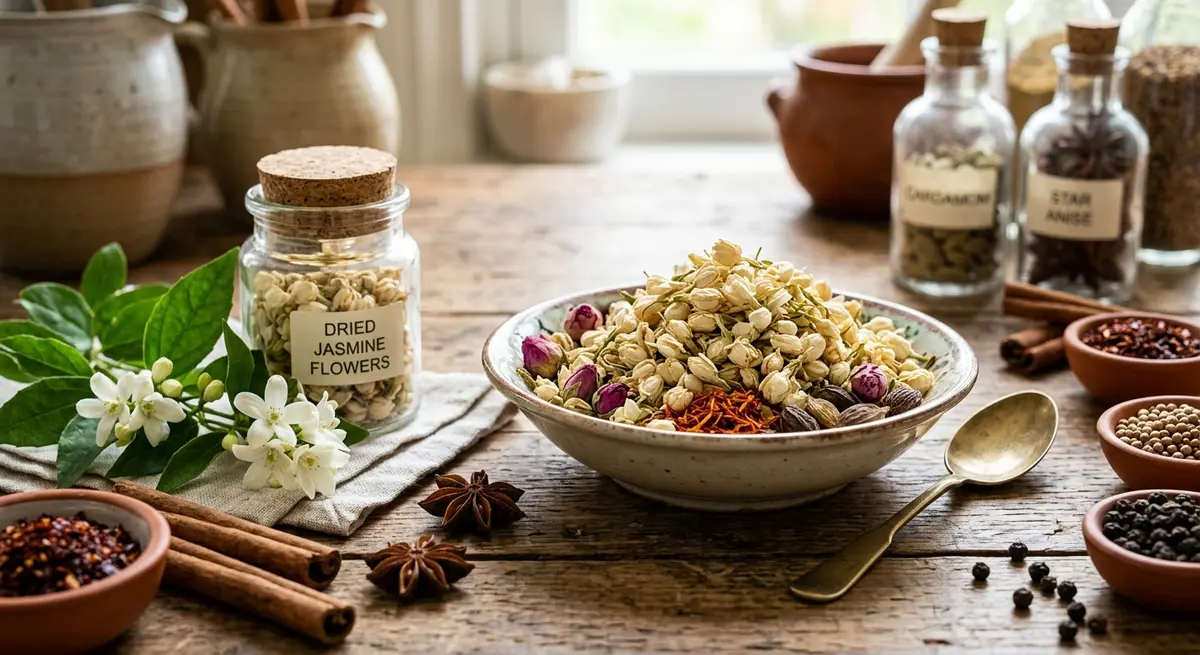
Dried Jasmine Flowers: Flavor Profile, Health Benefits & Culinary Uses
The night garden's gift to the kitchen: white petals that perfume tea and cream. Buying food-grade flowers, cold-brewing, and honing the restraint.
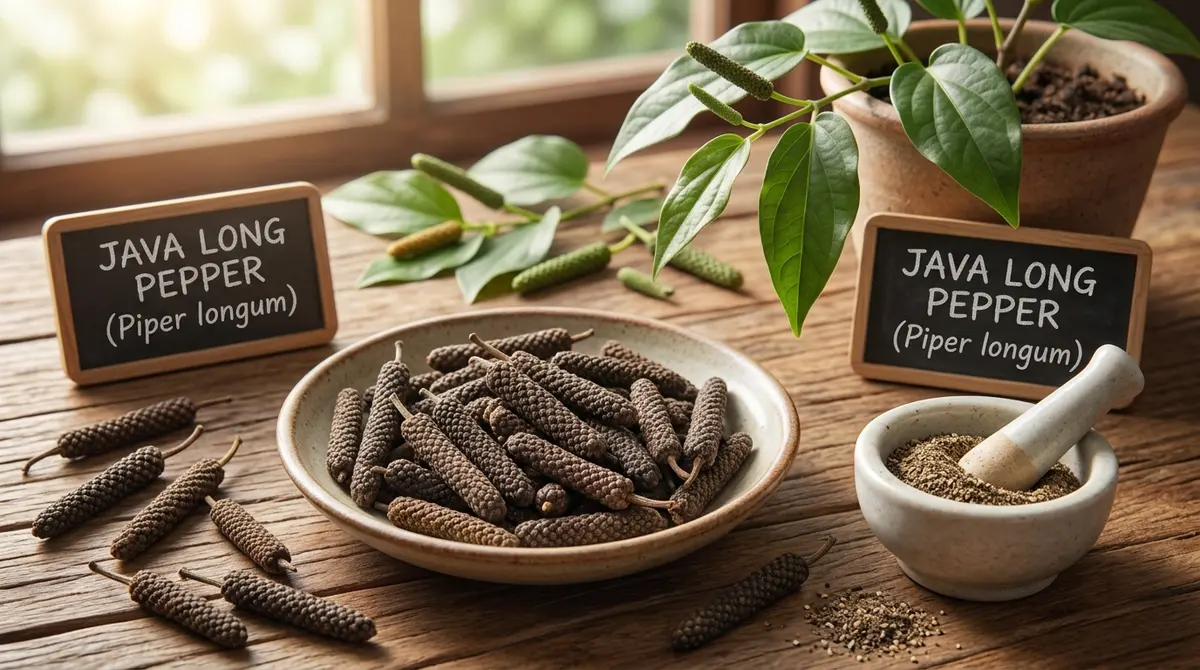
Java Long Pepper: Flavor Profile, Health Benefits & Culinary Uses
Java long pepper brings more fire than its Indian cousin, with a dusty, throaty heat that anchors Indonesian rempah pastes and beef rendang.
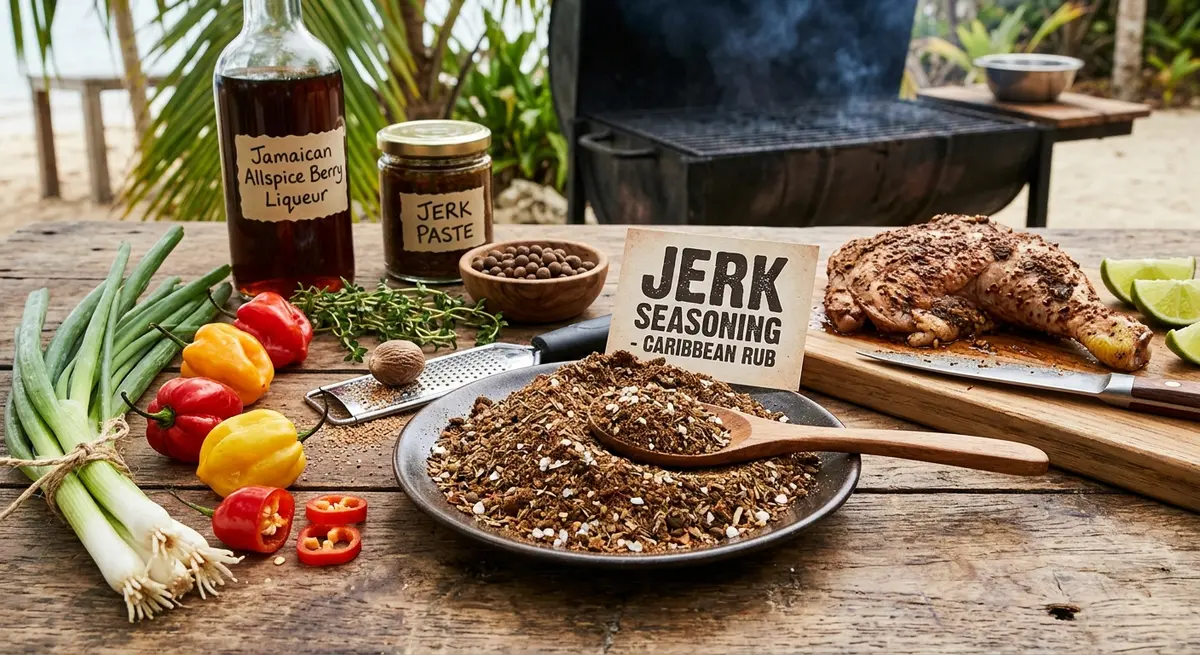
Jerk Seasoning: Balancing Heat, Smoke, and Sweetness in a Caribbean Rub
Jerk leans on the pimento, the allspice berry, with Scotch bonnets, thyme, and smoke. Balance heat and sweetness and your grill smells like Jamaica.
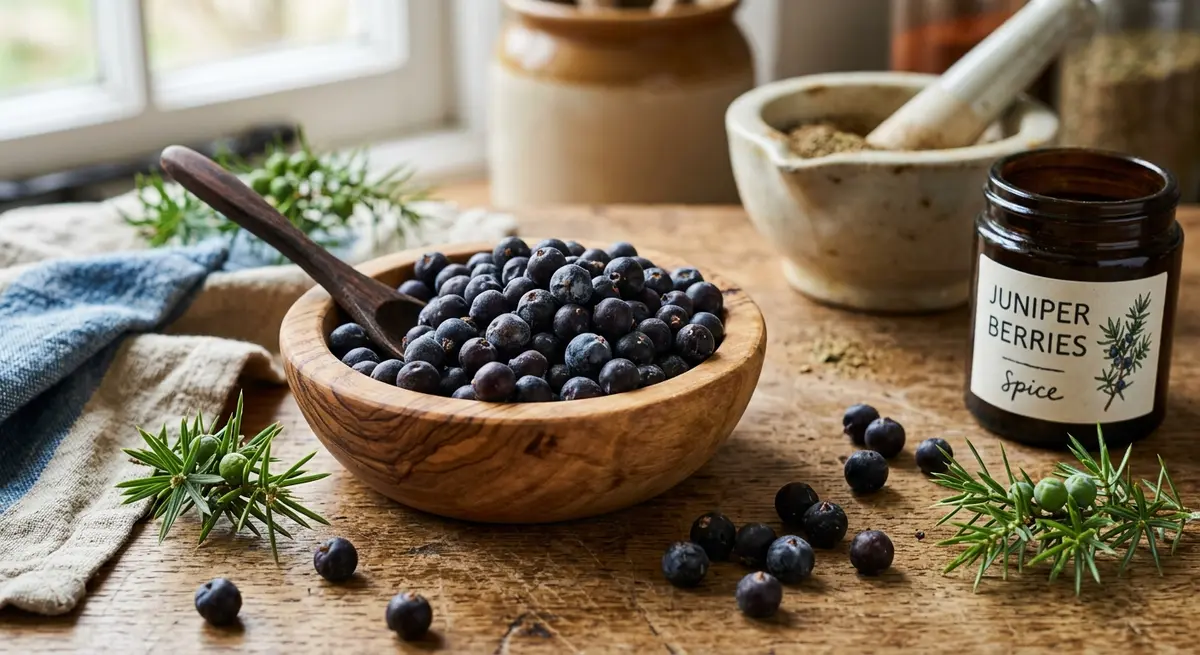
Juniper Berries: Flavor Profile, Health Benefits & Culinary Uses
Juniper is pine, resin, and a bitter bite in one tiny berry, the signature of gin and an essential subtle partner for game, pork, and winter cabbage.
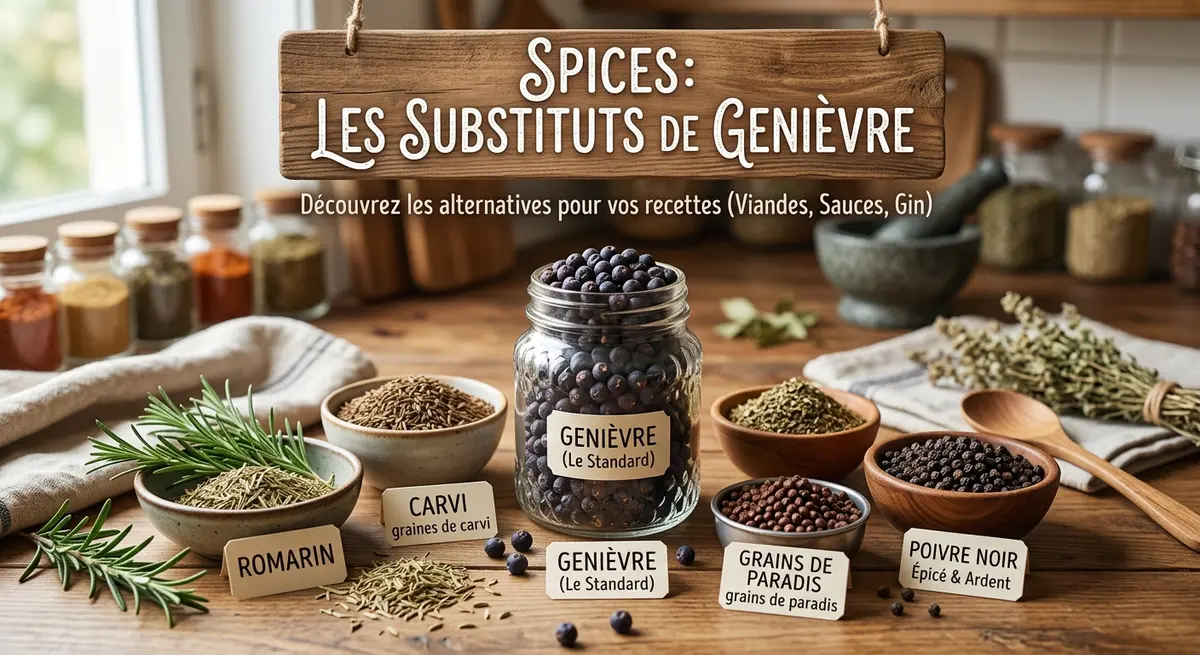
Juniper Substitutes for That Piney, Gin-like Resin
Juniper's piney resin lifts game, pork, and sauerkraut. Swap in rosemary, bay, or a splash of juniper-driven gin for the same clarity.
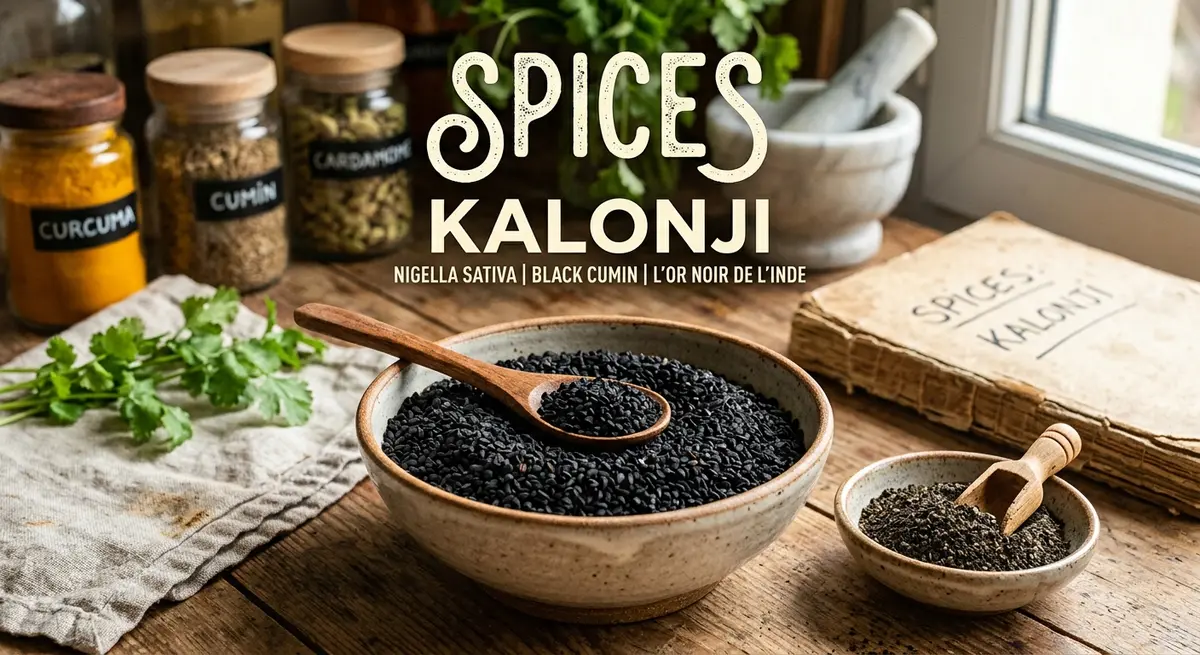
Kalonji: Flavor Profile, Health Benefits & Culinary Uses
The seed Indian shops sell as kalonji is nigella sativa, not true black cumin — and a plain look at both seeds settles the case forever. Here is the full story.
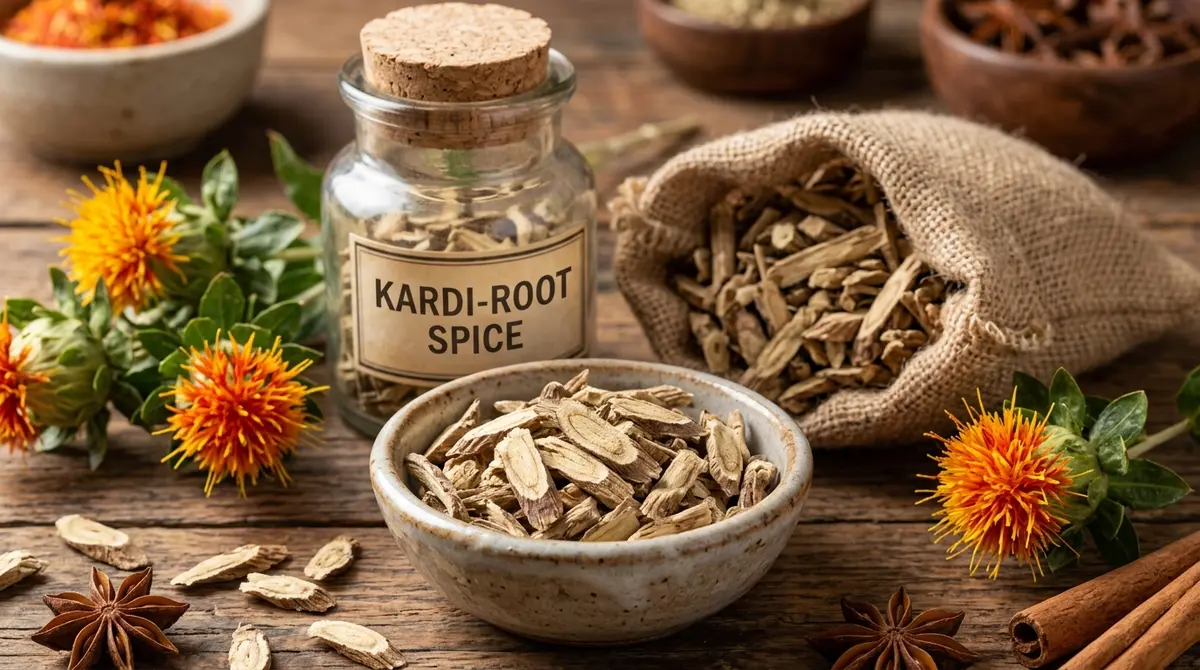
Kardi Root Powder: Flavor Profile, Health Benefits & Culinary Uses
Kardi is what Maharashtra and Gujarat call safflower — and its root powder, earthy and mildly bitter, is a quiet traditional addition to porridges and drinks.
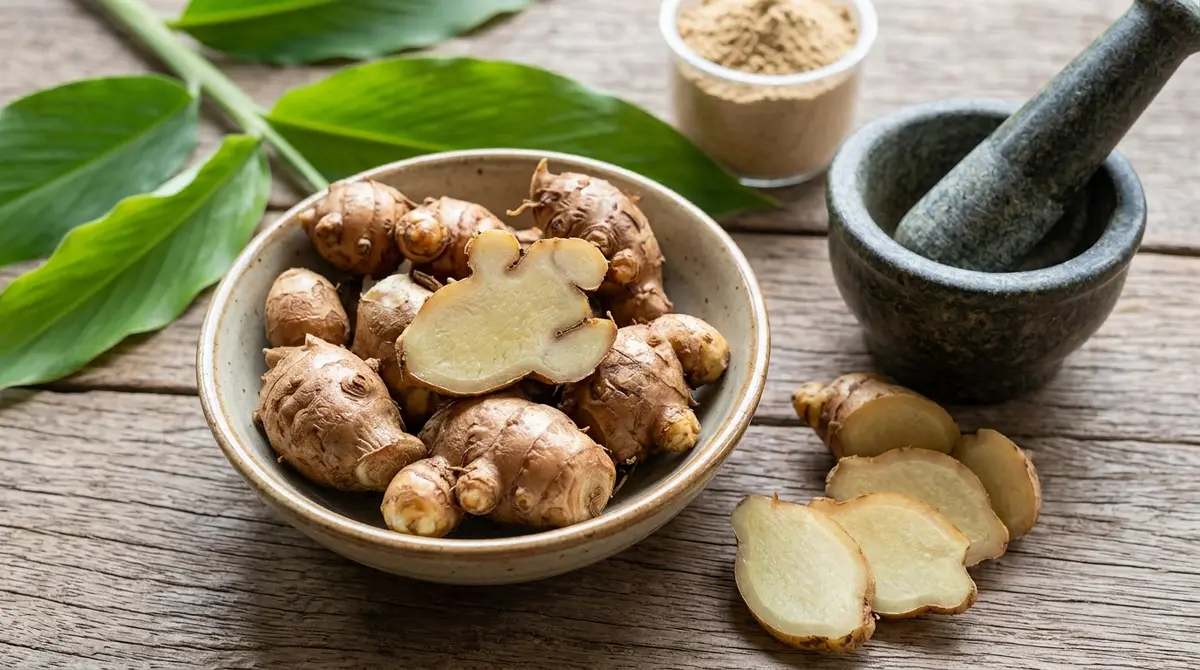
Kencur Root: Flavor Profile, Health Benefits & Culinary Uses
Kencur, the small aromatic ginger-family root of Java, gives Indonesian peanut sauce and jamu their distinct camphor-sweet note — here is how to use it.
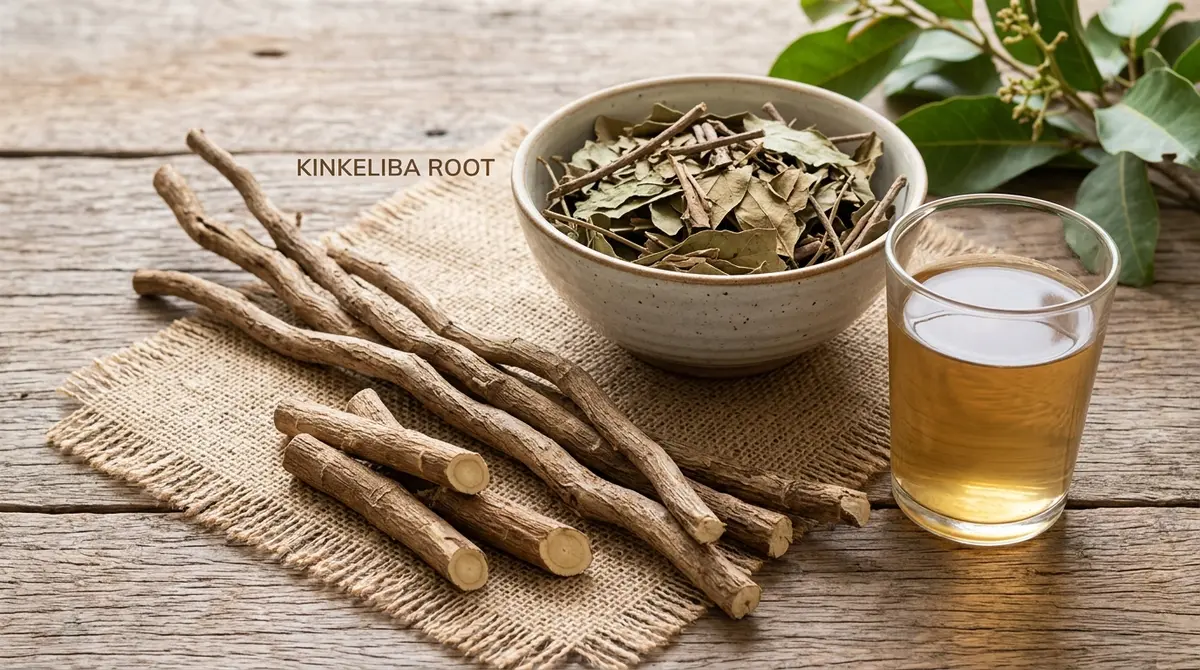
Kinkeliba Root: Flavor Profile, Health Benefits & Culinary Uses
West Africa's answer to chamomile: kinkeliba roots and leaves from the Combretum shrub brew a mild, woodsy, gently sweet tea for slow afternoons.
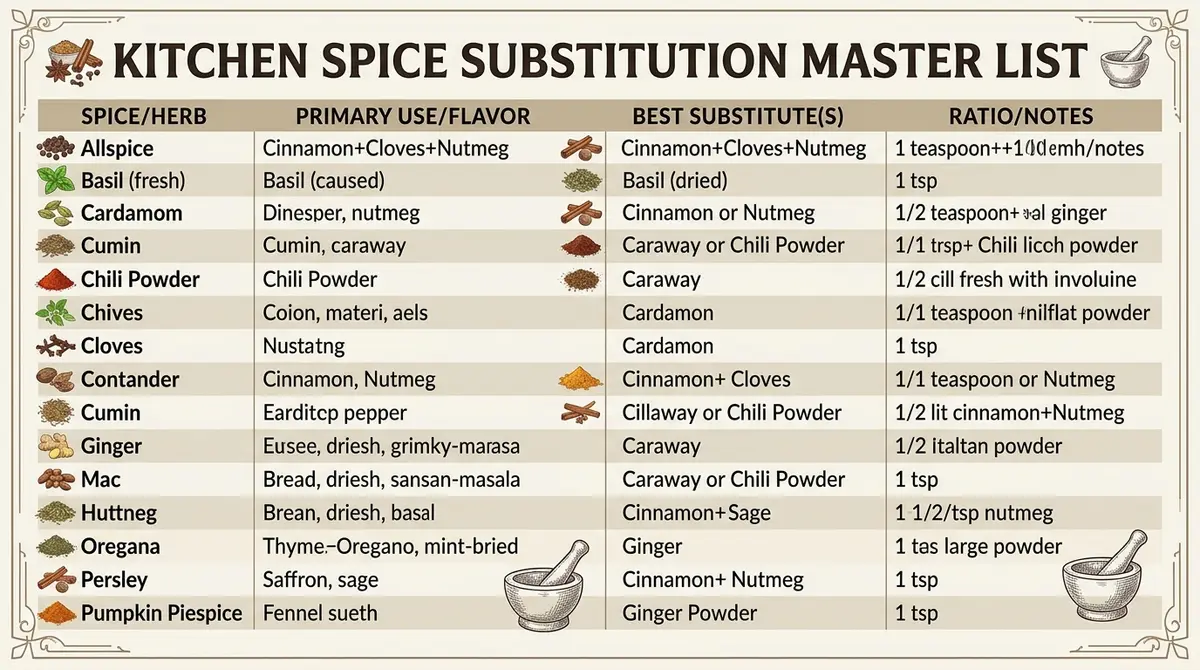
The Kitchen Spice Substitution Master List
The single master list of spice swaps, from cardamom to za'atar, with the ratios, the traps, and the two rules that make them behave.
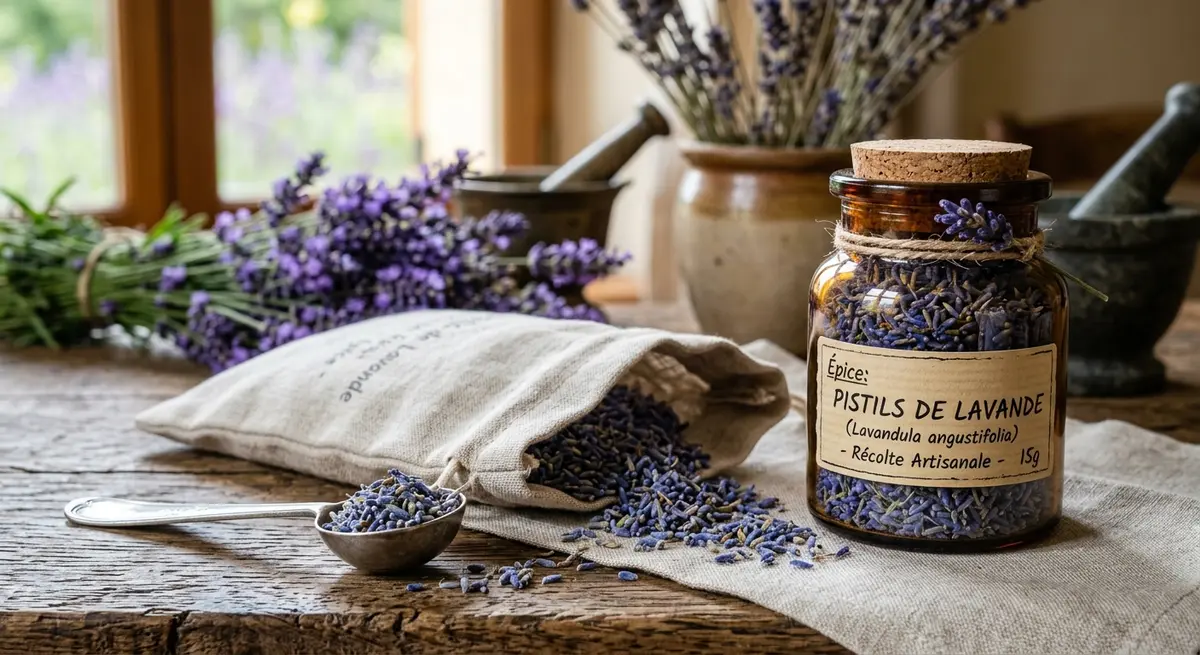
True Lavender Pistils: Flavor Profile, Health Benefits & Culinary Uses
The only culinary lavender worth trusting is Lavandula angustifolia. What it tastes like, how a pinch behaves, and why sachet lavender stays out.
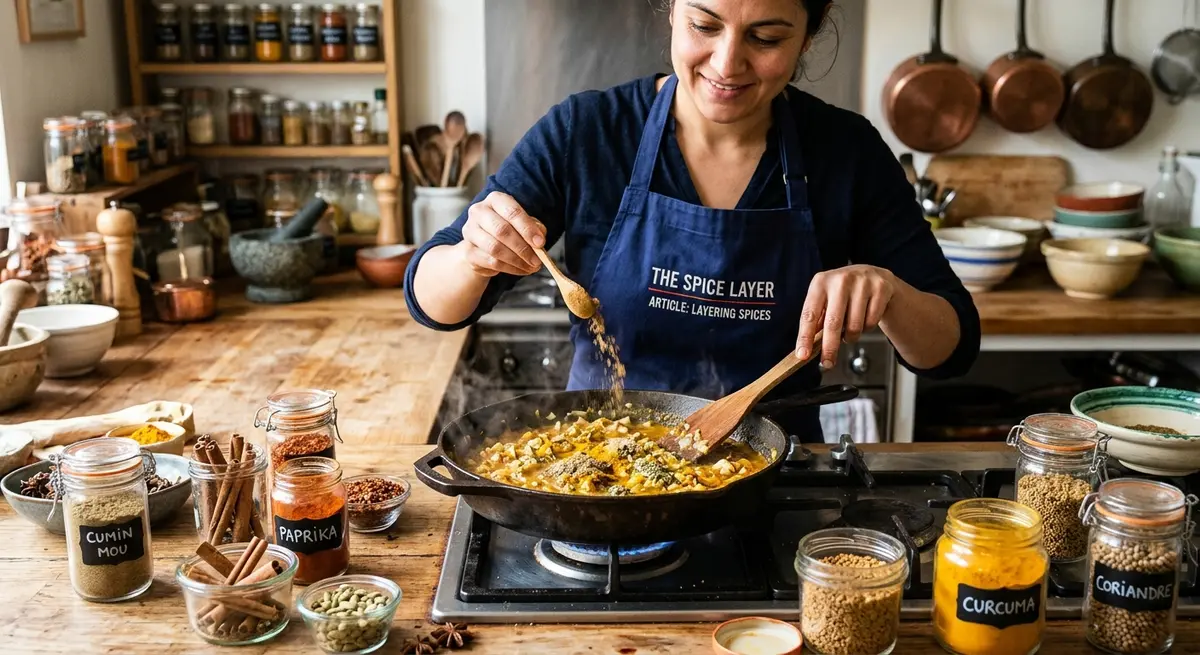
Layering Spices: Why a Dish Tastes Better in Waves
Spices change as they cook. Add some early for depth and some late for brightness, and the same jar gives the dish two voices.
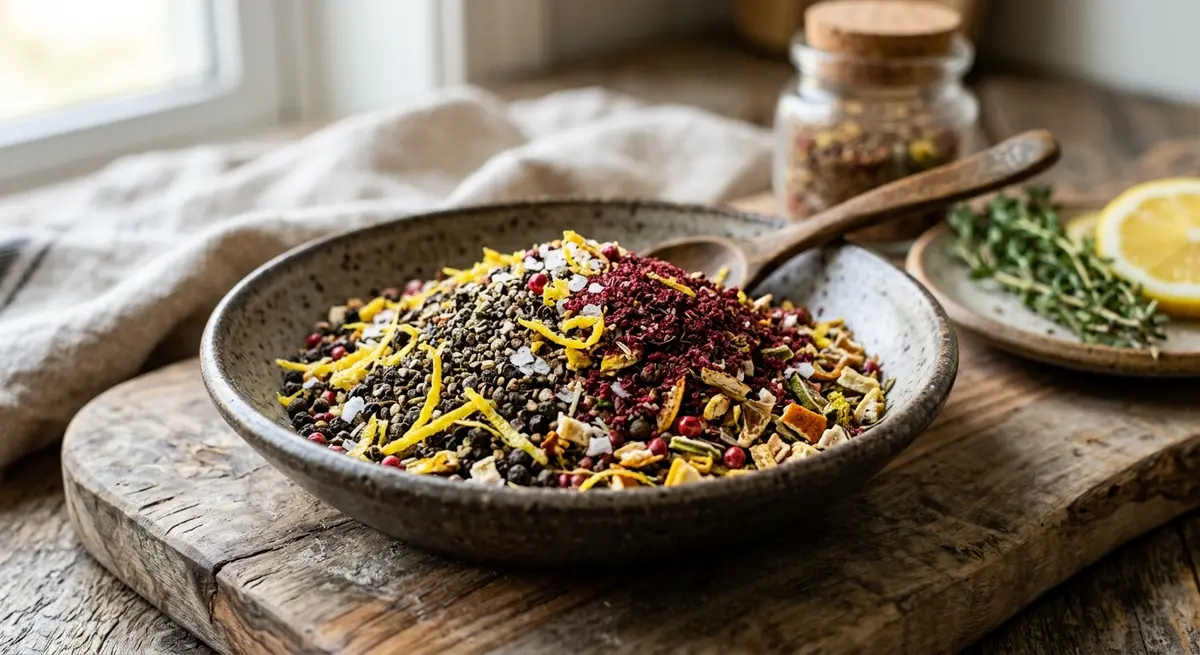
Lemon and Spice: The Bright Chemistry of Sumac, Citrus, and Pepper
Sumac, lemon zest, and black pepper stack into a bright, dry finish. Here is how to use them on vegetables, proteins, and salads.
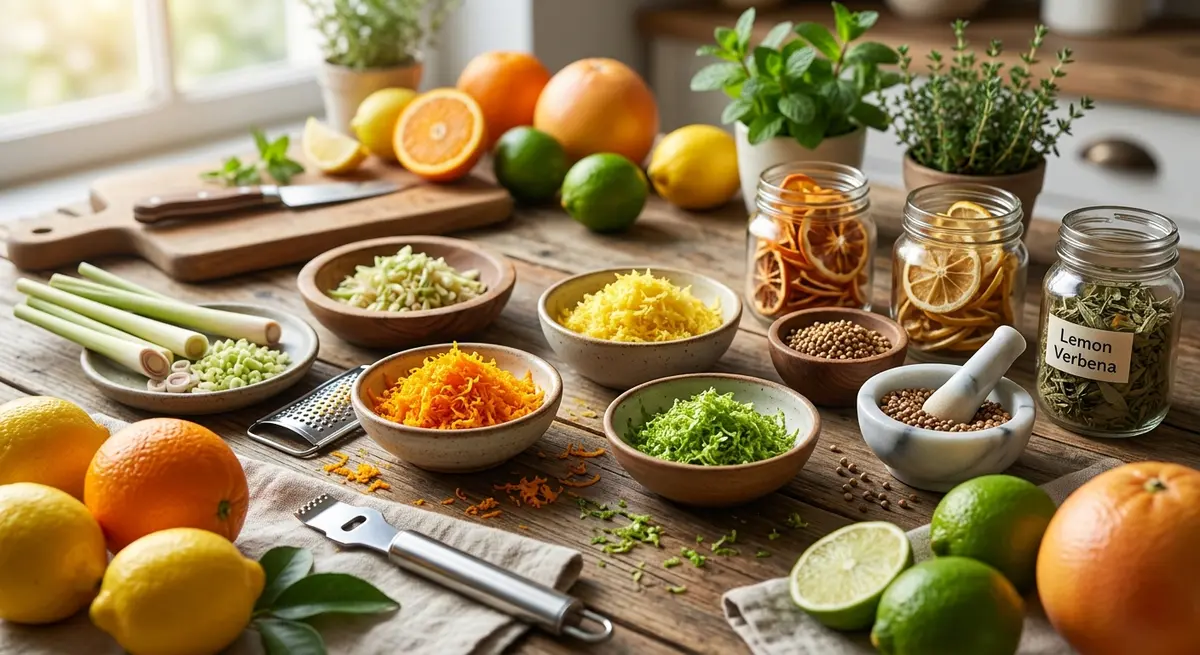
Lemon Zest Substitutes for Bright Aroma Without the Zest
Zest is about perfumed oil, not sourness. Swap in lime or orange peel, verbena, or a drop of extract for effortless brightness.
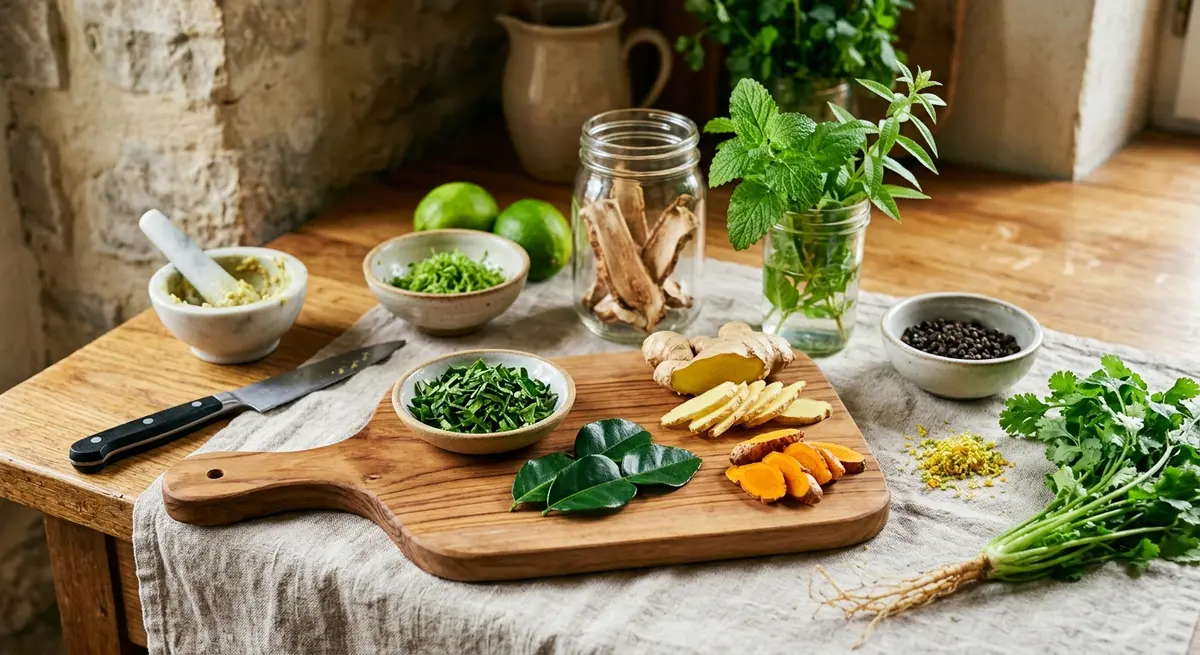
Lemongrass Substitutes for Bright, Citrussy Aroma
Lemongrass gives clean citrus perfume, not acid. Swap in lemon zest, verbena, or lime leaves for that same bright aromatic lift.
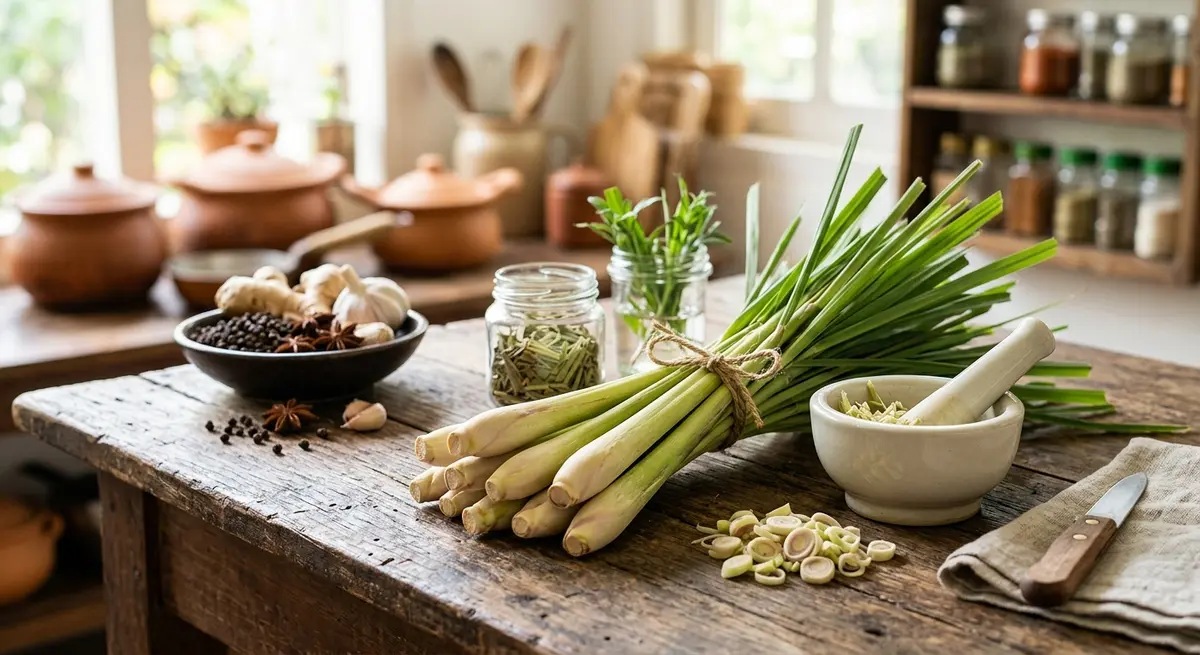
Lemongrass: Flavor Profile, Health Benefits & Culinary Uses
The tropical grass that tastes like lemon but never goes sour: how lemongrass perfumes soups, curries, and tea, with honest notes on using the dry version.
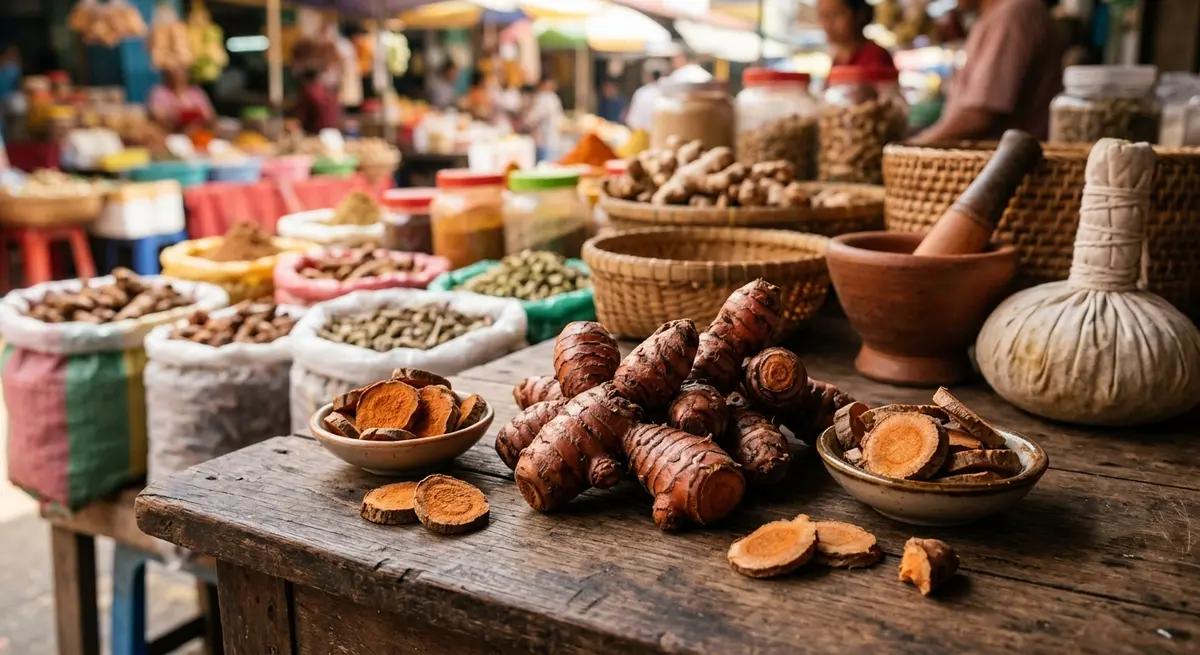
Lesser Galangal: Flavor Profile, Health Benefits & Culinary Uses
A smaller, fiercer galangal that bites back: what lesser galangal tastes like, where Southeast Asian cooks use it, and how to keep it on your shelf.
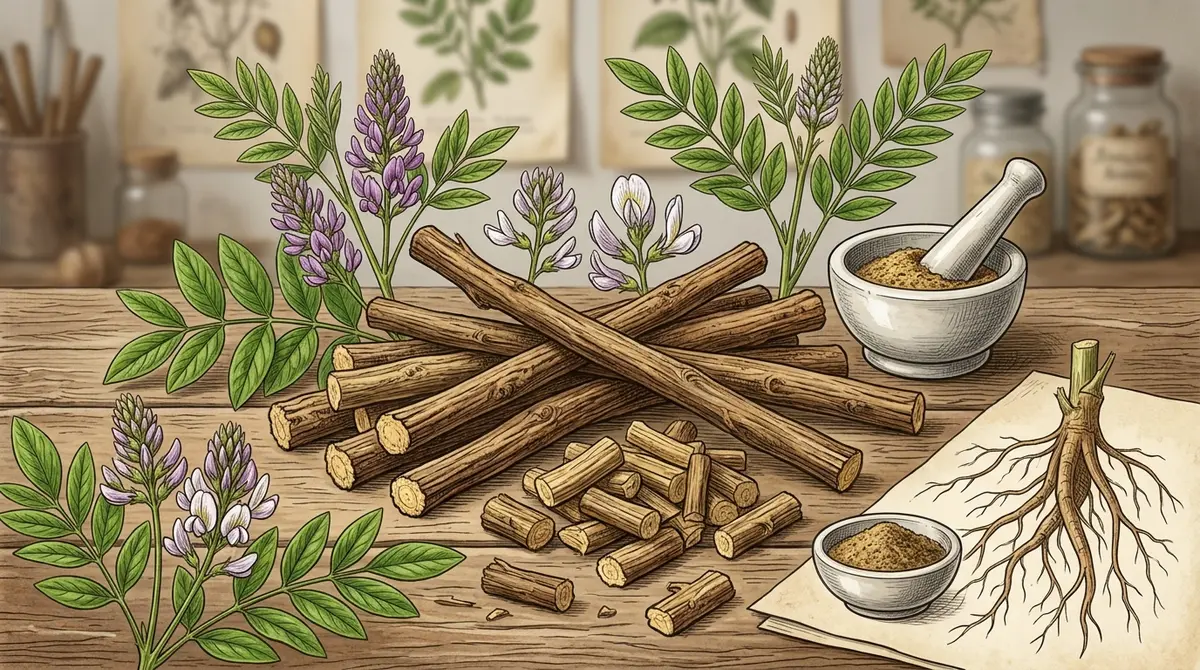
Licorice Root: Flavor Profile, Health Benefits & Culinary Uses
The root that whispers, surprisingly of sweetness: what licorice tastes like, where it shows up in drinks and spice blends, and the blood-pressure line you should respect.
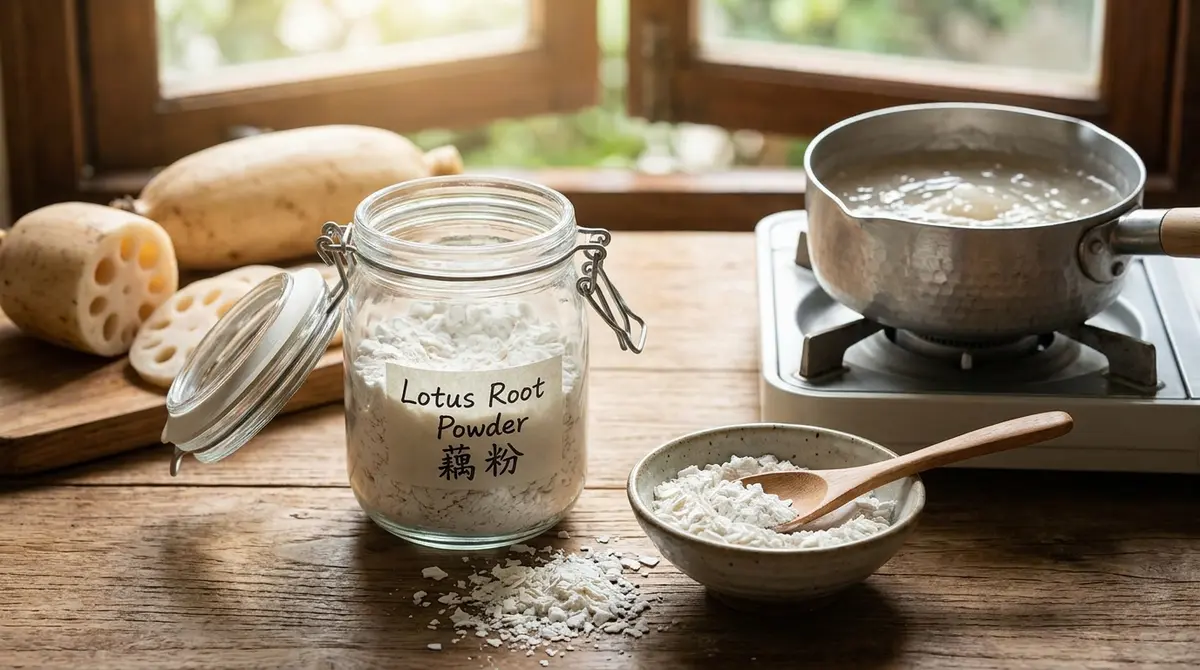
Lotus Root Powder: Flavor Profile, Health Benefits & Culinary Uses
A whisper-sweet root starch from the lotus that gives soups body and batters crunch. Here is what lotus root powder is, how to cook with it, and what to swap it for.
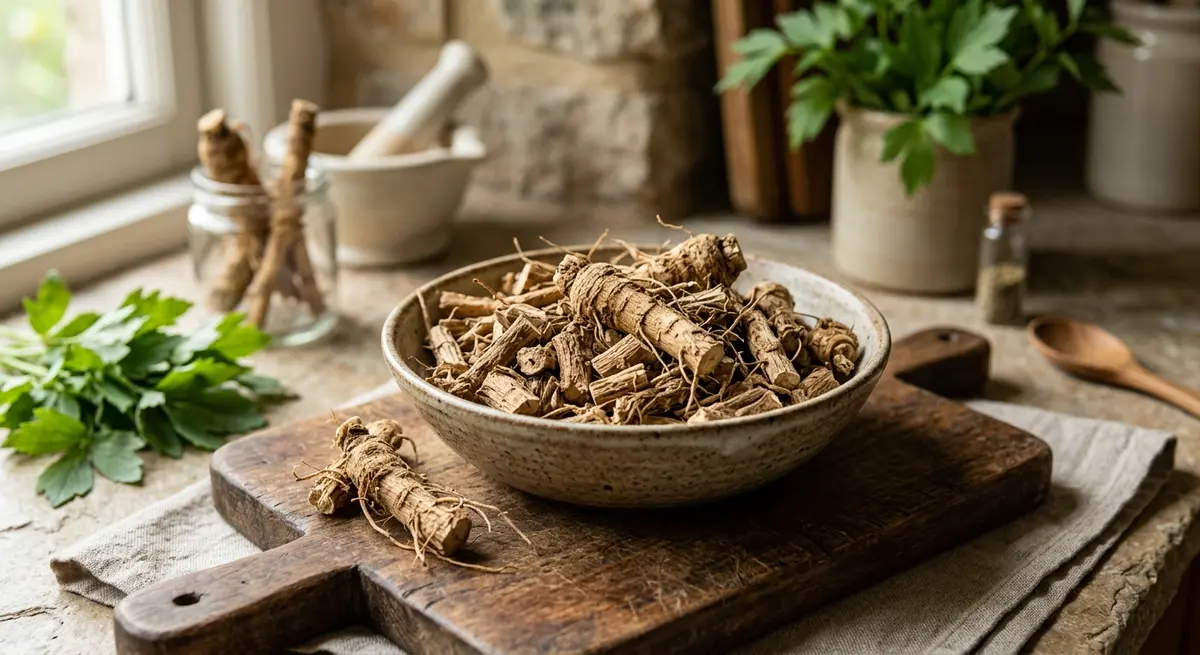
Lovage Root: Flavor Profile, Health Benefits & Culinary Uses
The tallest, boldest member of the celery family — the root is where the flavor concentrates. Here's how much to use and where it excels.
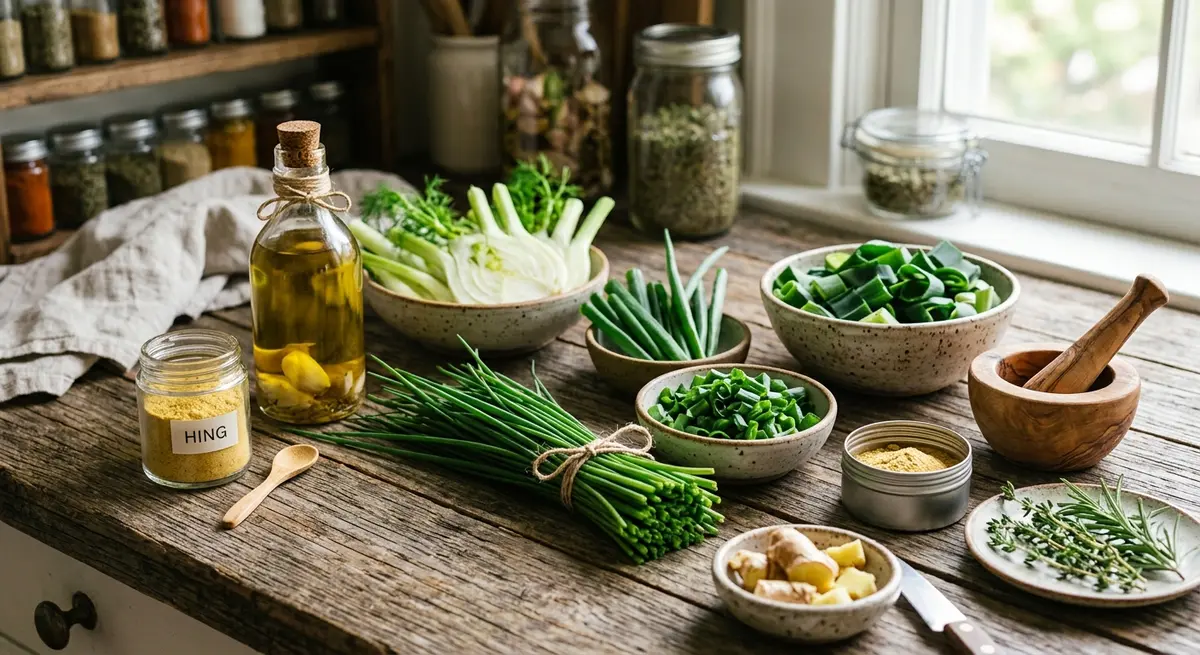
Low-FODMAP Garlic and Onion Substitutes That Still Taste Savory
Low-FODMAP dining is short on garlic and onion, but you can rebuild that savory depth with infused oils, greens, and smart spice tricks.
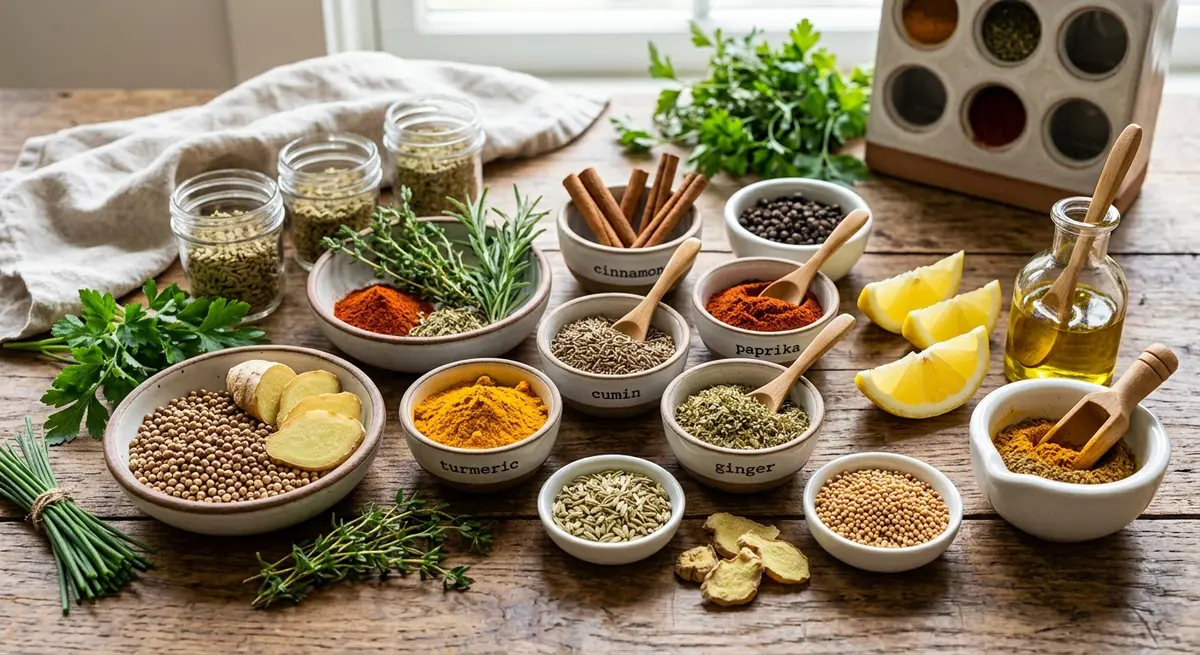
Low FODMAP Flavor: The Best Herb and Spice Pairings for Sensitive Stomachs
You do not need onion and garlic to cook with soul; low FODMAP herbs and spices bring the flavor without the gut trouble.
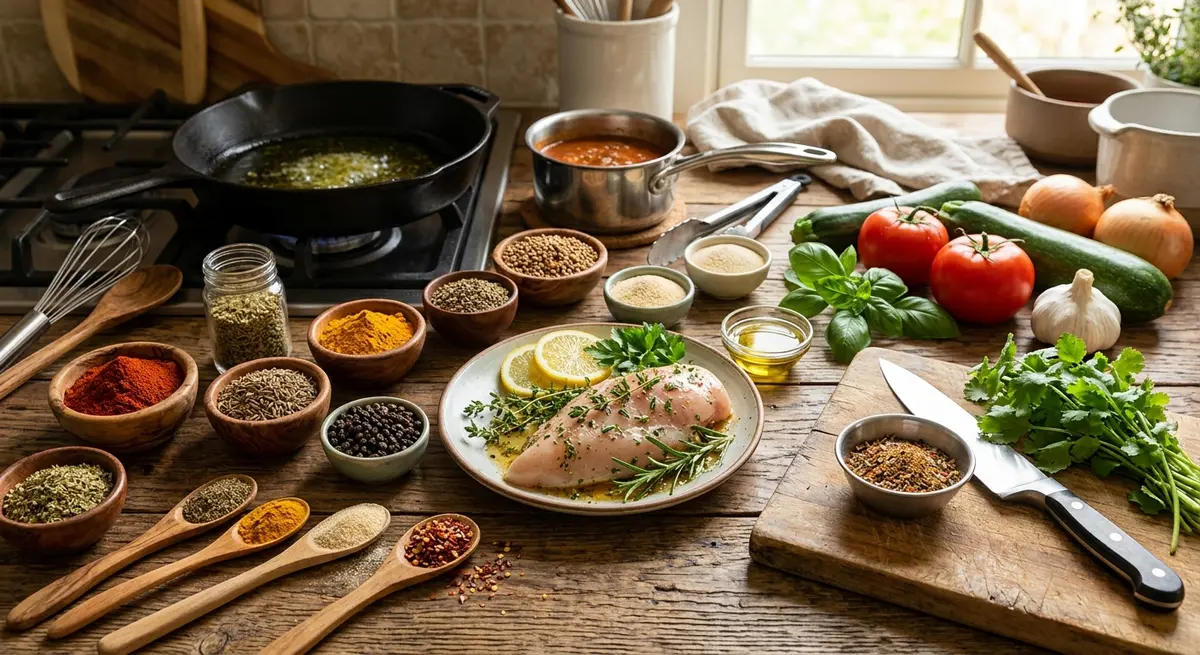
Cooking Low-Sodium With Spices That Carry the Flavor
Cutting sodium is easier when spice, acid, and umami do the heavy lifting. Build low-salt flavor in layers and no one misses the salt.