Lemongrass: Flavor Profile, Health Benefits & Culinary Uses
By the QuiteRecipes team (Jamy & Kaïna)
The tropical grass that tastes like lemon but never goes sour: how lemongrass perfumes soups, curries, and tea, with honest notes on using the dry version.
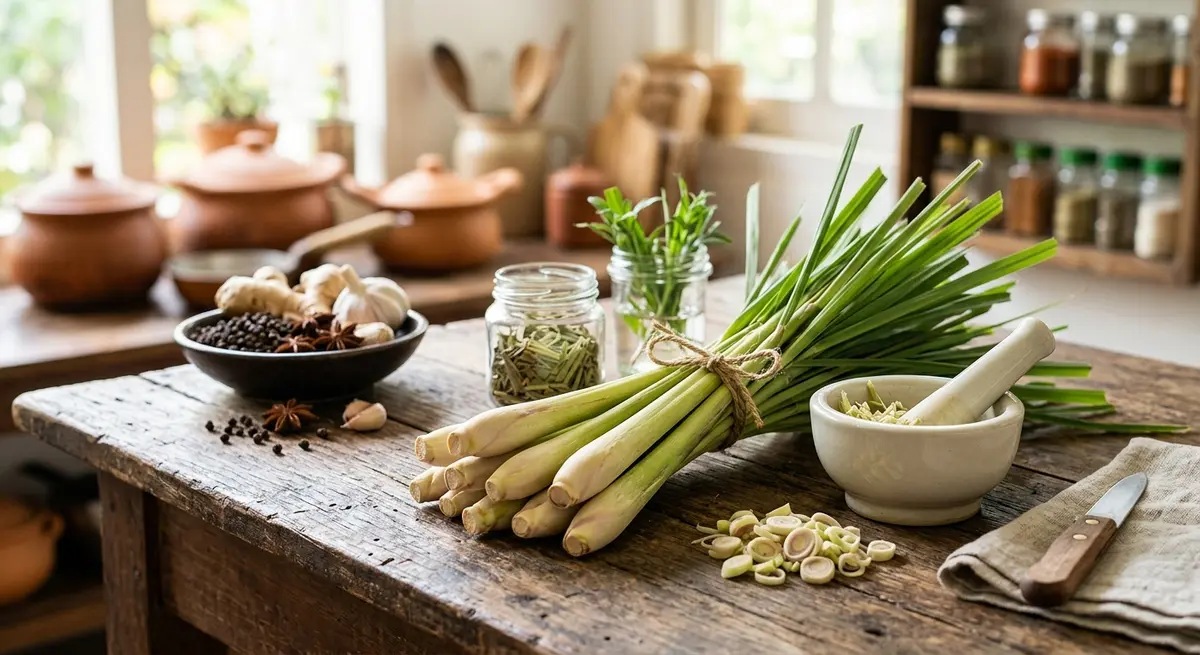
Lemongrass is the answer to a question nobody asks until they have cooked with it: what if lemon were a grassy, fragrant, mellow plant instead of a sharp little fruit? The tall tropical grass that Southeast Asia has leaned on for millennia gives you the beautiful, clean perfume of citrus peel with none of the acidity, no pucker, no risk of curdling — just scent. In Thai, Vietnamese, and Indonesian cooking it is as basic as salt, woven through soups, curries, marinades, and teas. It also happens to be one of the most forgiving aromatics in the garden, which is why home cooks on three continents keep a stalk or two around.
Flavor Profile & Notes
Crush a fresh stalk and you release a burst of lemony-citrus with a gingery, slightly grassy depth behind it — closer to lemon balm than lemon fruit, with none of the sour tang. The government of flavor lives in the lower white part of the stalk and the aromatic oils travel through heat well. Whole slices flavor broths quietly; pounded, the stalk gives up much more. Dried lemongrass is the truthful disappointment of this spice: it keeps some citrus character for tea and simmering, but the essential oils fly away early, so a crisp fresh stalk will always run circles around a jar of the dried kind.
Health Benefits & Nutrition
Lemongrass is a zero-fuss, low-calorie aromatic that carries real nutrients: it is a genuinely good source of potassium, magnesium, and a touch of iron, plus the citral and geranial oils that give it that signature scent. Traditional practice across Asia has used lemongrass teas for relaxation and for supporting comfortable digestion, and sitting down to a lemongrass-and-ginger infusion after a meal is an objectively pleasant habit. The scientific record is interested but modest — and the honest framing is that lemongrass is a lovely daily aromatic and a warm cup of tea is its best health claim.
Best Culinary Pairings
Tom yum and tom kha gai could not exist without it — lemongrass, galangal, and lime leaves are the unstoppable trio of Thai soups. It belongs in curry pastes pounded with chilies, shallots, garlic, and shrimp paste, and in Indonesian soto ayam. Grill fish or chicken with lemongrass marinade; stuff it into a roast chicken or into the cavity of a braised pork shoulder, and the citrus scent steams through the meat. Vietnamese cooks add it to grilled pork or fish. In drinks, slice it thin for teas or iced infusions — give it lemon, ginger, and honey and it is summer in a glass.
Quick Substitutes
There is no true lemongrass, but lemon zest plus a strip of fresh ginger is the standard emergency approximation in soups and marinades. Lime leaves (makrut) carry a different citrus note and often arrive together at the market. Dried lemongrass works in teas and simmered broths. The honest rule: if a curry depends on the lemongrass note, hunt for fresh or frozen; substitutes build you a different soup.
FAQ / Quick Facts
- How should you prep it? Cut off the root, peel the outer leaves, and use the pale lower half — bruise it with the flat of a knife to release the oils.
- How long does it keep? About two weeks in the fridge, or many months frozen; dried keeps a year but fades.
- Botanical family / Form: Poaceae (grass family); fresh stalk, dried slices/powder, or paste. Best uses: Thai soups and curries, marinades, and teas.
Related Articles
Bird's Eye Chili: Flavor Profile, Health Benefits & Culinary Uses
Small, searing, and the soul of Thai heat: what bird's eye chili is, how hot it really is, and how to use it politely in curries, sauces, and stir-fries.
Greater Galangal: Flavor Profile, Health Benefits & Culinary Uses
The jungle-strong cousin of ginger that Thai curries and beef rendang are built on. Here is who it is, what it does in the pot, and how to shop for it.
Lesser Galangal: Flavor Profile, Health Benefits & Culinary Uses
A smaller, fiercer galangal that bites back: what lesser galangal tastes like, where Southeast Asian cooks use it, and how to keep it on your shelf.
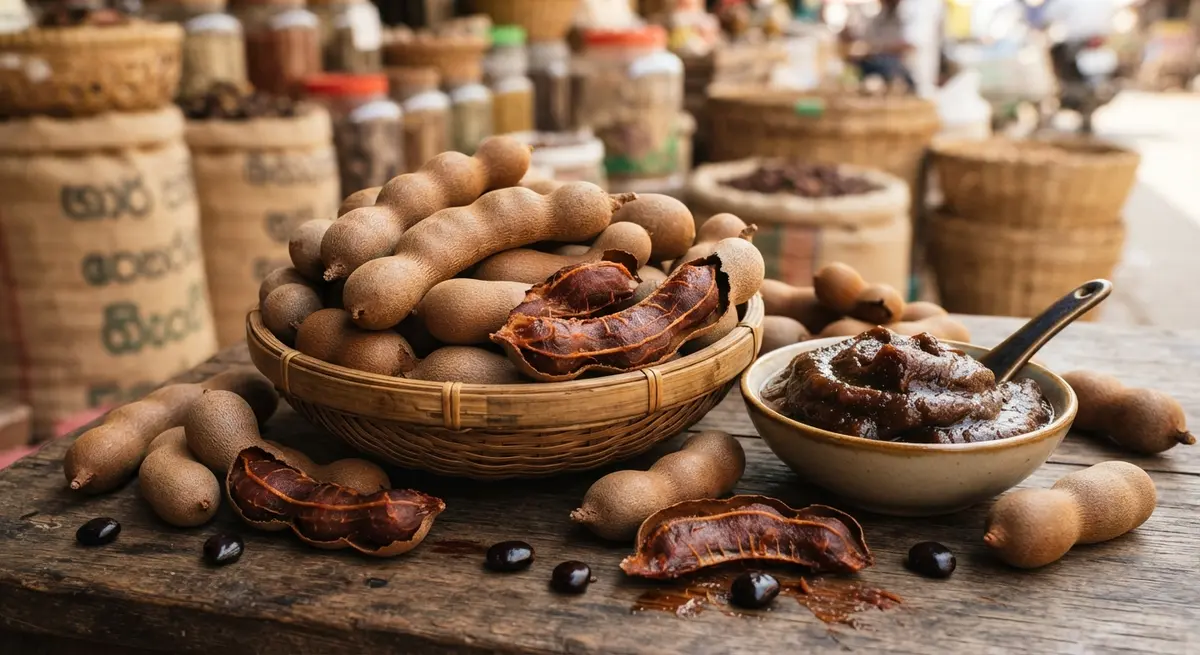
Tamarind: Flavor Profile, Health Benefits & Culinary Uses
Tamarind is the sour-sweet soul of pad thai, sambar, and a thousand chutneys — what the pods are, how to buy them, and the honest substitutes.
About the Authors
This recipe and guide was developed, tested, and approved in our home kitchen and daily life. Jamy is a retired Food Service District Manager and Early Childhood Program Manager who spent his career overseeing multi-site restaurant operations, large-scale culinary production, and daycare menu management. Kaïna brings the ultimate real-world test: making sure it brings ease and joy to our kids on a busy weeknight.
Read more about our professional background and philosophy →