Lesser Galangal: Flavor Profile, Health Benefits & Culinary Uses
By the QuiteRecipes team (Jamy & Kaïna)
A smaller, fiercer galangal that bites back: what lesser galangal tastes like, where Southeast Asian cooks use it, and how to keep it on your shelf.
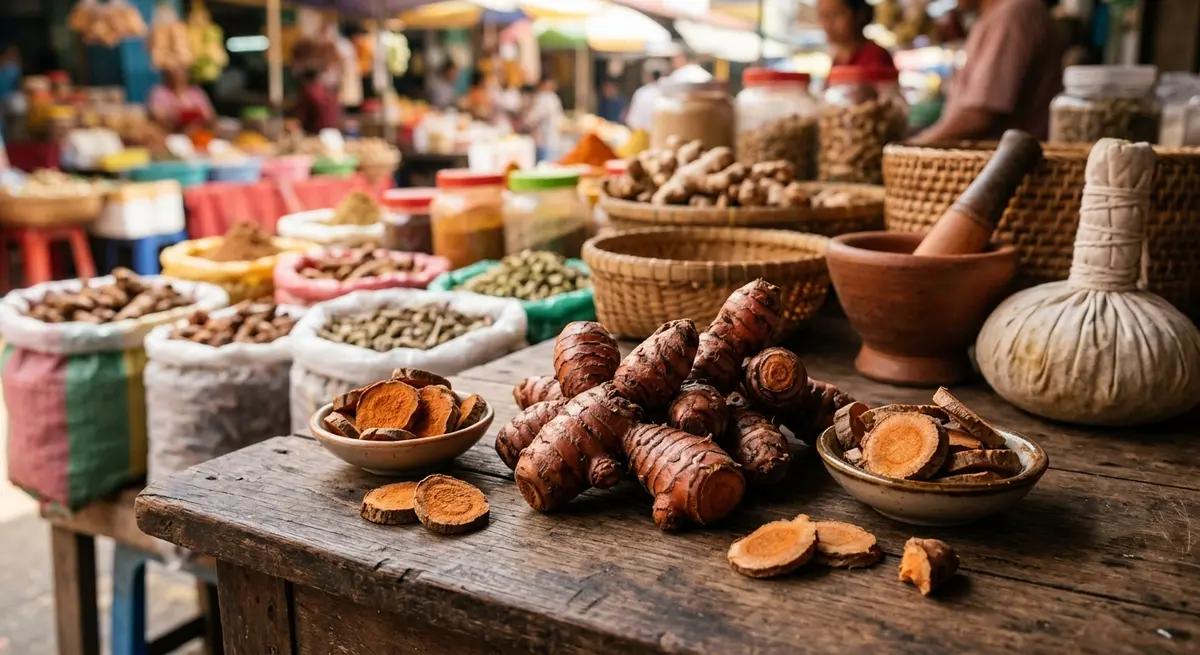
If greater galangal is the calm older brother, lesser galangal is the one who talks fast and laughs loud. It is a smaller, darker rhizome — Alpinia officinarum — thinner skinned and a full notch hotter and more peppery than its big sibling. Cooks who meet it for the first time are usually surprised: where greater galangal whispers, lesser galangal speaks up. In Thailand and Indonesia it shows up in sharp sauces and marinades where a cook wants the ginger-family kick to actually register.
It has been traded for centuries, all the way into European apothecary records, because it doubles as both spice and traditional tonic. The dried slices you see in jars labeled simply "galangal" are often lesser galangal, which is why a powder and a fresh rhizome can taste so different from each other.
Flavor Profile & Notes
Lesser galangal leads with heat. The volatile oils hit the tongue like pepper crossed with ginger, then a piney, camphor note follows and lingers. It is more biting and more warming than greater galangal, with less of the citrus sweetness and more of the burn. Dried, it turns darker and more medicinal in character, with a concentrated pungency that a pinch can carry across a whole pot. Because it is hot, less is more — a cook uses lesser galangal to add backbone and clean, sharp aromatic lift, not to fill the middle of the dish.
Health Benefits & Nutrition
The rhizome is rich in the same family of aromatic oils found in ginger and turmeric — the ginger family makes good on its reputation. Traditional systems have used lesser galangal for digestive complaints and as a warming herb for centuries, and modern lab work has shown antioxidant and anti-inflammatory activity in its extracts. Translation for the kitchen: it is a genuinely pleasant aromatic to cook with, and a cup of galangal-and-ginger tea after a heavy meal feels good, but it is food, not medicine. Anyone with a health condition should treat it as a spice and talk to a doctor before using it as a remedy.
Best Culinary Pairings
Bright, astringent foods are its natural home. Try it sliced thin into a hot-and-sour fish soup, or pounded into a dipping sauce with chilies, garlic, and lime. It takes well to vinegar-based dressings and quick pickles, where the heat stands up to the acid instead of vanishing. Lesser galangal does a fine job in red curry paste and in herbal tea alongside lemongrass, and a single dried slice simmering in chicken stock adds quiet depth. Match it with coconut milk to round out its sharpness, or with lime to double down on it.
Quick Substitutes
Greater galangal is the nearest relative and the easiest swap, used at slightly larger amounts. Fresh ginger with a good pinch of white pepper and a few drops of lemon works in a pinch. Powdered lesser galangal substitutes for fresh at roughly one-third strength, so taste as you go. Nothing else in the average pantry gets that camphor-pine bite, so when a dish lives or dies on galangal, buy the real thing.
FAQ / Quick Facts
- How long does it keep? Fresh rhizome stays good about a week refrigerated; dried slices last a year in a sealed jar.
- What does it taste like? Hotter and more peppery than greater galangal — sharp pine, camphor, and warming ginger heat.
- Botanical family / Form: Zingiberaceae; fresh rhizome and dried slices. Best uses: sharp soups, dipping sauces, pickles, and tea.
Related Articles
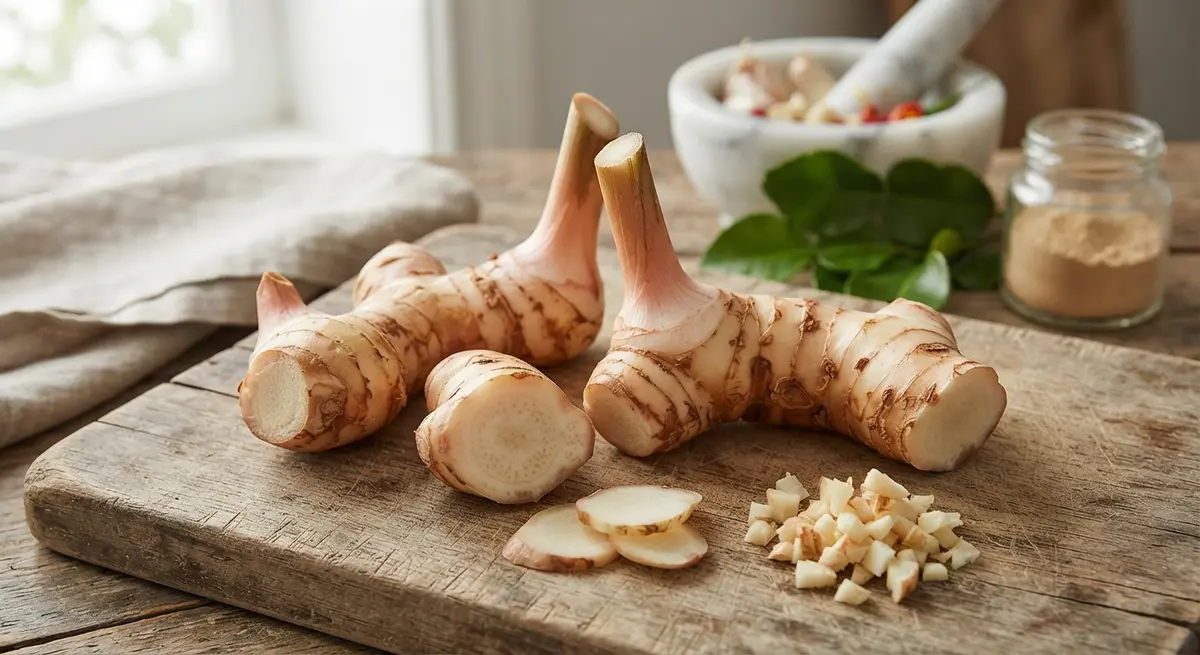
Greater Galangal: Flavor Profile, Health Benefits & Culinary Uses
The jungle-strong cousin of ginger that Thai curries and beef rendang are built on. Here is who it is, what it does in the pot, and how to shop for it.
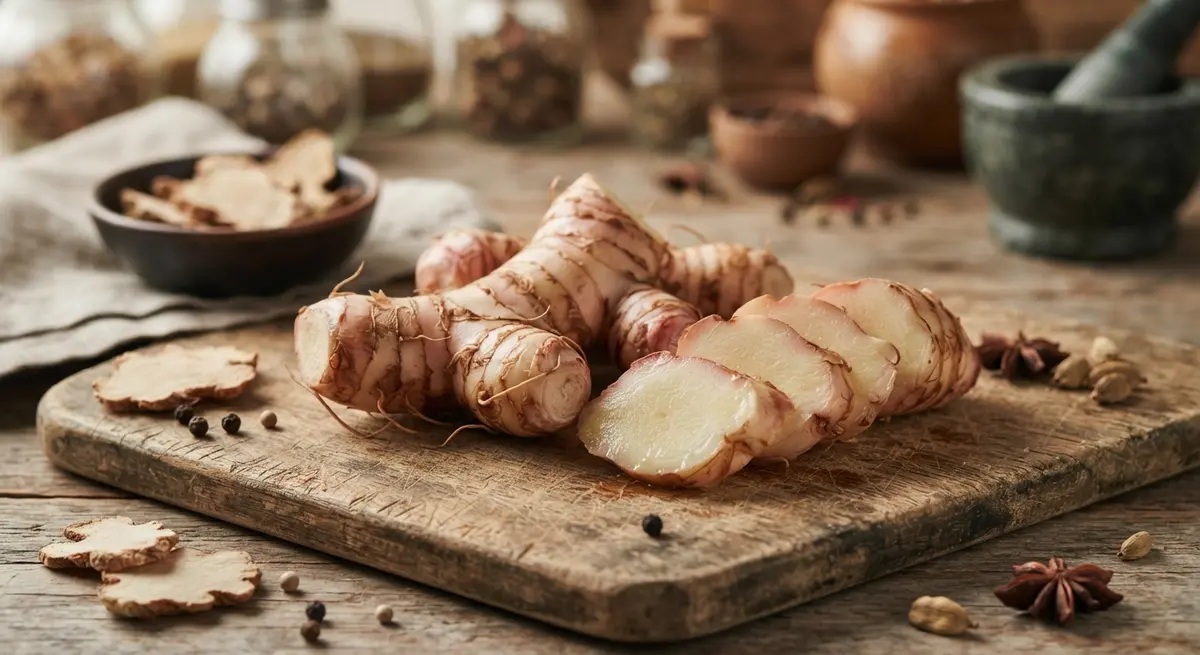
Officinal Galangal: Flavor Profile, Health Benefits & Culinary Uses
The hot-toothed Chinese galangal that apothecaries and tea makers have prized for centuries: what officinal galangal is, how to use a little, and why.
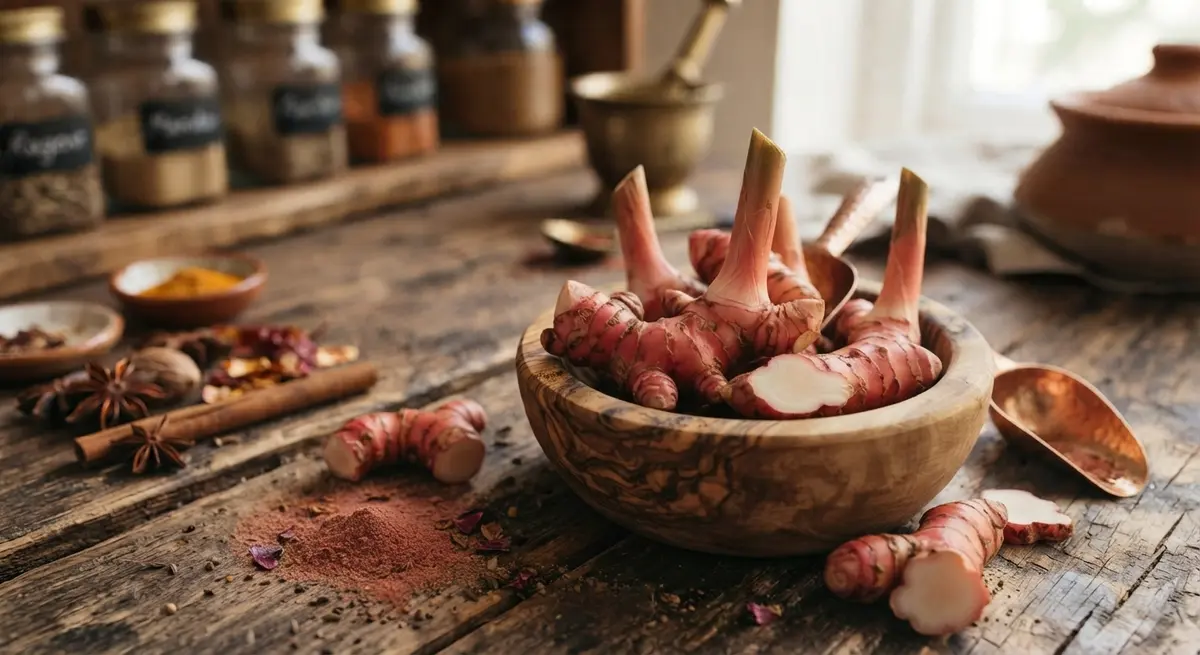
Red Galangal: Flavor Profile, Health Benefits & Culinary Uses
The red-skinned lengkuas that growers spoil for themselves: red galangal is sharper and more aromatic than the white kind, with its own place in the kitchen.
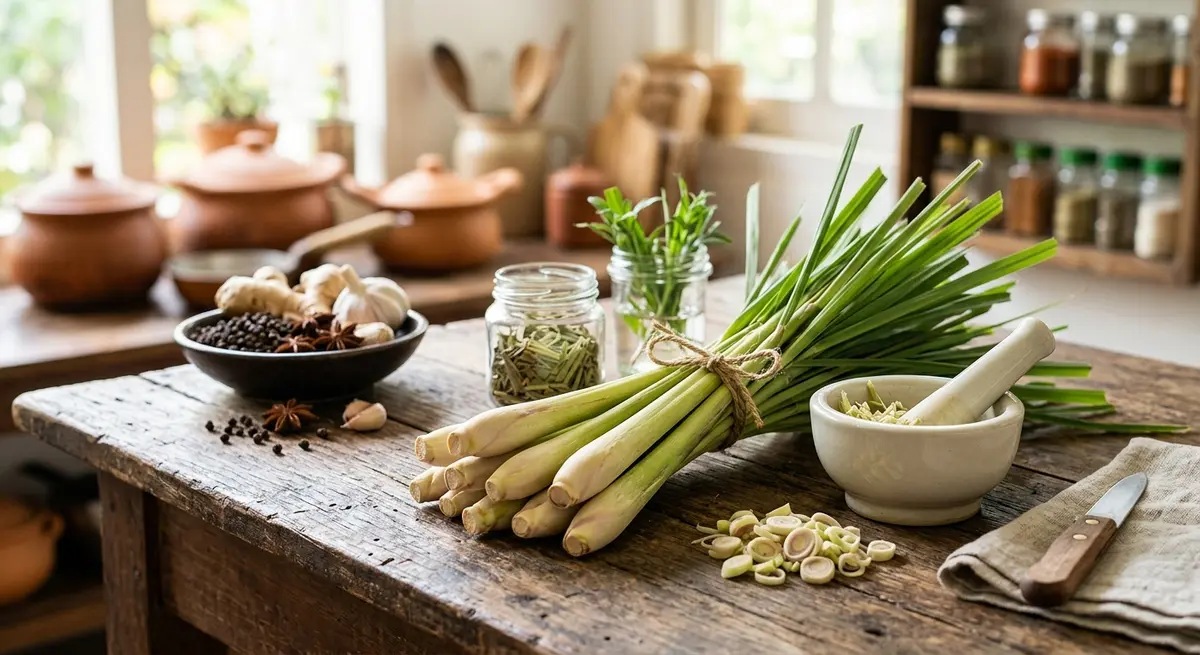
Lemongrass: Flavor Profile, Health Benefits & Culinary Uses
The tropical grass that tastes like lemon but never goes sour: how lemongrass perfumes soups, curries, and tea, with honest notes on using the dry version.
About the Authors
This recipe and guide was developed, tested, and approved in our home kitchen and daily life. Jamy is a retired Food Service District Manager and Early Childhood Program Manager who spent his career overseeing multi-site restaurant operations, large-scale culinary production, and daycare menu management. Kaïna brings the ultimate real-world test: making sure it brings ease and joy to our kids on a busy weeknight.
Read more about our professional background and philosophy →