Red Galangal: Flavor Profile, Health Benefits & Culinary Uses
By the QuiteRecipes team (Jamy & Kaïna)
The red-skinned lengkuas that growers spoil for themselves: red galangal is sharper and more aromatic than the white kind, with its own place in the kitchen.
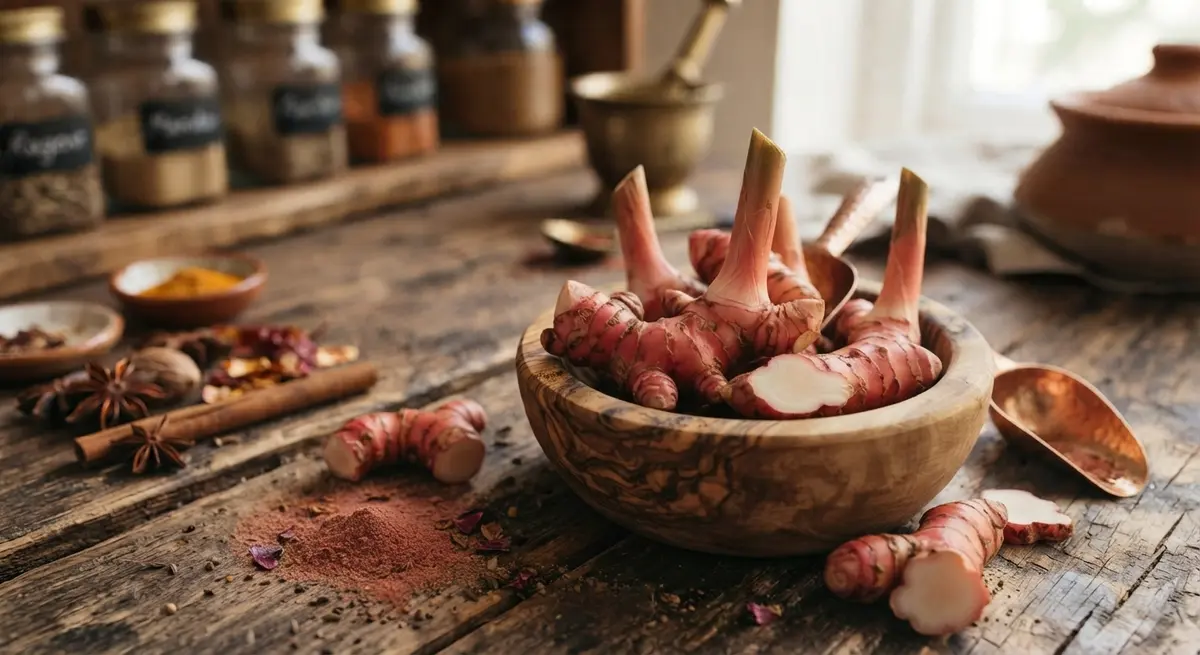
Buy galangal long enough and eventually someone will hand you one that is not pale at all — a fat rhizome with a reddish, almost brick-toned skin and, if you cut it, a hint of the same blush inside. That is red galangal, the colored cultivar of Alpinia galanga that Southeast Asian growers have quietly kept for themselves. In Indonesia it is lengkuas merah, and in Thailand it has been the traditional kitchen choice for generations of cooks who swear it packs more aroma and a touch more sweetness than the white-fleshed variety sold to most export markets. It is the same species, a different personality.
Flavor Profile & Notes
Where white galangal is dry and peppery, red galangal opens warmer — the classic pine-and-citrus bite of the family, but rounder and slightly sweeter, with a softly resinous finish that makes it smell like the inside of a spice shop. Pound it and the aroma is noticeably denser; cook it into a broth and you can tell it apart from white galangal in two tastes. Because of that extra sweetness it is the galangal many cooks reach for when a curry or soup needs the flavor without quite as much of the sting. Notes vary by soil and age, so trust flavor over color when choosing between the two.
Health Benefits & Nutrition
Red galangal carries the same essential oils as its pale sibling — 1,8-cineole and the family's signature terpenes — plus a dose of the pigments that give it color, which are antioxidant flavonoids in the same broad family found in red produce everywhere. Traditional Southeast Asian practice treats galangal generally as a warming, digestive-friendly aromatic for broths and teas. The honest share of this story is small: a few slices in a curry are flavor and a trace of minerals, nothing more, and anyone leaning on galangal for health is best pointed toward the vegetable aisle and their doctor.
Best Culinary Pairings
Put red galangal wherever you want galangal with a friendlier edge. It performs beautifully in massaman and other coconut curries, where the extra sweetness matches the milk. It is an old favorite in Indonesian dishes — soto ayam, gado-gado's peanut sauce, and slow rendang all accept its deeper aromatic. Finely grated, it works in marinades and dipping sauces with fish sauce, chili, and lime. For teas, a few slices with lemongrass and honey soften into a genuinely soothing cup. Sliced, pounded, or simmered, it behaves exactly like any galangal — just more of everything.
Quick Substitutes
Plain white greater galangal is the honest replacement at a nearly one-for-one amount; if your dish lets you, add a whisper of palm or brown sugar to reproduce the sweetness. Fresh ginger plus a little lemon zest covers emergencies. Powdered galangal works at roughly a third of the strength of fresh. Red galangal is not scarce — most galangal from traditional Asian markets is the red cultivar — so when a recipe means business, the real thing is usually an aisle away.
FAQ / Quick Facts
- Is red galangal a different species? It is a red-skinned cultivar of Alpinia galanga — the same species as white greater galangal, raised for extra aroma and sweetness.
- What does it taste like? Citrus, pine, and pepper like all galangals, but warmer, sweeter, and denser in aroma.
- Form / Best uses: Fresh rhizome and sometimes dried slices; best in coconut curries, rendang, stews, and teas.
Related Articles
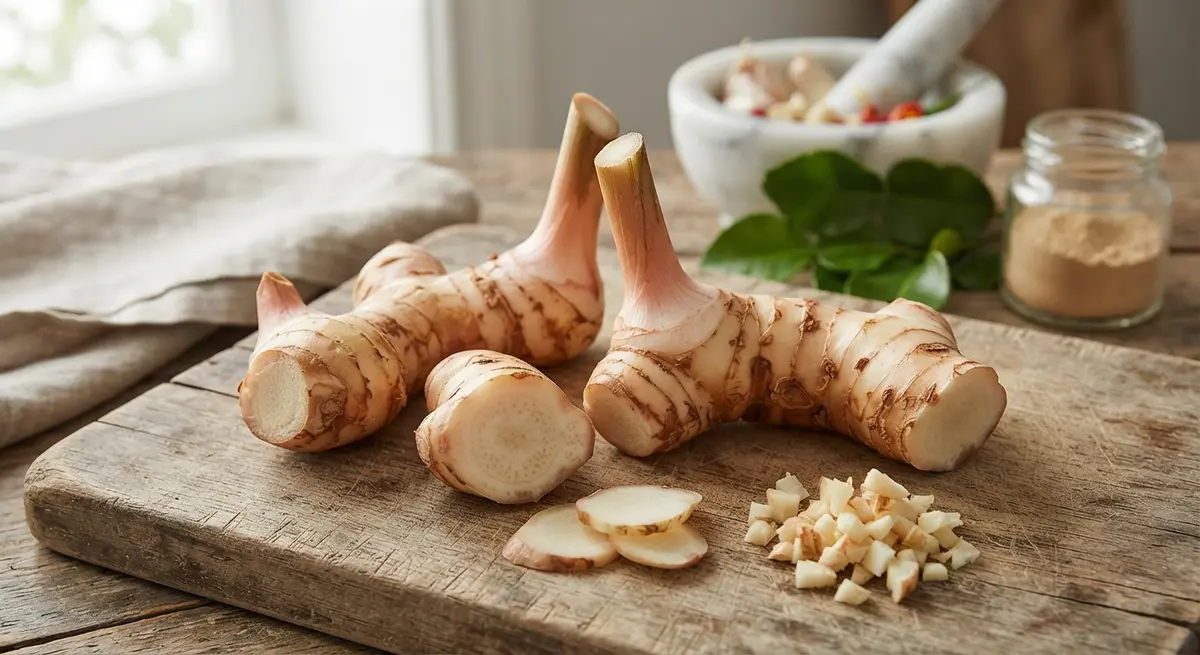
Greater Galangal: Flavor Profile, Health Benefits & Culinary Uses
The jungle-strong cousin of ginger that Thai curries and beef rendang are built on. Here is who it is, what it does in the pot, and how to shop for it.
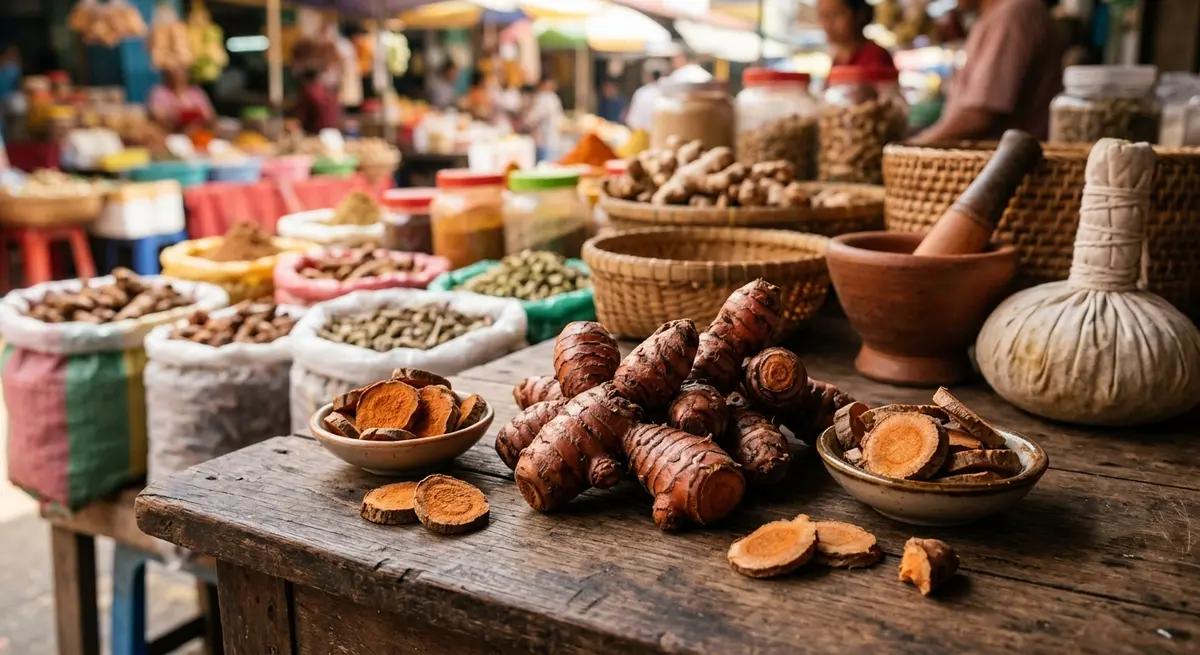
Lesser Galangal: Flavor Profile, Health Benefits & Culinary Uses
A smaller, fiercer galangal that bites back: what lesser galangal tastes like, where Southeast Asian cooks use it, and how to keep it on your shelf.
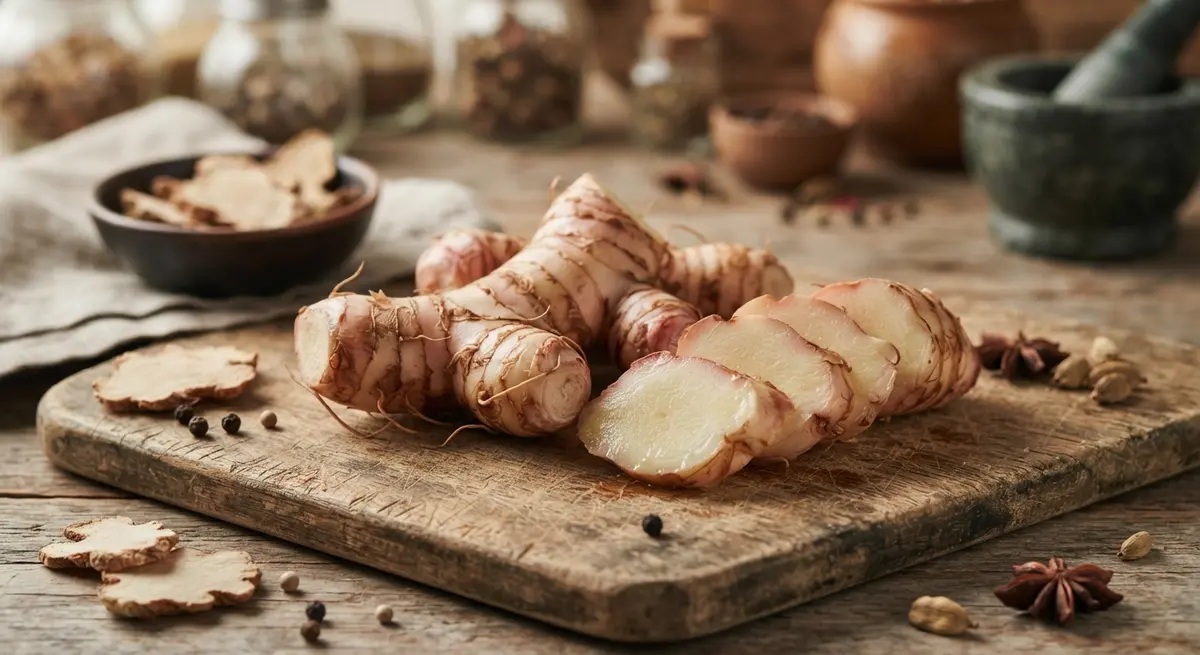
Officinal Galangal: Flavor Profile, Health Benefits & Culinary Uses
The hot-toothed Chinese galangal that apothecaries and tea makers have prized for centuries: what officinal galangal is, how to use a little, and why.
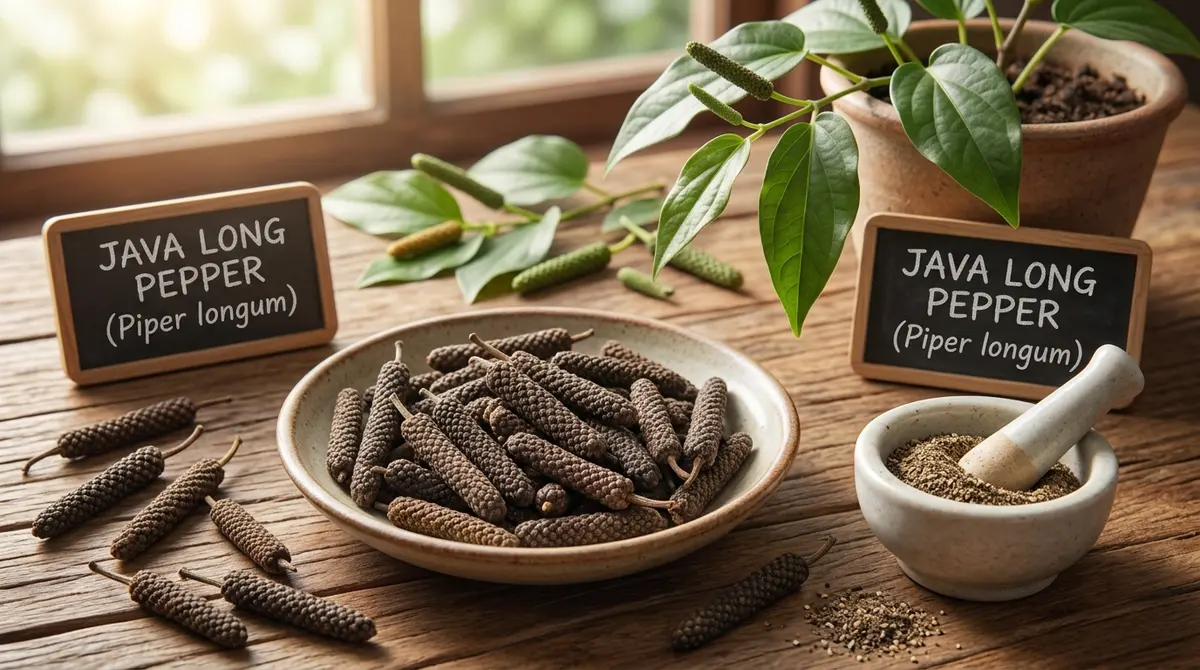
Java Long Pepper: Flavor Profile, Health Benefits & Culinary Uses
Java long pepper brings more fire than its Indian cousin, with a dusty, throaty heat that anchors Indonesian rempah pastes and beef rendang.
About the Authors
This recipe and guide was developed, tested, and approved in our home kitchen and daily life. Jamy is a retired Food Service District Manager and Early Childhood Program Manager who spent his career overseeing multi-site restaurant operations, large-scale culinary production, and daycare menu management. Kaïna brings the ultimate real-world test: making sure it brings ease and joy to our kids on a busy weeknight.
Read more about our professional background and philosophy →