Java Long Pepper: Flavor Profile, Health Benefits & Culinary Uses
By the QuiteRecipes team (Jamy & Kaïna)
Java long pepper brings more fire than its Indian cousin, with a dusty, throaty heat that anchors Indonesian rempah pastes and beef rendang.
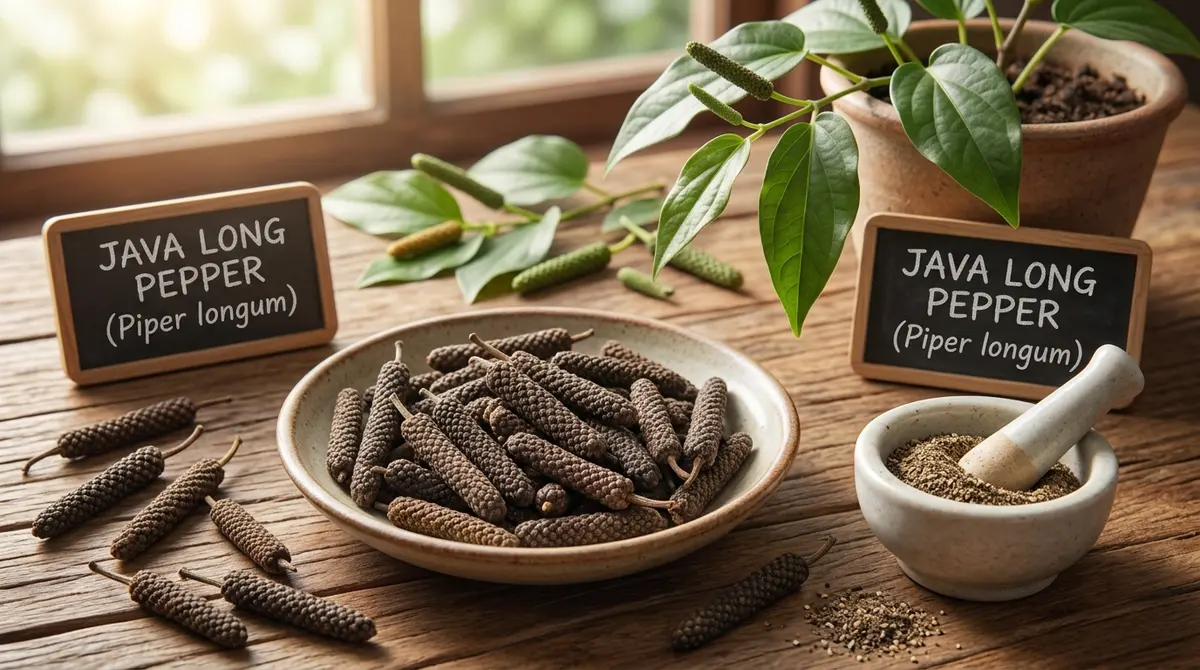
Java long pepper is the hard-hitting sibling in the long pepper family. Where Indian long pepper (Piper longum) is woody and gentle, its Indonesian relation — usually listed as Piper retrofractum or Piper chaba, and called cabe jawa locally — brings a duskier, dustier fire. Imagine black pepper's heat with the lid off: hotter, rounder, and quicker to bloom, with a scent that carries cocoa and earth alongside the pepper bite. In Indonesia it is treated as a kitchen staple and a small-time tonic all at once, cropping up not only in spice pastes but in jamu, the traditional herbal brews sold from street carts. That dual life tells you something about how respected it is.
The catch for the modern cook is heat management: it carries piperine generously, and like Indian long pepper it gets hotter as it cooks.
Flavor Profile & Notes
Earthy and cocoa-tinged with forward, throaty heat that builds as it simmers, finishing with a slight sweetness and mild piny note. The fruit grows as a tapering spike, like a dark, wrinkled catkin, and it is at its best slapped whole into a spice paste or lightly bruised with a mortar before grinding. Dry-roast briefly in a hot pan to rouse the oils, then grind. Its intensity is the reason it is usually hidden inside blends rather than used as a table grind.
Health Benefits & Nutrition
In Indonesian folk tradition, cabe jawa is a warming, energizing ingredient in jamu brews meant to support digestion and circulation. Like its cousins it is rich in piperine and carries a store of antioxidants. The measured version is simple: it is a potent spice that makes food lively, not a treatment or supplement.
Best Culinary Pairings
This pepper lives in Indonesian rempah: the wet spice pastes that form the base of beef rendang, chicken curry, soto soup, and spice-crusted sambals. Grind it with galangal, turmeric, shallots, and chili for a paste that smells like Bali. It also carries serious flavor into slow braises — a single bruised spike dropped into a pot of lamb or beef stew adds a warm dimension onions alone cannot reach. A pinch works wonders in hearty vegetable curries and spice rubs for grilled fish.
Quick Substitutes
Indian long pepper is the closest easy swap, being the same shape of spice with milder heat. Otherwise, use black pepper plus a pinch of ground cocoa or a suggestion of nutmeg to approximate the earthy sweetness. Just remember to scale back — Java long pepper is the hotter of the two, and dishes built around it will misbehave if you swap by volume.
FAQ / Quick Facts
- How long does it keep? Whole spikes keep for over a year in a sealed jar away from light; ground powder should be used within a few months.
- What does it taste like? Earthy, cocoa-like, and noticeably hot, with heat that strengthens during cooking.
- What is jamu? Traditional Indonesian herbal remedies, in which cabe jawa often appears as a warming ingredient.
- Botanical family / Form / Best uses: Piper retrofractum / chaba (Piperaceae) / whole or ground / spice pastes, curries, braises, and rubs.
Related Articles
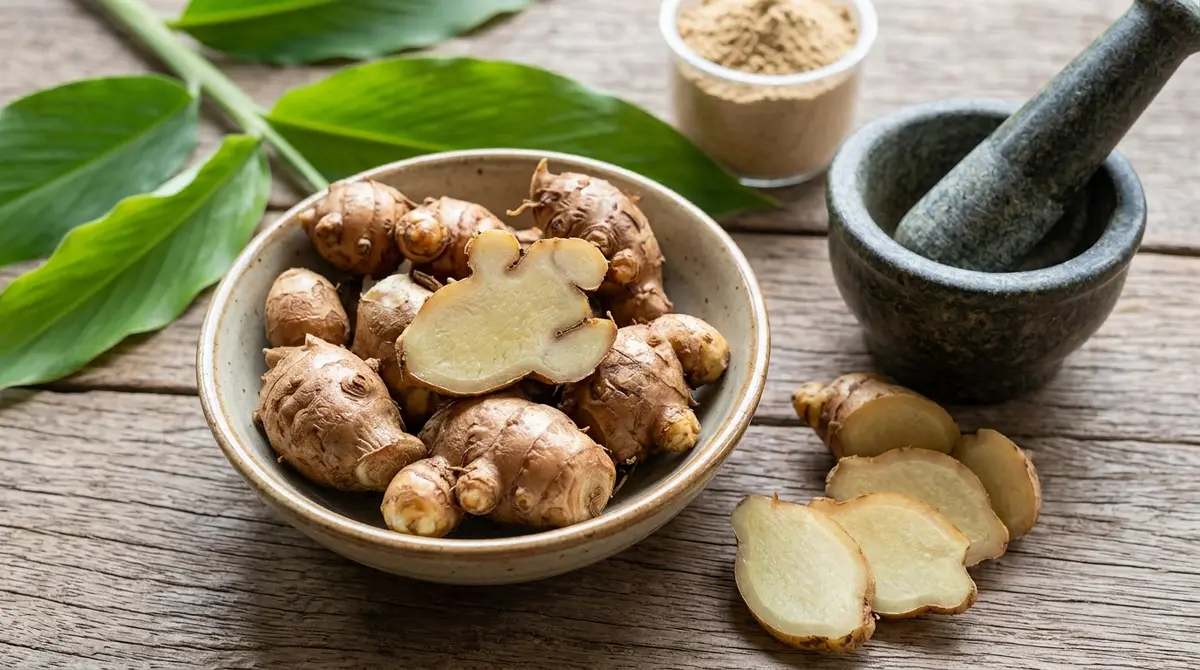
Kencur Root: Flavor Profile, Health Benefits & Culinary Uses
Kencur, the small aromatic ginger-family root of Java, gives Indonesian peanut sauce and jamu their distinct camphor-sweet note — here is how to use it.
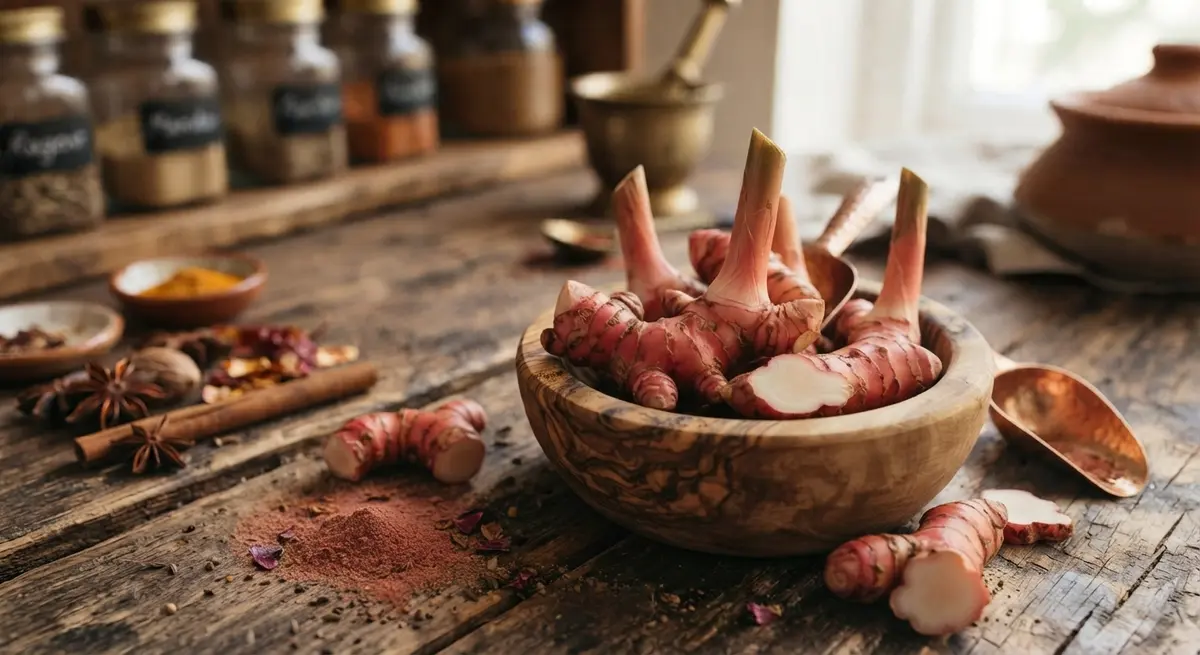
Red Galangal: Flavor Profile, Health Benefits & Culinary Uses
The red-skinned lengkuas that growers spoil for themselves: red galangal is sharper and more aromatic than the white kind, with its own place in the kitchen.
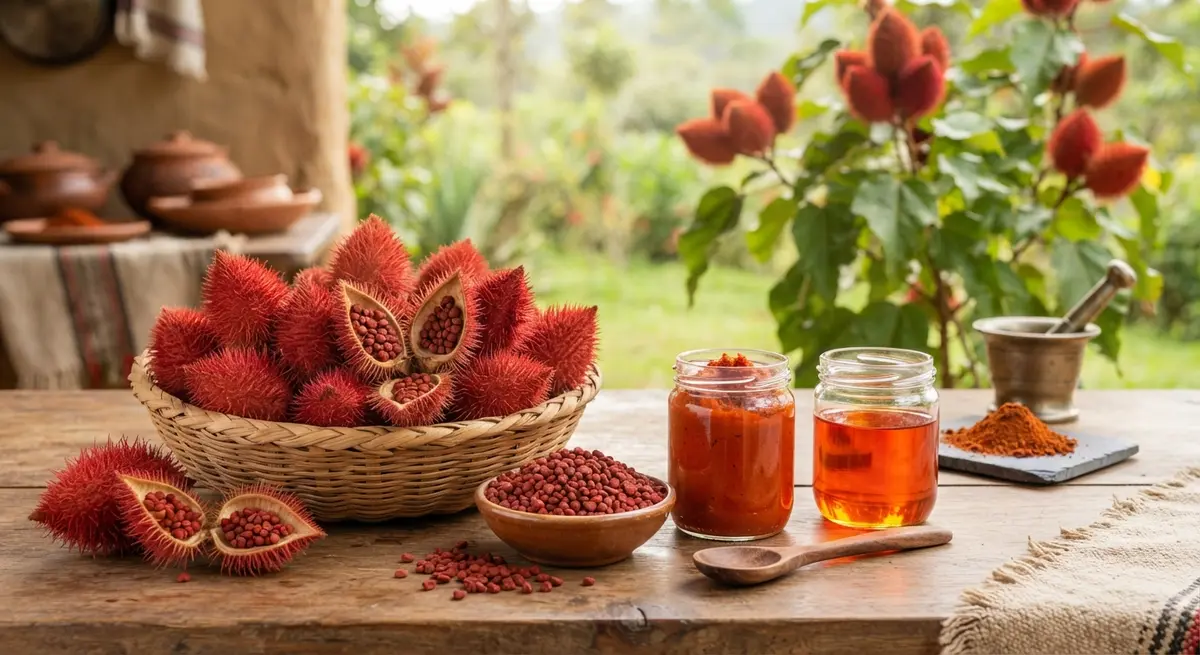
Achiote (Annatto): Flavor Profile, Health Benefits & Culinary Uses
Tiny coral-red seeds that paint food golden: the annatto tree's achiote, how to use the seeds and the Yucatan paste, and honest color substitutes.
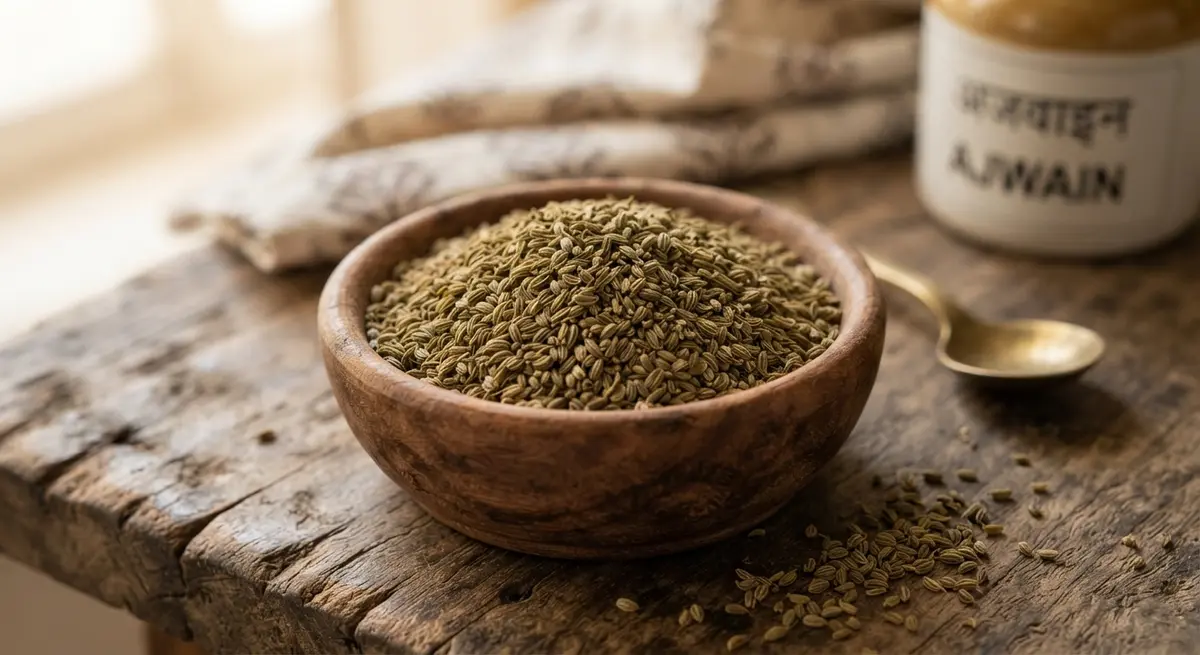
Ajwain (Carom) Seeds: Flavor Profile, Health Benefits & Culinary Uses
A tiny gray-brown seed that tastes like thyme, oregano, and cumin had a baby with a timer fuse. Here is how and why Indian kitchens use ajwain.
About the Authors
This recipe and guide was developed, tested, and approved in our home kitchen and daily life. Jamy is a retired Food Service District Manager and Early Childhood Program Manager who spent his career overseeing multi-site restaurant operations, large-scale culinary production, and daycare menu management. Kaïna brings the ultimate real-world test: making sure it brings ease and joy to our kids on a busy weeknight.
Read more about our professional background and philosophy →