Ajwain (Carom) Seeds: Flavor Profile, Health Benefits & Culinary Uses
By the QuiteRecipes team (Jamy & Kaïna)
A tiny gray-brown seed that tastes like thyme, oregano, and cumin had a baby with a timer fuse. Here is how and why Indian kitchens use ajwain.
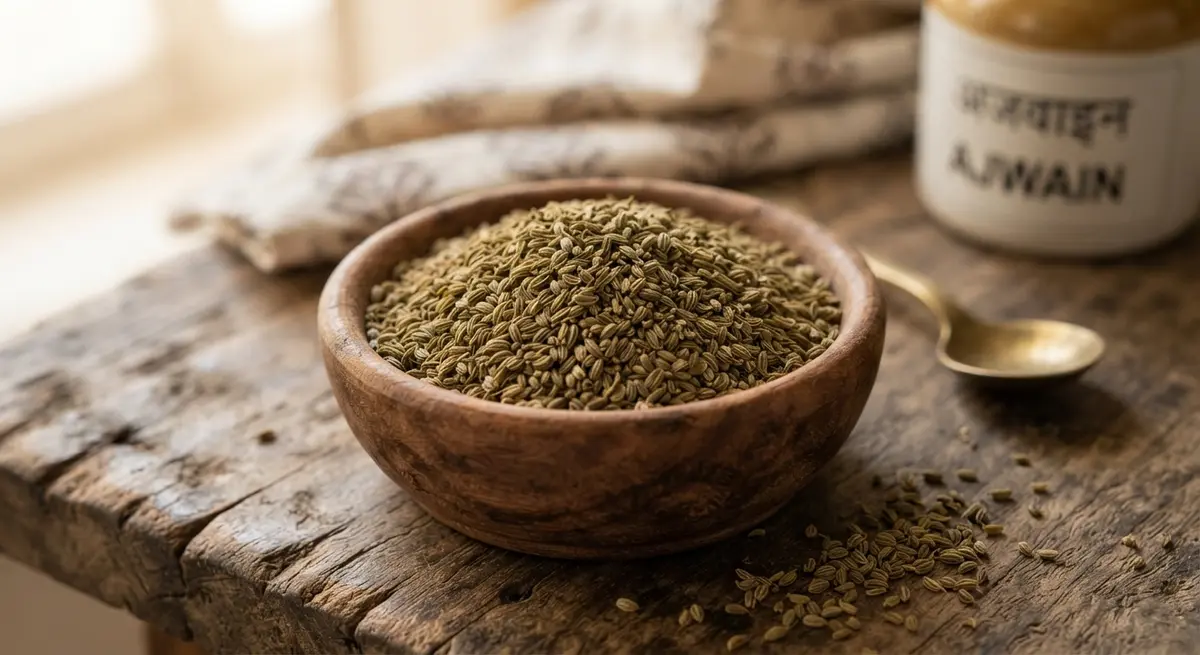
Ajwain is the spice that introduces itself with a slap and then becomes your closest friend. The seeds — also sold as carom — look like small gray-brown cumin or celery seed, and a raw one on the tongue tastes distinctly of thyme compressed to an eighth of its normal size, with oregano and cumin waiting behind it. The surprise ingredient in most of that flavor is thymol, the same compound that gives thyme its bite, concentrated hard. Indian cooks have used ajwain for centuries, especially in flatbreads and fried snacks, exactly because it is powerful in a way that other seeds are not.
Flavor Profile & Notes
Put a teaspoon in a hot pan and the whole kitchen smells like a very confident herb garden. Ajwain is bold, pungent, and slightly bitter, with a thyme-forward character and a warm cumin undercurrent. Cooking softens its aggression: in dough it bakes into a quiet, savory, almost caraway-sweet note; in hot oil and ghee it blooms into something mellow and deeply appetizing. Raw seeds demand respect — they are one of the few spices people describe accurately with the word biting. Bloomed or baked, they become warm and friendly.
Health Benefits & Nutrition
The thymol that makes ajwain taste so bold is also the reason it shows up in traditional digestive remedies across north India. Crack the seeds in mortar and the thymol aromatics relax the same way they help settle a heavy meal — the folklore here has genuine chemical backing, and ajwain water after a rich dinner is a real old-household habit. That said, ajwain is digestive help you get in seasoning-sized doses, not something you should self-prescribe in spoonfuls. It is a spice with a reputation, and its practical role is flavor first.
Best Culinary Pairings
Its signature job is in Indian flatbreads: knead a good half teaspoon into the dough for parathas, puris, and savory bhatura, and it perfumes every warm bite. It is a quiet hero in fried snacks and pakora batters, where its bitterness cuts the oil and the chickpea flour. Lentils and bean dishes welcome a pinch bloomed in ghee. It even turns up in pickles and spice blends that need a clean, herbaceous spike. If you want the simplest introduction, put ajwain in bread — its heat and bitterness exist to be mellowed by dough.
Quick Substitutes
Dried thyme is the closest living relative to ajwain's flavor, and oregano covers part of the gap; use a blend of thyme with a pinch of caraway to get the savor and the slight bitterness. Caraway seeds substitute in doughs — different character, same quiet warmth. For pickles and chaat the swap gets harder: those dishes want ajwain's sharpness, which only starts dimming even in the best substitutes. For naans and parathas, the real thing is worth tracking down; for everything else, thyme plus caraway does honest work.
FAQ / Quick Facts
- How long do they keep? Two to three years in a sealed jar; crushing them right before use releases the most aroma.
- What do they taste like? Concentrated thyme crossed with oregano and cumin, pungent raw and mellow when baked or bloomed.
- Botanical family / Form: Apiaceae (parsley family); dried seeds of Trachyspermum ammi. Best uses: flatbread doughs, snack batters, and lentils.
Related Articles
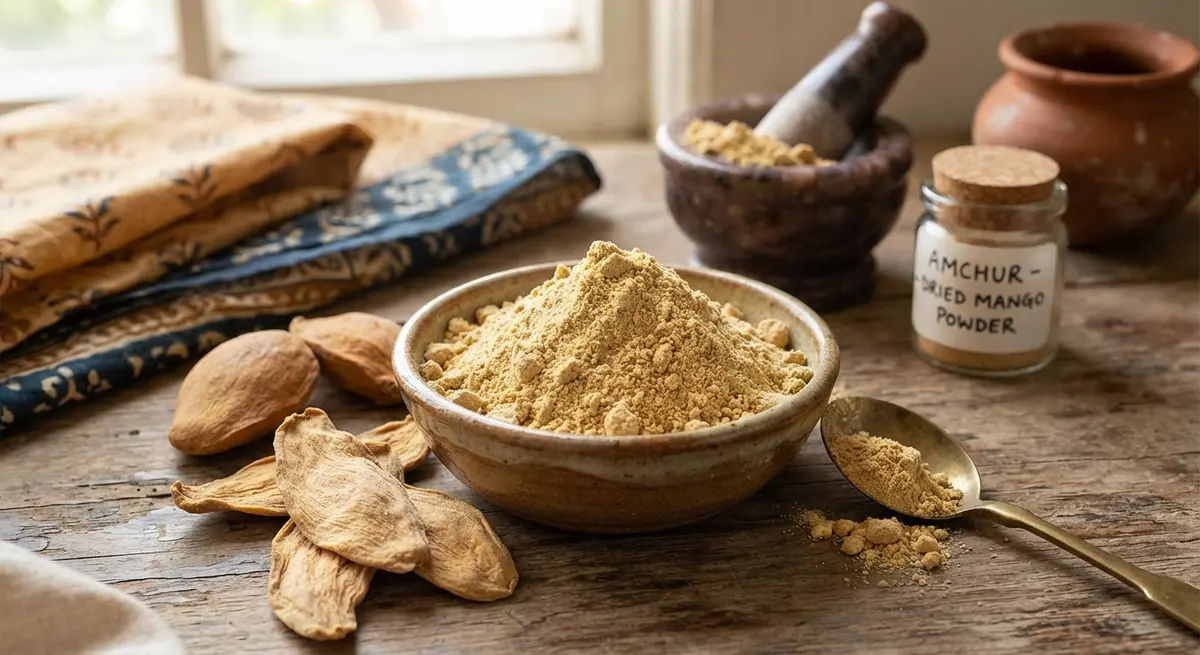
Amchur (Green Mango Powder): Flavor Profile, Health Benefits & Culinary Uses
Powdered green mango that adds bright sour notes without a drop of liquid. Amchur turns snack mixes, dry rubs, and curries tart in one shake.
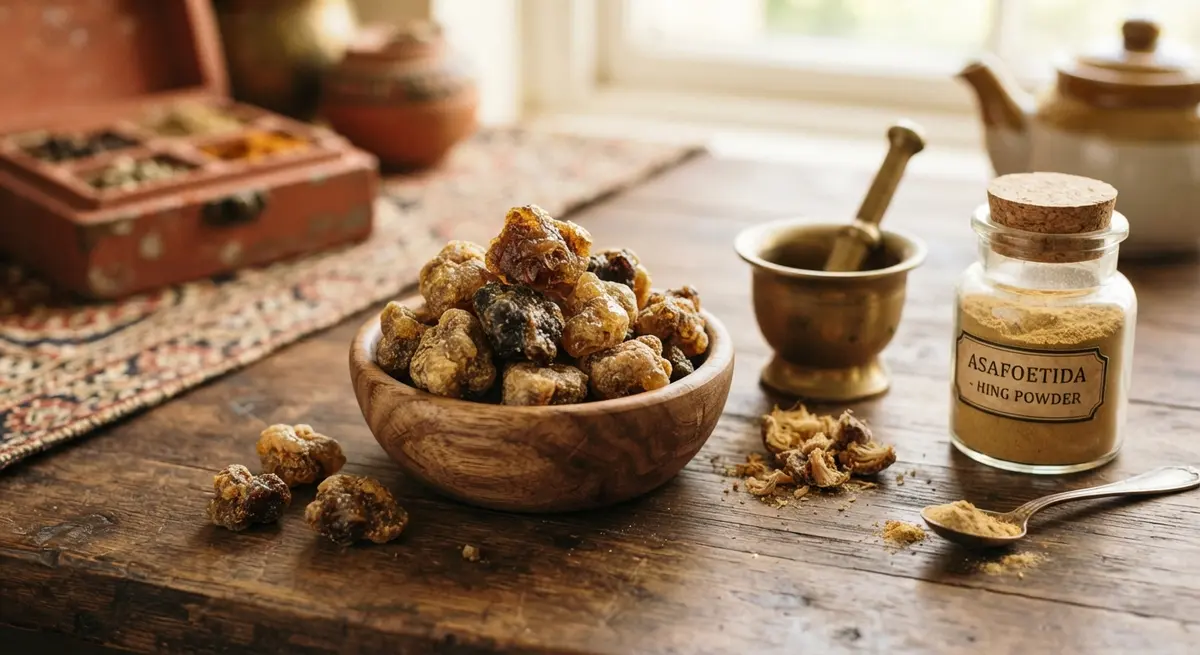
Asafoetida (Hing): Flavor Profile, Health Benefits & Culinary Uses
The worst-smelling raw spice in the world turns into quiet onion-garlic gold the moment it hits hot oil. Here is the one rule for using hing without fear.
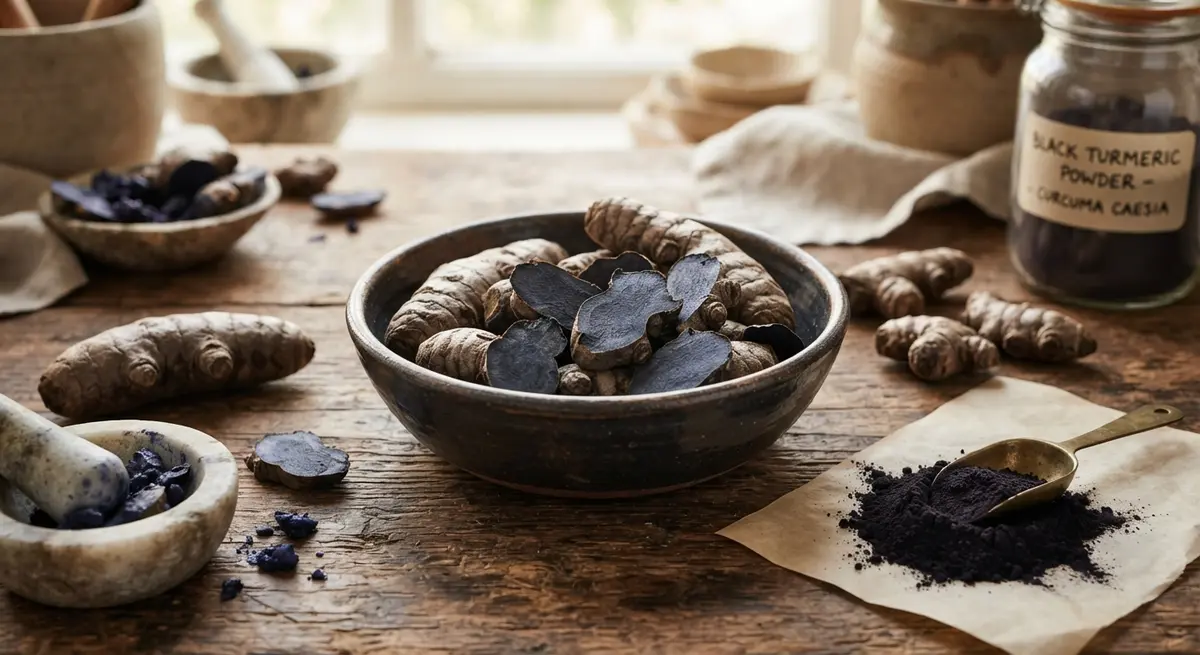
Black Turmeric: Flavor Profile, Health Benefits & Culinary Uses
The wild dark turmeric of eastern India, camphor-strong and almost blue inside: what black turmeric is, how it stuns cooks, and its honest uses in the kitchen.
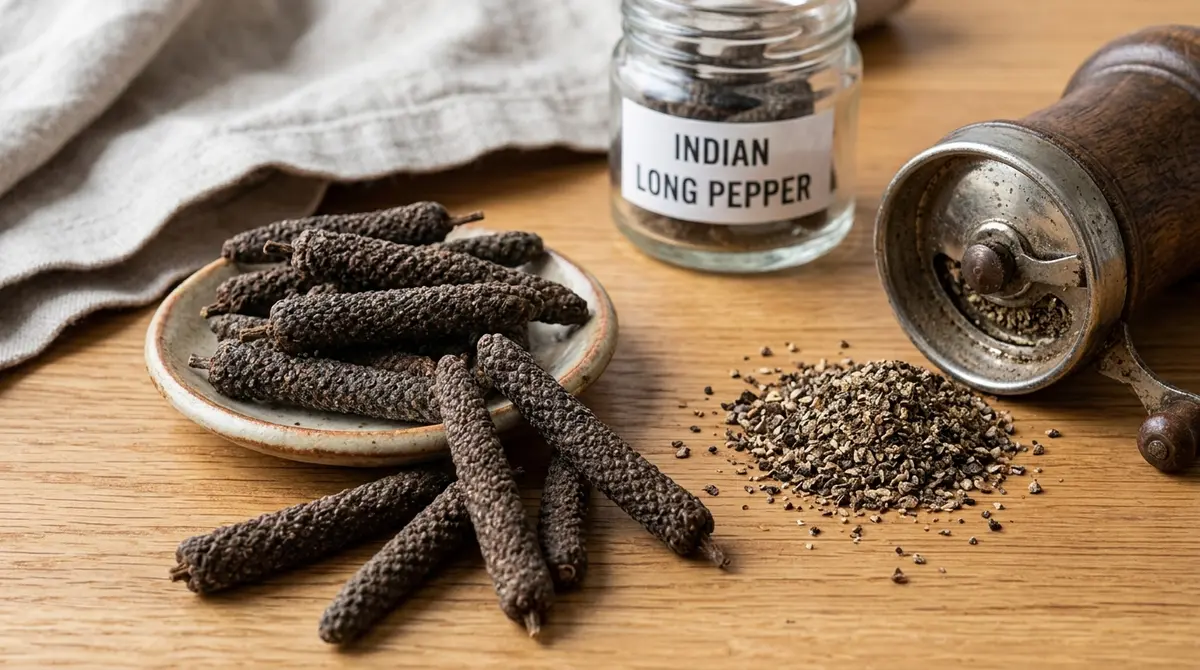
Indian Long Pepper: Flavor Profile, Health Benefits & Culinary Uses
Before black pepper took over Europe, long pepper was the prize, and pippali is still a quiet star in Ayurvedic spice mixes and warming winter dals.
About the Authors
This recipe and guide was developed, tested, and approved in our home kitchen and daily life. Jamy is a retired Food Service District Manager and Early Childhood Program Manager who spent his career overseeing multi-site restaurant operations, large-scale culinary production, and daycare menu management. Kaïna brings the ultimate real-world test: making sure it brings ease and joy to our kids on a busy weeknight.
Read more about our professional background and philosophy →