Asafoetida (Hing): Flavor Profile, Health Benefits & Culinary Uses
By the QuiteRecipes team (Jamy & Kaïna)
The worst-smelling raw spice in the world turns into quiet onion-garlic gold the moment it hits hot oil. Here is the one rule for using hing without fear.
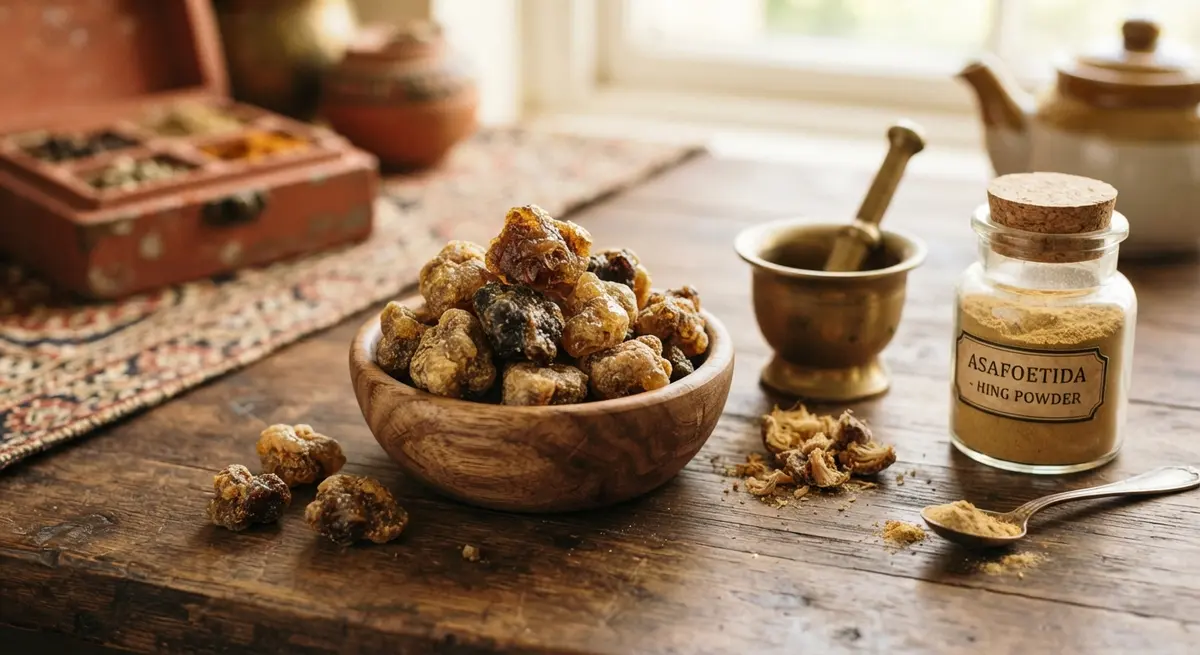
I want to warn you before you ever open a jar of asafoetida, because nobody warned me. It smells dreadful — sulfurous, sharp, like a bad memory of garlic held too long. People joke that it smells like dirty socks, and the joke is not far off. Then you take the barest pinch, drop it into hot oil or ghee, and the whole scent transforms in seconds. That stink becomes a quiet, savory, almost onion-garlic depth that makes lentils taste like they simmered for hours. Indian cooks call it hing, and they have used this trick for centuries.
Flavor Profile & Notes
Asafoetida is the dried gum resin of Ferula assa-foetida, a giant fennel relative from Afghanistan and Iran. Raw, it is dominated by brutal sulfur compounds — that is why the jar demands distance. In hot oil those compounds break down and a softer, leek-like sweetness emerges, with a gentle bitter edge that anchors spicy dishes. The correct amount is astonishingly small: a pinch, or a quarter teaspoon at most. More is not better. It blooms in under a minute, so add it to the oil right after your mustard seeds pop and before the onions go in.
Health Benefits & Nutrition
Traditional Indian cooking has always treated hing as a digestive friend, and the folklore lands on the side of the science: the same sulfur compounds that stink are the ones that stimulate digestive juices, which is why a lentil dish spiked with hing sits easier on a heavy stomach. Lab work has measured antioxidant and antimicrobial activity in the resin. Be plain about it, though — asafoetida is used in amounts too small to matter nutritionally. If you want its digestive reputation to work for you, the dose that helps digestion is the same tiny pinch, cooked, not a swear-word amount raw.
Best Culinary Pairings
Its permanent home is the tadka — the sizzling oil with mustard seeds, cumin, curry leaves, and hing that finishes dals, sambar, and rasam. It is immense in vegetable curries with beans and cauliflower, where it mimics a background of cooked onion without any actual onion. That makes it the quiet hero of Jain and other onion-free vegetarian cooking. A pinch in restaurant-style dal makhani, in potato sabzi, or bloomed in ghee for rice completes half of every Indian menu you have ever enjoyed.
Quick Substitutes
There is no true hing substitute — onion-garlic powder comes closest to the cooked effect. For onion-free cooking, a mix of garlic powder, onion powder, and a shake of celery salt approximates the savory bottom note. If a recipe calls for hing and you skip it, the dish still works; it just loses a layer of depth you may not even notice. That is how confident you can be with this spice: its power is real, but its absence is survivable.
FAQ / Quick Facts
- How long does it keep? Two to three years in a tight jar, since it is a dry resin; heat never bothers it.
- But the smell! The raw aroma is sulfur and the cooked aroma is savory — always fry it in hot oil first, never add it dry mid-simmer.
- Botanical family / Form: Apiaceae (carrot/parsley family); resin gum sold powdered. Best uses: dals, bean dishes, vegetable curries.
Related Articles
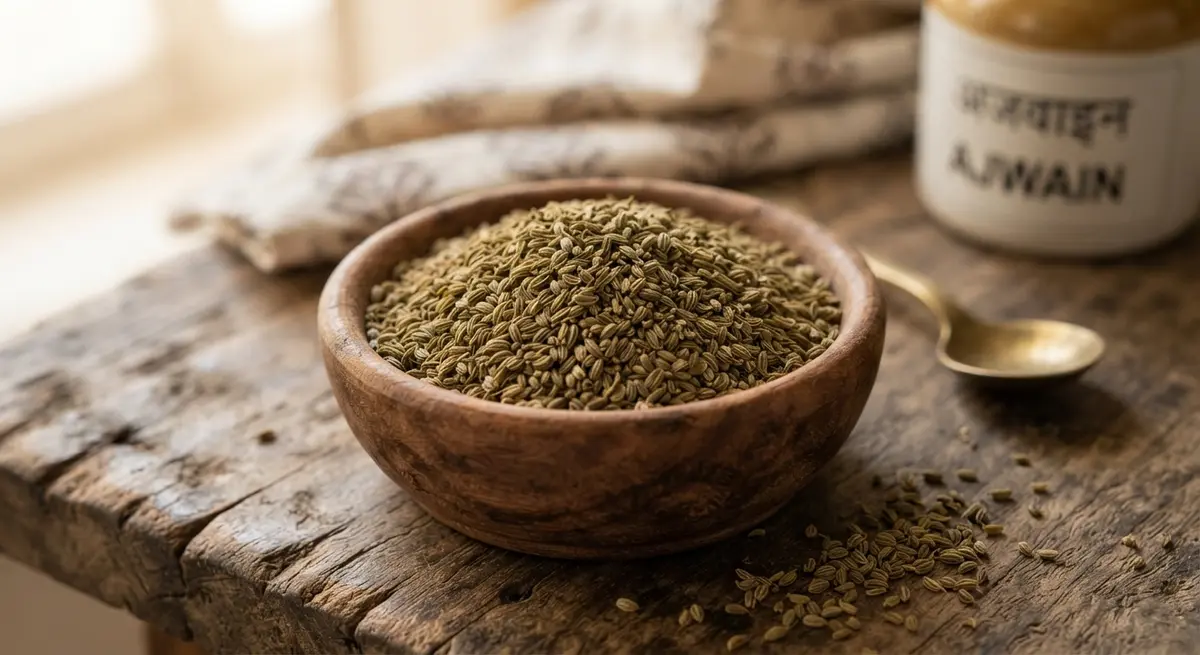
Ajwain (Carom) Seeds: Flavor Profile, Health Benefits & Culinary Uses
A tiny gray-brown seed that tastes like thyme, oregano, and cumin had a baby with a timer fuse. Here is how and why Indian kitchens use ajwain.
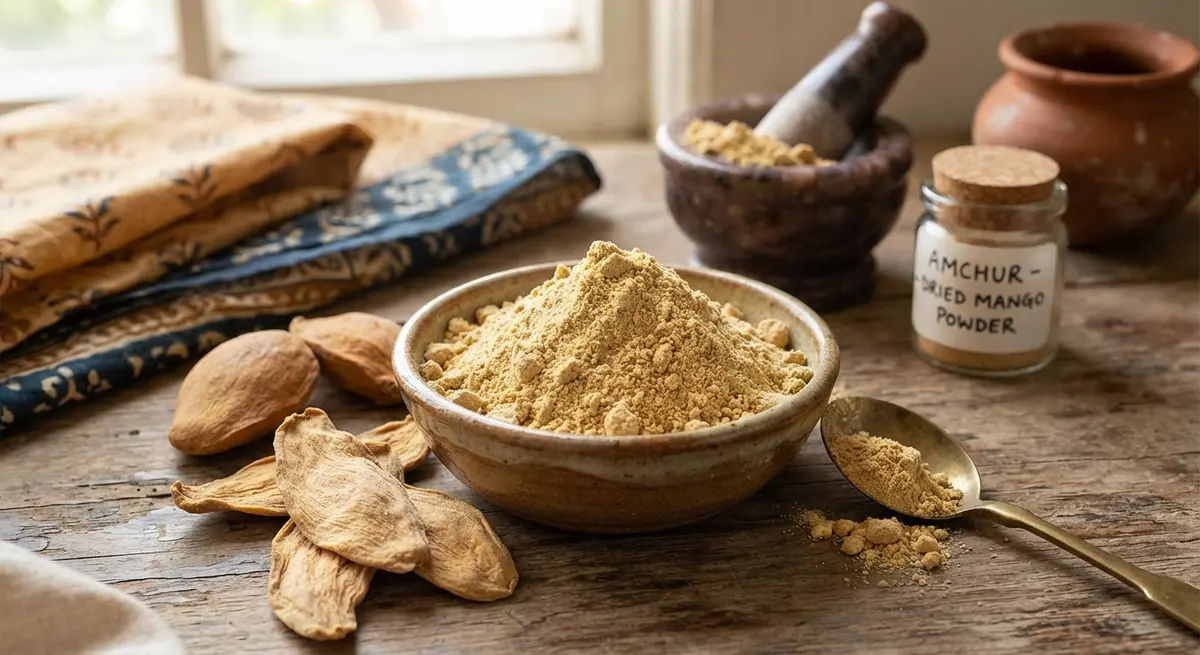
Amchur (Green Mango Powder): Flavor Profile, Health Benefits & Culinary Uses
Powdered green mango that adds bright sour notes without a drop of liquid. Amchur turns snack mixes, dry rubs, and curries tart in one shake.
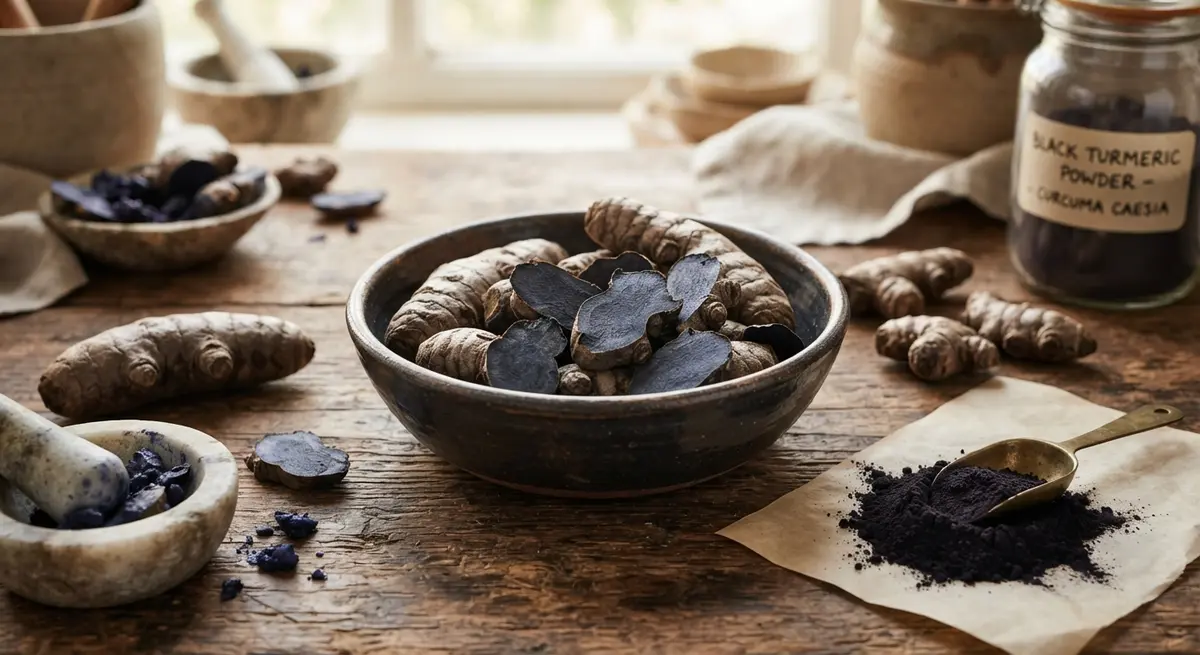
Black Turmeric: Flavor Profile, Health Benefits & Culinary Uses
The wild dark turmeric of eastern India, camphor-strong and almost blue inside: what black turmeric is, how it stuns cooks, and its honest uses in the kitchen.
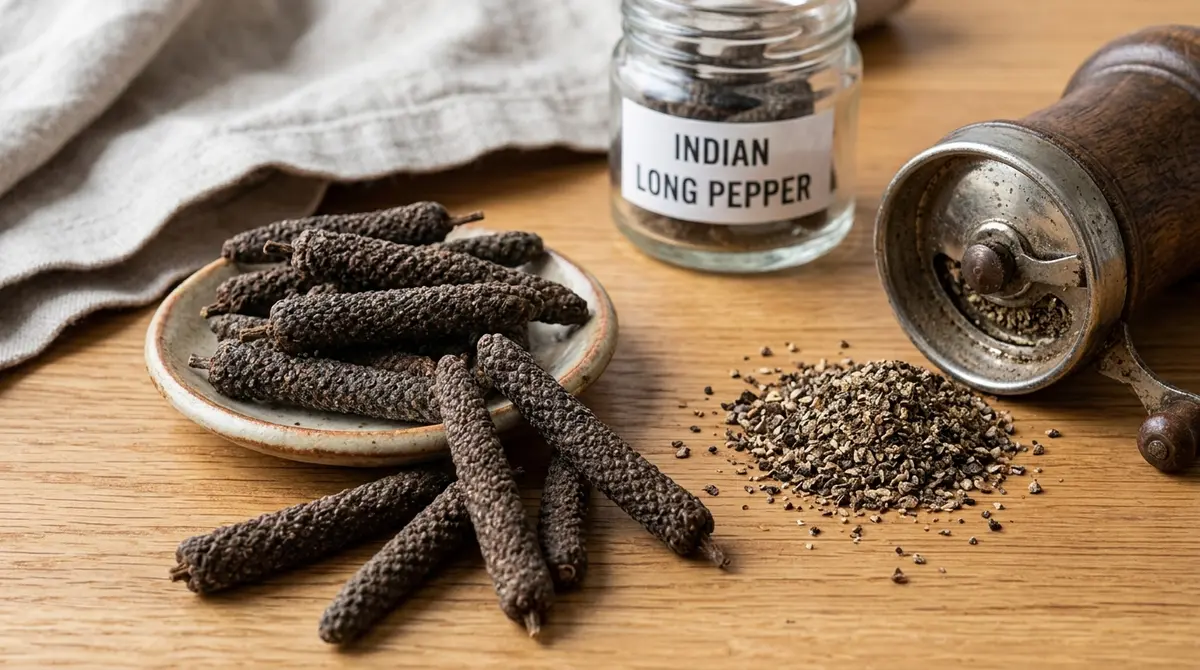
Indian Long Pepper: Flavor Profile, Health Benefits & Culinary Uses
Before black pepper took over Europe, long pepper was the prize, and pippali is still a quiet star in Ayurvedic spice mixes and warming winter dals.
About the Authors
This recipe and guide was developed, tested, and approved in our home kitchen and daily life. Jamy is a retired Food Service District Manager and Early Childhood Program Manager who spent his career overseeing multi-site restaurant operations, large-scale culinary production, and daycare menu management. Kaïna brings the ultimate real-world test: making sure it brings ease and joy to our kids on a busy weeknight.
Read more about our professional background and philosophy →