Italian Seasoning Secrets: Crafting the Ideal Dried Herb Ratio
By the QuiteRecipes team (Jamy & Kaïna)
Commercial Italian seasoning is mostly talk. Own the ratio, with oregano and basil out front and thyme and marjoram behind, and every sauce tastes intentional.
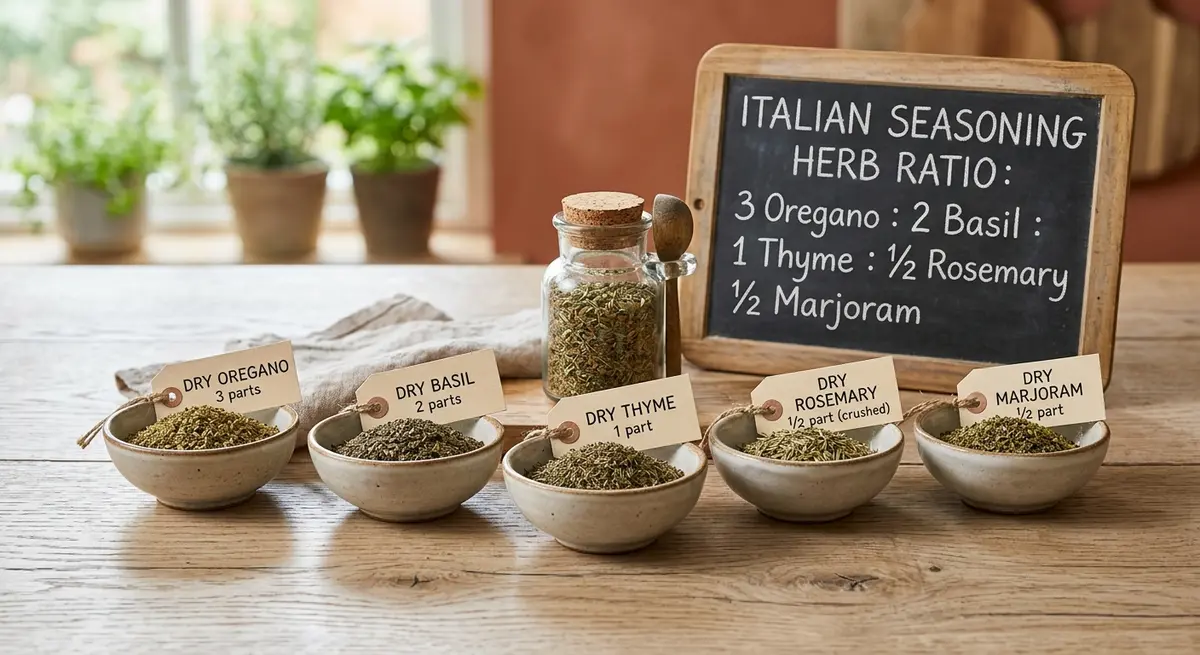
For years I bought Italian seasoning in those little glass jars, and for years it gave my red sauce a vague, dusty shrug. Then I mixed my own from jars already in my pantry and understood immediately: the herb ratio is the whole game. Mine now lives in a wide-mouth jar with a small spoon, and I reach for it almost daily without thinking.
What It Is & Where It Comes From
What the stores call Italian seasoning is essentially a dried-herb chorus built around oregano and basil, with supporting roles for rosemary, thyme, marjoram, and savory, and sometimes a whisper of sage. Think of it less as a single flavor and more as a polite agreement between Mediterranean garden herbs. In many homes the exact mix is personal, some love the piney bite of rosemary, others push thyme forward. The trick is proportions: oregano and basil should dominate, and the woodier herbs should stay modest so they never bully the sauce.
The Blend: Ratios That Work
A balanced starting ratio: 2 parts oregano, 2 parts basil, 1 part thyme, 1 part marjoram, and about 1/2 part rosemary. For one jar, that is 2 tbsp oregano, 2 tbsp basil, 1 tbsp thyme, 1 tbsp marjoram, and 1/2 tbsp rosemary. Use whole-leaf oregano if you can find it; the fluffy leaves smell far fresher than the powdery kind. There is no toasting here, dried herbs need only a clean, dry bowl and a gentle stir to spread the finer bits evenly. Taste a pinch on your tongue; the oregano should come first and basil close behind.
How to Use It
Reach for it anywhere tomato and olive oil live. Add 1 to 1 1/2 tsp to pizza sauce or a simmering tomato sauce early so the herbs soften and meld. Sprinkle 1 tsp over pasta right before serving, or stir 1/2 tsp into each 1/4 cup of vinaigrette. For a quick crostini, brush bread with olive oil and dust with the blend before toasting. Add dried herbs along with liquid rather than to screaming-hot oil, so they plump up instead of scorching.
Variations & Storage
Swap marjoram for extra oregano, or add 1/2 tsp sage for a rustic, Tuscan edge. Savory can stand in for thyme in a pinch. Keep the jar sealed, away from light and steam, and rub a pinch between your fingers every few months; when it no longer smells green, it is time to restock. Dried herbs hold reasonable aroma for about a year, though the charm fades fastest after nine months.
FAQ / Quick Facts
- Why is oregano always first? Because it is the anchor of the classic blend; basil supports it, and thyme and marjoram round out the middle.
- Can I use fresh herbs instead? Yes, but fresh oregano and basil are a different tool; this blend is built for dried pantry herbs.
- Do I need savory? Not strictly; savory appears in many commercial blends, but skipping it changes nothing essential.
- How do I know when it has gone stale? Rub a pinch between your fingers and sniff, hay instead of garden means replace it.
Related Articles
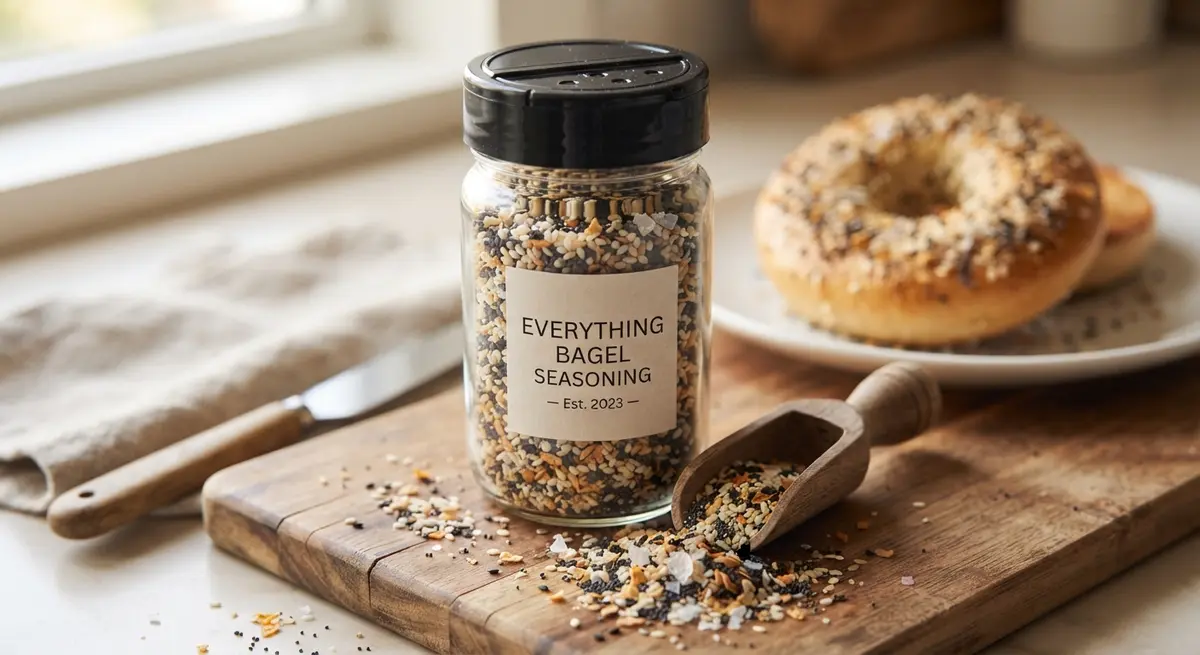
Everything Bagel Seasoning: The Crunch and Flavor Secret Beyond Bread
I first shook this blend onto cream cheese on a lazy Saturday and now it goes on my eggs, my popcorn, and my roasted vegetables. It is dangerously addictive.
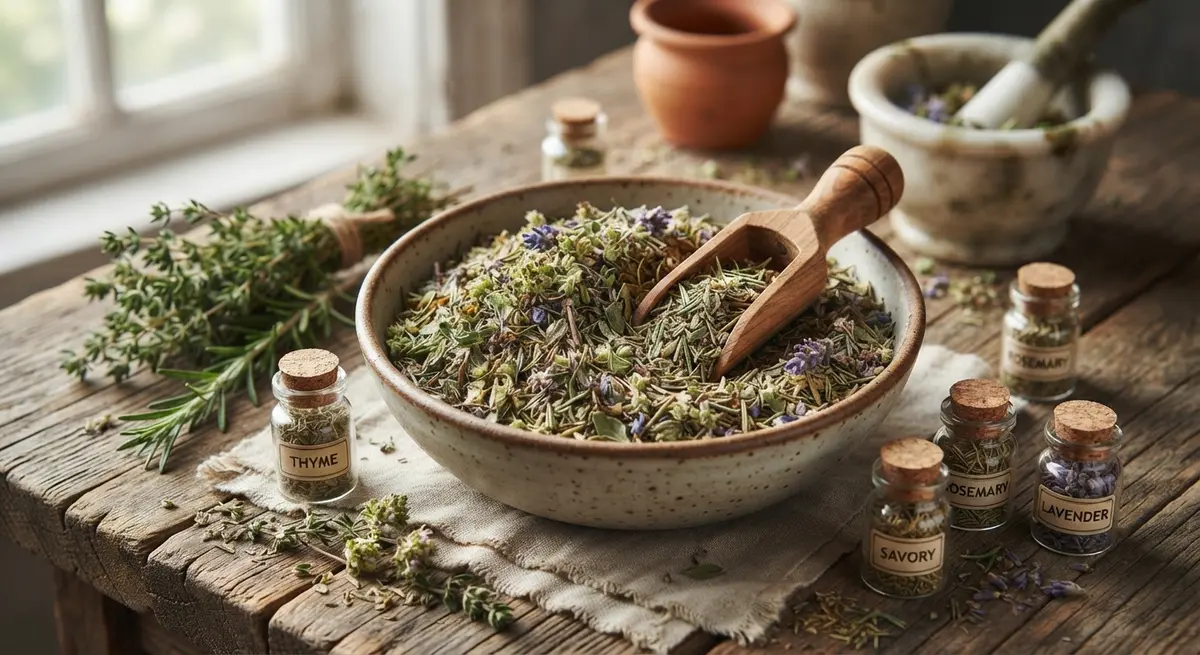
Herbes de Provence: Capturing the Sun-Drenched Flavors of Southern France
I make herbes de Provence the way the market shelves do it in southern France — a jar of thyme, rosemary, and savory sunshine.
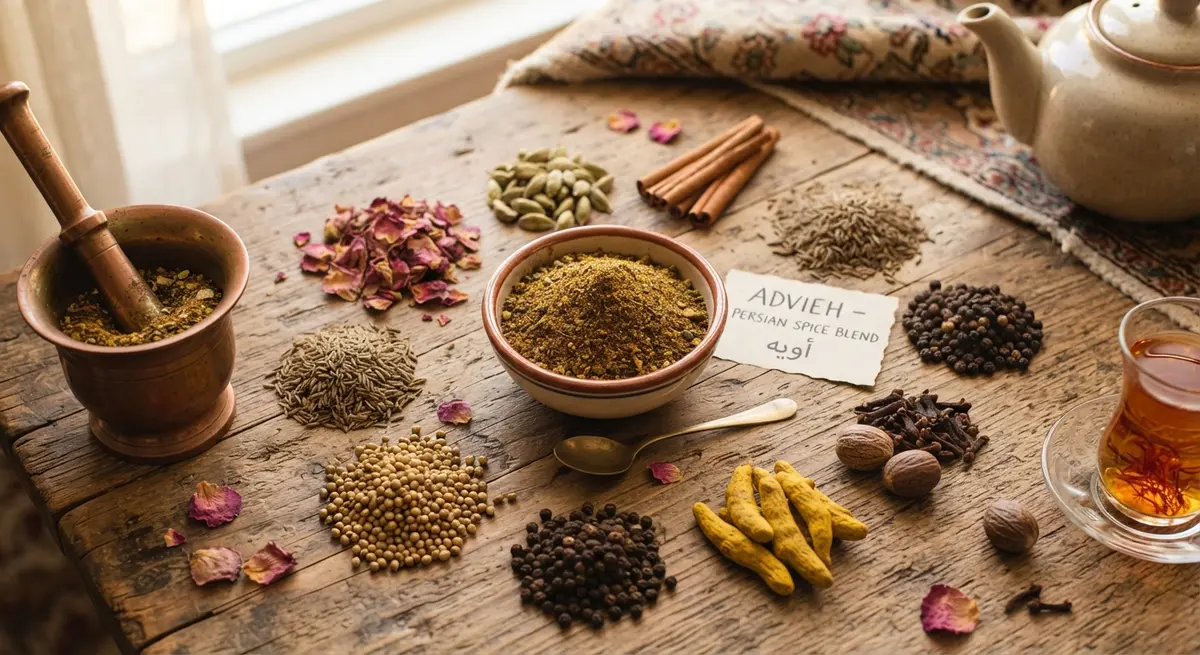
Advieh: Exploring the Aromatic Spice Blends of Persian Cuisine
Cinnamon, cardamom, turmeric, and rose petals in one jar? That is advieh, the Persian blend that turns plain rice into an occasion.
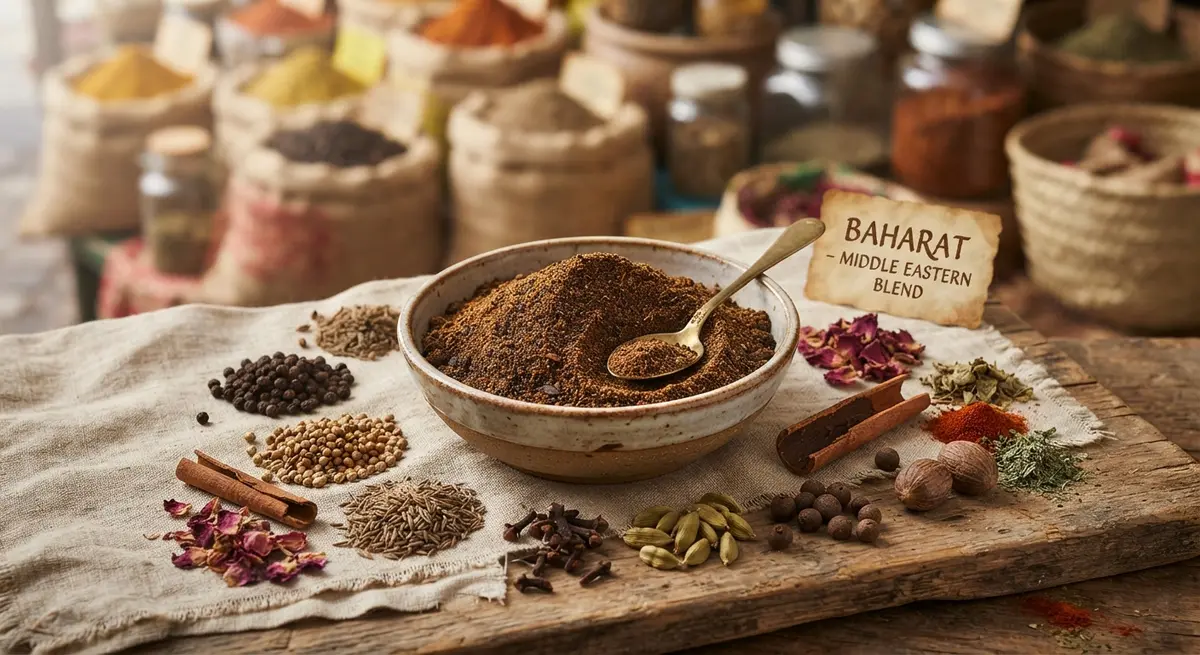
Baharat: The Warm Middle Eastern Blend That Elevates Any Meat Dish
Baharat simply means spices in Arabic, and once you balance the warm ones, it becomes the perfumed hand that lifts your whole plate of meat and rice.
About the Authors
This recipe and guide was developed, tested, and approved in our home kitchen and daily life. Jamy is a retired Food Service District Manager and Early Childhood Program Manager who spent his career overseeing multi-site restaurant operations, large-scale culinary production, and daycare menu management. Kaïna brings the ultimate real-world test: making sure it brings ease and joy to our kids on a busy weeknight.
Read more about our professional background and philosophy →