Herbes de Provence: Capturing the Sun-Drenched Flavors of Southern France
By the QuiteRecipes team (Jamy & Kaïna)
I make herbes de Provence the way the market shelves do it in southern France — a jar of thyme, rosemary, and savory sunshine.
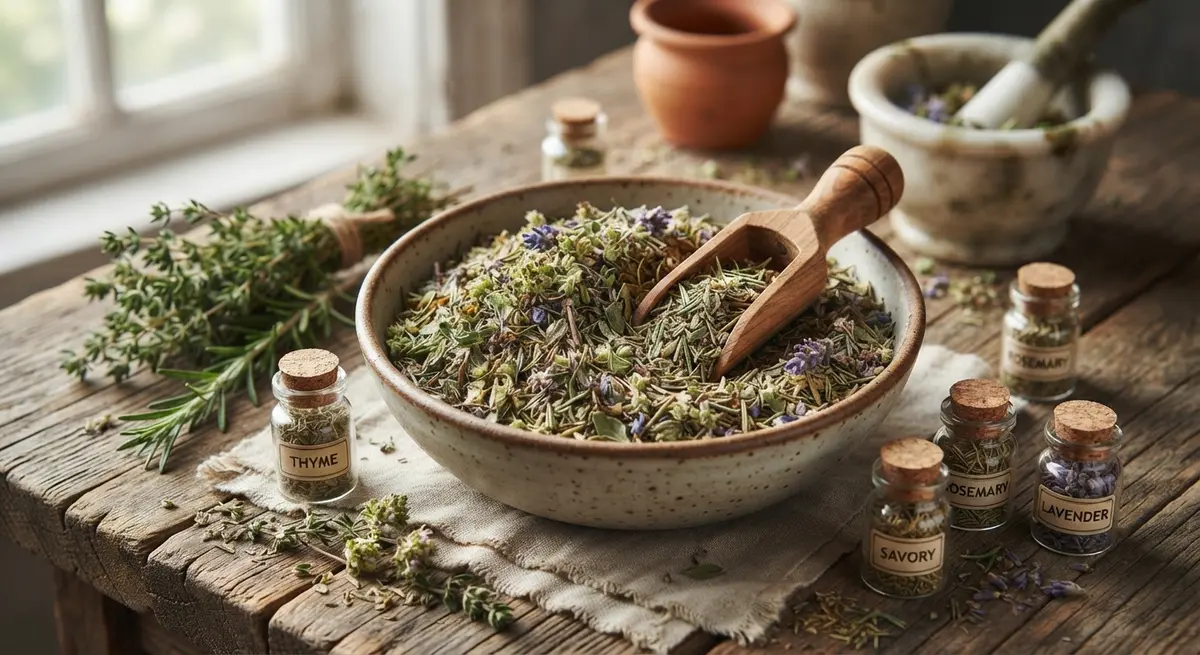
The first time I smelled a jar of herbes de Provence, I felt like I'd been handed a little bag of southern French summer. It's just dried herbs, but something about the combination — especially the savory — makes plain roast potatoes taste like a café lunch. Mine lives in a big jar, and I sprinkle it on almost anything that goes into a hot oven.
What It Is & Where It Comes From
Herbes de Provence is named for the Provence region in southern France, and it started as a market-shelf blend of dried herbs, the sort of thing cooks grab on the way home. Thyme, rosemary, oregano, marjoram, savory (the French call it sarriette), and basil make up the usual cast. Lavender sometimes finds its way in — but plenty of French chefs reject it as perfume, not food. Consider lavender optional, and contested.
The Blend: Ratios That Work
My favorite ratio is 2 tablespoons dried thyme, 2 tablespoons dried rosemary, 1 tablespoon savory, 1 tablespoon marjoram, 1 tablespoon oregano, and 1 teaspoon dried basil. Crush the rosemary lightly between your fingers before mixing so the needles are bite-sized. Stir in 1 teaspoon of dried lavender flowers only if that's your taste — most classic dishes work better without it. That's the whole recipe: dried herbs, one jar, done.
How to Use It
Toss a tablespoon of herbes de Provence with roast potatoes and olive oil before they hit the oven, or rub it over chicken and grilled meats. It's beautiful on any roasted or grilled vegetable, and it melts into olive oil for a quick bread-dipping sauce. Add it early: with roasting, the herbs bloom in the heat, and with anything faster, give them a minute in the pan before the rest of the dish joins.
Variations & Storage
No savory? Bump the thyme up a bit — it won't be the same, but it'll still be lovely. Lavender is easy to skip entirely, and rosemary lovers should feel free to double it. Use fresh herbs if you must, but dried herbs give you that concentrated, sun-drenched character and a long shelf life. Store in an airtight jar in a cool, dark spot; best within about six months, and sniff it before use — if the aroma is gone, it's time to mix a fresh batch.
FAQ / Quick Facts
- Does herbes de Provence have to include lavender? No — many French chefs reject it, and the classic dishes work perfectly without it.
- Is savory important? Yes — sarriette gives the blend its peppery, slightly bitter bite, and it's hard to replace one-for-one.
- How should I use it? With roast potatoes, grilled meats, and vegetables, plus olive oil for dipping — add it early in cooking.
- How long does it keep? About six months in an airtight jar in a cool, dark cupboard, like most dried-herb blends.
Related Articles
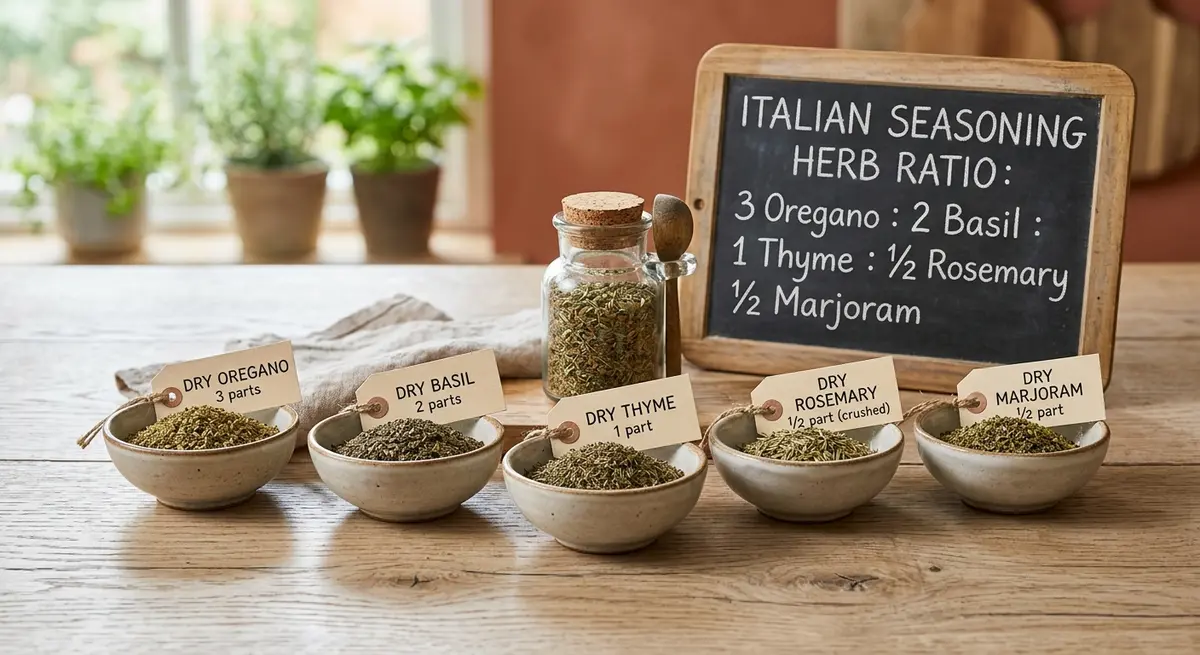
Italian Seasoning Secrets: Crafting the Ideal Dried Herb Ratio
Commercial Italian seasoning is mostly talk. Own the ratio, with oregano and basil out front and thyme and marjoram behind, and every sauce tastes intentional.
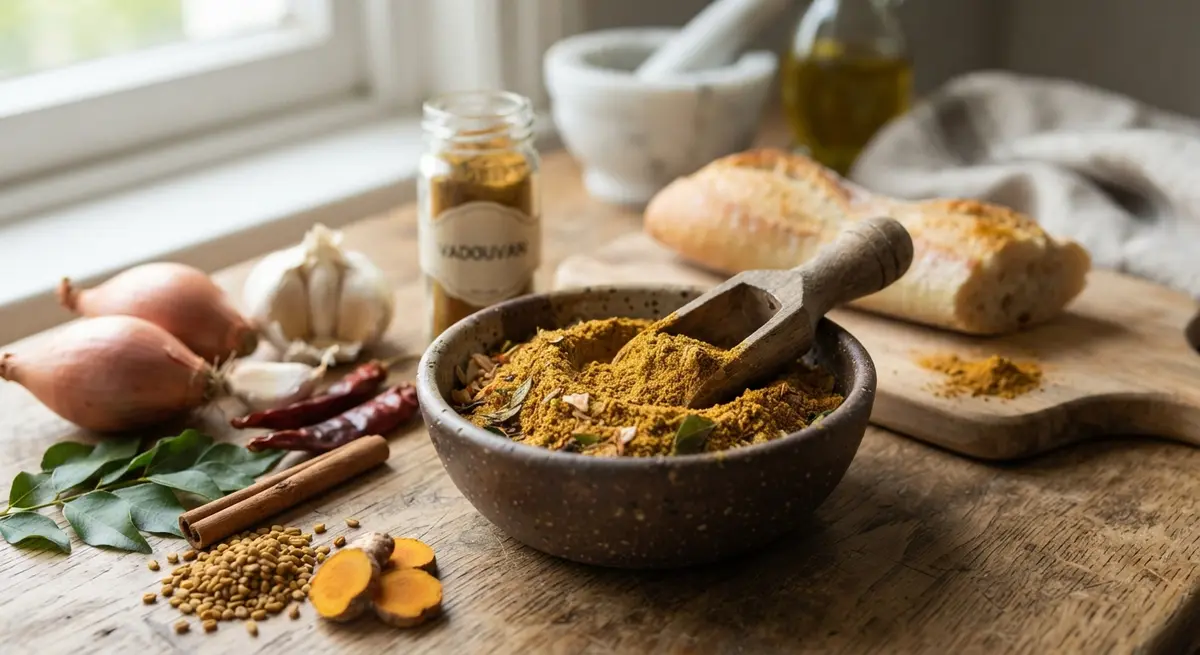
Vadouvan Curry: How to Create a French Twist on Indian Flavors
I first called it curry because it smelled like one, but vadouvan is really its own quiet thing. Slow roasting is what makes it special.
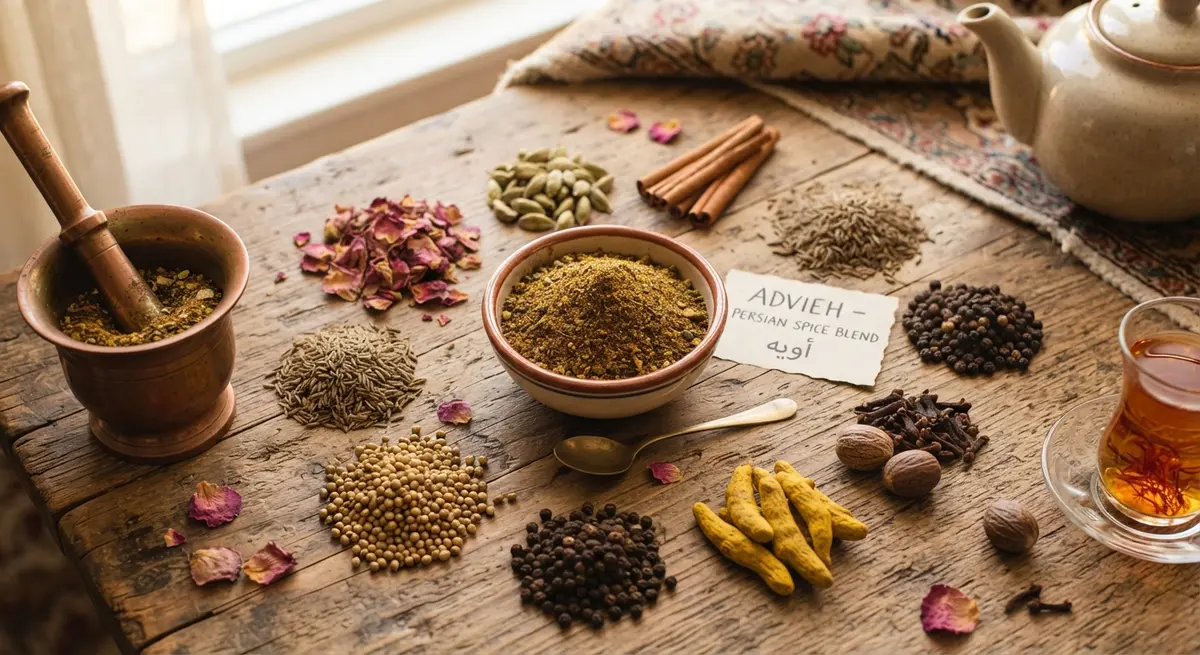
Advieh: Exploring the Aromatic Spice Blends of Persian Cuisine
Cinnamon, cardamom, turmeric, and rose petals in one jar? That is advieh, the Persian blend that turns plain rice into an occasion.
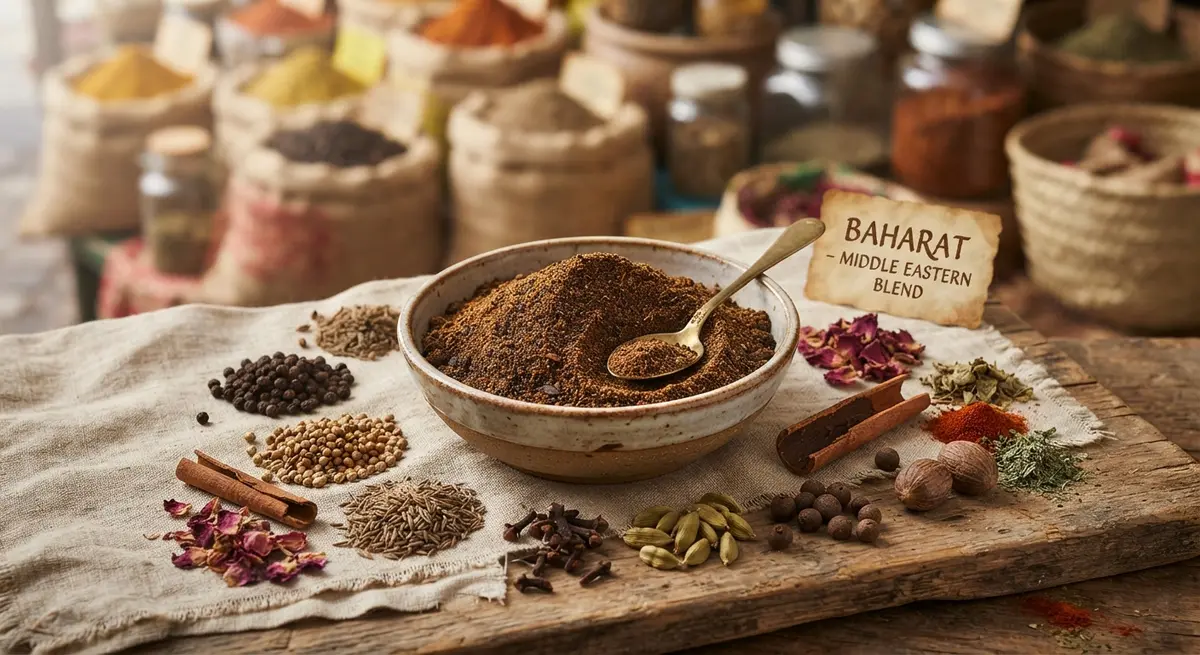
Baharat: The Warm Middle Eastern Blend That Elevates Any Meat Dish
Baharat simply means spices in Arabic, and once you balance the warm ones, it becomes the perfumed hand that lifts your whole plate of meat and rice.
About the Authors
This recipe and guide was developed, tested, and approved in our home kitchen and daily life. Jamy is a retired Food Service District Manager and Early Childhood Program Manager who spent his career overseeing multi-site restaurant operations, large-scale culinary production, and daycare menu management. Kaïna brings the ultimate real-world test: making sure it brings ease and joy to our kids on a busy weeknight.
Read more about our professional background and philosophy →