Baharat: The Warm Middle Eastern Blend That Elevates Any Meat Dish
By the QuiteRecipes team (Jamy & Kaïna)
Baharat simply means spices in Arabic, and once you balance the warm ones, it becomes the perfumed hand that lifts your whole plate of meat and rice.
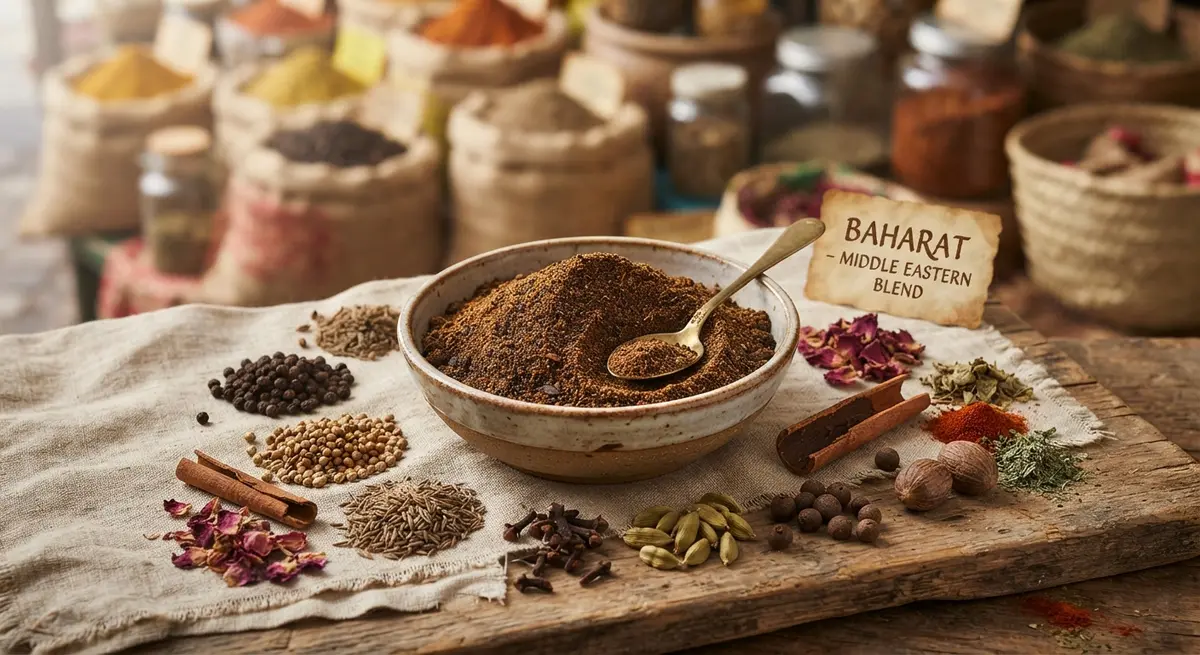
The word baharat is simply Arabic for spices, which tells you how at home this blend is in everyday Middle Eastern cooking. The first time I stirred a teaspoon into simmering lamb, the room changed, cinnamon and cardamom reaching for each other across the stove. Mine stays in a jar labeled in permanent marker, because I reach for it far more often than I planned.
What It Is & Where It Comes From
Baharat is the warm, aromatic blend that travels from Turkey through the Levant to the Gulf, and like most beloved blends it varies from city to city and family to family. The common backbone is black pepper, coriander, cumin, cinnamon, cloves, cardamom, and nutmeg, with paprika often added for color, roundness, and a soft warmth. The result smells the way a spice market does at noon. Its natural partners are lamb and beef, whether in kebabs, meatballs, or slow stews, but it slips just as happily into rice, soups, and roasted vegetables.
The Blend: Ratios That Work
For a generous half cup, try: 2 tbsp ground black pepper, 2 tbsp ground coriander, 1 tbsp ground cumin, 2 tsp ground cinnamon, 1 tsp ground cloves, 1 tsp ground cardamom, 1/2 tsp ground nutmeg, and 2 tbsp paprika for color. If you want the best version, toast whole coriander and cumin seeds in a dry skillet for a minute until fragrant, cool, and grind them with the rest. Whisk well, since cinnamon and clove love hiding in pockets. Taste a pinch; it should feel warm and floral before it feels hot, and you can adjust the pepper to suit your crowd.
How to Use It
Work it into ground lamb or beef before shaping kebab and meatballs, about 1 1/2 tsp per pound. Stir 1-2 tsp into a tomato-based stew early so the spices bloom, or swirl 1 tsp into rice with the cooking water. In soups, add baharat near the end so the aromatics do not boil away. Start with less than you think; cloves and cinnamon can take over if you are generous.
Variations & Storage
Some families brighten the blend with a little ground ginger or a pinch of turmeric; others dial the cloves back when they find them medicinal. Store in an airtight jar away from heat and light, about 6 months of peak aroma, then a softer but still useful blend. If you grind whole spices instead of buying ground, the jar keeps even longer, so grind what you need and spin fresh.
FAQ / Quick Facts
- Is baharat the same everywhere? No, it varies from Turkey through the Levant to the Gulf, so every jar tastes like its home region.
- What takes it best? Lamb and beef, especially kebabs, meatballs, and slow stews, with rice and soups close behind.
- How much should I use? About 1 1/2 tsp per pound of meat, or about 1 tsp in rice or soup, so start small and taste.
- Can I make it spicier? Easily; a pinch of cayenne or Aleppo pepper brightens it without breaking the balance.
Related Articles
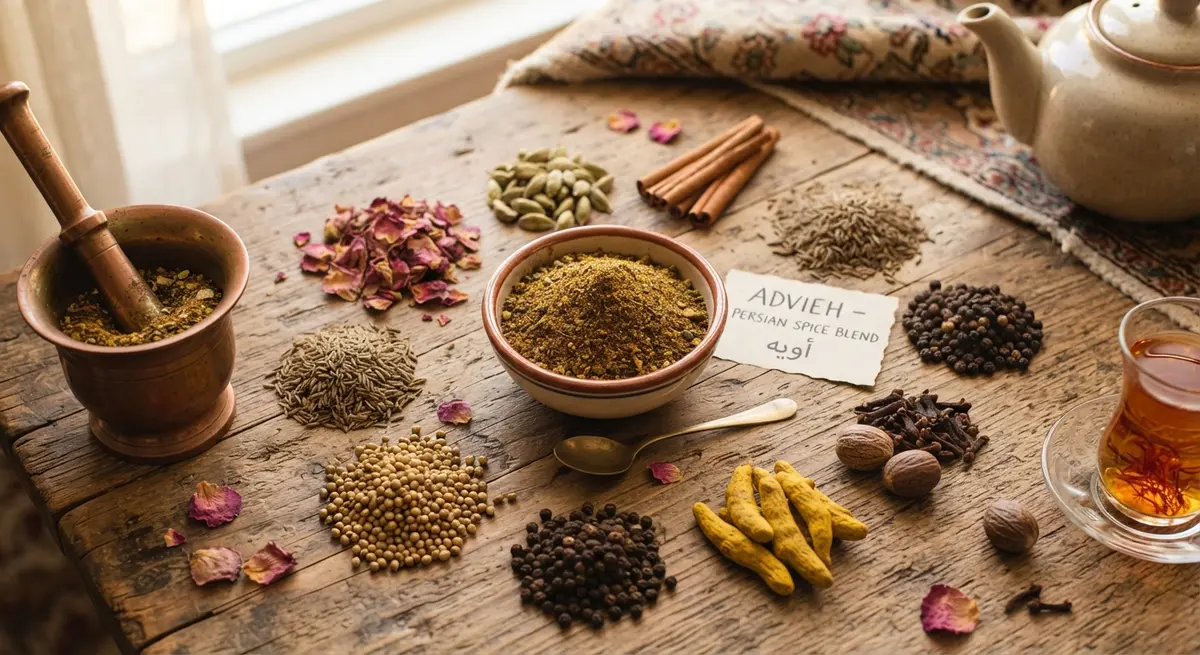
Advieh: Exploring the Aromatic Spice Blends of Persian Cuisine
Cinnamon, cardamom, turmeric, and rose petals in one jar? That is advieh, the Persian blend that turns plain rice into an occasion.
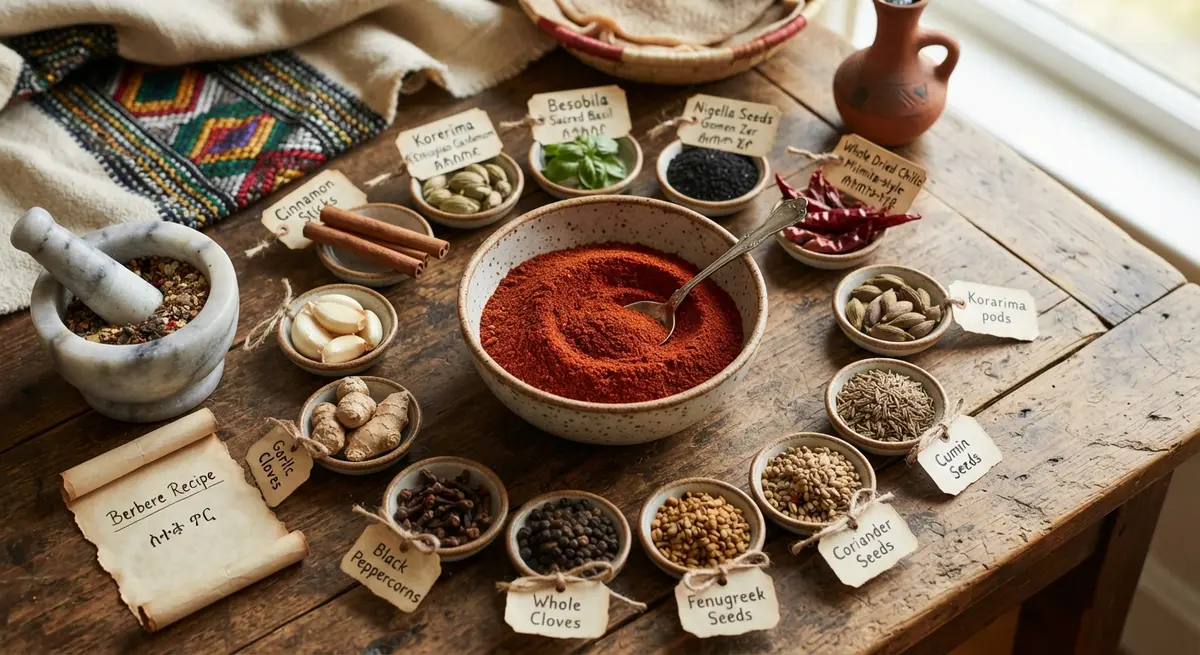
Berbere: The Fiery, Complex Ethiopian Spice Blend Explained
Berbere is the heartbeat of Ethiopian stews like doro wat. Once you blend it, a spoonful of oil turns a plain onion into dinner.
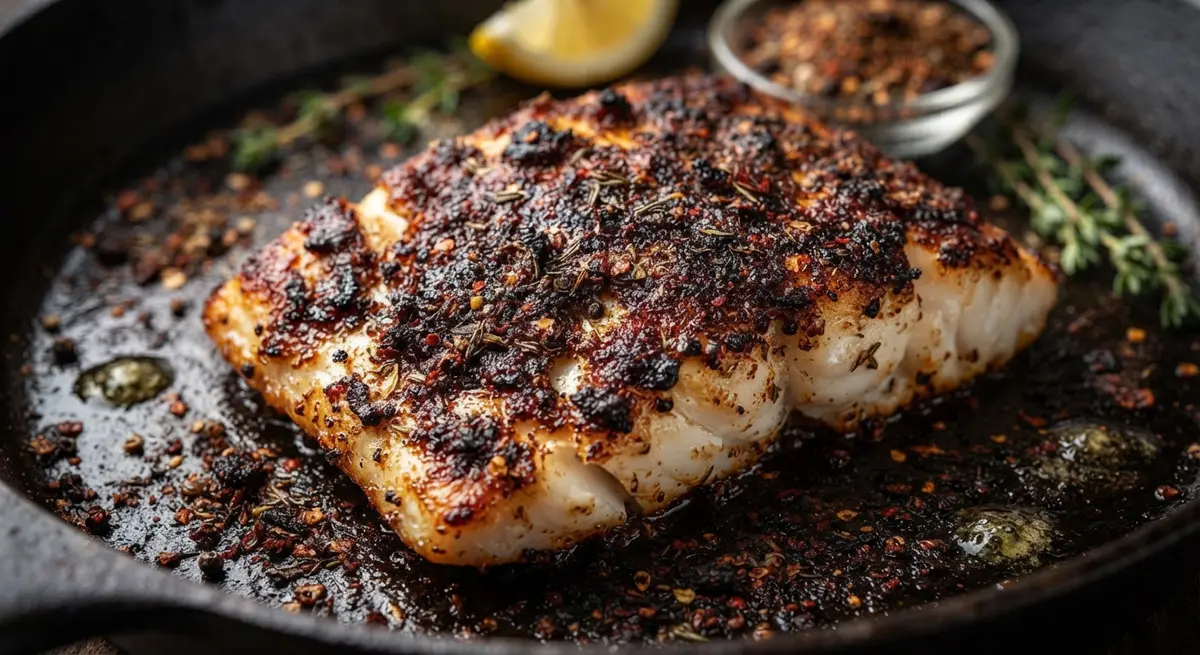
Blackened Seasoning: How to Get That Crust Without Burning Your Spices
I ruined my first three attempts at blackening before I learned the technique matters more than the mix. Now I get that crust every time.
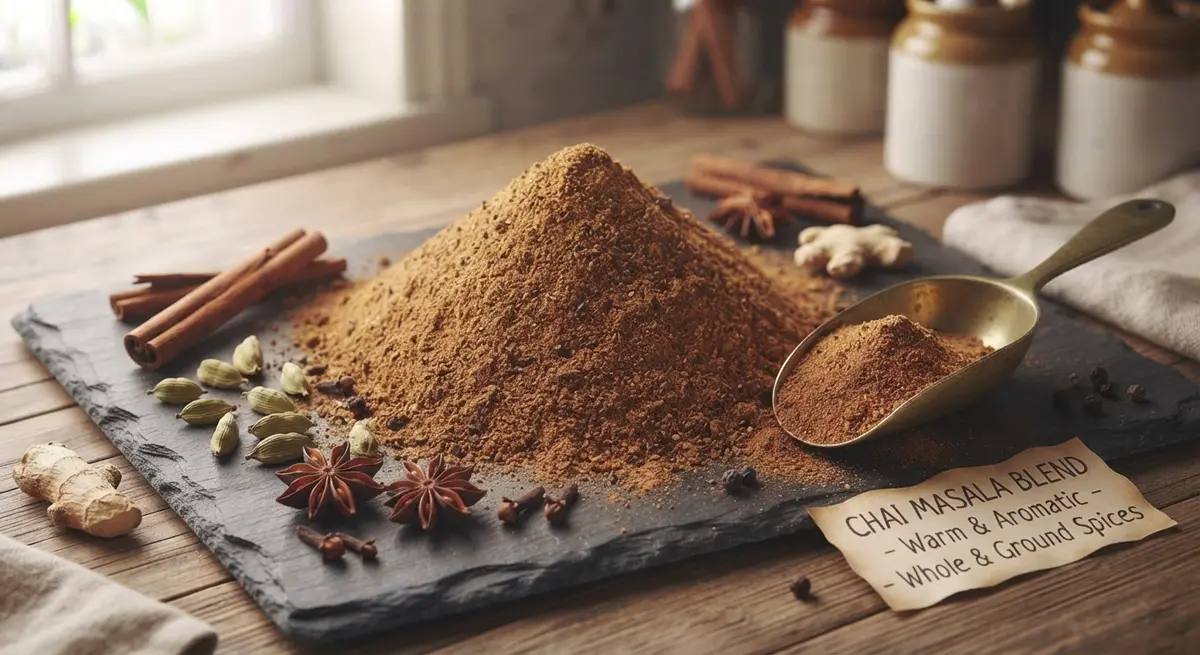
Chai Masala Blend: Crafting the Ultimate Warm Tea Spice Mix
Green cardamom leads, cinnamon follows, and ginger, clove, and pepper keep it warm. Steep your own masala chai any afternoon.
About the Authors
This recipe and guide was developed, tested, and approved in our home kitchen and daily life. Jamy is a retired Food Service District Manager and Early Childhood Program Manager who spent his career overseeing multi-site restaurant operations, large-scale culinary production, and daycare menu management. Kaïna brings the ultimate real-world test: making sure it brings ease and joy to our kids on a busy weeknight.
Read more about our professional background and philosophy →