Berbere: The Fiery, Complex Ethiopian Spice Blend Explained
By the QuiteRecipes team (Jamy & Kaïna)
Berbere is the heartbeat of Ethiopian stews like doro wat. Once you blend it, a spoonful of oil turns a plain onion into dinner.
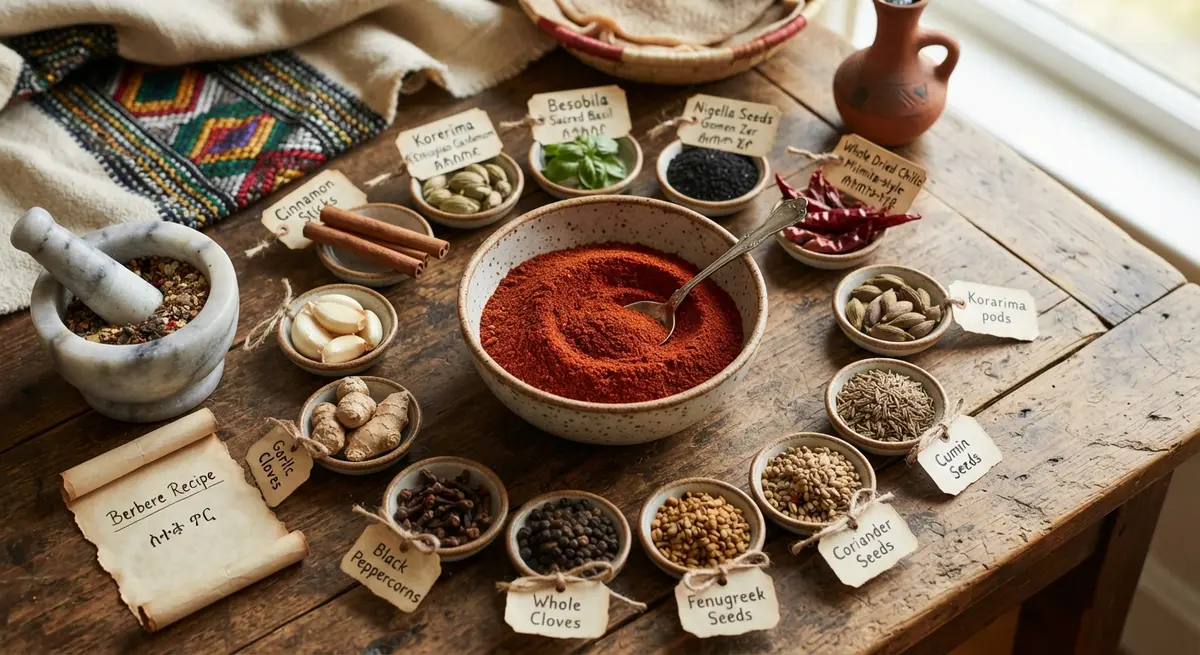
The first time I made doro wat, I understood why Ethiopian cooks treat berbere with such reverence. I had bought a vivid red blend from a spice shop, watched it bloom in a pan of warm onions and garlic, and suddenly the whole kitchen smelled like a slow Sunday. Now mine lives in a jar on the counter, and it is rarely full for long.
What It Is & Where It Comes From
Berbere is the fiery, complex spice blend at the base of many Ethiopian wats and stews, most famously doro wat, the chicken-and-egg stew served over injera bread. Recipes vary from region to region and home to home, but the anchor is hot dried red chilies, usually paired with paprika, dried ginger, coriander, fenugreek, cardamom, cloves, black pepper, allspice, and nutmeg. Some versions reach for cinnamon or ajwain, and the heat swings from gently warm to genuinely fiery depending on who is doing the grinding. What holds it together is how it is used: in many homes, berbere is first bloomed in hot oil with onion and garlic to build the base of a stew.
The Blend: Ratios That Work
There is no single authoritative ratio, but a dependable one for about half a cup: 3 tbsp ground dried red chilies and 1 tbsp paprika for color. Follow with 2 tsp ground dried ginger, 2 tsp coriander, 1 tsp fenugreek, 1 tsp cardamom, 1 tsp black pepper, 1/2 tsp ground cloves, 1/2 tsp allspice, and 1/2 tsp nutmeg. Toast the whole seeds, fenugreek, coriander, and cardamom, in a dry skillet over medium heat until fragrant, cool them, then grind; pre-ground spices simply get whisked. Taste before you commit, because a teaspoon of chili is far easier to add than to remove.
How to Use It
Use berbere the Ethiopian way: warm 2-3 tbsp of oil or butter in a pot, add minced onion and garlic, then stir in 1-2 tbsp of berbere and let it bloom for about a minute before adding chicken or vegetables and liquid. Start with 1 tbsp per batch of stew; it is stronger than it looks. You can also rub it onto chicken before roasting, or stir a teaspoon into simmering lentils for a deep, earthy note.
Variations & Storage
Make it milder by cutting the chilies and leaning on paprika; make it rounder with a pinch of cinnamon, since some versions include it. If fenugreek is missing from your shelf, skip it rather than swap in something unrelated. Keep the blend in an airtight jar away from heat and light; it stays aromatic for about 4-6 months, though the flavor will deepen, not dull, as it rests.
FAQ / Quick Facts
- Is berbere always extremely hot? No, the heat ranges from mild to fiery depending on how much dried chili a given recipe calls for.
- Do I have to bloom it in oil? In many homes that step is standard because warm oil mellows the chilies and wakes up the warm spices before any liquid goes in.
- What is doro wat? It is the famous Ethiopian chicken-and-egg stew, and berbere is its defining base layer.
- Can I swap the dried chilies? Yes, any dried red chili works; milder ones simply lower the heat while keeping the character.
Related Articles
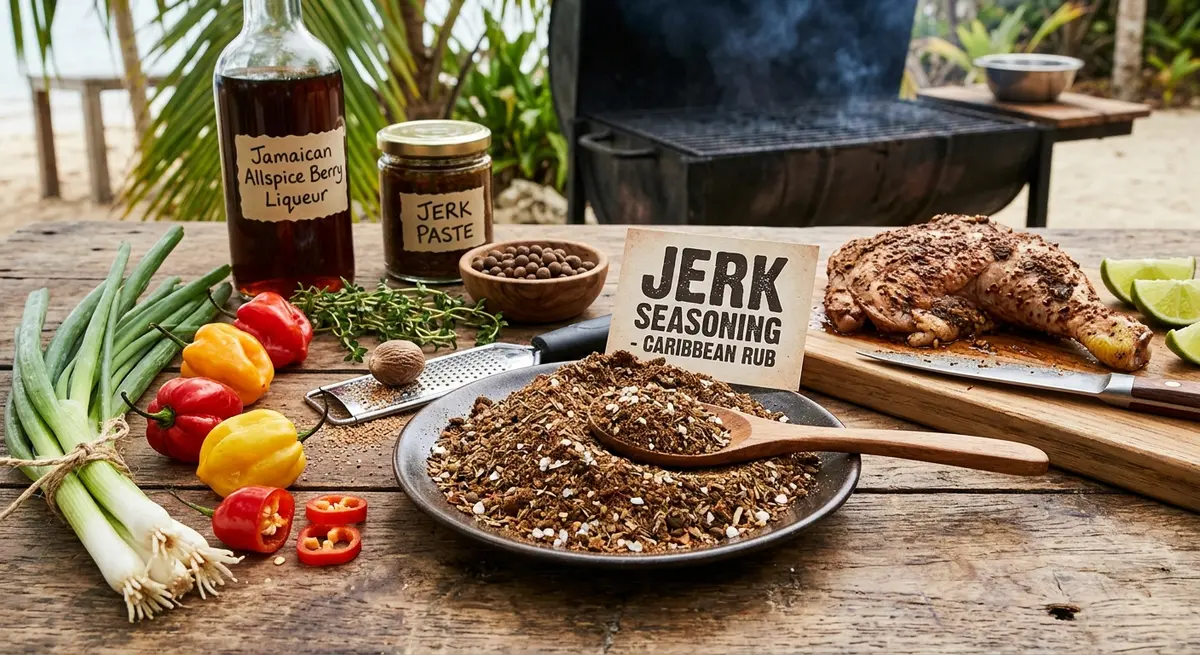
Jerk Seasoning: Balancing Heat, Smoke, and Sweetness in a Caribbean Rub
Jerk leans on the pimento, the allspice berry, with Scotch bonnets, thyme, and smoke. Balance heat and sweetness and your grill smells like Jamaica.
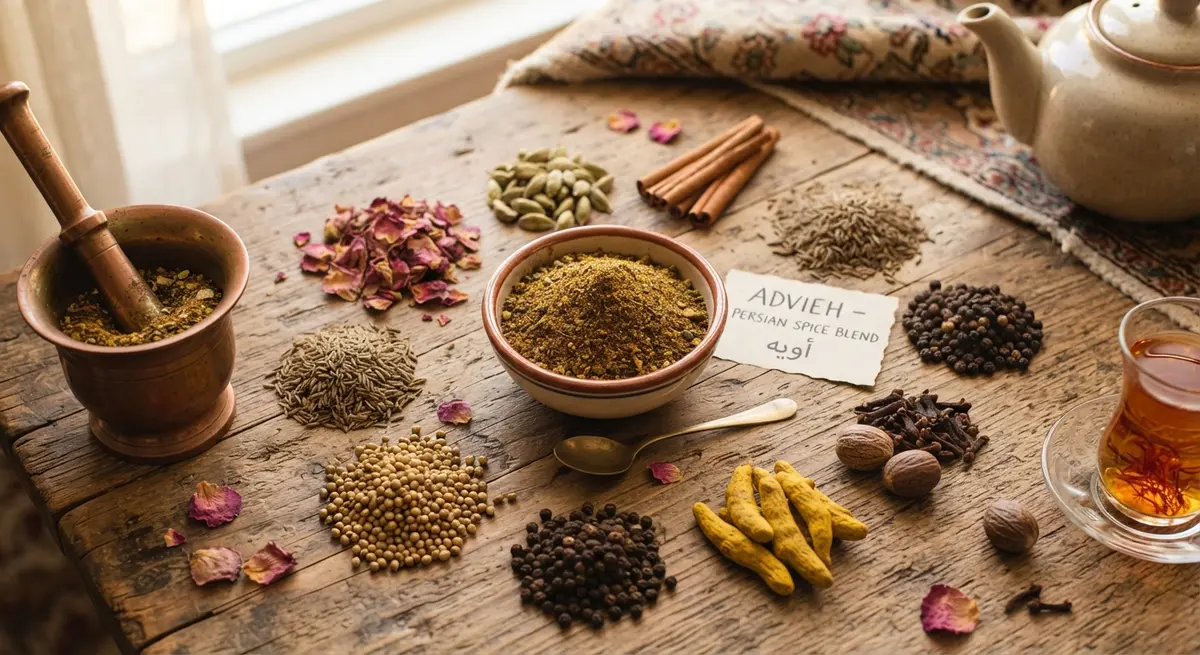
Advieh: Exploring the Aromatic Spice Blends of Persian Cuisine
Cinnamon, cardamom, turmeric, and rose petals in one jar? That is advieh, the Persian blend that turns plain rice into an occasion.
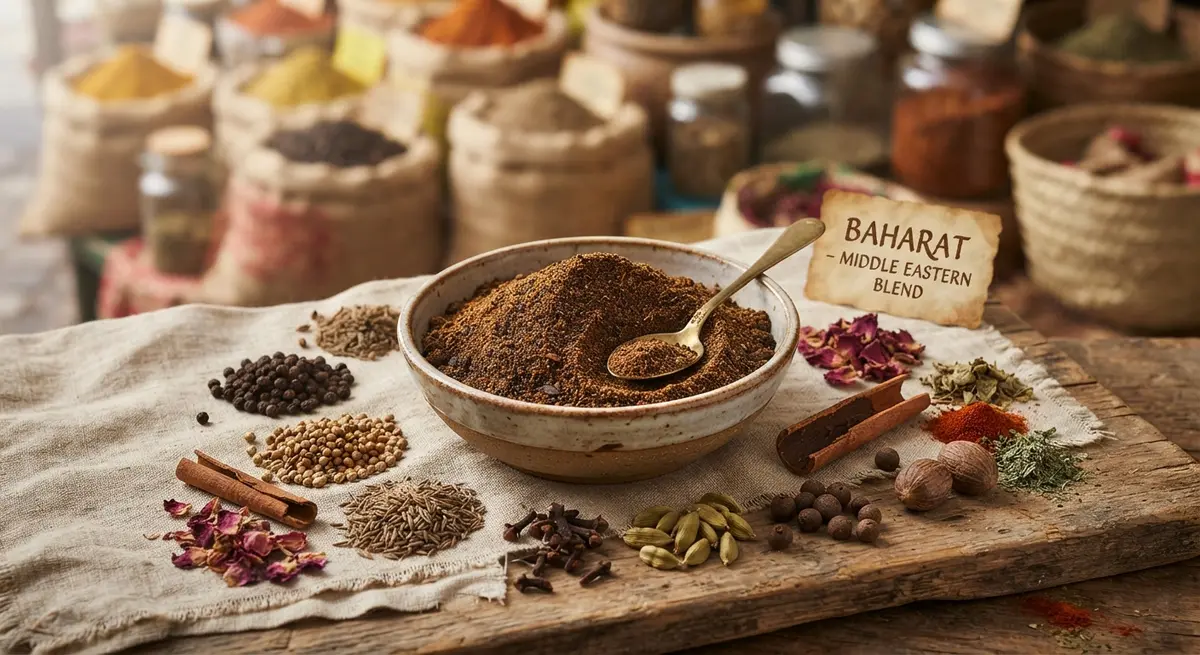
Baharat: The Warm Middle Eastern Blend That Elevates Any Meat Dish
Baharat simply means spices in Arabic, and once you balance the warm ones, it becomes the perfumed hand that lifts your whole plate of meat and rice.
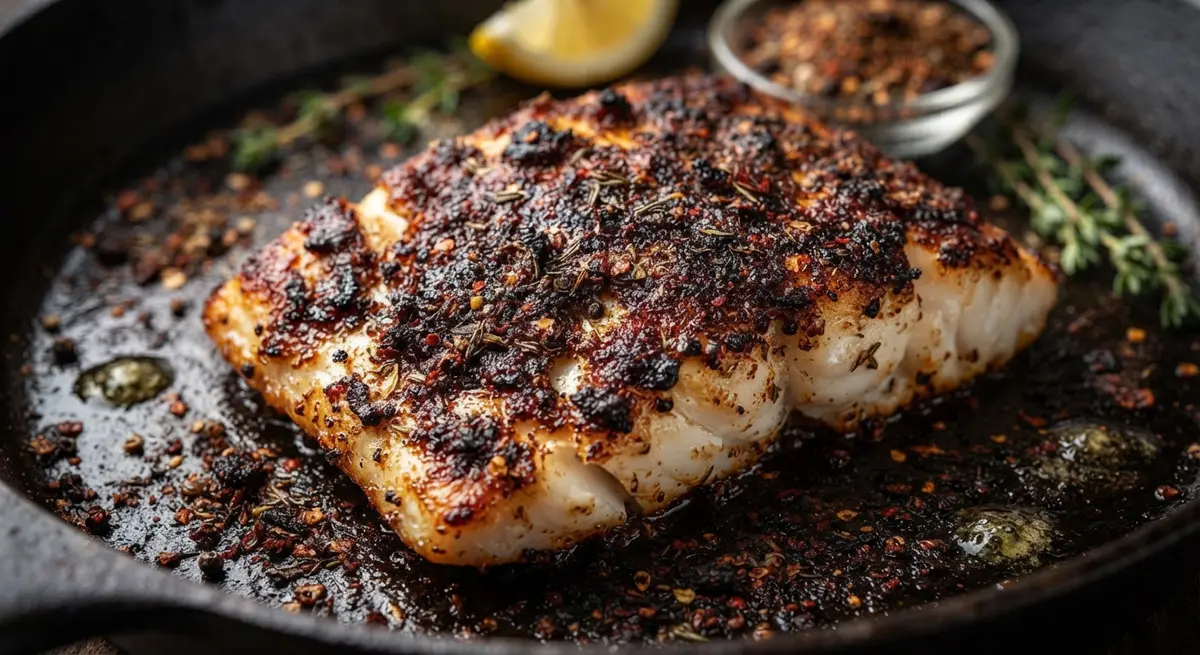
Blackened Seasoning: How to Get That Crust Without Burning Your Spices
I ruined my first three attempts at blackening before I learned the technique matters more than the mix. Now I get that crust every time.
About the Authors
This recipe and guide was developed, tested, and approved in our home kitchen and daily life. Jamy is a retired Food Service District Manager and Early Childhood Program Manager who spent his career overseeing multi-site restaurant operations, large-scale culinary production, and daycare menu management. Kaïna brings the ultimate real-world test: making sure it brings ease and joy to our kids on a busy weeknight.
Read more about our professional background and philosophy →