Blackened Seasoning: How to Get That Crust Without Burning Your Spices
By the QuiteRecipes team (Jamy & Kaïna)
I ruined my first three attempts at blackening before I learned the technique matters more than the mix. Now I get that crust every time.
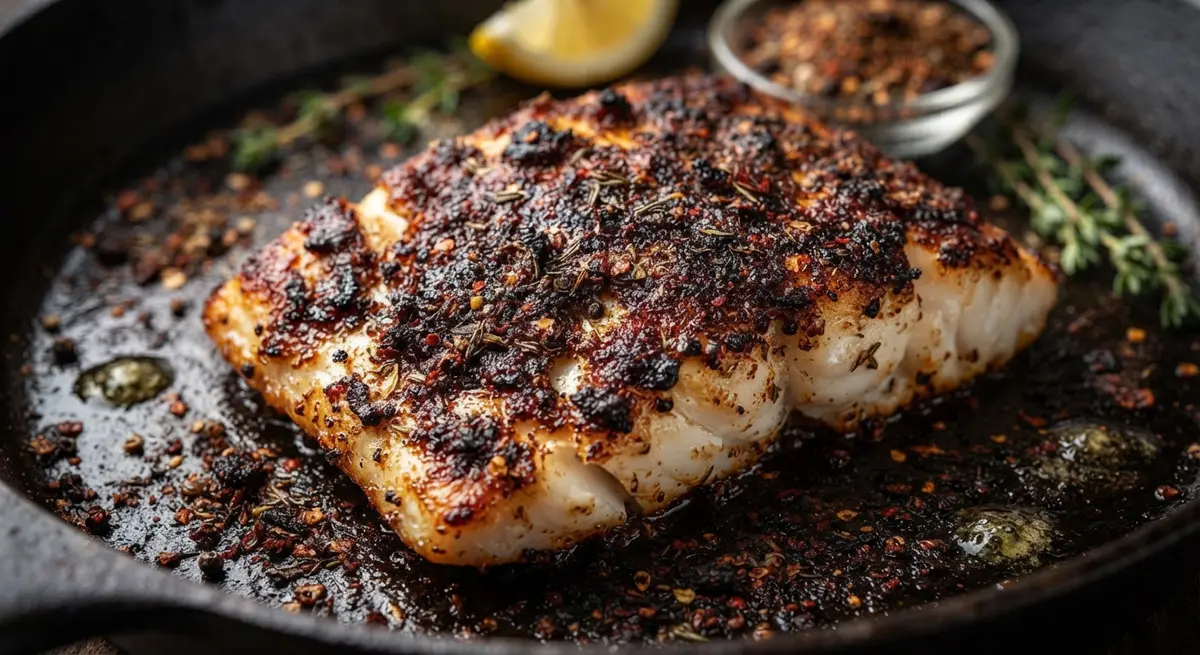
I ruined my first three attempts at blackening before I learned the technique matters more than the mix. The spice blend is only half the story, and the other half is heat, butter, and confidence. Now I get that dark, flavorful crust every single time without the bitter smoke.
What It Is & Where It Comes From
Blackening is a New Orleans cooking technique popularized in the 1980s, associated with restaurant cooking by chefs like Paul Prudhomme. It involves coating fish or meat generously in a paprika-cayenne-herb seasoning, then searing it in a smoking-hot cast-iron skillet with butter. The seasoning base is paprika, cayenne, black or white pepper, dried thyme, oregano, garlic, and onion. The goal is a dark, flavorful crust from char and spice, not burnt bitterness. The technique is as important as the seasoning itself.
The Blend: Ratios That Work
This recipe makes about a third of a cup, enough for four generous servings.
- 2 tablespoons paprika
- 1 teaspoon cayenne
- 1 teaspoon black pepper
- 1 teaspoon white pepper
- 1 tablespoon dried thyme
- 1 tablespoon dried oregano
- 1 teaspoon garlic powder
- 1 teaspoon onion powder
- 1 teaspoon fine sea salt
Mix everything together thoroughly. The white pepper is traditional in New Orleans cooking and adds a different kind of heat than black pepper, though you can use all black if that is what you have. The key to the blend is balance between the sweet paprika base and the cayenne heat, with the herbs adding complexity.
How to Use It
Pat your fish or meat completely dry, then coat it generously on all sides with the seasoning. Press the seasoning into the surface so it adheres. Let the coated protein rest for about 10 minutes before cooking so the spices hydrate slightly and bond to the surface.
Heat a cast-iron skillet over high heat until it is very hot, almost smoking. Add a tablespoon of clarified butter or a high-smoke-point oil. Lay your seasoned protein in the pan and cook for 2 to 3 minutes per side without moving it. The crust should form quickly and be deeply dark and fragrant. Move fast and do not crowd the pan. This method works beautifully on redfish, catfish, chicken breast, and shrimp.
Variations & Storage
For a milder version, reduce the cayenne to half a teaspoon and increase the paprika slightly. Add a half teaspoon of dried lemon zest for a brighter, more citrusy crust on fish. Swap part of the paprika for smoked paprika for a deeper, smokier char flavor.
Store the dry blend in an airtight jar away from light. It keeps its potency for about four to five months. Make small batches so the dried herbs stay bright, as thyme and oregano lose their character over time.
FAQ / Quick Facts
- Is blackening the same as burning? No. Blackening creates a dark, flavorful crust from charred spice and butter. Burnt food is bitter from overcooking the food itself.
- Do I need a cast-iron skillet? Cast iron holds heat best and is traditional, but any heavy-bottomed skillet that can handle very high heat will work.
- What butter should I use? Clarified butter or ghee is ideal because it has a higher smoke point than regular butter and will not burn as easily.
- Can I blacken vegetables? Yes, thick-cut cauliflower steaks, zucchini, and bell peppers respond beautifully to the blackening technique.
Related Articles
How to Mix the Perfect Salt-Free Cajun Seasoning for Heart Health
I stopped buying Cajun seasoning the week I read the sodium label. Making my own means I get the heat and the heart-friendly part.
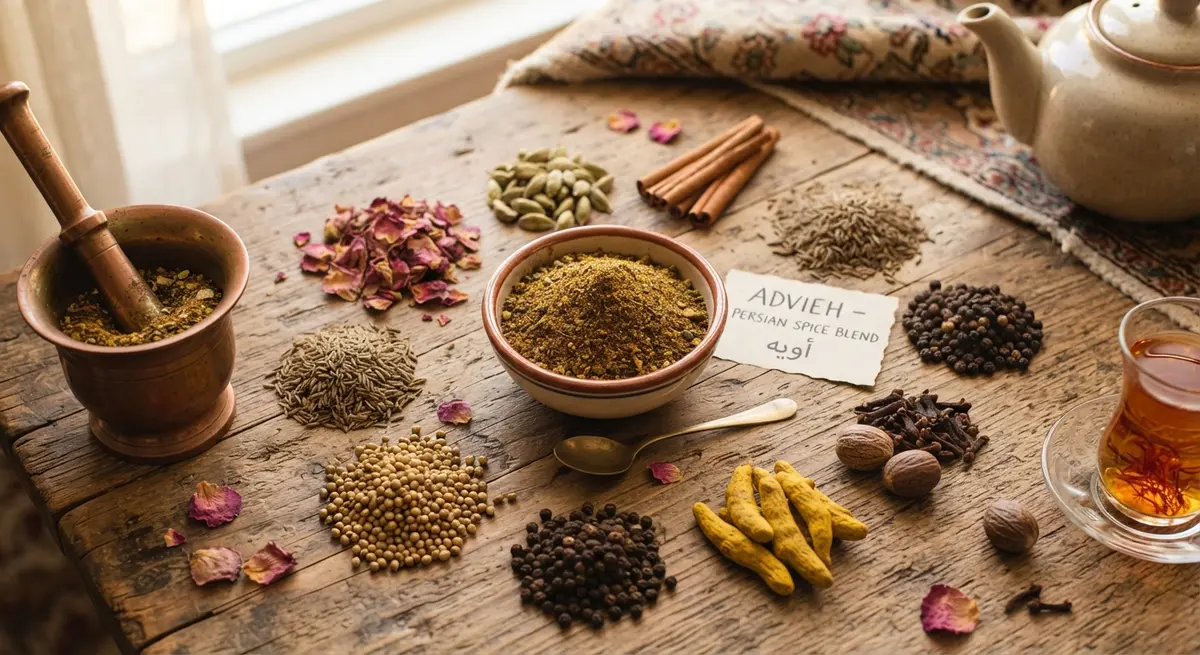
Advieh: Exploring the Aromatic Spice Blends of Persian Cuisine
Cinnamon, cardamom, turmeric, and rose petals in one jar? That is advieh, the Persian blend that turns plain rice into an occasion.
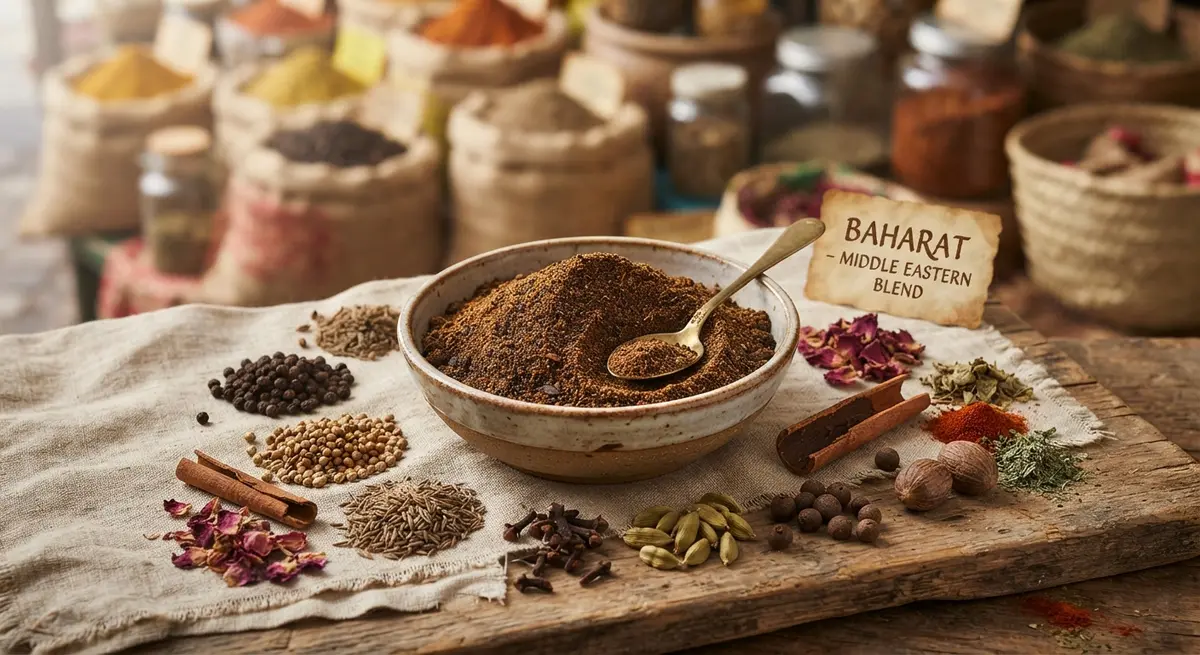
Baharat: The Warm Middle Eastern Blend That Elevates Any Meat Dish
Baharat simply means spices in Arabic, and once you balance the warm ones, it becomes the perfumed hand that lifts your whole plate of meat and rice.
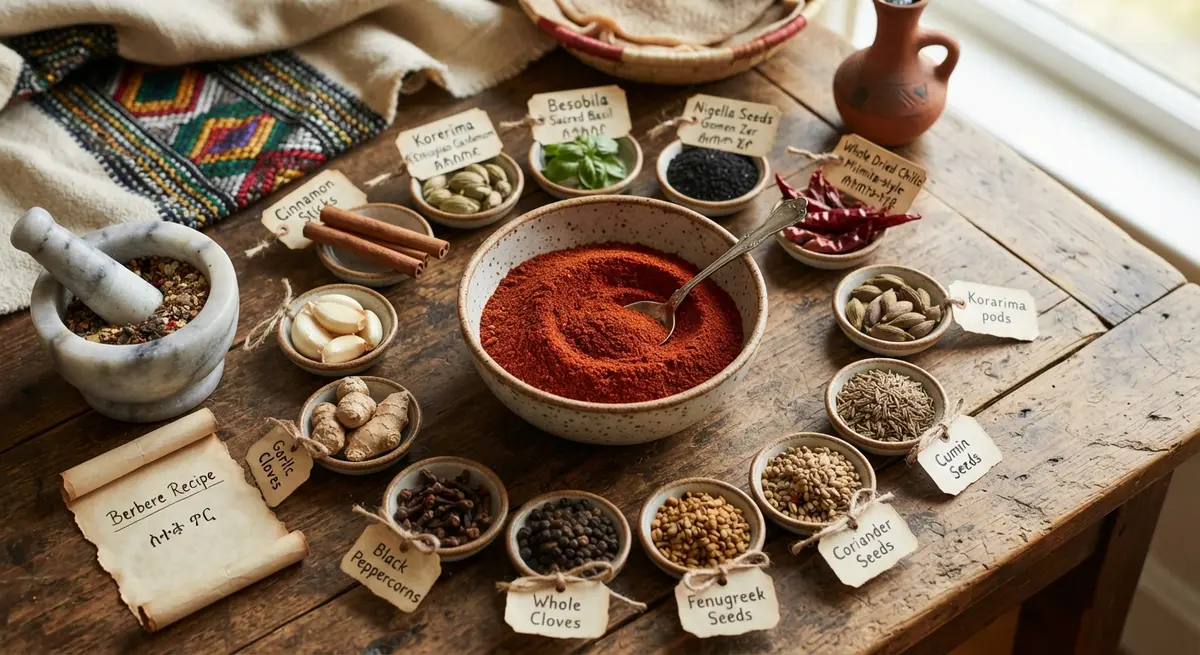
Berbere: The Fiery, Complex Ethiopian Spice Blend Explained
Berbere is the heartbeat of Ethiopian stews like doro wat. Once you blend it, a spoonful of oil turns a plain onion into dinner.
About the Authors
This recipe and guide was developed, tested, and approved in our home kitchen and daily life. Jamy is a retired Food Service District Manager and Early Childhood Program Manager who spent his career overseeing multi-site restaurant operations, large-scale culinary production, and daycare menu management. Kaïna brings the ultimate real-world test: making sure it brings ease and joy to our kids on a busy weeknight.
Read more about our professional background and philosophy →