Kardi Root Powder: Flavor Profile, Health Benefits & Culinary Uses
By the QuiteRecipes team (Jamy & Kaïna)
Kardi is what Maharashtra and Gujarat call safflower — and its root powder, earthy and mildly bitter, is a quiet traditional addition to porridges and drinks.
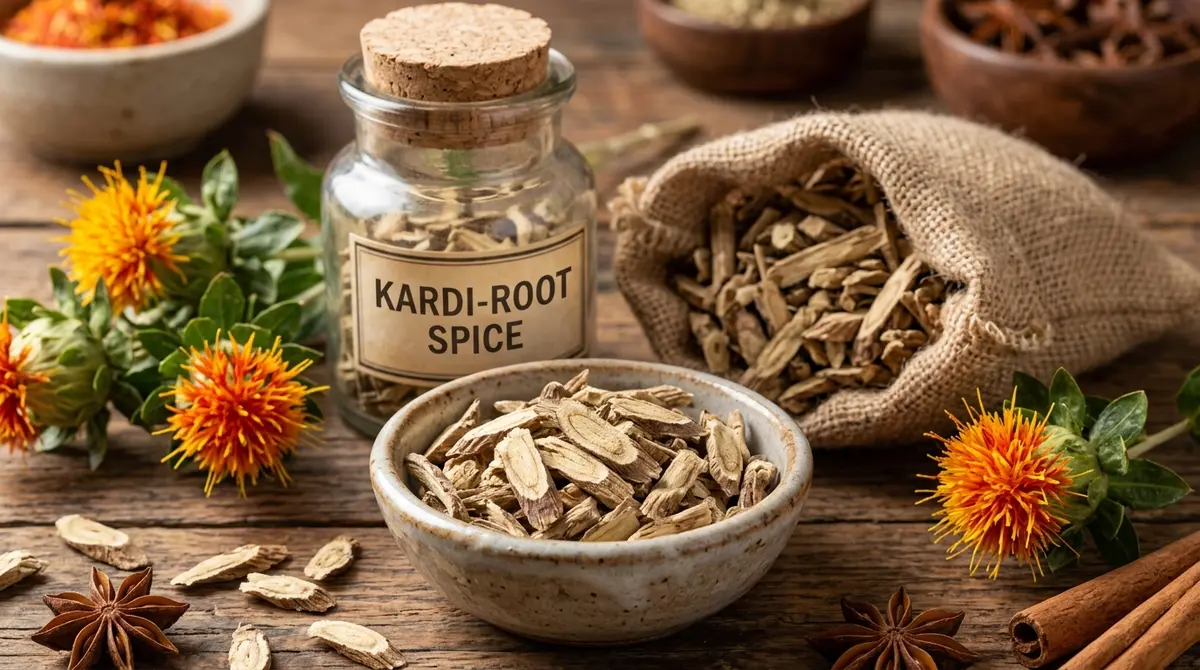
Kardi is one of those names that quietly covers more ground than visitors expect. In Maharashtra and Gujarat, kardi is the everyday word for the safflower plant — Carthamus tinctorius, the thistle-like crop grown for its oil-rich seeds, bright petals, and hardy roots. Most of the world knows safflower by its flowers, dried and steeped as a cheap saffron stand-in, and by its pale cold-pressed oil. The root is the part tradition reserves for smaller jobs: dried, ground, and stirred in small amounts into porridges, lentil soups, and herbal drinks, where it contributes a mild, earthy character that belongs to nothing else on the shelf.
Flavor Profile & Notes
Kardi root powder is subtle in a way that rewards patience. It smells faintly of dried wood and chamomile, and tastes gently earthy — a light, dry, almost mushroom-like savor with a soft bitterness in the finish and none of the brightness of the flower. It dissolves grayishly into liquids and does not announce itself, which is precisely why traditional households use it: it is a background ingredient, the sort of thing present in a dish without anyone naming it. If you are looking for punch, this is not your spice. If you want a quiet, grounding depth, a little goes a long way.
Health Benefits & Nutrition
Safflower in its many forms has a long record in traditional systems — the flower in Chinese medicine, the oil in Indian cooking, and the petals as herbal tea. The root carries that same tradition in regional Indian practice, where small amounts in warm drinks were part of everyday household wisdom. The honest science here is thin and quiet: roots of this family provide some fiber and trace minerals, and the plant's compounds have been studied mostly through its flowers and seeds, not its root. So treat kardi root powder as a traditional ingredient with a modest story. Anyone considering it for a health purpose should ask a doctor instead of a pantry.
Best Culinary Pairings
Its traditional role is in small-scale, warming preparations: a pinch stirred into milk-based or rice porridges, a spoonful into lentil soups where you want an earthy undertone, and a subtle addition to herbal teas alongside ginger and jaggery. In Gujarat it occasionally rounds out spice blends that call for a dry, woody note. Dosing is the whole art — start with a quarter teaspoon in a pot that feeds four and taste before adding more. Pair it with warming spices like cinnamon, cardamom, or ginger, and it disappears companionably into the background where it belongs.
Quick Substitutes
A pinch of roasted chicory powder or lotus root powder offers a similar dry, earthy calm in drinks and porridges — chicory especially, since it has that same woody, slightly bitter comfort. Dried and ground burdock root behaves comparably. For the earthy note in lentil soups, a little ground toasted cumin gets you closer than you would expect. There is no exact stand-in for kardi root, because its whole personality is almost flavorless; a neutral root starch plus bitterness will approximate it well enough.
FAQ / Quick Facts
- What is kardi? The Marathi and Gujarati name for safflower, Carthamus tinctorius; kardi root powder is the dried, ground root.
- What does it taste like? Faintly earthy and lightly bitter — a quiet background note, not a loud spice.
- Form / Best uses: Dried root powder; used in small pinches in porridges, lentil soups, and warming herbal drinks.
Related Articles
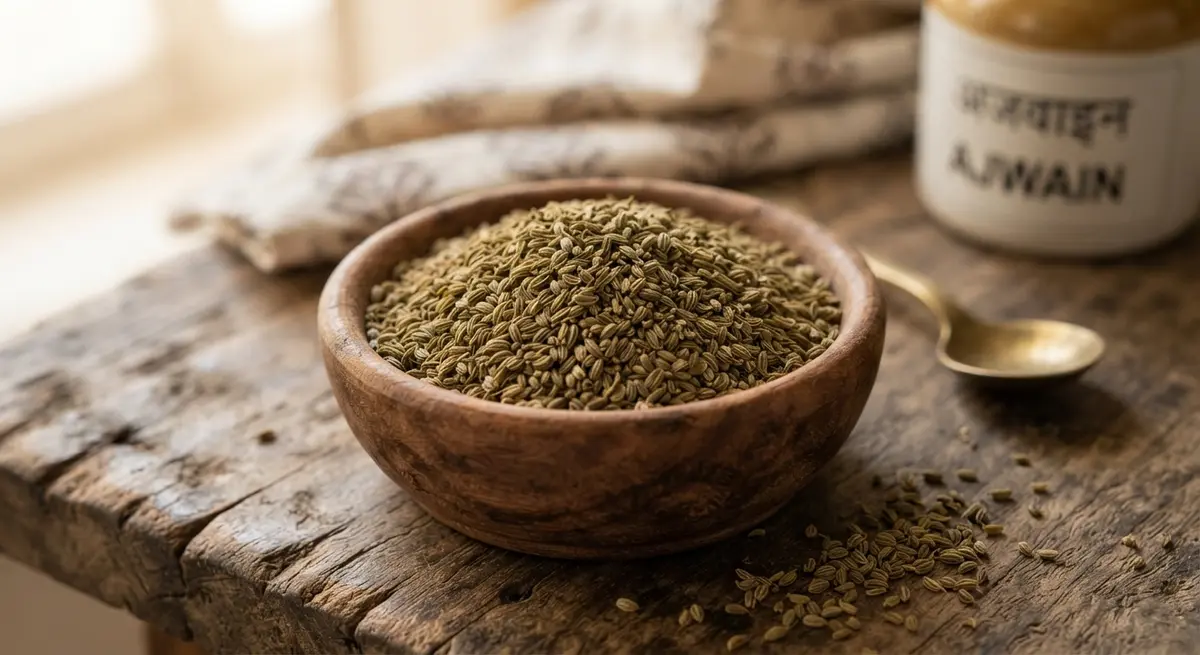
Ajwain (Carom) Seeds: Flavor Profile, Health Benefits & Culinary Uses
A tiny gray-brown seed that tastes like thyme, oregano, and cumin had a baby with a timer fuse. Here is how and why Indian kitchens use ajwain.
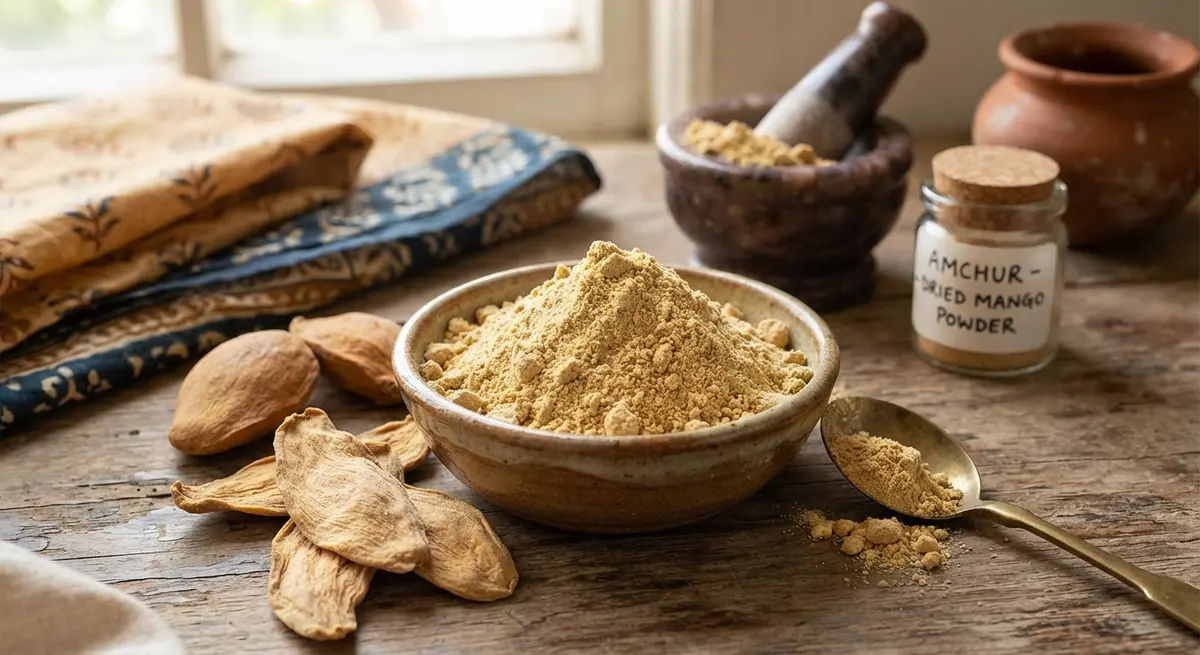
Amchur (Green Mango Powder): Flavor Profile, Health Benefits & Culinary Uses
Powdered green mango that adds bright sour notes without a drop of liquid. Amchur turns snack mixes, dry rubs, and curries tart in one shake.
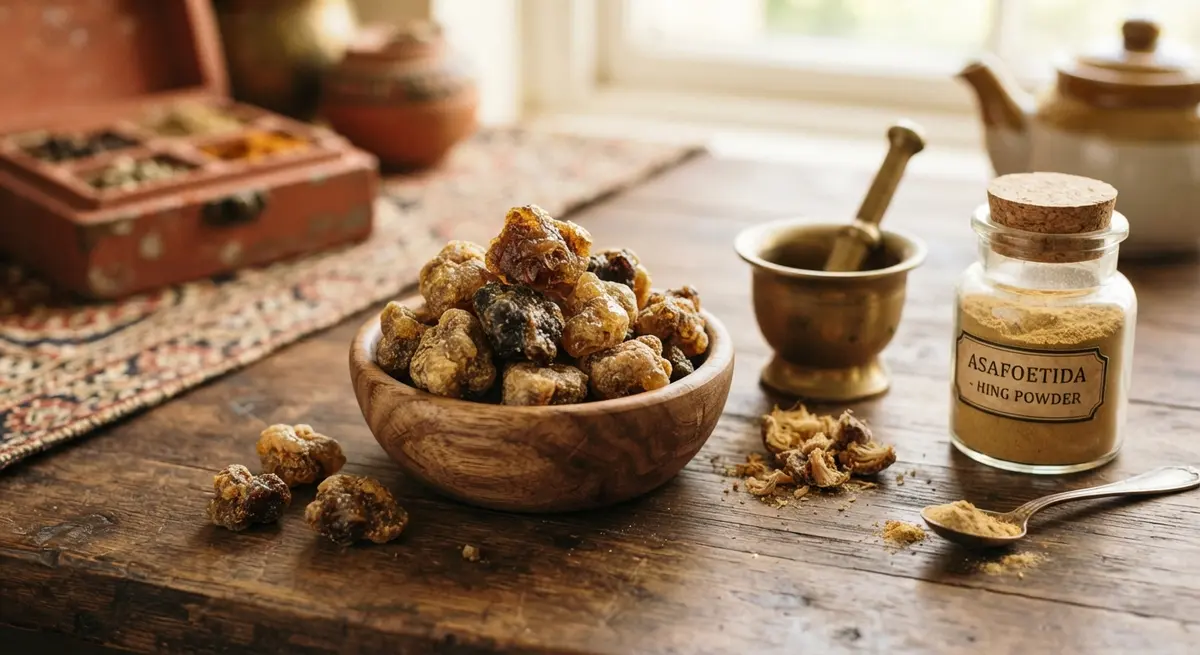
Asafoetida (Hing): Flavor Profile, Health Benefits & Culinary Uses
The worst-smelling raw spice in the world turns into quiet onion-garlic gold the moment it hits hot oil. Here is the one rule for using hing without fear.
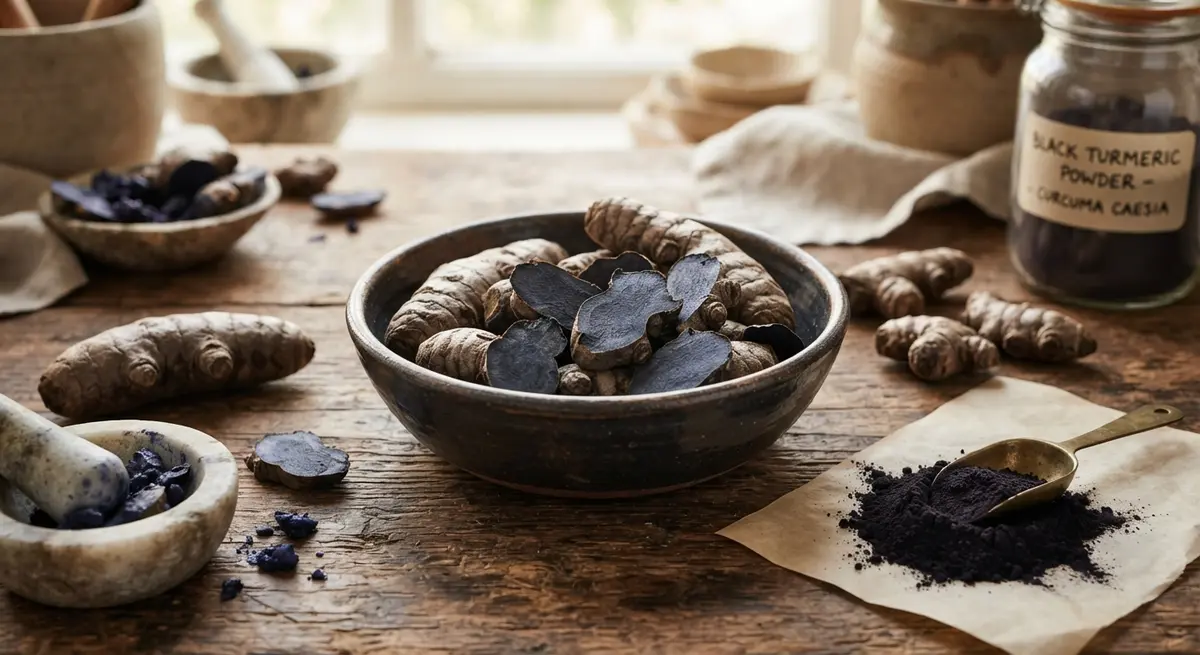
Black Turmeric: Flavor Profile, Health Benefits & Culinary Uses
The wild dark turmeric of eastern India, camphor-strong and almost blue inside: what black turmeric is, how it stuns cooks, and its honest uses in the kitchen.
About the Authors
This recipe and guide was developed, tested, and approved in our home kitchen and daily life. Jamy is a retired Food Service District Manager and Early Childhood Program Manager who spent his career overseeing multi-site restaurant operations, large-scale culinary production, and daycare menu management. Kaïna brings the ultimate real-world test: making sure it brings ease and joy to our kids on a busy weeknight.
Read more about our professional background and philosophy →