Lemon Zest Substitutes for Bright Aroma Without the Zest
By the QuiteRecipes team (Jamy & Kaïna)
Zest is about perfumed oil, not sourness. Swap in lime or orange peel, verbena, or a drop of extract for effortless brightness.
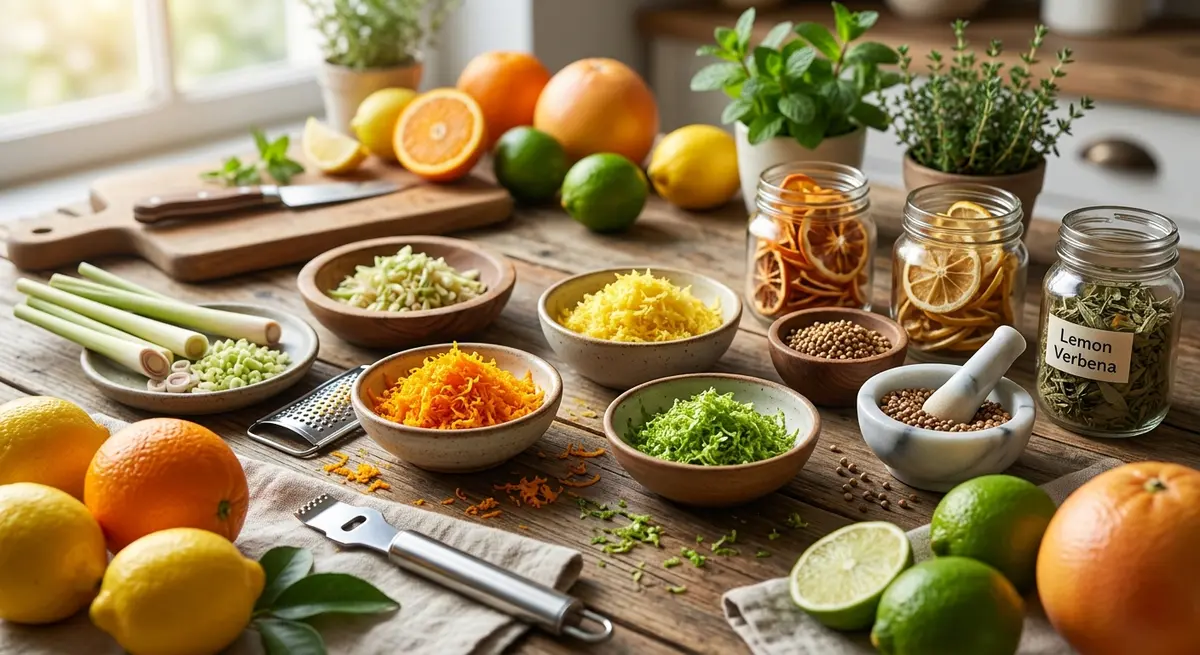
I learned one of my favorite kitchen rules by accident: lemon zest is not lemon juice's cousin, it is a different ingredient entirely. Juice brings acid, zest brings perfume, and a dessert that wanted the perfume will not be rescued by a squeeze. The day my lemon rolled out dry and zestless, I reached for lime and orange without a second thought. It worked so well that I started building this guide. Citrus peel is really a whole aromatic family, and almost any bright peel can stand in. Here is how to fake zest bravely.
Why This Spice Is Hard to Replace
Lemon zest is the brightly colored outer peel, where the perfumed oils live, and it contributes aroma, color, and a faint bitterness, but almost no sourness. Because the oils are so fragrant, recipes want that lemon brightness more than the acid. Substitutes shine when they are also peel or herbaceous aromatics: other citrus zests, lemon verbena, or a careful drop of lemon extract. The catch is bitterness, the white pith under the peel must never ride along.
The Best Substitutes
- Lime or orange zest: same oils, different citrus, one-to-one and often delightful.
- Dried lemon peel granules: a pantry keeper, rehydrate in the recipe's liquid or grind fine.
- Lemon verbena leaves, torn: the herbal stand-in, fragrant for creams and fruit salads.
- A half drop of lemon extract: concentrated perfume, use sparingly and taste.
- Fresh lemon thyme or lemon balm sprigs: aroma with a gentle herb note, perfect for bright veal and fish.
- A strip of lemon rind simmered in a sauce, then removed: infuses the oil without any bitter pith.
How to Make the Swap Work
Remember the pith rule: only the colored peel belongs in the swap. Grate citrus over your sauce or batter at the last minute, so the oils stay bright and never bake away. Among swaps, hedge: if a recipe wanted lemon's clean lift, grapefruit zest leans bitter, orange leans sweet, and lime leans green. Taste the paste or batter mid-mix, since zests behave differently than extract. And use the juice alongside the swap when the dish truly wanted both halves.
Substitutions to Avoid
- A squeeze of lemon juice for missing zest: it adds water and acid to a bake that wanted perfume.
- Orange zest where sharpness is essential: it is sweet and gentle and can flatten the lift.
- Pith and all, grated to save effort: the white layer is bitter and will stain the whole dish.
- Bottles of lemon extract poured like vanilla: a drop is a bloom, several is a candle.
- Old, dried peel without checking the aroma: if it has no scent, it brings nothing but texture.
FAQ / Quick Facts
- What is the best lemon zest substitute? Lime or orange zest, one-to-one, with a slightly different perfume.
- Why is zest different from juice? Zest is fragrant oil, juice is water and acid, and baking usually wants the oil.
- Can I use dried lemon zest? Yes, rehydrate it first or grind finely, so it reads as perfume and not grit.
- How do I avoid bitter zest? Grate only the colored outer peel and stop before the white pith arrives.
Related Articles
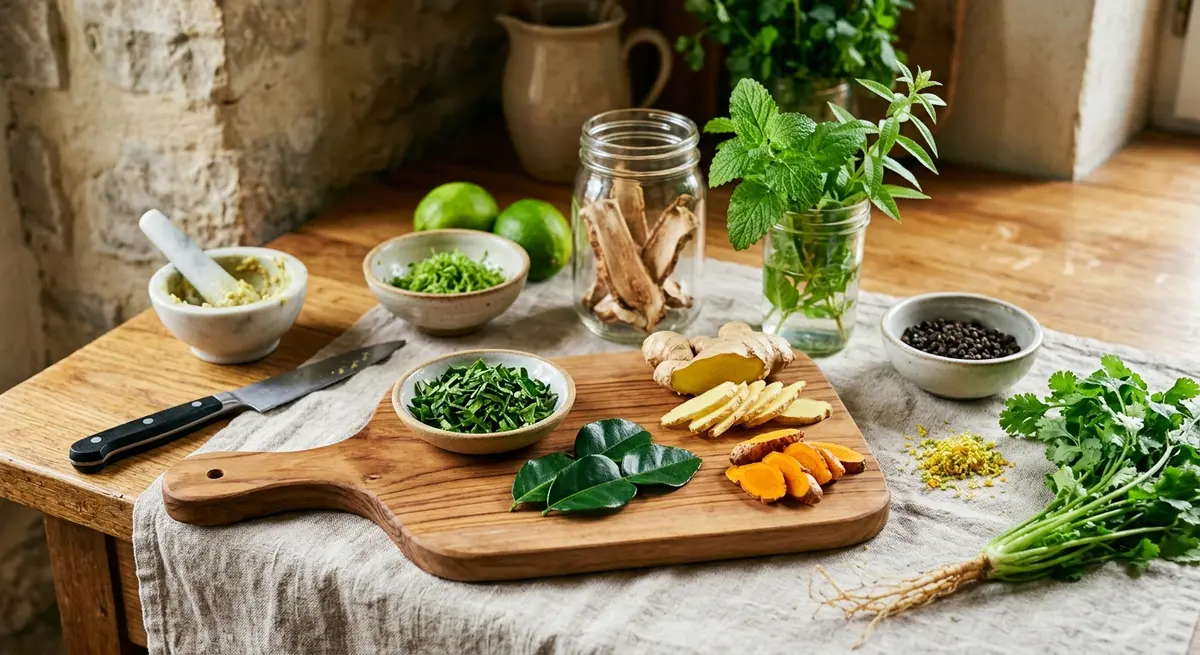
Lemongrass Substitutes for Bright, Citrussy Aroma
Lemongrass gives clean citrus perfume, not acid. Swap in lemon zest, verbena, or lime leaves for that same bright aromatic lift.
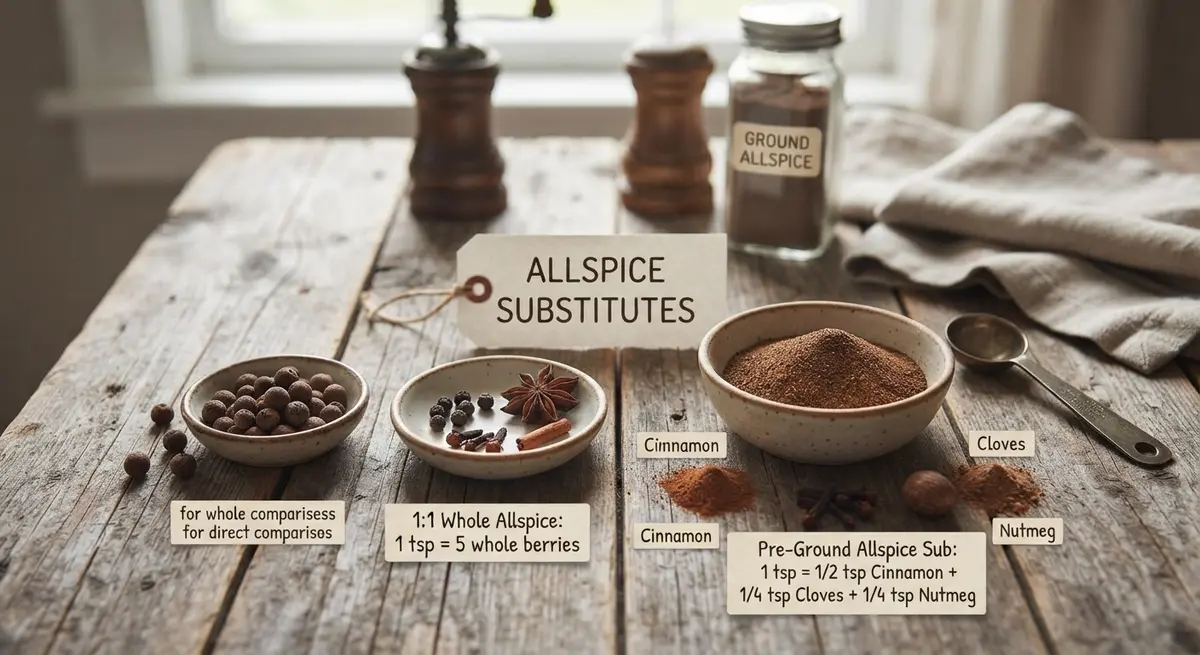
Allspice Substitutes for That One-Jar Warmth
Allspice tastes like cinnamon, clove, and nutmeg had a baby. Rebuild it by blending warm pantry spices for bakes, stews, and holiday jars.
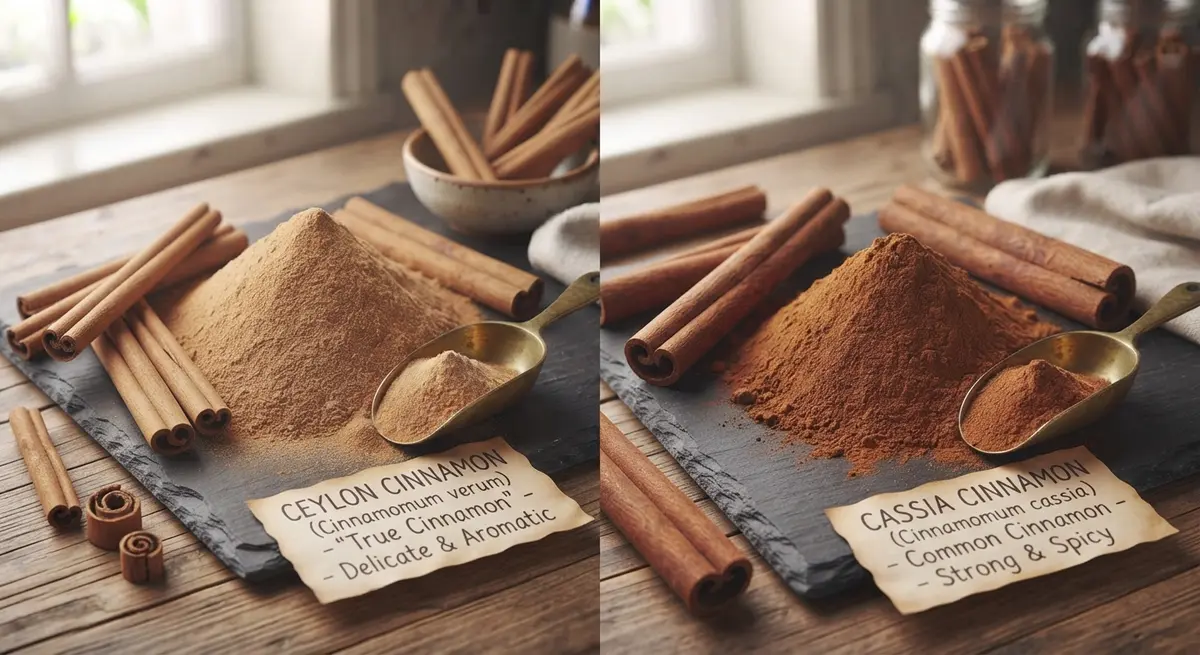
Ceylon vs. Cassia Cinnamon and How to Substitute One for the Other
Most jars labeled cinnamon are actually cassia. Knowing the difference wins baking, curries, and even a small health question.

Cloves Substitutes for Baking, Mains, and Mulled Drinks
Cloves bring a potent, perfumed warmth with a sting of heat. Swap in allspice, nutmeg, or a pinch of cinnamon for nearly every use.
About the Authors
This recipe and guide was developed, tested, and approved in our home kitchen and daily life. Jamy is a retired Food Service District Manager and Early Childhood Program Manager who spent his career overseeing multi-site restaurant operations, large-scale culinary production, and daycare menu management. Kaïna brings the ultimate real-world test: making sure it brings ease and joy to our kids on a busy weeknight.
Read more about our professional background and philosophy →