Ceylon vs. Cassia Cinnamon and How to Substitute One for the Other
By the QuiteRecipes team (Jamy & Kaïna)
Most jars labeled cinnamon are actually cassia. Knowing the difference wins baking, curries, and even a small health question.
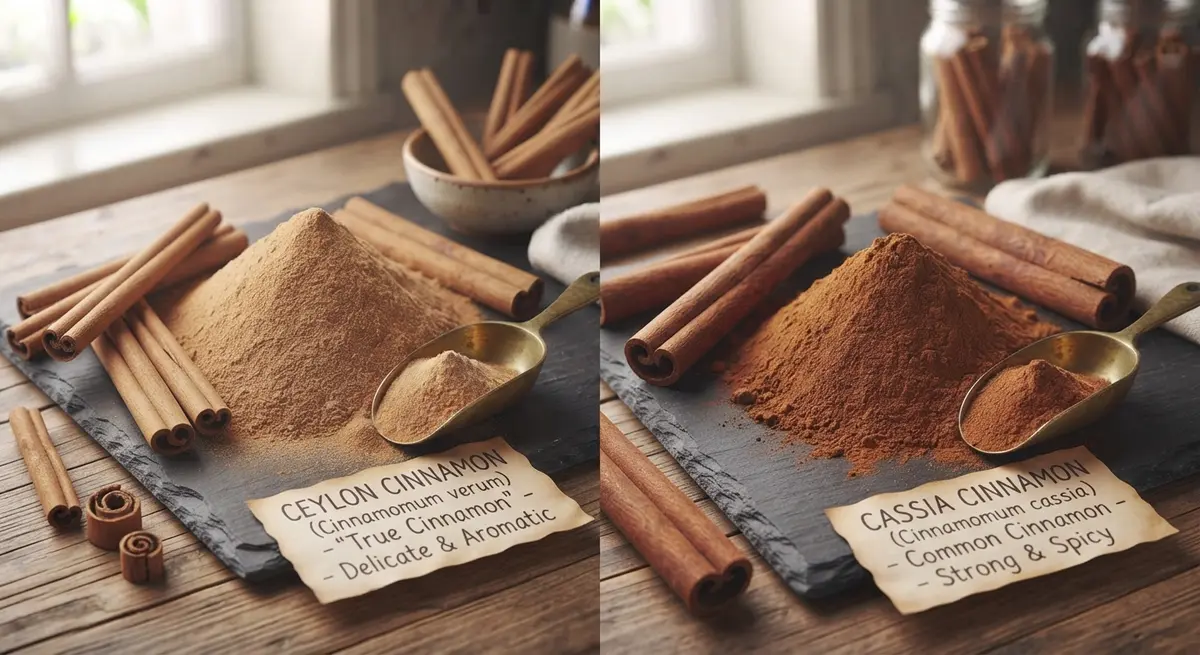
There was a time I thought cinnamon was cinnamon. One jar, one flavor, done. Then I went shopping for a recipe my grandmother used to make, and I noticed the packets in front of me said two different things: cinnamon and something called cassia. The truth is that most cinnamon sold in big supermarket jars is actually cassia, a bolder, cheaper relative from a different tree. The real Ceylon cinnamon is softer, sweeter, and costs more. For many recipes either works fine, but for delicate desserts and anything eaten daily, the choice actually changes the dish. This is what I learned before my jars had names.
Why This Spice Is Hard to Replace
Cinnamon is not a single species, it is an umbrella name for bark from several tropical trees. Cassia is thick, dark, and punchy, perfect for spice rubs and warmly spiced bakes, and it is cheap enough to fill big jars. Ceylon is thin, pale, and layered, built for delicate pastries, custards, and tea, and it costs several times more. They do not even look identical: Ceylon quills roll up like paper in many thin layers, while cassia is one thick, hard curl. Swap one for the other and you trade sweetness for heat or vice versa, so knowing which you have is the first step.
The Best Substitutes
- Cassia for Ceylon: use a small amount, around half to three quarters, and expect more heat and less sweetness.
- Ceylon for cassia: use a little extra, up to twice by volume when a recipe asks for cassia's punch.
- A pinch of allspice with a touch of sugar: for baking where Ceylon's sweetness is the point.
- Nutmeg and a whisper of cloves: these two together cover warm bakes that miss cinnamon entirely.
- Ground star anise with a bare hint of clove: for savory dishes, it shadows cinnamon's warm side without the sweetness.
- Vanilla plus a pinch of allspice in sweet baking: when you want the softness of cinnamon without its bark backbone.
How to Make the Swap Work
Slow down at the jar. If a recipe says cinnamon and you cannot tell which stick you own, sniff it: gentle and sweet means Ceylon, sharp and hot means cassia. In baked goods, start with a smaller swap measure and taste the raw batter, since cassia reads louder. In curries and rubs, either works with little compromise because bold spice is the whole point. Grind sticks fresh when you can, since pre-ground cinnamon is the least reliable at telling the two apart. And when a dessert asks for a precise, delicate flavor, that is the day to spend on a true Ceylon stick.
Substitutions to Avoid
- Swapping cassia one-for-one into delicate pastries: its heat can turn a custard coarse and bitter.
- Buying "cinnamon" without checking the label when you need true Ceylon: bargain jars are almost always cassia.
- Using ground spice interchangeably when texture matters: Ceylon powder is finer and reads softer.
- Replacing cinnamon with pure clove or pure anise in batches: both overpower the dish in an instant.
- Ignoring the coumarin question in big daily amounts of cassia: questions exist around liver health, so heavy daily drafters should read up.
FAQ / Quick Facts
- How can I tell Ceylon from cassia? Ceylon sticks are thin, crumbly, and layered like paper; cassia is a single hard, thick curl.
- Which is better for baking? Ceylon for delicate, sweet bakes; cassia for bold cookies, rubs, and curries.
- Is Ceylon healthier than cassia? Cassia carries more coumarin, linked to concerns at very high daily doses, so Ceylon is often preferred for daily use.
- Can I substitute cinnamon in chai? Yes, Ceylon is softer for tea, while cassia gives the classic bold kick, both are lovely.
Related Articles
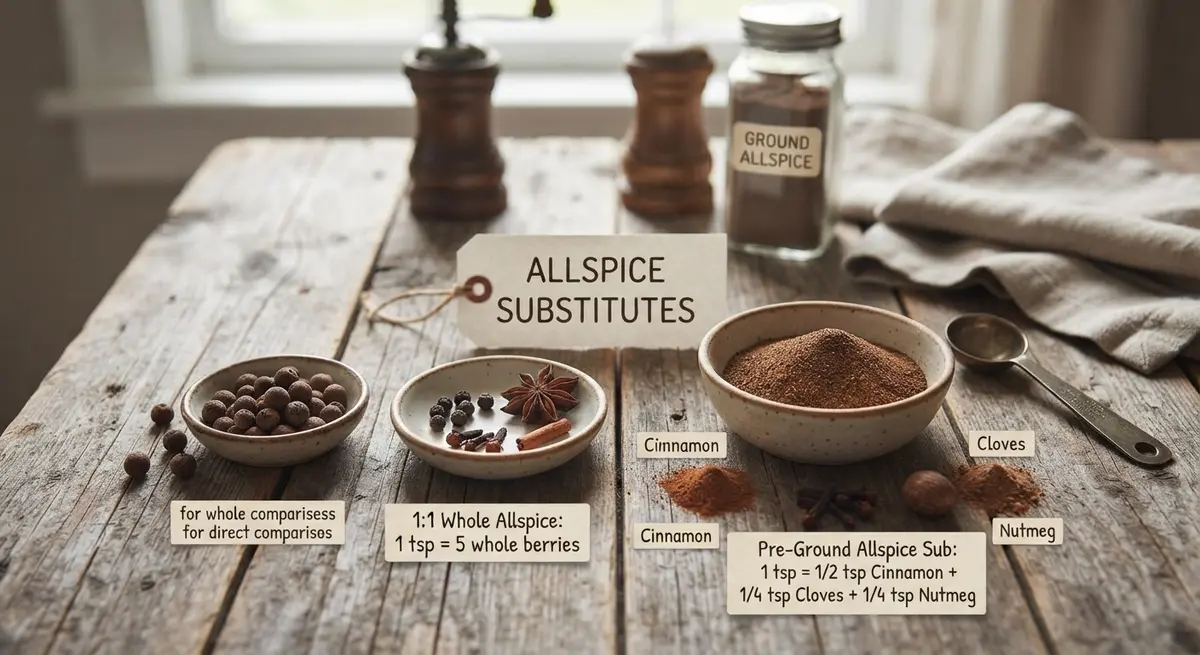
Allspice Substitutes for That One-Jar Warmth
Allspice tastes like cinnamon, clove, and nutmeg had a baby. Rebuild it by blending warm pantry spices for bakes, stews, and holiday jars.
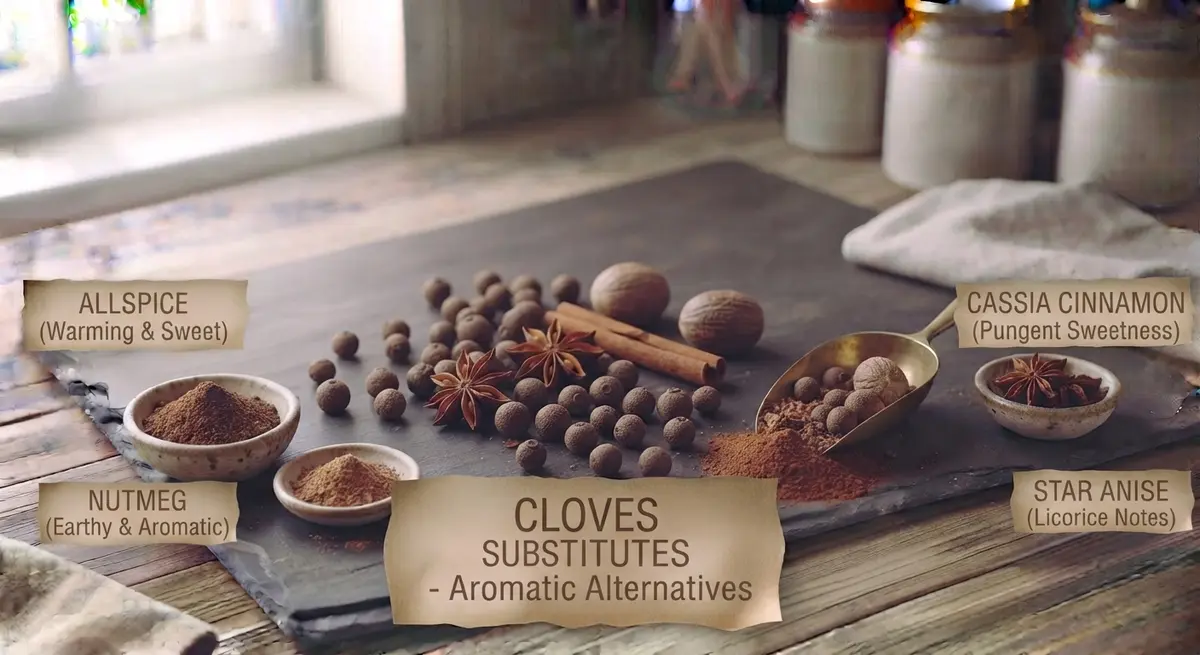
Cloves Substitutes for Baking, Mains, and Mulled Drinks
Cloves bring a potent, perfumed warmth with a sting of heat. Swap in allspice, nutmeg, or a pinch of cinnamon for nearly every use.
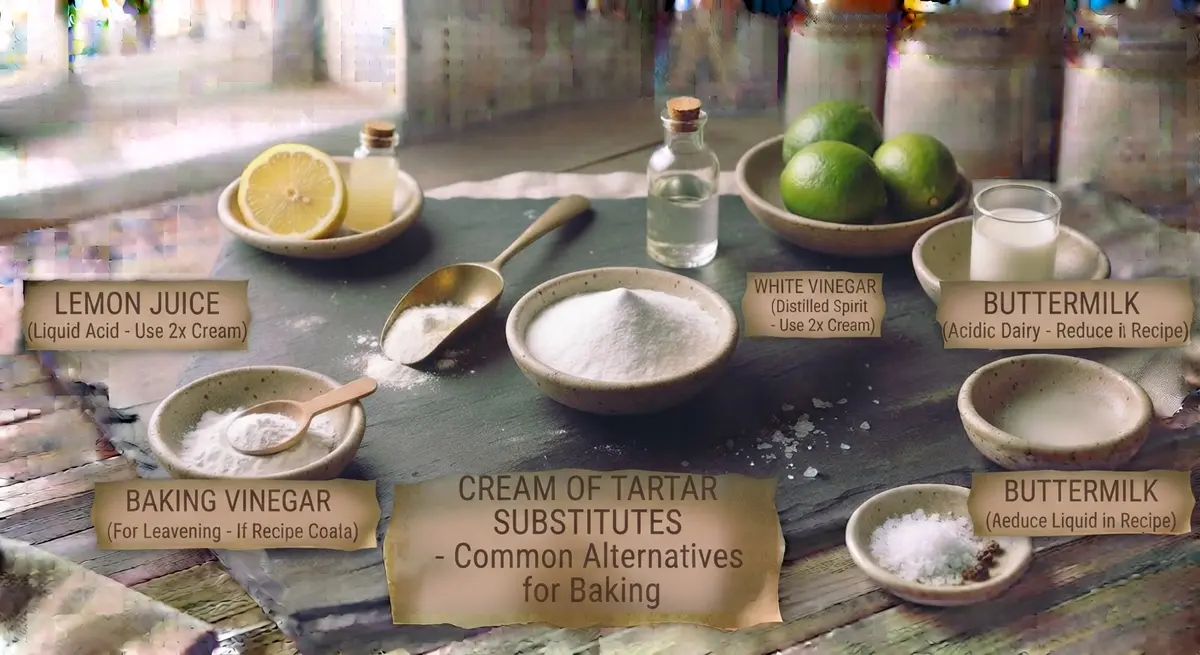
Cream of Tartar Substitutes for Meringues and Baking Science
Cream of tartar is baking chemistry, not flavor. Swap in lemon juice or vinegar for stabilizer duty, or acid alternatives for leavening.
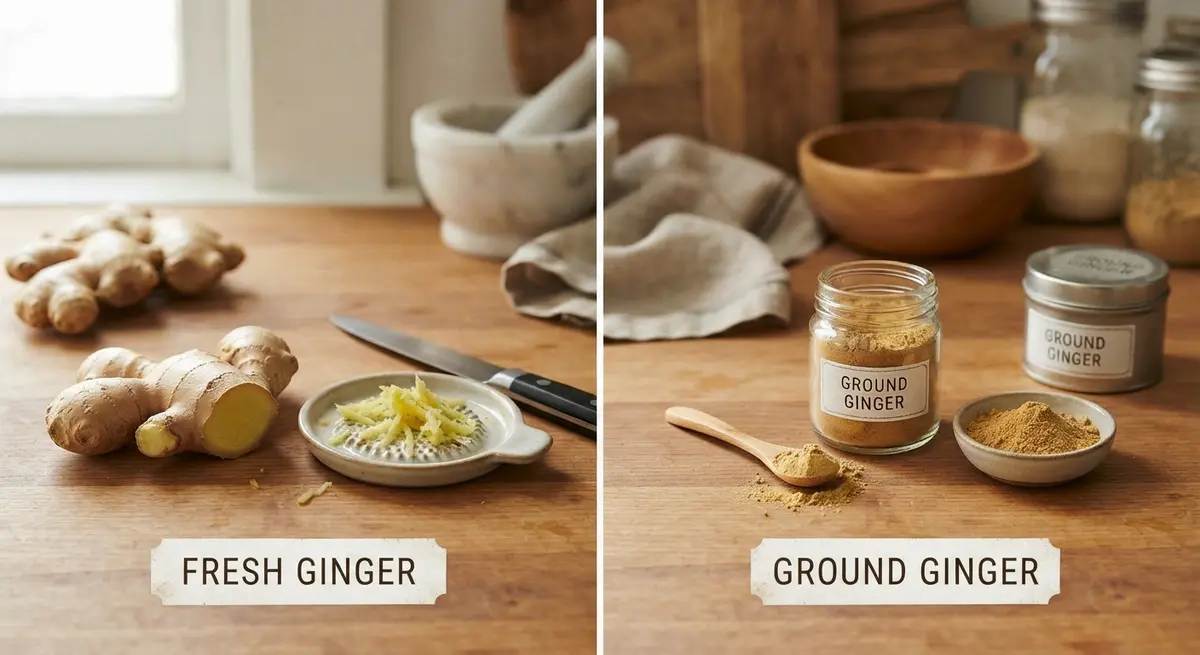
Fresh Ginger vs. Ground Ginger: Swapping Them Without Ruining the Dish
Fresh and ground ginger are not the same spice. Use the right tool for the job and bake and stir-fry everything wins.
About the Authors
This recipe and guide was developed, tested, and approved in our home kitchen and daily life. Jamy is a retired Food Service District Manager and Early Childhood Program Manager who spent his career overseeing multi-site restaurant operations, large-scale culinary production, and daycare menu management. Kaïna brings the ultimate real-world test: making sure it brings ease and joy to our kids on a busy weeknight.
Read more about our professional background and philosophy →