Juniper Berries: Flavor Profile, Health Benefits & Culinary Uses
By the QuiteRecipes team (Jamy & Kaïna)
Juniper is pine, resin, and a bitter bite in one tiny berry, the signature of gin and an essential subtle partner for game, pork, and winter cabbage.
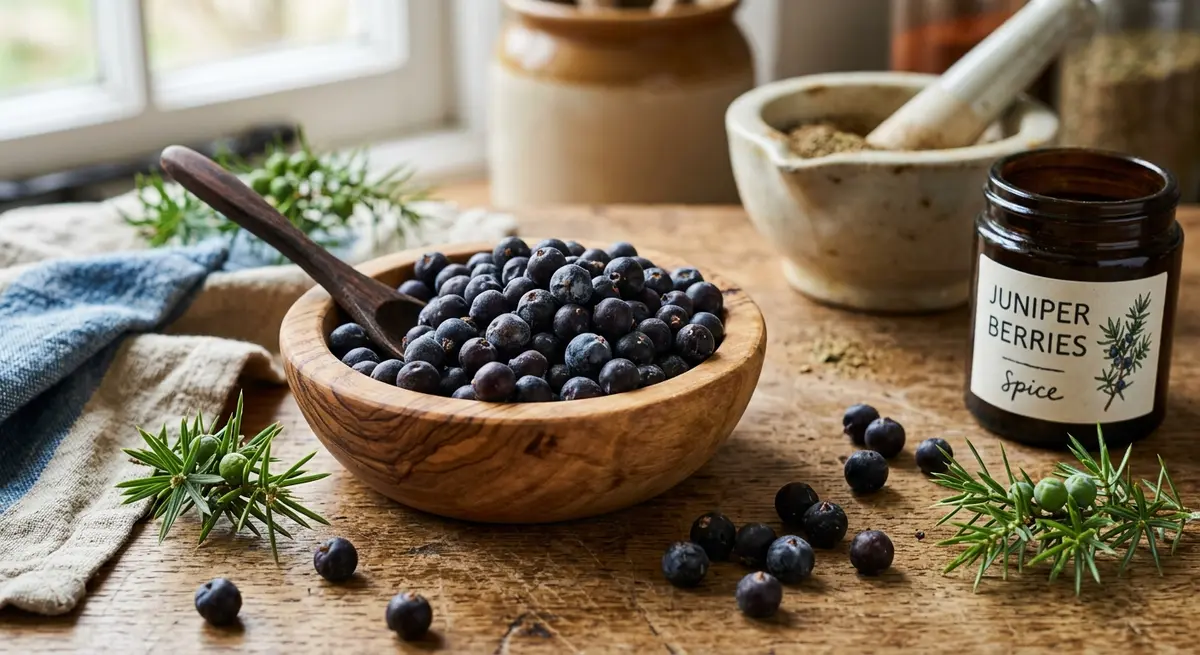
Juniper berries are the flavor behind gin and one of Europe's most underrated kitchen spices. They grow on low, evergreen juniper shrubs that dot hillsides across the Northern Hemisphere, and the dried, blue-black berries carry a dense concentration of pine, resin, and citrus-peel perfume. Bite into one and you get the unmistakable forest note, plus a clean, bitter push that makes them a natural fit for rich winter food. That bitterness is the whole trick: juniper exists to cut through fat, which is why you meet it in venison dishes, braised cabbage, and pork roasts across the colder parts of Europe.
The essential dosage fact: a little goes a long way. A few berries per pot is plenty — more tastes like a handful of pine cones.
Flavor Profile & Notes
Freshly piney and resinous, with citrus and a firm bittersweet finish. The berries are small and hard with a waxy surface; the best ones have a faint purple-blue bloom. Crush them lightly with the flat of a knife before use to release the oils, and remember that their flavor is hearty and sticks around — add them early in a braise and they will keep paying off to the last ladle. Store away from light; the purple bloom and aroma both fade if the jar lives on a bright, hot shelf.
Health Benefits & Nutrition
Juniper has centuries of herbal use for digestion, and the berries are rich in the volatile oils behind their sharp scent. They also carry a kitchen benefit worth naming: two crushed berries add enormous complexity to a low-salt braise. The caution is real too — large medicinal doses are not for everyone, and pregnant women are traditionally advised to avoid herbal quantities of it. None of that concerns a few berries in a pot of cabbage; amounts matter, so cook reasonably.
Best Culinary Pairings
Crush a few berries into a red wine marinade for venison, wild boar, or lamb; tuck whole berries into braised red cabbage or sauerkraut; grind them into a dry rub for pork shoulder with garlic and thyme. They are equally at home in a white wine sauce for duck, in pickling brines, and in the herb-and-berry mix stuffed inside a roast chicken. And of course, a few berries tossed into a jar with spirituous spirits and a day or two of patience will quietly turn vodka into a passable gin.
Quick Substitutes
Piney gin itself, a splash, is the easiest way to borrow juniper's note in a braise. Otherwise, rosemary plus a pinch of allspice or green peppercorns approximates the resin and bite. No substitute delivers the clean, opened-forest note, but any of these keeps a recipe moving.
FAQ / Quick Facts
- How long do they keep? Dried berries keep two to three years if stored sealed and away from light.
- How much do I use? A few berries to a whole pot — they are intense, and more tastes like pine cones.
- Do they really matter in gin? They are its defining botanical; without juniper there is no gin.
- Botanical family / Form / Best uses: Juniperus communis (Cupressaceae) / dried "berries" (actually cones) / game, pork, cabbage, marinades, and gin.
Related Articles
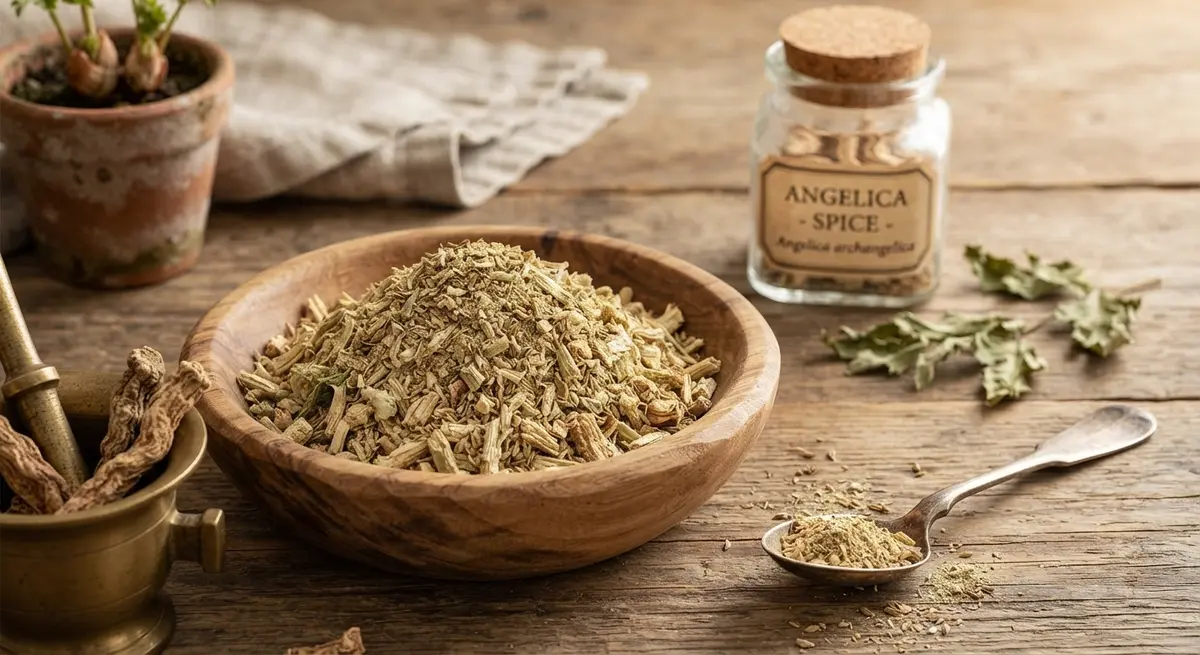
Angelica Root & Seeds: Flavor Profile, Health Benefits & Culinary Uses
The tallest herb in the parsley family. Where the pine-meets-celery aroma comes from, which parts to use, and why a little goes so far.
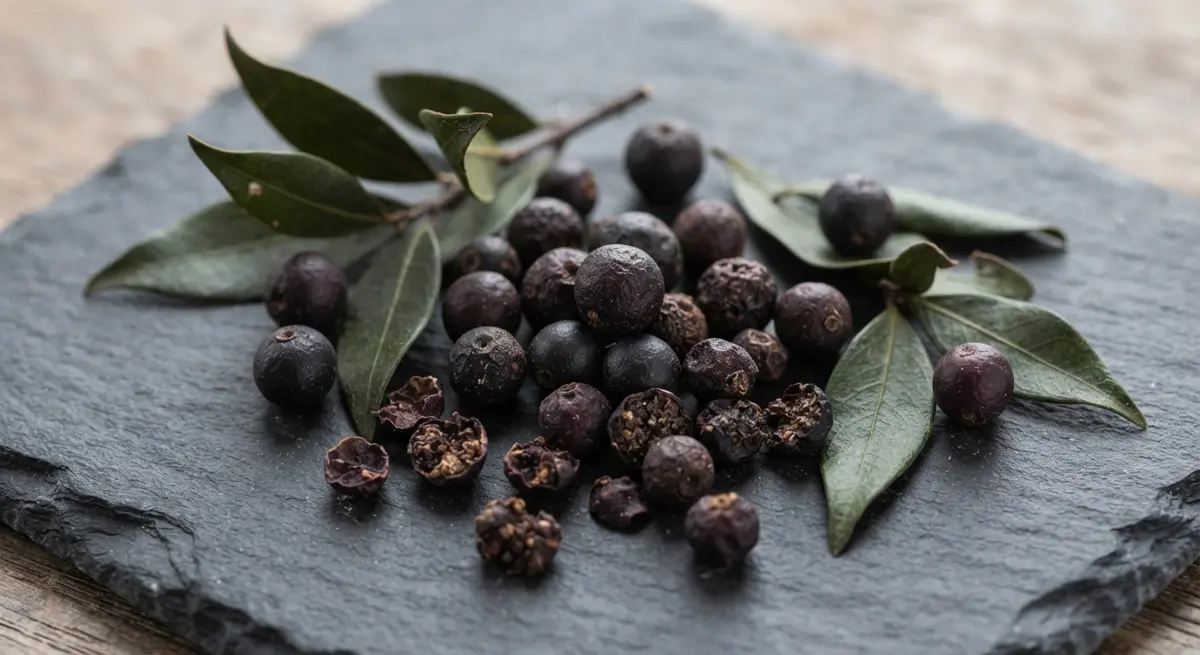
Tasmanian Pepper: Flavor Profile, Health Benefits & Culinary Uses
Bush tucker's answer to the peppercorn, Tasmanian mountain pepper delivers woody, slow-building warmth and belongs on game, mushrooms, and winter roasts.
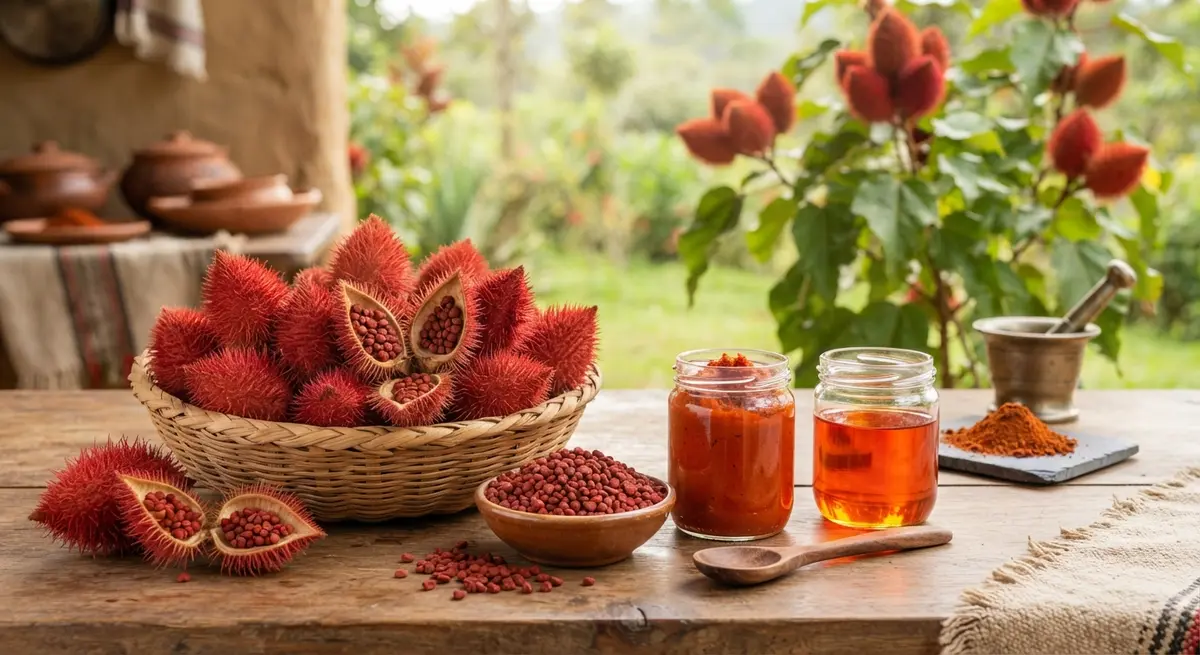
Achiote (Annatto): Flavor Profile, Health Benefits & Culinary Uses
Tiny coral-red seeds that paint food golden: the annatto tree's achiote, how to use the seeds and the Yucatan paste, and honest color substitutes.
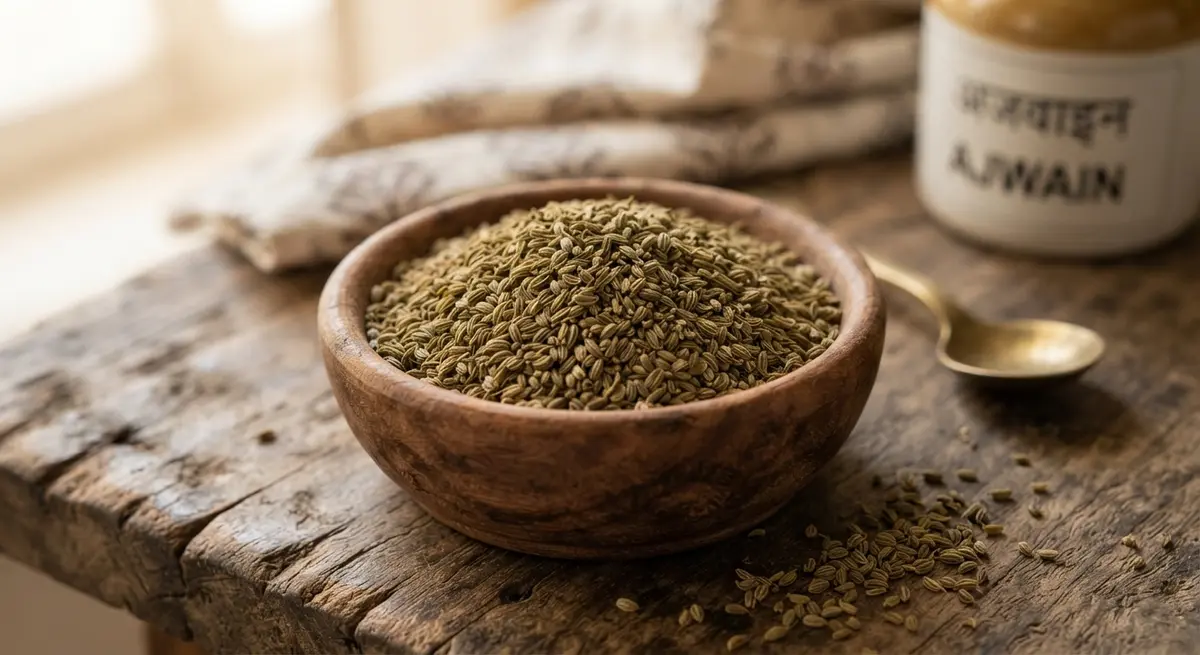
Ajwain (Carom) Seeds: Flavor Profile, Health Benefits & Culinary Uses
A tiny gray-brown seed that tastes like thyme, oregano, and cumin had a baby with a timer fuse. Here is how and why Indian kitchens use ajwain.
About the Authors
This recipe and guide was developed, tested, and approved in our home kitchen and daily life. Jamy is a retired Food Service District Manager and Early Childhood Program Manager who spent his career overseeing multi-site restaurant operations, large-scale culinary production, and daycare menu management. Kaïna brings the ultimate real-world test: making sure it brings ease and joy to our kids on a busy weeknight.
Read more about our professional background and philosophy →