Tasmanian Pepper: Flavor Profile, Health Benefits & Culinary Uses
By the QuiteRecipes team (Jamy & Kaïna)
Bush tucker's answer to the peppercorn, Tasmanian mountain pepper delivers woody, slow-building warmth and belongs on game, mushrooms, and winter roasts.
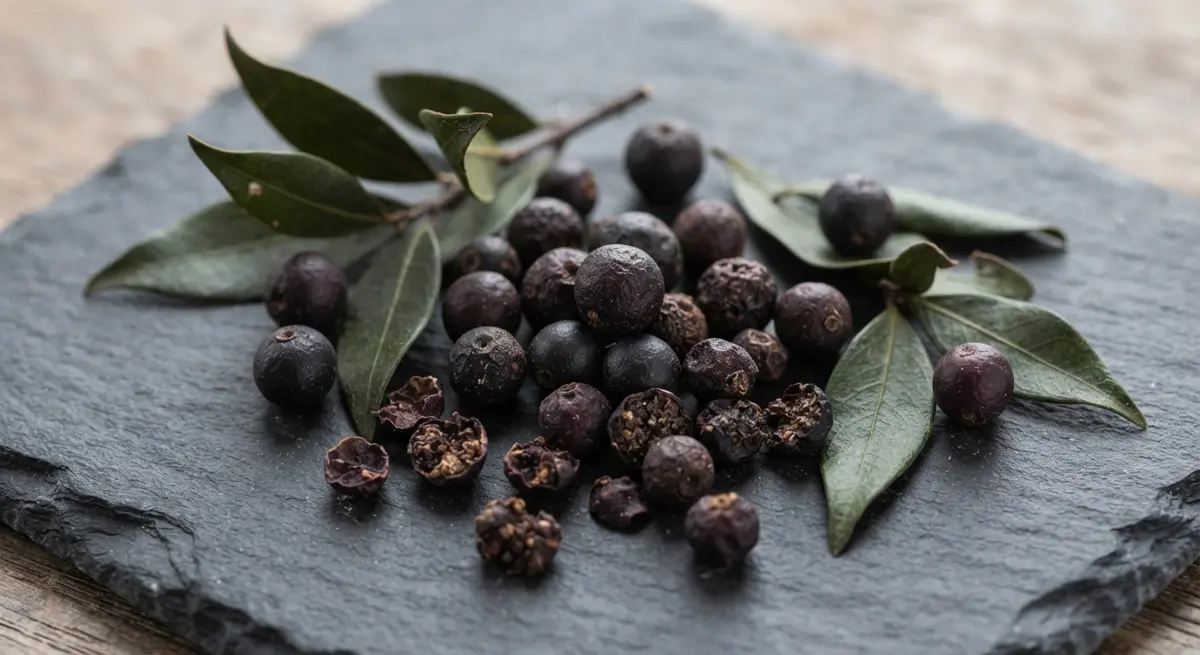
Tasmanian pepper is one of the happiest discoveries of the modern spice aisle, and it is purely Australian. It comes from the mountain pepper tree, Tasmannia lanceolata, which grows wild across the cool forests of Tasmania and Victoria. Its small dark berries are dried into native peppercorns, while its spade-shaped leaves are dried and crumbled as pepperleaf, both used by Indigenous cooks and foragers long before they reached gourmet shelves. What makes them unique is how the heat behaves: instead of hitting up front like black pepper, it starts gentle and builds in slow waves, filling your mouth with a prickling warmth that lingers somewhere between woody fire and delicate sweetness.
Because it is native, it also plays beautifully with the rest of the Australian pantry — lemon myrtle, wattleseed, and bush tomato — and it only grows more intriguing the longer you keep it on the shelf.
Flavor Profile & Notes
Dark, woodsy, and faintly sweet, with a slow-building, aromatic heat and a hint of menthol resin on the finish. The dried berries are smaller and rounder than black peppercorns and show a crackled brown surface; the leaf carries the same warmth in a greener, more herbal register. Grind the berries fresh and add the leaf to braises early, since it stands up to long cooking unusually well. A mortar and pestle gives far better texture than a blade grinder.
Health Benefits & Nutrition
Tasmanian pepper is famously rich in the antioxidant that gives berries their purple color, and it historically enjoyed use in Aboriginal medicine as a warming remedy. It is delightful to have a native spice this robust, but the honest kitchen take is practical: it brings deep, complex heat with no sodium, making it a genuinely effective way to season boldly on a low-salt diet. Food, not medicine — let the flavor speak for itself.
Best Culinary Pairings
Game is the classic partner: kangaroo fillet, venison, quail, and duck all take beautifully to a grind of mountain pepper with juniper and thyme. It also lifts hearty winter cooking — roast pumpkin, braised mushrooms, a red wine beef stew, or lentils with smoked paprika. For a distinctly Australian touch, pair the pepper with a little lemon myrtle in a rub for lamb shoulder, or grind it into a wild mushroom risotto near the end.
Quick Substitutes
Black pepper is the honest everyday swap for heat, though it will lack the woody sweetness. For a closer profile, combine black pepper with a pinch of allspice and a hint of dried rosemary. Neither recreates that slow-building wave, but they keep the dish on track if mountain pepper is out of reach.
FAQ / Quick Facts
- How long does it keep? Whole berries stay fragrant for a year or more; the dried leaf is best used within a year.
- What does it taste like? Woody, slightly sweet, and warming, with heat that builds gradually and lingers.
- Can you eat the leaves? Yes — dried pepperleaf is a real culinary ingredient and stands up well to cooking.
- Botanical family / Form / Best uses: Tasmannia lanceolata (Winteraceae) / dried berries or leaf / game, roasts, mushrooms, and winter vegetable dishes.
Related Articles
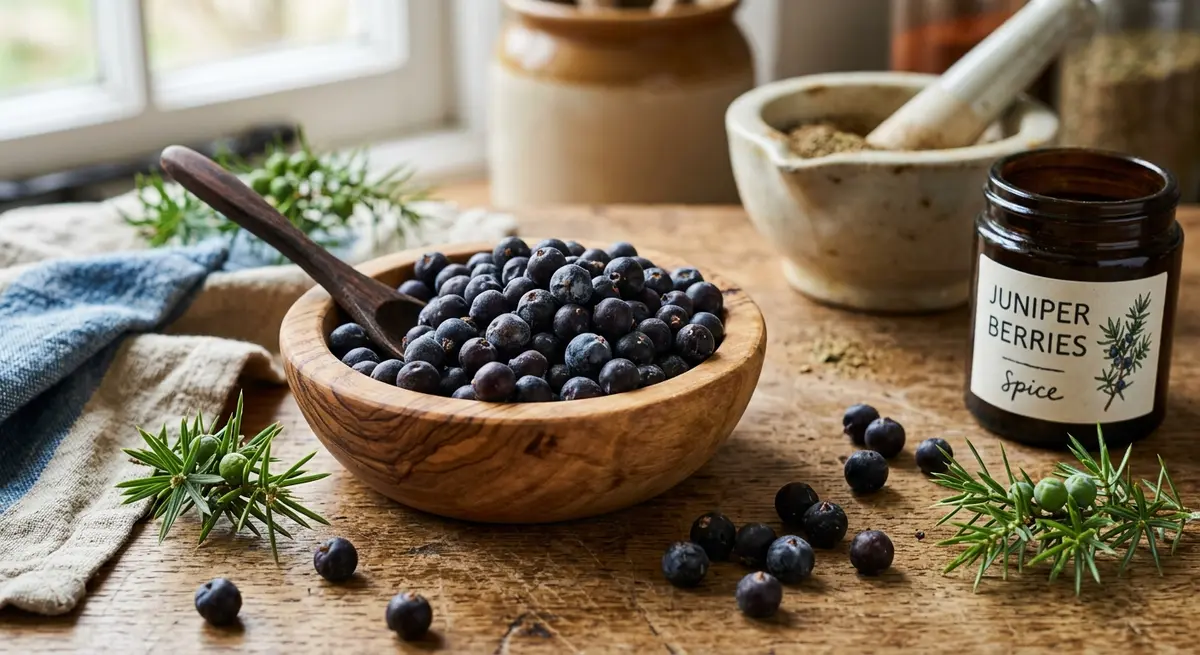
Juniper Berries: Flavor Profile, Health Benefits & Culinary Uses
Juniper is pine, resin, and a bitter bite in one tiny berry, the signature of gin and an essential subtle partner for game, pork, and winter cabbage.
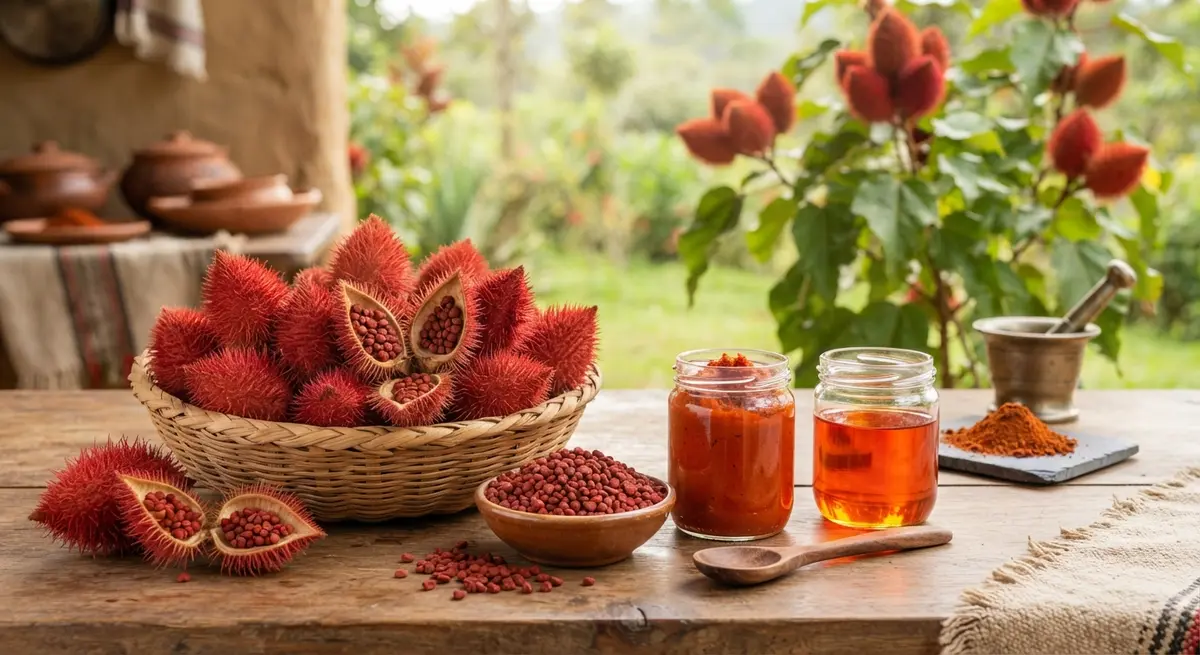
Achiote (Annatto): Flavor Profile, Health Benefits & Culinary Uses
Tiny coral-red seeds that paint food golden: the annatto tree's achiote, how to use the seeds and the Yucatan paste, and honest color substitutes.
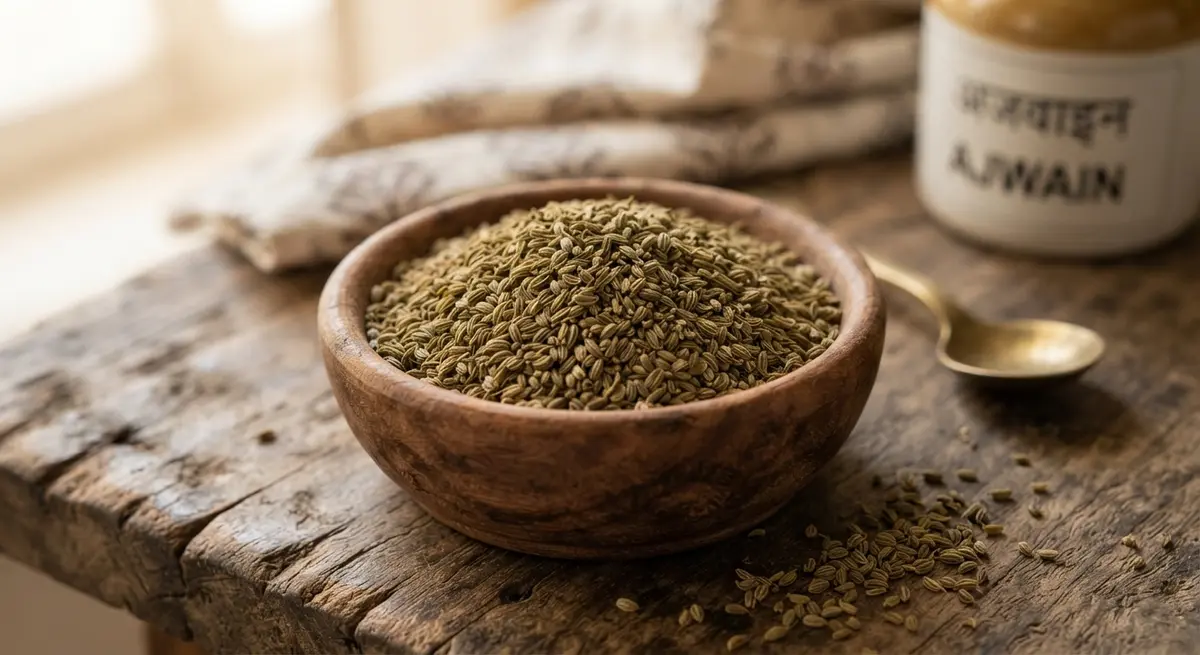
Ajwain (Carom) Seeds: Flavor Profile, Health Benefits & Culinary Uses
A tiny gray-brown seed that tastes like thyme, oregano, and cumin had a baby with a timer fuse. Here is how and why Indian kitchens use ajwain.
Aleppo Pepper: Flavor Profile, Health Benefits & Culinary Uses
Aleppo is the Mediterranean's gentle red flake, fruity and warm with real heat that never bites, perfect for everything from muhammara to roast carrots.
About the Authors
This recipe and guide was developed, tested, and approved in our home kitchen and daily life. Jamy is a retired Food Service District Manager and Early Childhood Program Manager who spent his career overseeing multi-site restaurant operations, large-scale culinary production, and daycare menu management. Kaïna brings the ultimate real-world test: making sure it brings ease and joy to our kids on a busy weeknight.
Read more about our professional background and philosophy →