Aleppo Pepper: Flavor Profile, Health Benefits & Culinary Uses
By the QuiteRecipes team (Jamy & Kaïna)
Aleppo is the Mediterranean's gentle red flake, fruity and warm with real heat that never bites, perfect for everything from muhammara to roast carrots.
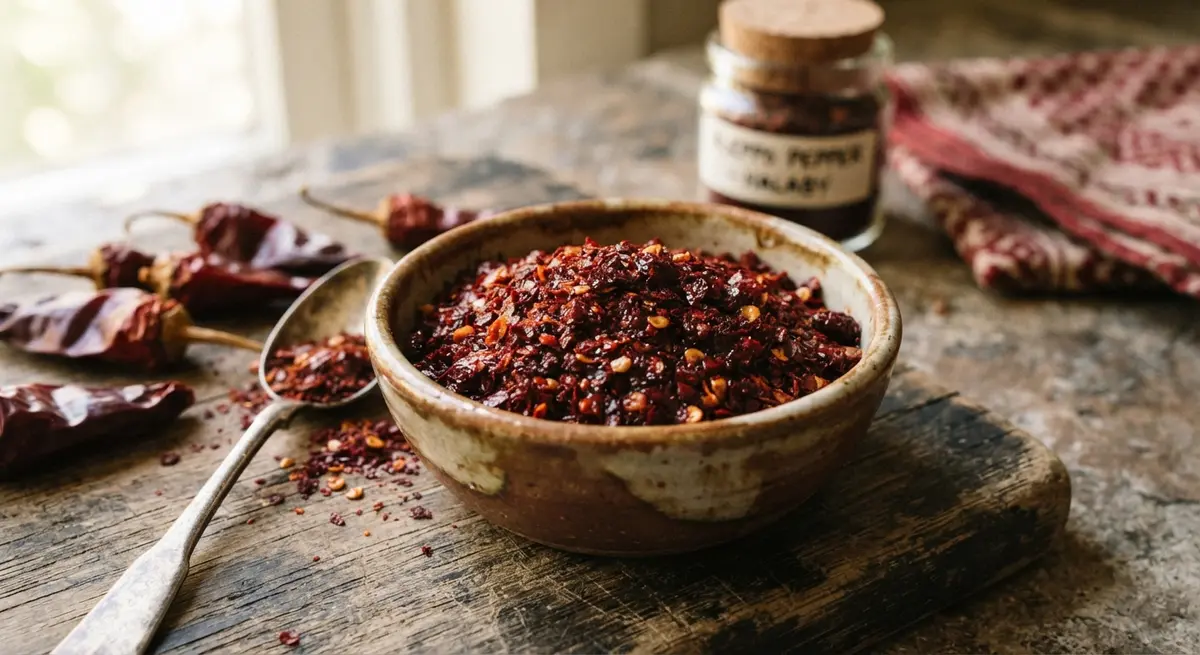
Aleppo pepper is the chili flake for people who want the color, aroma, and warmth of red pepper without the fireworks. Named for the Syrian city that built its reputation, it is made from a Capsicum annuum variety that is dried, seeded, and coarsely crushed into deep red flakes with a glistening sheen of oil. It tastes fruity and faintly sweet, with a cumin-like warmth and a hint of sun-dried tomato, and it carries a gentle heat that never once bites you back — maybe a quarter of the fire of standard red pepper flakes. That restraint is exactly why Middle Eastern and Mediterranean cooks reach for it by the handful.
Its trick is that it cooperates. It does not scorch like fine cayenne, you can use it generously, and it keeps its color and flavor even in long, slow braises.
Flavor Profile & Notes
Fruit-forward and nicely rounded, with sun-tomato sweetness, a soft cumin note, and warm, gradual heat. The flakes are coarse, oily, and cling beautifully to food. Unlike cayenne, it is pleasant to eat in volume, so you can season by sight and finish by taste. Add it early to bloom in oil, or sprinkle it over yogurt, eggs, and dips after cooking — it does both happily. Store it sealed; the oil that gives the flakes their sheen is the flavor carrier and will turn rancid if exposed to prolonged heat or light.
Health Benefits & Nutrition
As a red chili, Aleppo brings beta-carotene, vitamin C, and the capsaicin behind chili warmth. The honest kitchen benefit is its place on the plate: with heat this manageable, it is one of the easiest ways to make vegetables appealing without dairy or sugar as a bandage — a spoonful over roast carrots is real flavor for a low-sodium dinner.
Best Culinary Pairings
Aleppo is at home anywhere the Mediterranean does a pinch of spice: hummus, muhammara, fattoush and salads with lemon and olive oil, shakshuka, roast cauliflower, and marinated lamb or chicken skewers. Stir a heaping spoonful into olive oil as a finishing drizzle for eggs, fish, or flatbread, or rub it into eggplant before roasting. It is also lovely where allspice meets dessert: a pinch in pumpkin pie spice or over poached fruit brings a warm, smoky surprise.
Quick Substitutes
The honest benchmark is three-quarters sweet paprika plus a quarter cayenne or smoked chili. For heat that arrives like Aleppo's warm smile, maras pepper is the closest single jar but harder to find; Urfa, raisiny and sweet, is milder and darker. All three are worthy pantry residents that never bite the way generic red flakes do.
FAQ / Quick Facts
- How long does it keep? Sealed and away from light, Aleppo flakes hold their color for about a year before the oil dulls.
- How hot is it? Roughly a quarter of standard red pepper flakes — warm, fruity, and basically friendly.
- Can I cook with it, not just garnish? Yes — it blooms beautifully in oil and holds up in braises without scorching.
- Botanical family / Form / Best uses: Capsicum annuum (Solanaceae) / coarse dried flakes / dips, eggs, roast vegetables, kebabs, and salads.
Related Articles
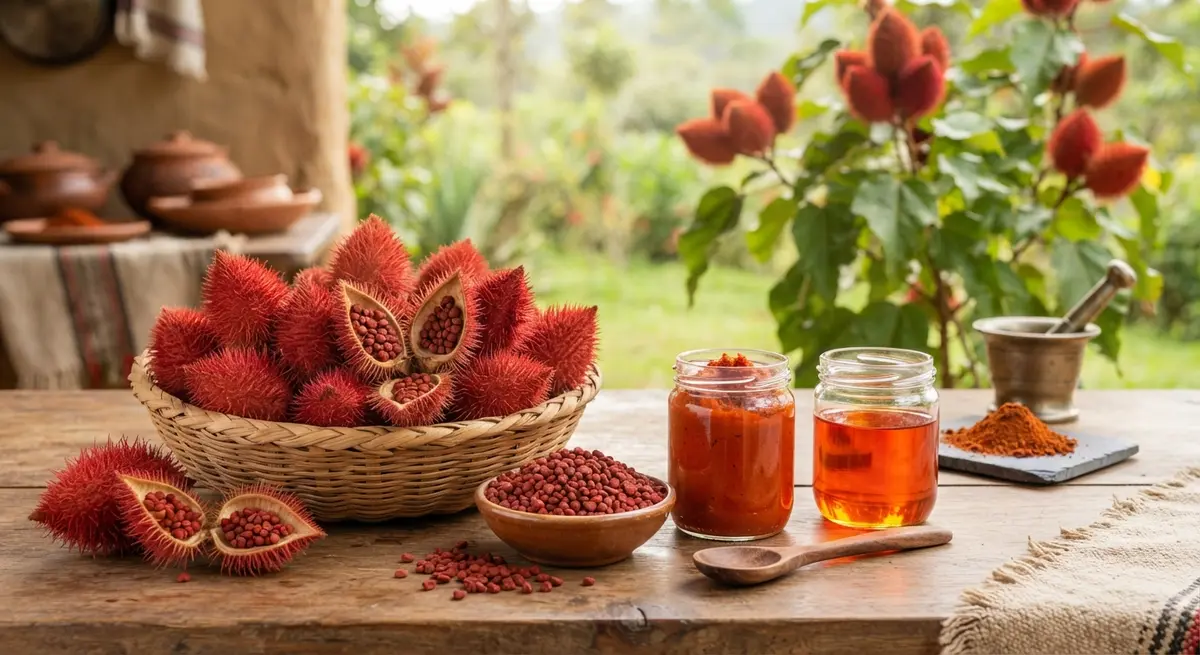
Achiote (Annatto): Flavor Profile, Health Benefits & Culinary Uses
Tiny coral-red seeds that paint food golden: the annatto tree's achiote, how to use the seeds and the Yucatan paste, and honest color substitutes.
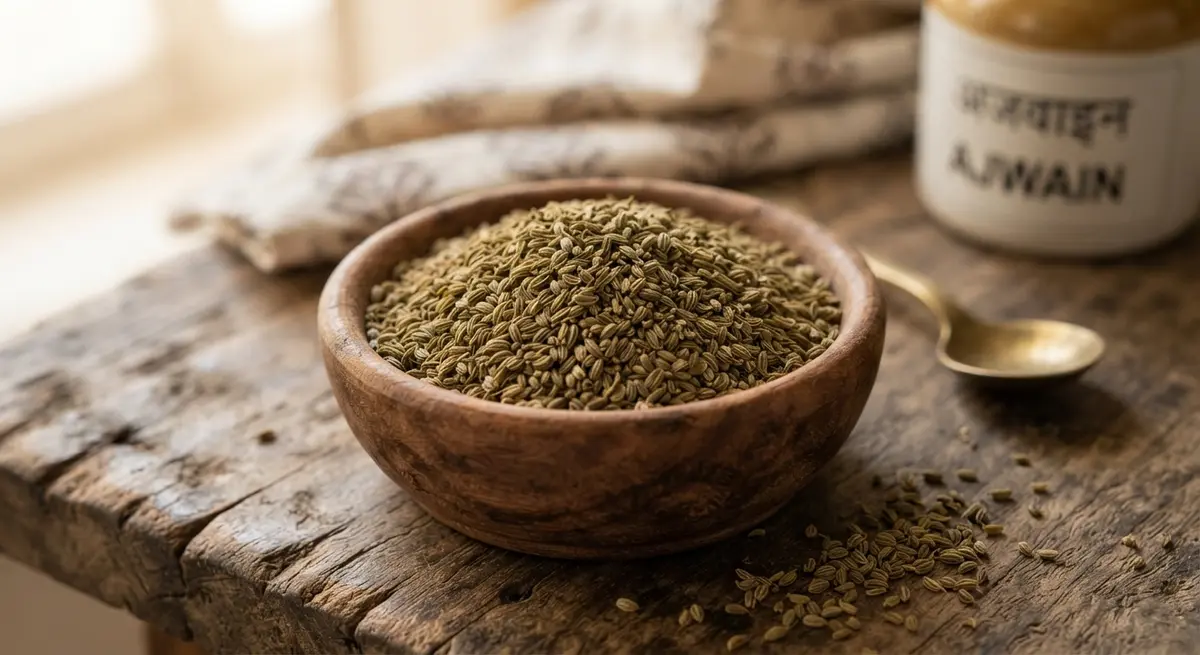
Ajwain (Carom) Seeds: Flavor Profile, Health Benefits & Culinary Uses
A tiny gray-brown seed that tastes like thyme, oregano, and cumin had a baby with a timer fuse. Here is how and why Indian kitchens use ajwain.
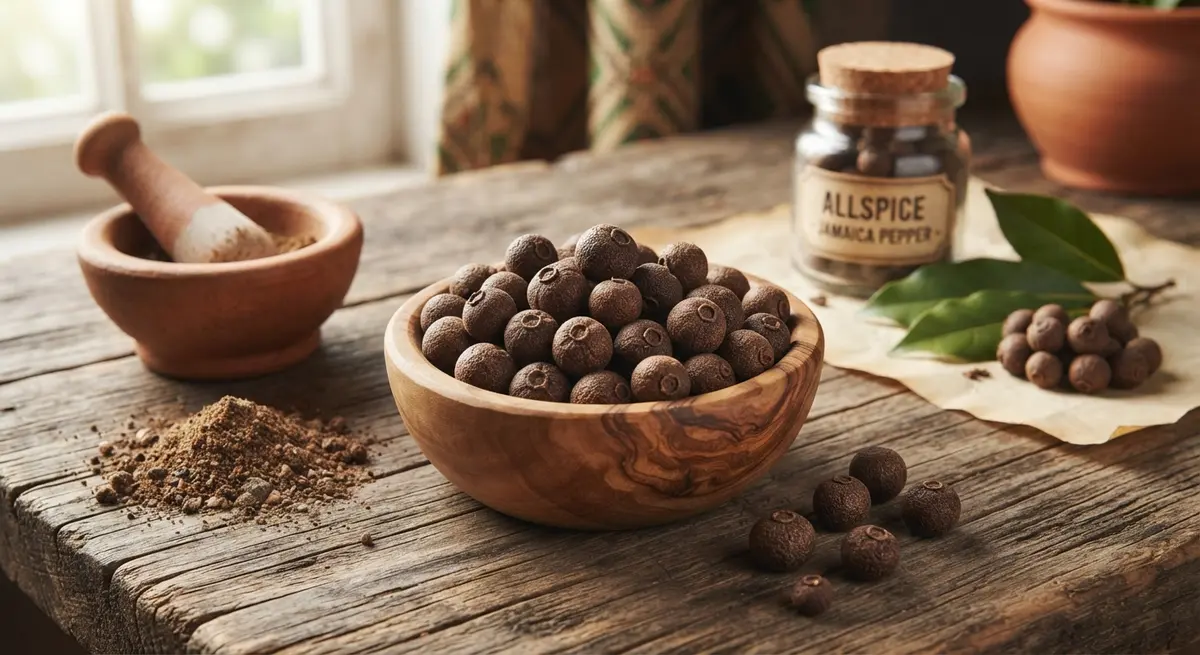
Allspice (Jamaica Pepper): Flavor Profile, Health Benefits & Culinary Uses
The original seasoning cheat: a single berry tasting of cinnamon, clove, and nutmeg, born in Jamaica, baked into jerk and grandmothers' Christmas cakes alike.
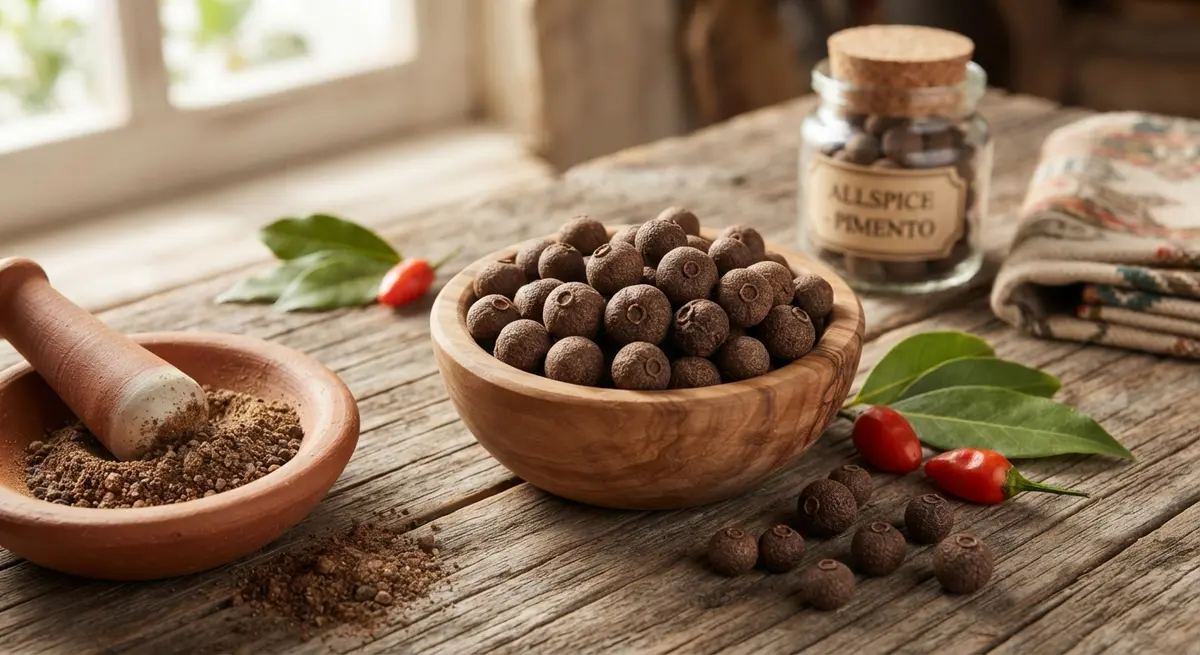
Allspice (Pimento): Flavor Profile, Health Benefits & Culinary Uses
Allspice is one dried berry that tastes like clove, cinnamon, nutmeg, and pepper in a single jar, and it swings from jerk chicken to apple pie with ease.
About the Authors
This recipe and guide was developed, tested, and approved in our home kitchen and daily life. Jamy is a retired Food Service District Manager and Early Childhood Program Manager who spent his career overseeing multi-site restaurant operations, large-scale culinary production, and daycare menu management. Kaïna brings the ultimate real-world test: making sure it brings ease and joy to our kids on a busy weeknight.
Read more about our professional background and philosophy →