Allspice (Jamaica Pepper): Flavor Profile, Health Benefits & Culinary Uses
By the QuiteRecipes team (Jamy & Kaïna)
The original seasoning cheat: a single berry tasting of cinnamon, clove, and nutmeg, born in Jamaica, baked into jerk and grandmothers' Christmas cakes alike.
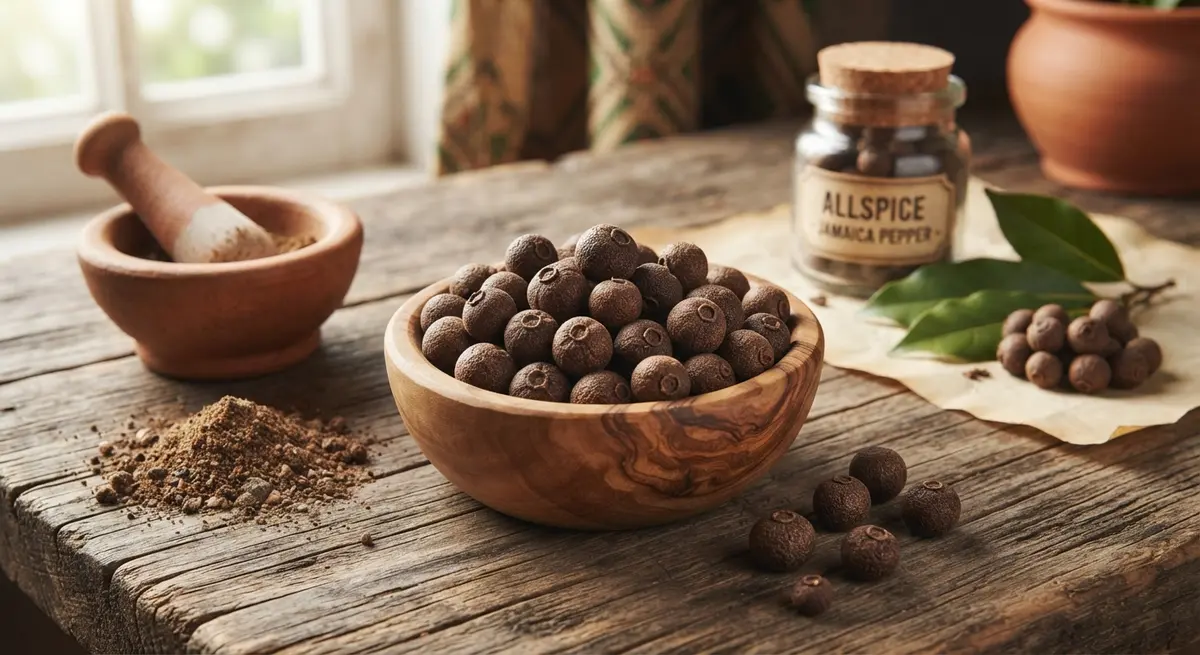
Allspice is the world's original seasoning cheat. One berry, a single spice, tasting like cinnamon, clove, and nutmeg rolled into one — which is why the Spanish, meeting it in the Caribbean, called it pimienta de Jamaica and assumed it was a mixture.
Jamaica adopted the berries of Pimenta dioica as national flavor. They are the backbone of jerk, the aromatic smoke of pimento wood, and the secret warmth in Caribbean rice and peas, Christmas cakes, and anything that wants the spice rack in one pinch.
Flavor Profile & Notes
The dried berry's flavor is warm, aromatic, and rounded: clove's eucalyptus-edged heat fades into cinnamon sweetness with nutmeg and a crackle of black pepper on the finish. Whole berries release slowly and are meant for simmering — tuck them into pickling brines, mulled cider, or a pot of beans — while ground allspice blooms fast and belongs in rubs and batters. About four or five whole berries equal a quarter teaspoon ground, so match them carefully. It smells like a Jamaican hillside and tastes like a baker's holiday.
Health Benefits & Nutrition
Allspice carries eugenol, the same aromatic compound that makes clove oil famous in dentistry, along with a family of antioxidants studied for everyday anti-inflammatory activity. In honest kitchen quantities it contributes gentle, measurable plant compounds rather than dramatic effect, and it has the usual spice rack virtue: it adds depth without salt, sugar, or fat. It even brings a trace of manganese if you are counting. Treat it, correctly, as a warm way to season the wholesome side of your plate.
Best Culinary Pairings
Jerk marinades — scallion, thyme, Scotch bonnet, allspice, and pimento smoke — are the fame, but allspice keeps busy beyond them. It belongs in chili, tomato sauce, and pickling brines; in Caribbean rice and peas, curries, and baked beans; and in the sweet lane, where it turns apple desserts, pumpkin pie, poached pears, mulled wine, and Christmas cakes into something spiced and generous. A little allspice in hot chocolate or coffee is a quiet thing you will never un-taste.
Quick Substitutes
A blend of equal parts ground cinnamon, cloves, and nutmeg, with a generous pinch of black pepper, reproduces the whole-berry effect. For whole-berry needs, a cinnamon stick with a clove or two covers most recipes. When ground allspice is named and you have only whole berries, grind them fresh — the difference, as with every spice, is notable. If you have pumpkin pie spice and nothing else, use it and skip the extra cinnamon.
FAQ / Quick Facts
- Why is it called allspice? Because one berry tastes like a blend of cinnamon, clove, nutmeg, and pepper all at once.
- Where is it from? Pimenta dioica, a tree of the Caribbean — Jamaica named it pimento and adopted it as national spice.
- Form / uses: Whole dried berries for simmering, ground for rubs and baking; the closest whole-berry swap is cinnamon stick plus cloves.
Related Articles
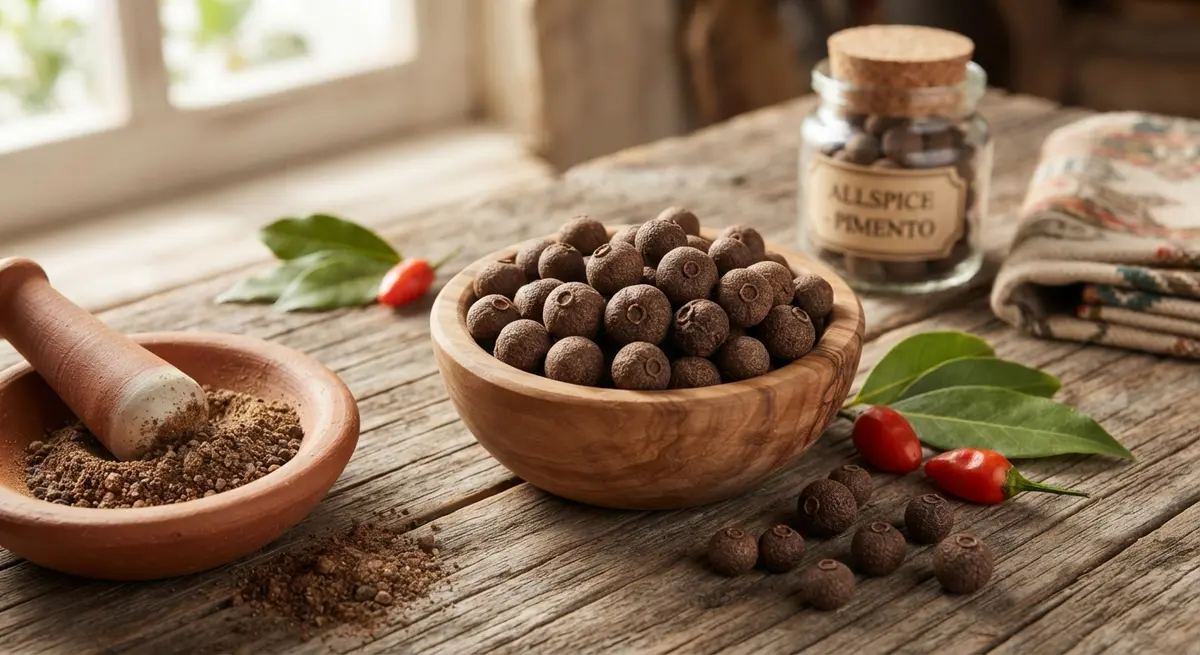
Allspice (Pimento): Flavor Profile, Health Benefits & Culinary Uses
Allspice is one dried berry that tastes like clove, cinnamon, nutmeg, and pepper in a single jar, and it swings from jerk chicken to apple pie with ease.
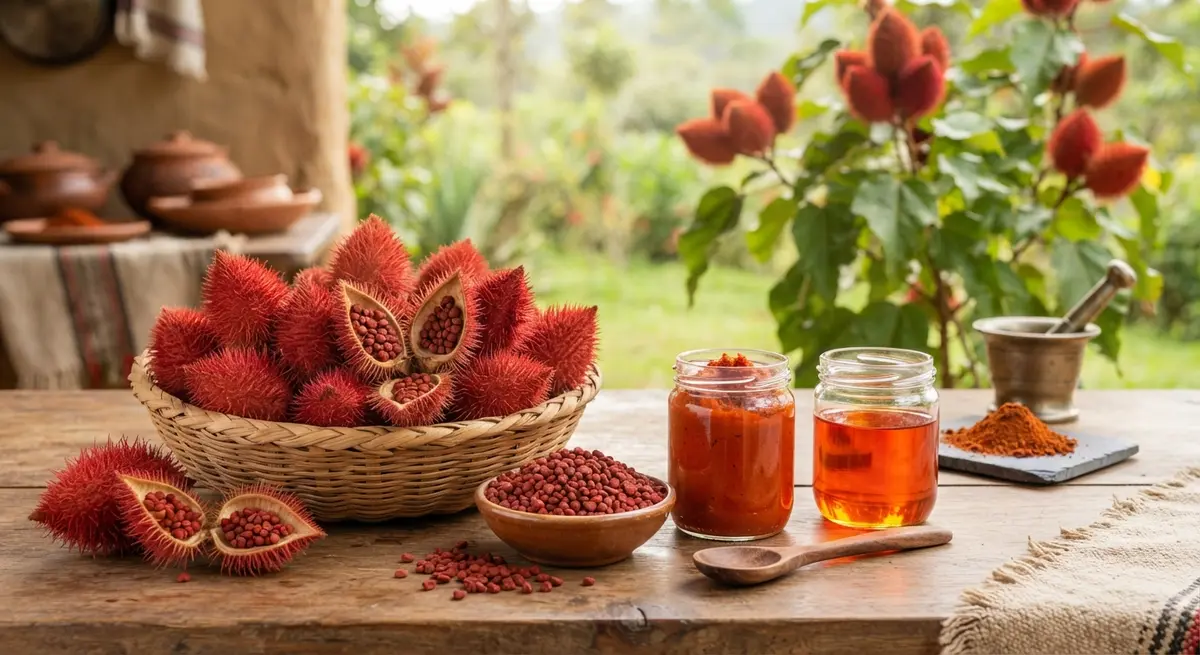
Achiote (Annatto): Flavor Profile, Health Benefits & Culinary Uses
Tiny coral-red seeds that paint food golden: the annatto tree's achiote, how to use the seeds and the Yucatan paste, and honest color substitutes.
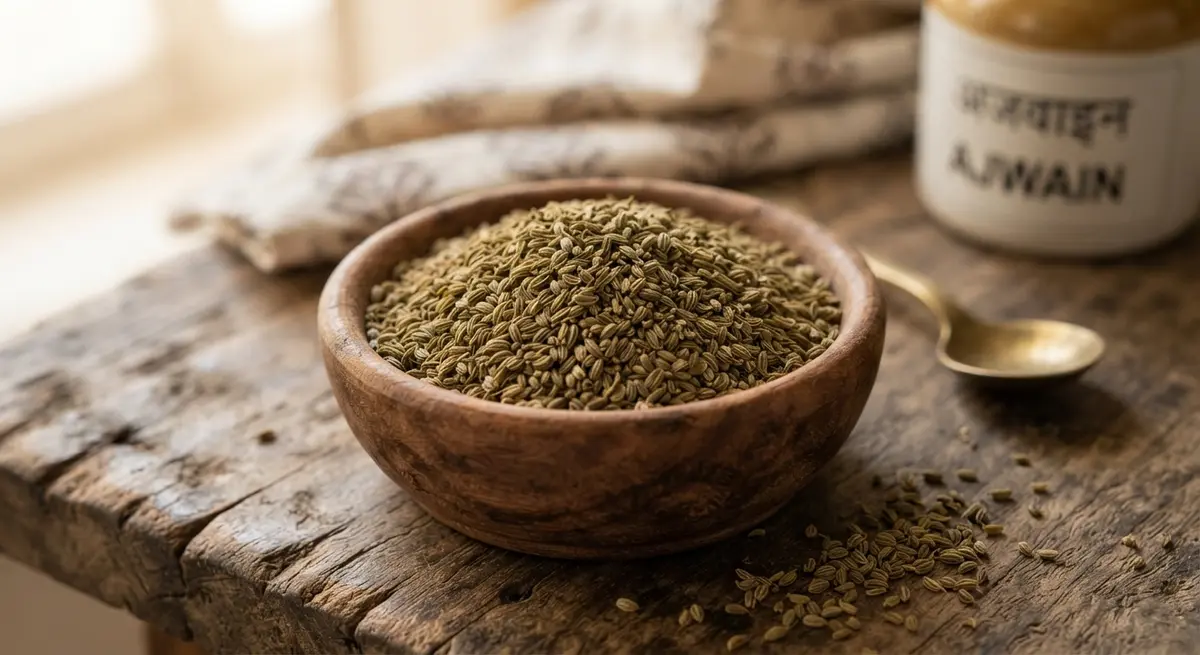
Ajwain (Carom) Seeds: Flavor Profile, Health Benefits & Culinary Uses
A tiny gray-brown seed that tastes like thyme, oregano, and cumin had a baby with a timer fuse. Here is how and why Indian kitchens use ajwain.
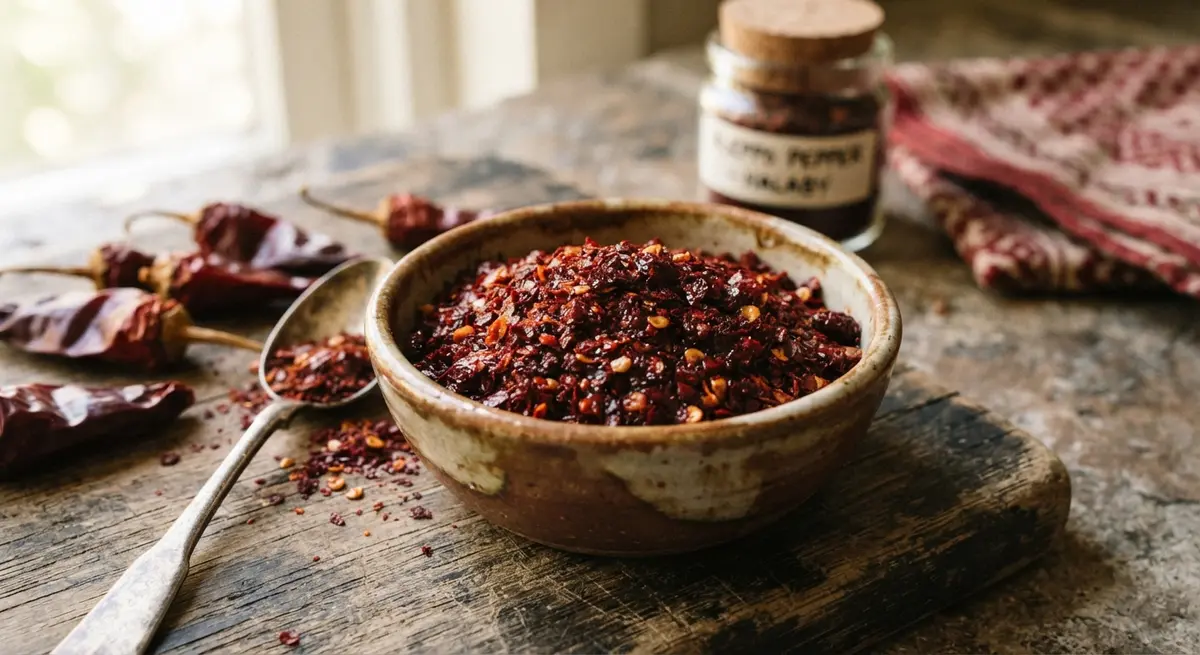
Aleppo Pepper: Flavor Profile, Health Benefits & Culinary Uses
Aleppo is the Mediterranean's gentle red flake, fruity and warm with real heat that never bites, perfect for everything from muhammara to roast carrots.
About the Authors
This recipe and guide was developed, tested, and approved in our home kitchen and daily life. Jamy is a retired Food Service District Manager and Early Childhood Program Manager who spent his career overseeing multi-site restaurant operations, large-scale culinary production, and daycare menu management. Kaïna brings the ultimate real-world test: making sure it brings ease and joy to our kids on a busy weeknight.
Read more about our professional background and philosophy →