Lovage Root: Flavor Profile, Health Benefits & Culinary Uses
By the QuiteRecipes team (Jamy & Kaïna)
The tallest, boldest member of the celery family — the root is where the flavor concentrates. Here's how much to use and where it excels.
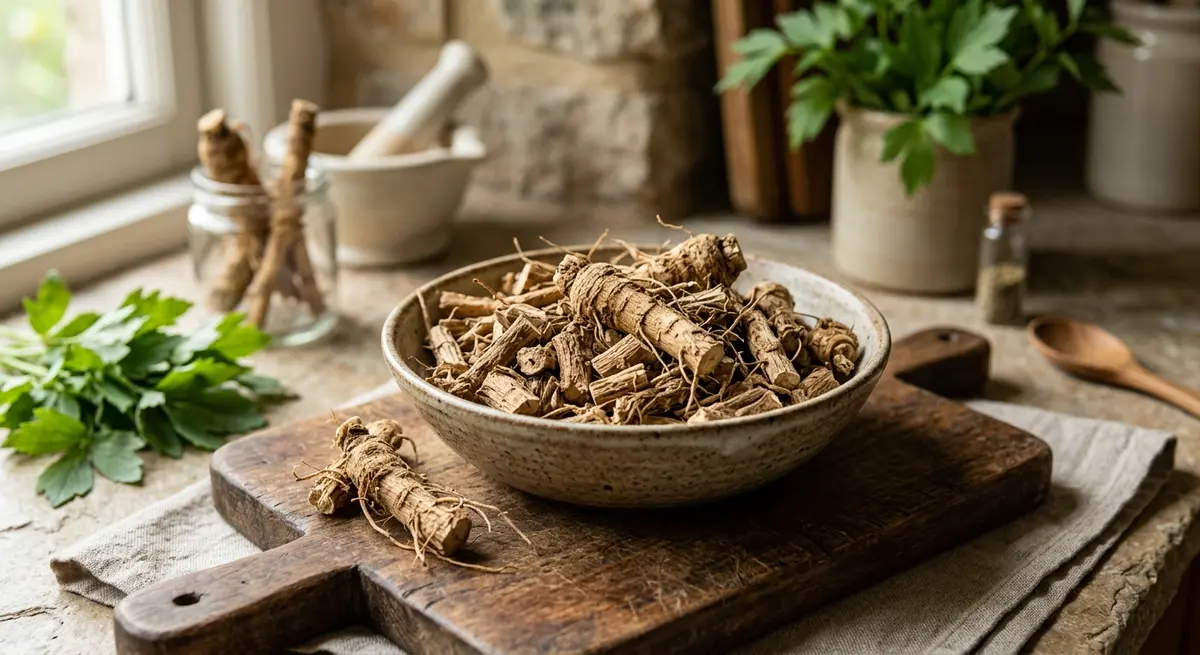
Lovage is the tallest, boldest member of the celery family, and it once held pride of place in herb gardens before supermarkets made it optional. The root, dug after the first frost, is the strongest part of the plant: intensely savory, with a blend of celery, parsley, and a whisper of yeasty broth — which is why cooks call it the "Maggi plant."
A little shred goes a long way: the root is best treated as a flavoring, not a vegetable to heap onto a plate.
Flavor Profile & Notes
Raw lovage root smells like parsley and celery with an umami, almost chicken-style base. Grated and added late in cooking it is sharp, green, and savory; simmered long, it deepens into a rich stock-like note. It contains many of the same compounds that give celery its ozone-and-salt quality, plus lactones that add a brothy, bouillon character. The bitterness is real and grows louder with age, so taste as you go.
Health Benefits & Nutrition
Lovage is genuinely nutritious as vegetables go — good for vitamin C, potassium, and a few B vitamins — and its roots carry a long European history of herbal use for digestion and water retention. People with kidney conditions and pregnant women should avoid concentrated root use; for everyone else, a small knob in a pot is traditional and pleasant.
Best Culinary Pairings
The root belongs in stocks, broths, and slow braises — a small knob alongside carrots and leeks disappears into a deep, savory base. Grate it over roasted chicken or into mashed potatoes for a celery-meets-umami lift. It is excellent in bean soups, lentil stews, and split-pea soup, where it behaves like a natural bouillon. Rye breads and pickled vegetables take a hint of it well. In small amounts it brightens potato salad, egg dishes, and cream sauces. If you grow lovage, the leaves season salads and stews all summer while the root waits for fall.
Quick Substitutes
Honestly, nothing matches lovage root's brothy celery-and-depth in one ingredient. Start with celery seeds plus diced celery ribs and a pinch of celery salt to mimic the savory note. In broths, a tablespoon of nutritional yeast plus extra celery helps recreate that brothy umami. For the leaves, celery leaves are the closest relative in taste, just quieter.
FAQ / Quick Facts
- Can I eat the whole plant? Yes — root, stems, leaves, and seeds are all usable; the leaves are mildest and the root strongest.
- Does cooking tame it? Simmering softens the sharpness into richness; quick grating keeps it bright. Taste as you go either way.
- What does it taste like? Intense celery and parsley with a brothy umami note that reads almost like a soup cube.
- Botanical family: Apiaceae / Form: fresh root, dried, or seed / Best uses: stocks, braises, bean soups, potatoes.
Related Articles
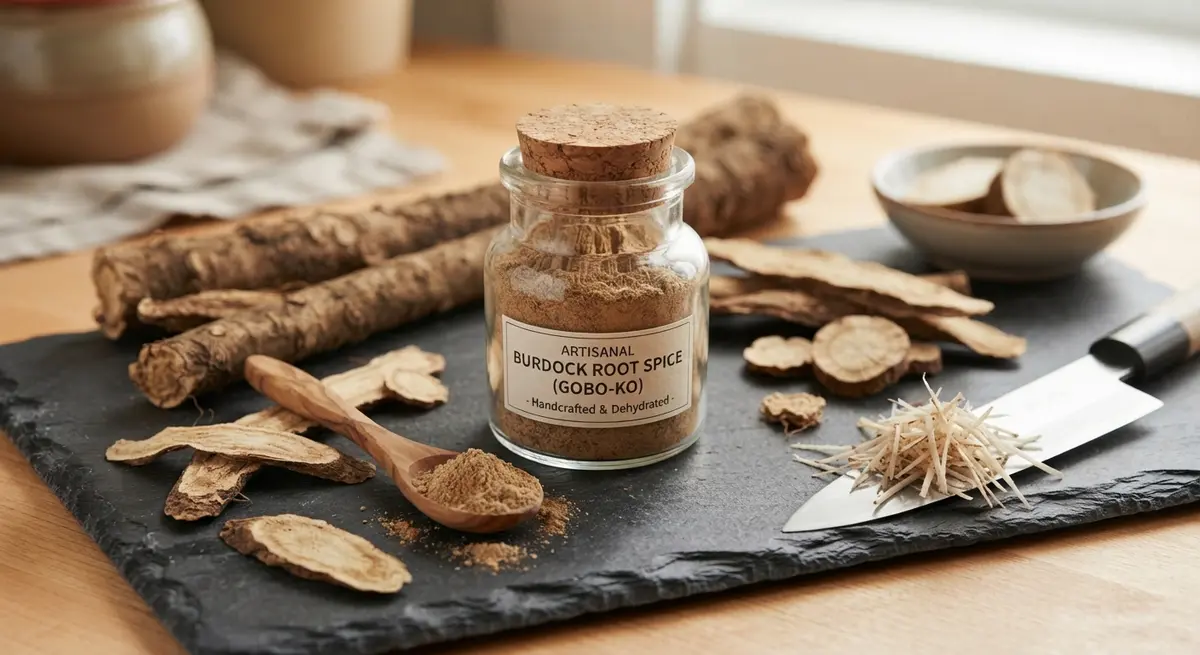
Burdock Root: Flavor Profile, Health Benefits & Culinary Uses
The humble weed that cooks on three continents refuse to give up. How to stir-fry, braise, and pickle burdock, plus prebiotic fiber facts.
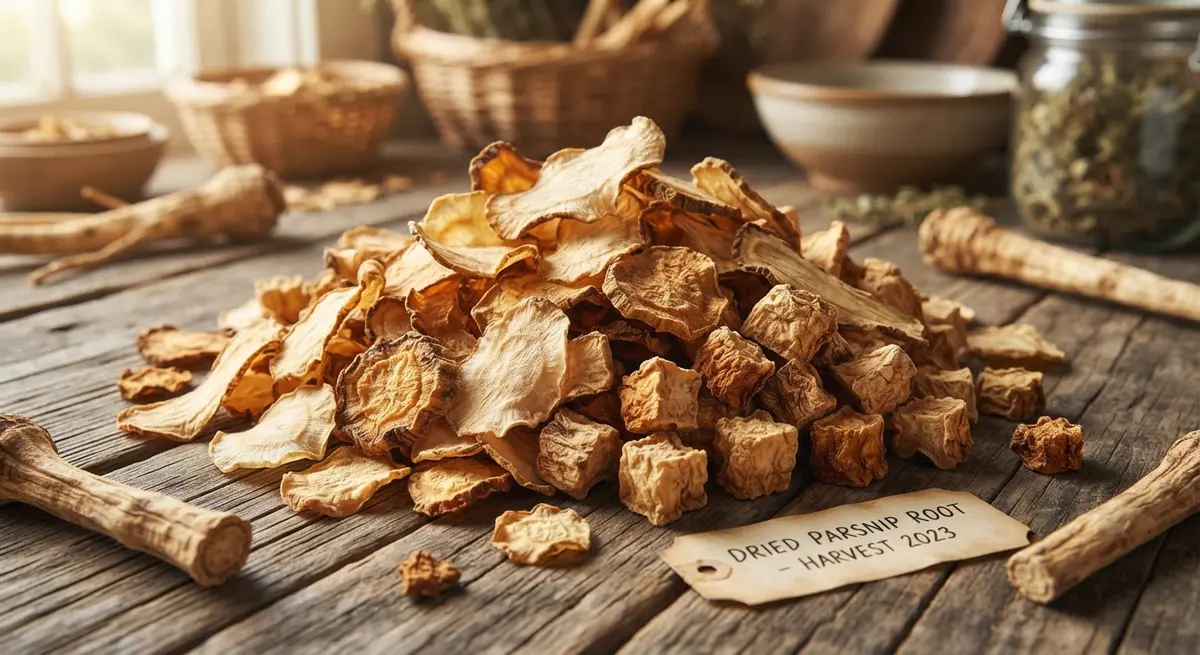
Dried Parsnip Root: Flavor Profile, Health Benefits & Culinary Uses
An orange-and-carrot cousin hiding in plain sight: dried parsnip root as powder, flakes, and sweet-savory seasoning for your whole winter kitchen.
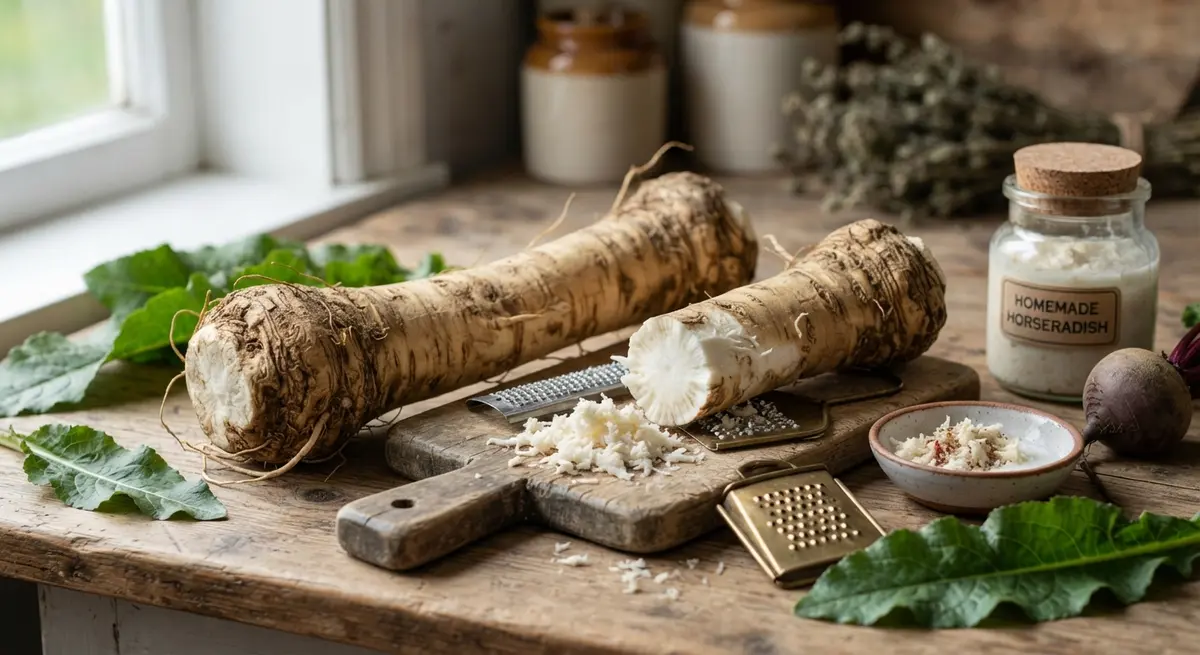
Horseradish Root: Flavor Profile, Health Benefits & Culinary Uses
Fresh horseradish is a different creature than the jarred kind. Learn to pick, grate and use it so the heat lands where it should and pairs like a pro's.
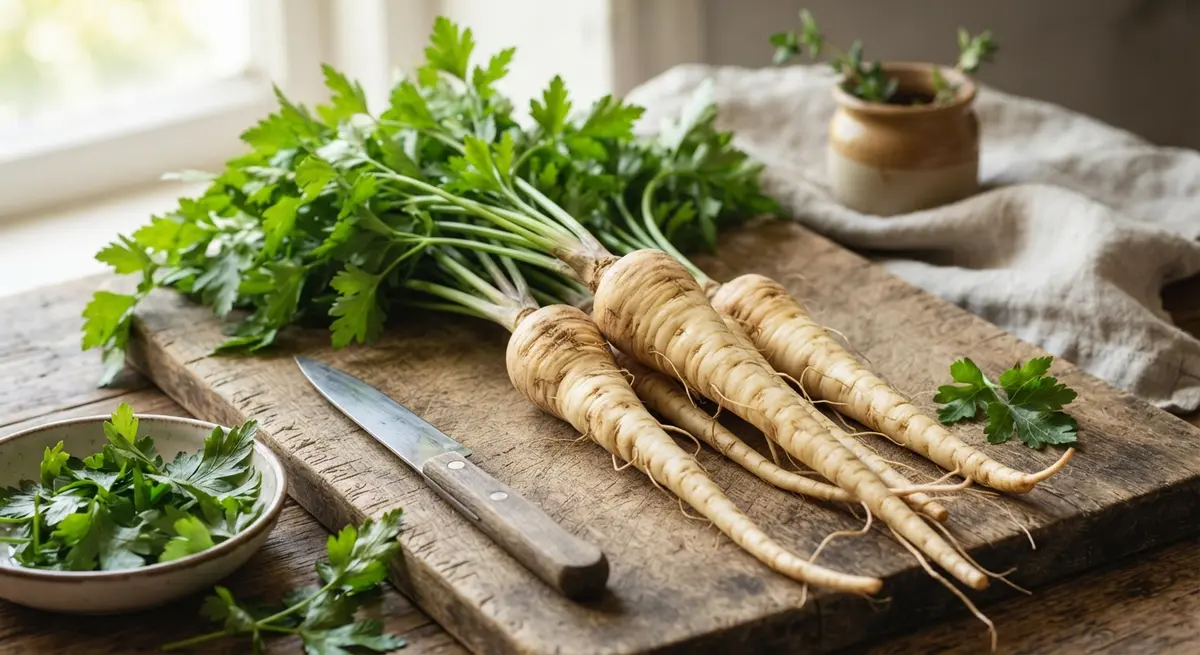
Parsley Root: Flavor Profile, Health Benefits & Culinary Uses
The carrot-topped twin of the herb on your rack, only earthier and herb-forward. Where to find it, how to cook it, and better substitutes.
About the Authors
This recipe and guide was developed, tested, and approved in our home kitchen and daily life. Jamy is a retired Food Service District Manager and Early Childhood Program Manager who spent his career overseeing multi-site restaurant operations, large-scale culinary production, and daycare menu management. Kaïna brings the ultimate real-world test: making sure it brings ease and joy to our kids on a busy weeknight.
Read more about our professional background and philosophy →