Parsley Root: Flavor Profile, Health Benefits & Culinary Uses
By the QuiteRecipes team (Jamy & Kaïna)
The carrot-topped twin of the herb on your rack, only earthier and herb-forward. Where to find it, how to cook it, and better substitutes.
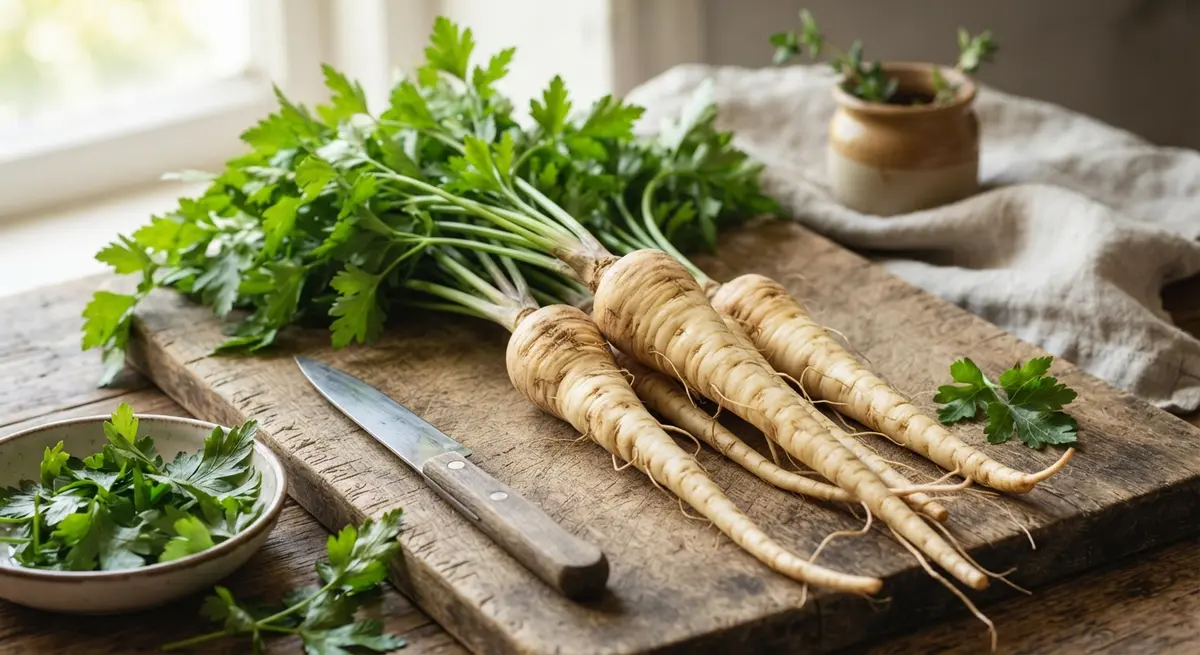
Parsley root is the carrot-topped twin of the herb on your spice rack — a thick, cream-colored root grown from a special root-cultivar of garden parsley (Petroselinum crispum var. tuberosum). It looks like a pale, stubby parsnip and eats like a cross between celery, carrot, and parsley leaf: vegetal, mildly sweet, with a clean fresh-herb edge that standard root vegetables cannot match.
It is a staple of Central and Eastern European cooking — think root soups, celeriac dishes, and mashed favorites — and it deserves a place in your winter pot beside parsnips and turnips.
Flavor Profile & Notes
Parsley root is sweet in a shy, earthy way with a pronounced parsley character — like a carrot that studied herbs instead of sunshine. Raw it is crunchy and mildly pungent, almost celeriac-like; roasted it turns mellow and nutty while keeping a savory green note. Boiled or pureed it becomes silky and faintly sweet, a natural thickener for soups. Unlike parsnips, it rarely gets overly sugary, and it holds up to long braising without turning to mush.
Health Benefits & Nutrition
Parsley root is a quietly honest root vegetable: low in calories, rich in fiber, and a surprisingly good provider of vitamin C, iron, B vitamins, and potassium. That stash of antioxidants and flavonoids sits behind its folk-medicine reputation, though you should enjoy it as a vegetable first and a tonic second. Like most root vegetables it is naturally low in sodium. Anyone with kidney or urinary concerns should keep use ordinary and check with a doctor before making it a habit.
Best Culinary Pairings
It is magical in cream-based soups, where its celery-herb note keeps the richness honest, and it purees into a silky version of mashed roots. Roast it alongside carrots, parsnips, and beets with honey or maple, or simmer it in beef and chicken stock. Grated raw, it gives potato salad and remoulades a crisp, sherbet-bright bite. Czech and Polish cooks add it to pork roasts and sauerkraut; German kitchens puree it with potatoes for a twist on potato soup.
Quick Substitutes
Celeriac is the closest root for texture and herbal character — swap it cup for cup. Celery rib plus carrot approximates the flavor and sweetness when no root is available. Parsnips cover the body and sweetness but lose the parsley-herb note, so toss in a handful of fresh parsley leaves to fake it. Turnips work in soups for texture without the flavor. For most dishes, chopped celery with a parsnip puree is the most honest stand-in family.
FAQ / Quick Facts
- Can I eat it raw? Yes — grated into salads it is crunchy, mildly sweet, and slightly celery-like.
- Does it freeze well? Blanched and frozen it holds for months, but expect it to soften in soups rather than stay crunchy.
- What does it taste like? Parsley-flavored carrot — mildly sweet, earthy, with a fresh green-herb finish.
- Botanical family: Apiaceae / Form: fresh root / Best uses: soups, roasts, purees, raw salads.
Related Articles
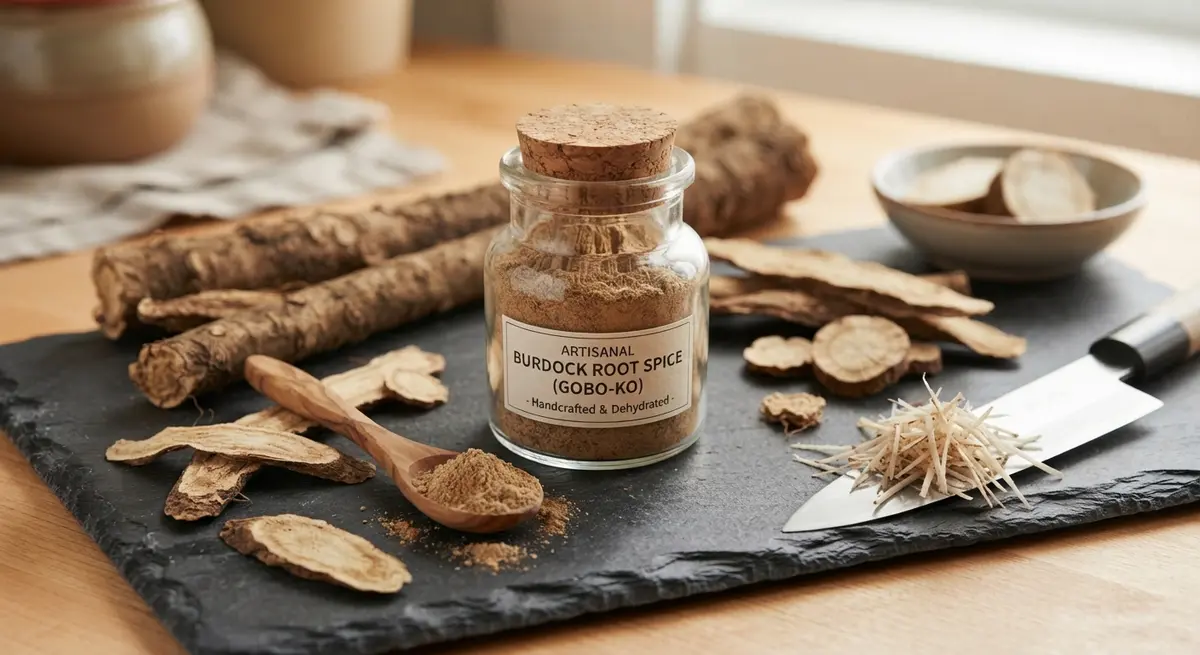
Burdock Root: Flavor Profile, Health Benefits & Culinary Uses
The humble weed that cooks on three continents refuse to give up. How to stir-fry, braise, and pickle burdock, plus prebiotic fiber facts.
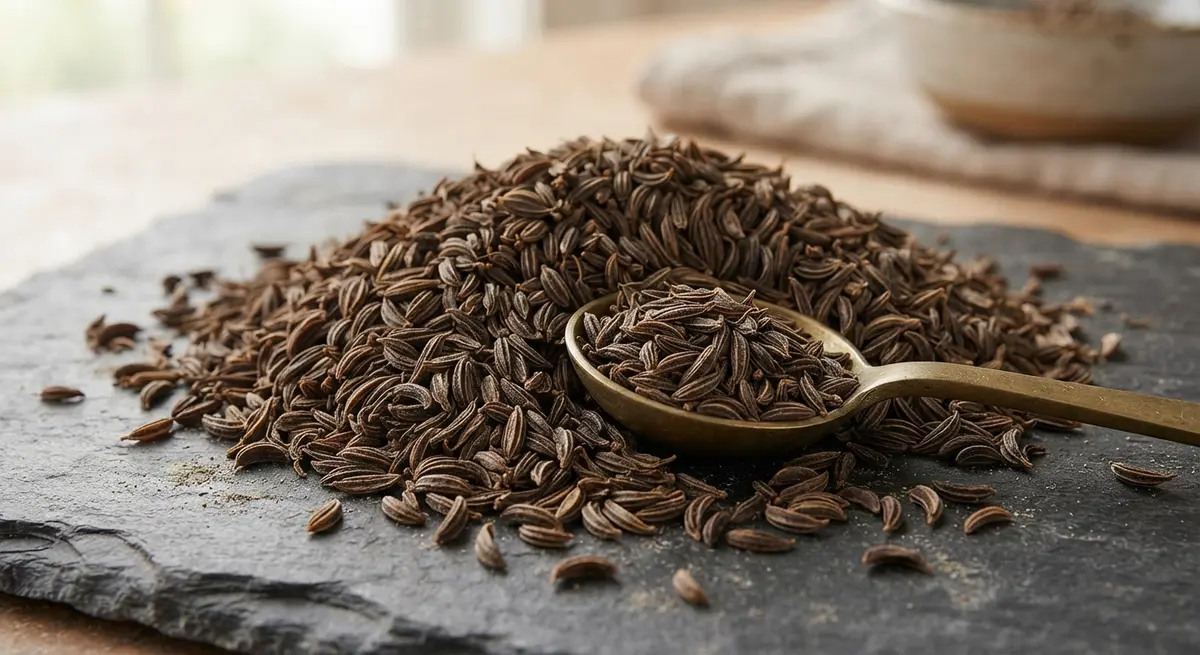
Caraway Seeds: Flavor Profile, Health Benefits & Culinary Uses
The crescent seeds flecking rye loaves and sauerkraut are caraway, warm and slightly licorice with a rye tang. Here is its profile, uses, and honest substitutes.
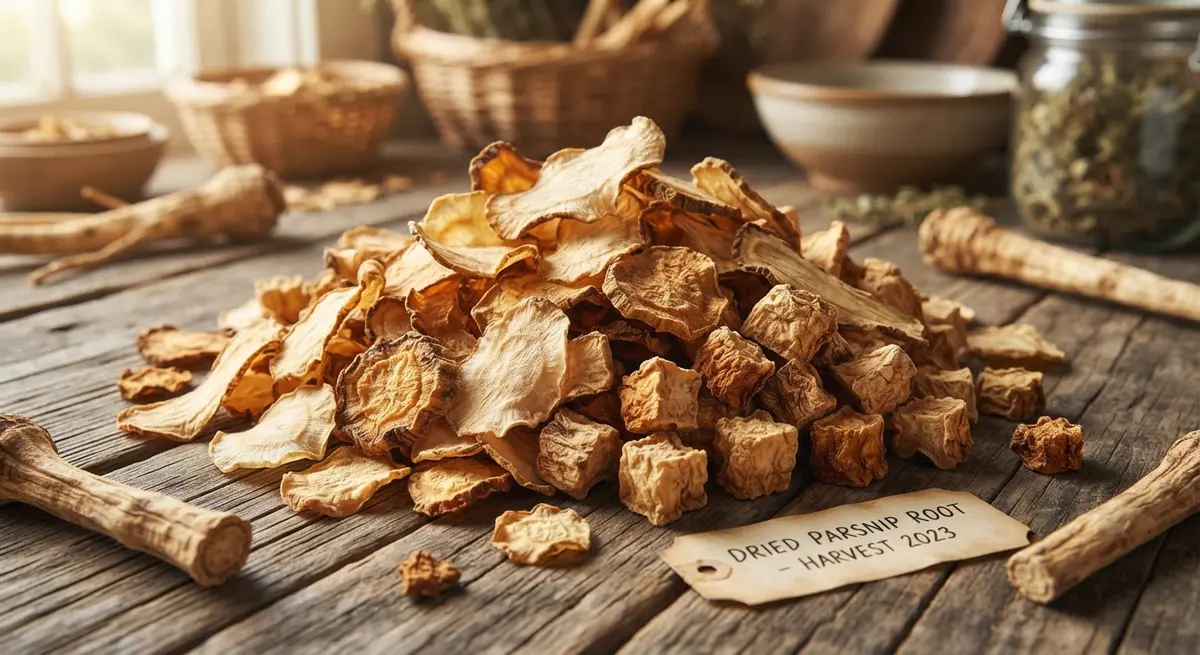
Dried Parsnip Root: Flavor Profile, Health Benefits & Culinary Uses
An orange-and-carrot cousin hiding in plain sight: dried parsnip root as powder, flakes, and sweet-savory seasoning for your whole winter kitchen.
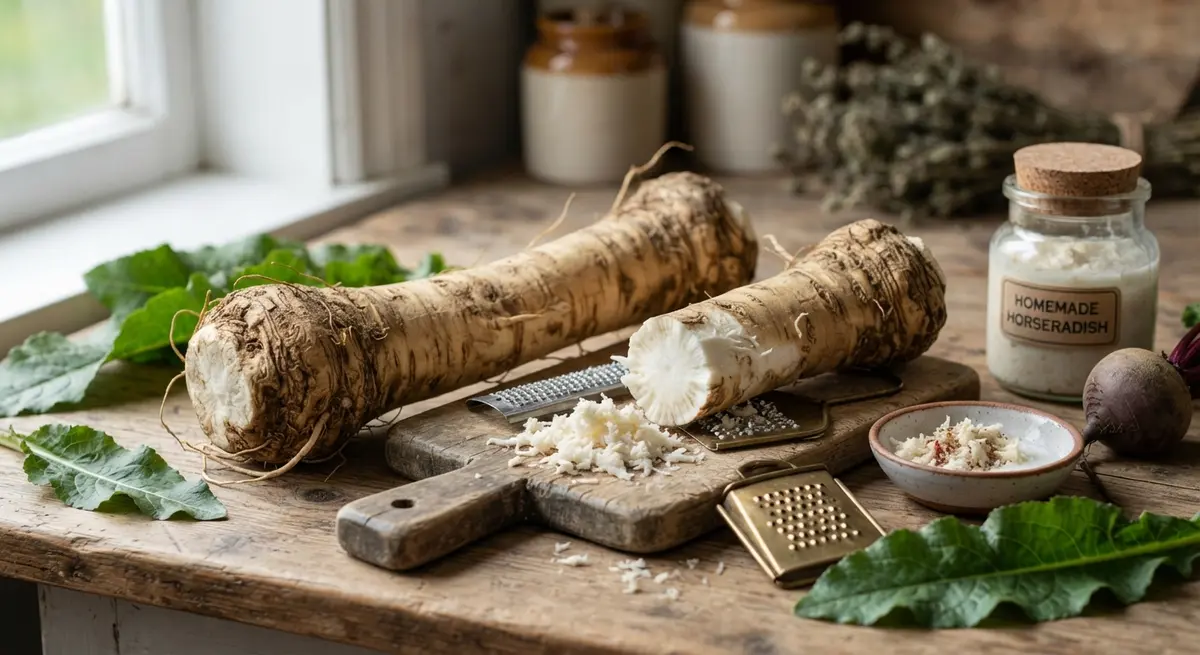
Horseradish Root: Flavor Profile, Health Benefits & Culinary Uses
Fresh horseradish is a different creature than the jarred kind. Learn to pick, grate and use it so the heat lands where it should and pairs like a pro's.
About the Authors
This recipe and guide was developed, tested, and approved in our home kitchen and daily life. Jamy is a retired Food Service District Manager and Early Childhood Program Manager who spent his career overseeing multi-site restaurant operations, large-scale culinary production, and daycare menu management. Kaïna brings the ultimate real-world test: making sure it brings ease and joy to our kids on a busy weeknight.
Read more about our professional background and philosophy →