Caraway Seeds: Flavor Profile, Health Benefits & Culinary Uses
By the QuiteRecipes team (Jamy & Kaïna)
The crescent seeds flecking rye loaves and sauerkraut are caraway, warm and slightly licorice with a rye tang. Here is its profile, uses, and honest substitutes.
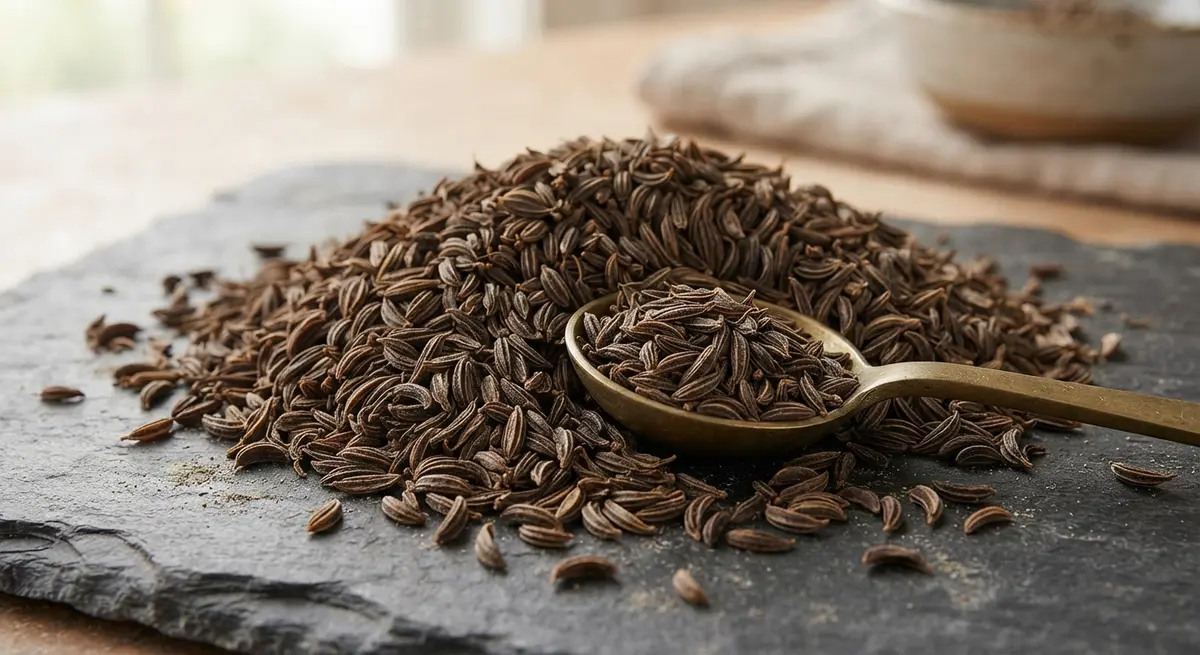
Caraway is the spice many people have eaten for a lifetime without being able to name it. It is the dark, crescent-shaped seed flecking the top of a deli rye loaf, the quiet warmth inside a jar of good sauerkraut, and the reason some seed cakes and cheeses taste older and wiser than they look. The seeds come from Carum carvi, a European and western Asian plant in the parsley family, closely related to cumin — which explains the family resemblance that confuses cooks forever.
Cumin and caraway look alike; but where cumin is dusty and savory, caraway is warm, sweet, and faintly licorice with a rye-like tang. One smell tells them apart forever. It is one of the most useful spices in Central and Eastern European cooking, criminally underused elsewhere.
Flavor Profile & Notes
Caraway tastes warm and slightly sweet, like a handshake between cumin and fennel, with a distinctive edge that reads almost like rye toast and a whisper of licorice plus lemon. The whole seeds are the best form — they perfume cabbage, bread, and braises steadily and keep their crunch without being woody. Toasted in a dry pan, caraway turns nuttier and its sharpness softens; ground caraway is stronger, more peppery, and best used in pinches. Buy whole and grind only what a recipe needs.
Health Benefits & Nutrition
Caraway has a genuinely old reputation as a digestive seed — a handful of European cuisines still hand out caraway water or tea for an unsettled stomach, and the practice has real traditional weight plus modest modern support. The seeds are a fair source of fiber, iron, and the same antioxidant families found across its parsley relatives. It is a seasoning first, but an unusually pleasant one to sneeze-proof a rich meal, which is why it has traveled with cabbage and pork for centuries.
Best Culinary Pairings
Caraway is the soul of rye and pumpernickel bread, and it makes sauerkraut, braised red cabbage, and potato soup taste finished rather than plain. It holds its own with pork — rub it into a roast, add it to a mustardy braise, or scatter it over roasted carrots and turnips — and it walks straight into seed crackers, goulash, and robust stews. Eastern European fans will greet you warmly if you add a spoon to pierogi dough, while a pinch in a cheese spread is the sleeper move.
Quick Substitutes
Because caraway is a union of cumin's warmth and fennel's sweetness, a pinch of each in tandem lines up closer than either alone — roughly three parts cumin to two parts fennel, tuned to the dish. Fennel seeds alone give the sweet side but lose the rye edge; cumin alone is the savory half but sharp. For breads, dill seeds can chip in fairly well. Every swap drifts away from the original, but the crust still bakes.
FAQ / Quick Facts
- Is caraway the same as cumin? No — same family, different flavor: cumin is savory and dusty, caraway is sweet, warm, and rye-tinged.
- Where does it get used most? Rye bread, sauerkraut, braised cabbage, and pork-heavy cooking across Central and Eastern Europe.
- Know your spice: Apiaceae family; whole or ground; the warm signature of rye, kraut, and hearty braises.
Related Articles
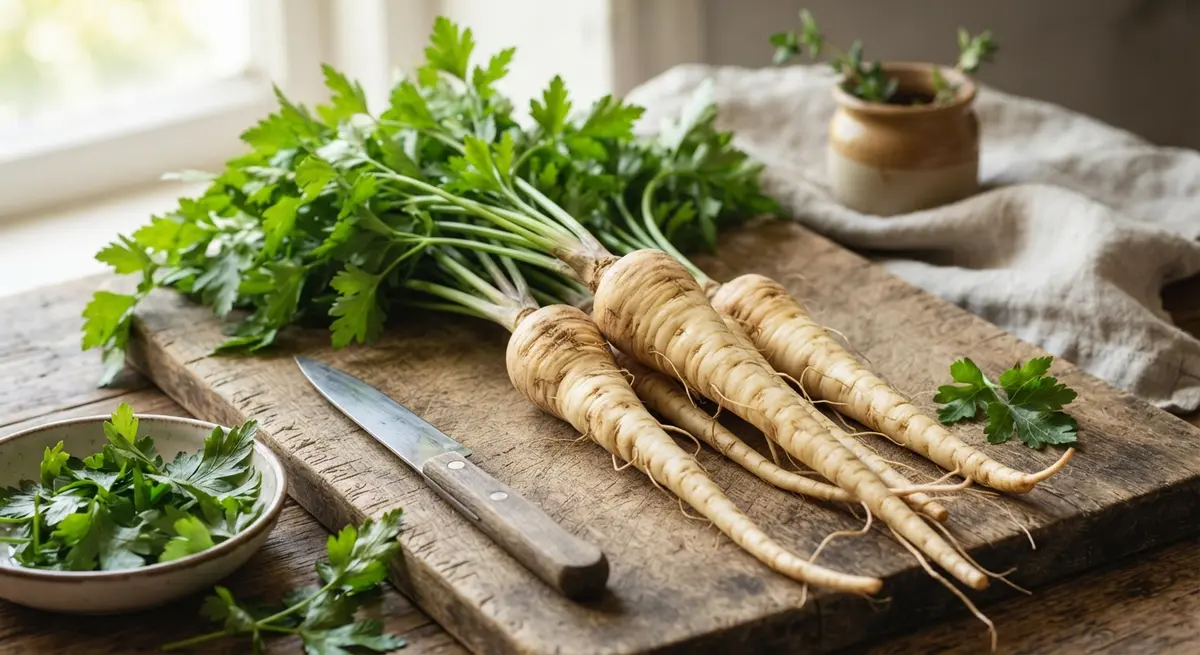
Parsley Root: Flavor Profile, Health Benefits & Culinary Uses
The carrot-topped twin of the herb on your rack, only earthier and herb-forward. Where to find it, how to cook it, and better substitutes.
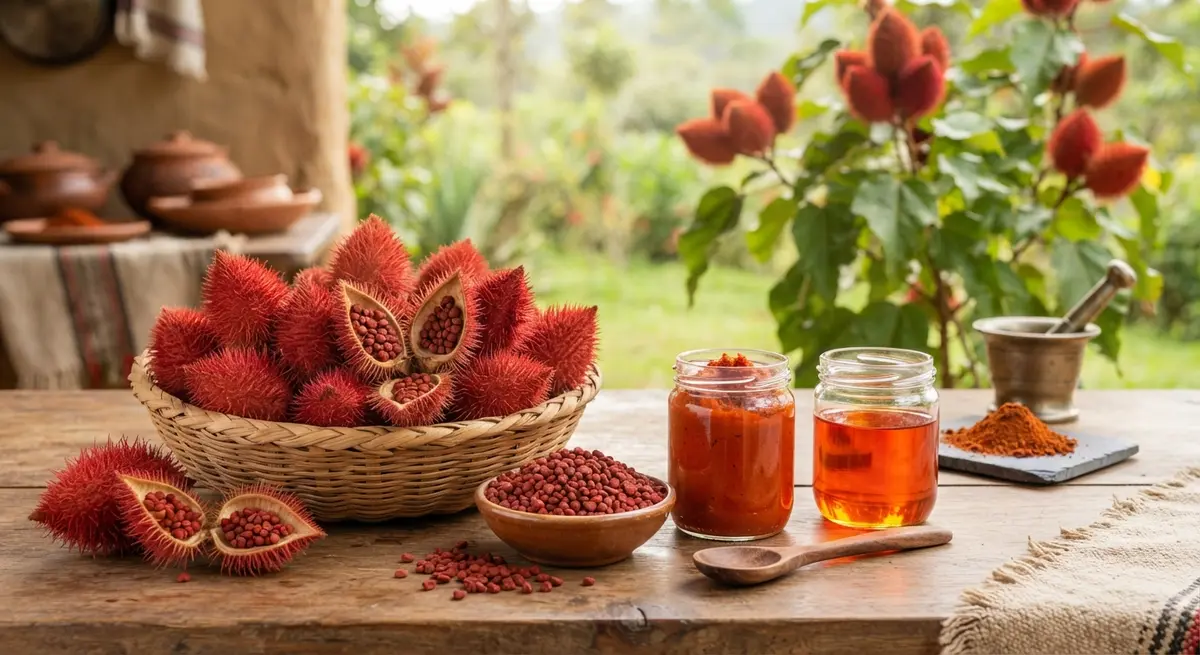
Achiote (Annatto): Flavor Profile, Health Benefits & Culinary Uses
Tiny coral-red seeds that paint food golden: the annatto tree's achiote, how to use the seeds and the Yucatan paste, and honest color substitutes.
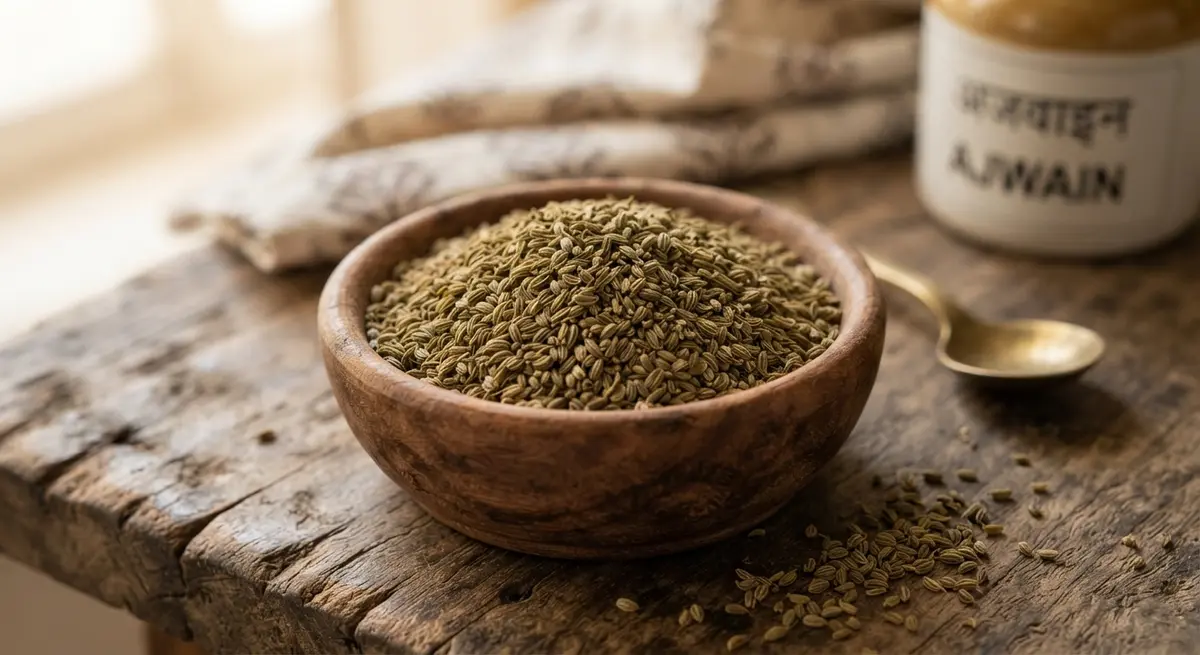
Ajwain (Carom) Seeds: Flavor Profile, Health Benefits & Culinary Uses
A tiny gray-brown seed that tastes like thyme, oregano, and cumin had a baby with a timer fuse. Here is how and why Indian kitchens use ajwain.
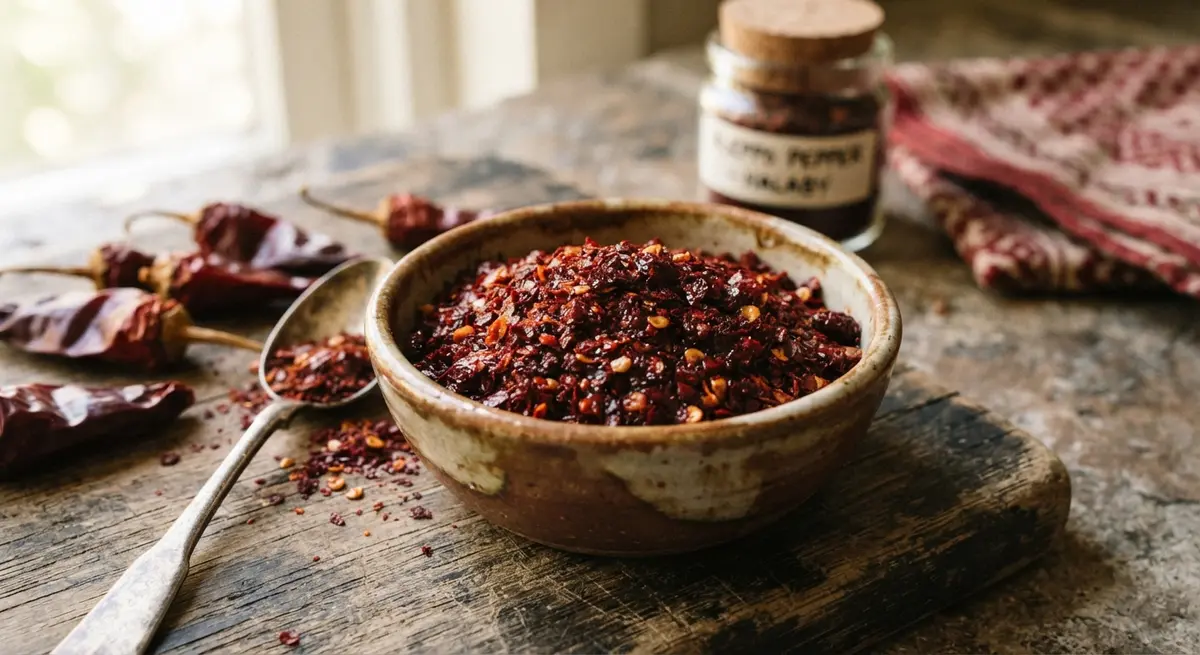
Aleppo Pepper: Flavor Profile, Health Benefits & Culinary Uses
Aleppo is the Mediterranean's gentle red flake, fruity and warm with real heat that never bites, perfect for everything from muhammara to roast carrots.
About the Authors
This recipe and guide was developed, tested, and approved in our home kitchen and daily life. Jamy is a retired Food Service District Manager and Early Childhood Program Manager who spent his career overseeing multi-site restaurant operations, large-scale culinary production, and daycare menu management. Kaïna brings the ultimate real-world test: making sure it brings ease and joy to our kids on a busy weeknight.
Read more about our professional background and philosophy →