True Lavender Pistils: Flavor Profile, Health Benefits & Culinary Uses
By the QuiteRecipes team (Jamy & Kaïna)
The only culinary lavender worth trusting is Lavandula angustifolia. What it tastes like, how a pinch behaves, and why sachet lavender stays out.
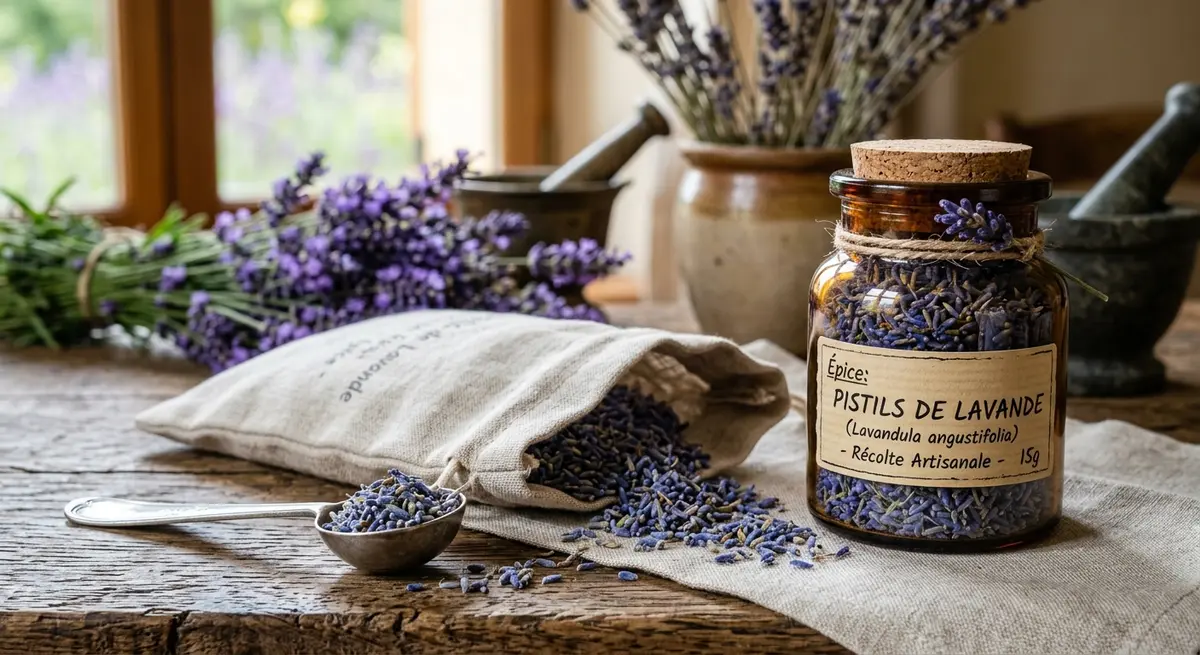
True lavender pistils — the dried individual purple flowers of Lavandula angustifolia, the English lavender — are the only culinary lavender worth trusting. English lavender is the sweet, mild one; other species, like spike lavender, lean camphorous and soapy and ruin desserts. That single distinction is why some people swear lavender tastes like perfume and others like lemon-pine honey.
Used by the pinch, lavender is a glorious Mediterranean herb. Used by the handful, you are eating potpourri. The French got this right: herbes de Provence, honey, ice cream, and syrup all treat it as a seasoning, not a spectacle.
Flavor Profile & Notes
True lavender pistils taste like a garden at noon: sweet, green, and floral with lemon-pine top notes and a honeyed, slightly minty base — never soapy, never medicinal, when you have the right species and a light hand. Dried English lavender keeps that rounded sweetness; overwintered pistils fade to a soft straw scent. Heat turns it bitter, which is why lavender appears in cold infusions, syrups, or at the very end of cooking, and why cooks who simmer it in have ruined more than one batch of cookies. A whisper perfumes; two whispers perfume-out.
Health Benefits & Nutrition
The same soothing compounds that put lavender in pillows (linalool and linalyl acetate) are why herbalists suggest lavender tea for restlessness, and a few small studies support a gentle calming effect. The truthful footnote: lavender essential oil is concentrated and not for ingestion, and medicinal claims trail behind culinary use. Dried-flower tea or a flavoring pinch in food is traditional and safe for most adults, but people allergic to the mint family (lavender is a mint cousin) and anyone pregnant or on medication should ask a professional before daily use.
Best Culinary Pairings
Bake with it — lavender shortbread, lavender-honey ice cream, creme brulee, scones with lemon curd. Steep it in simple syrup for lemonade and gin cocktails, or in milk for lavender-rice pudding. French kitchens add it to herbes de Provence, roast chicken, lamb, and grilled vegetables — in tiny amounts. Pair it with lemon, honey, vanilla, white chocolate, strawberry, blueberry, and black pepper on steak. A fast win: crush a quarter teaspoon of pistils with sugar and stir into your favorite lemon cake — instant patisserie.
Quick Substitutes
Fresh culinary lavender sprigs carry the same note with more delicacy. Rose-scented geranium leaves cover the floral-sweet ground without lavender's bite. Dried lemon verbena adds the lemony lift if you want fragrance without lavender's pine. Fennel pollen mimics the green-floral-herbal thing. And when a recipe says lavender and all you own are sachets, stop — buy culinary lavender or skip it; sachet lavender is not for eating.
FAQ / Quick Facts
- Which lavender can I cook with? English lavender (Lavandula angustifolia) only — other species can taste soapy or camphorous.
- How much should I use? By the pinch; a quarter to half a teaspoon per dessert is plenty to stay clear of soap.
- What does it taste like? Sweet honey-floral with lemon and pine notes — never perfume-y when kept light.
- Botanical family: Lamiaceae / Form: dried floral buds and pistils / Best uses: shortbread, ice cream, syrups, herb blends.
Related Articles
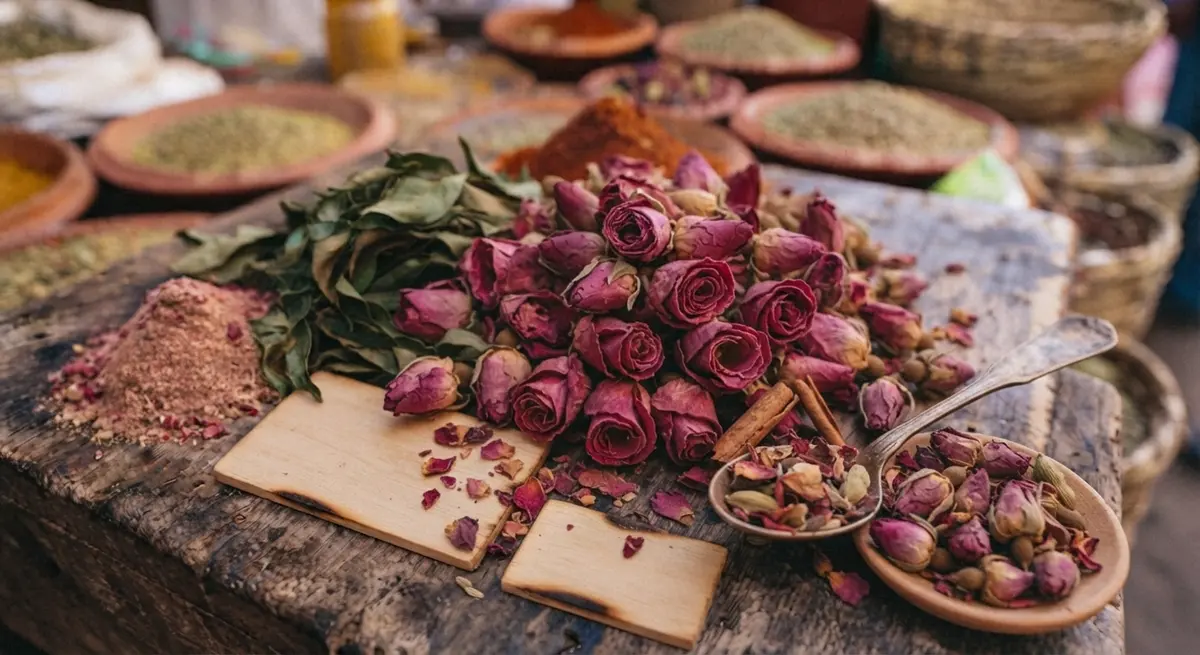
Damask Rose Buds: Flavor Profile, Health Benefits & Culinary Uses
The rose of Damascus, dried into concentrated buds. Its honeyed clove-spice flavor, rose water math, and how to keep it elegant in sweets.
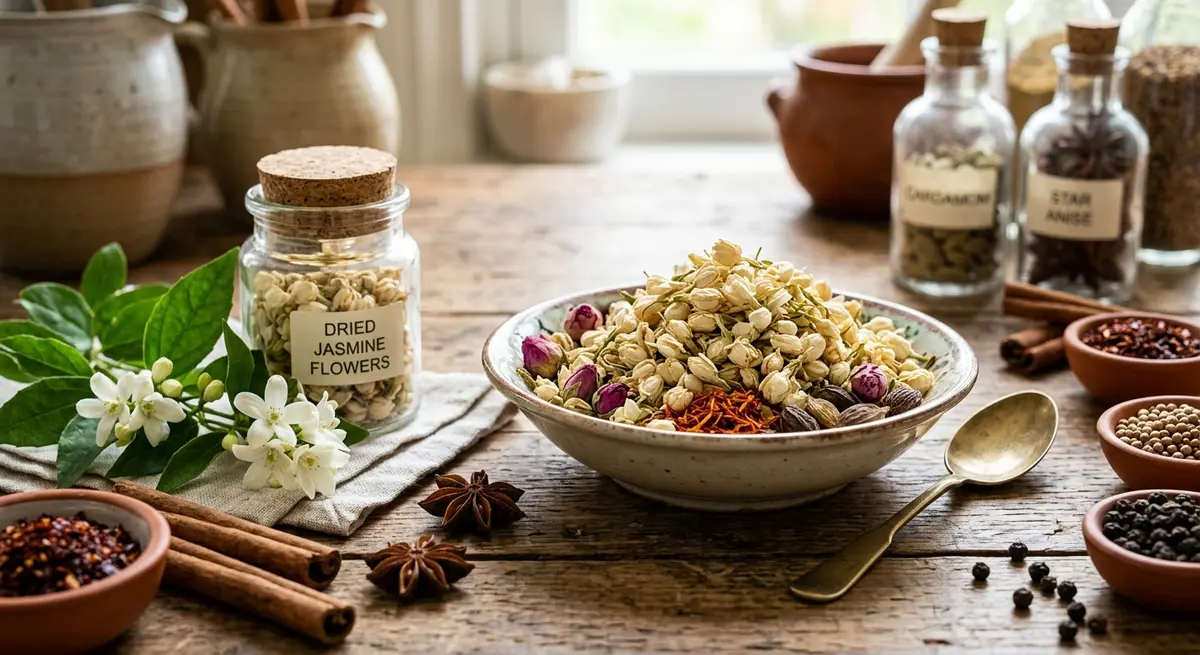
Dried Jasmine Flowers: Flavor Profile, Health Benefits & Culinary Uses
The night garden's gift to the kitchen: white petals that perfume tea and cream. Buying food-grade flowers, cold-brewing, and honing the restraint.
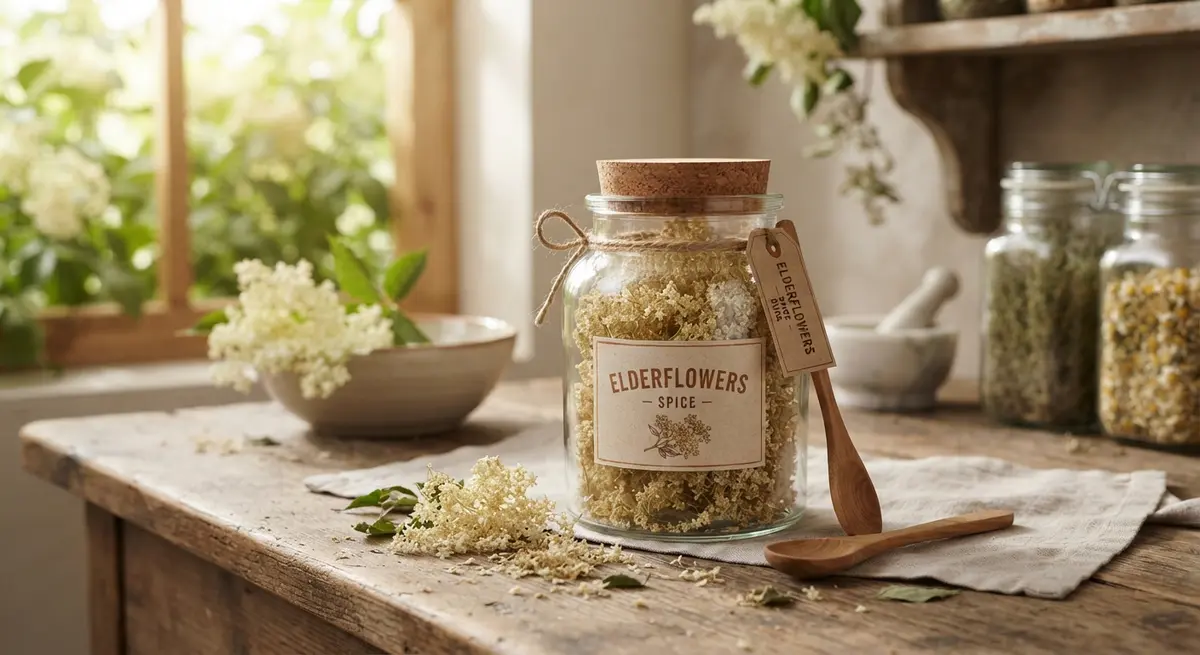
Dried Elderflowers: Flavor Profile, Health Benefits & Culinary Uses
The invisible backbone of a perfect summer: cream blooms with honey-pear perfume. Drying it, steeping cordial, and the lookalike cautions.
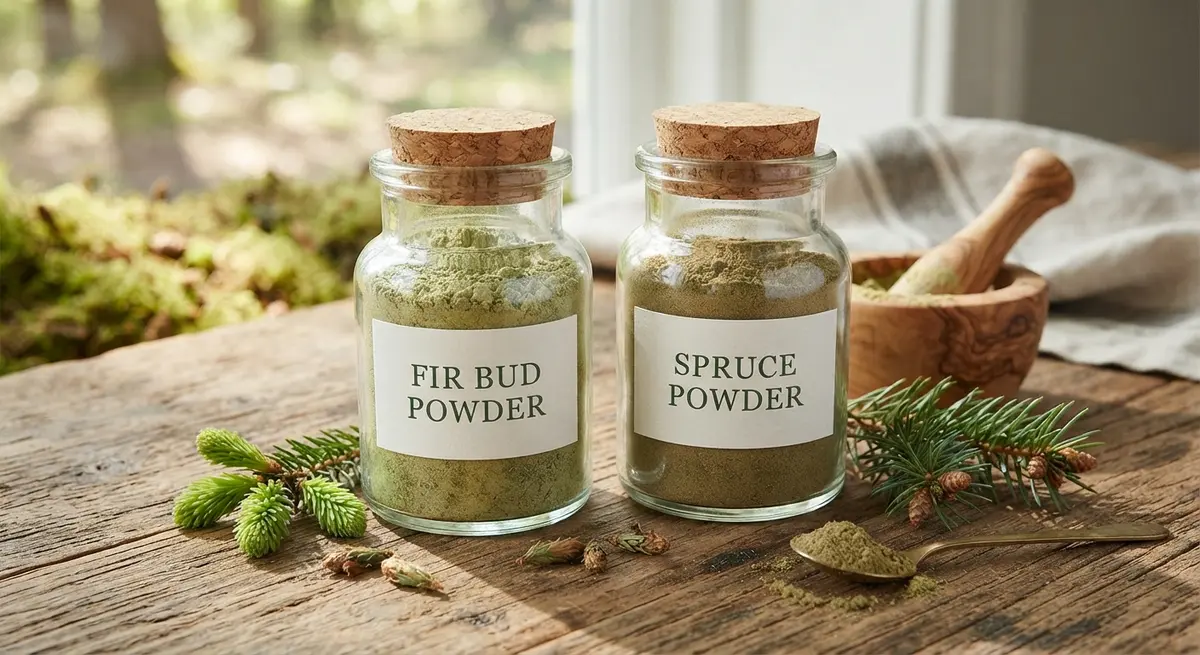
Dried Fir Bud & Spruce Powder: Flavor Profile, Health Benefits & Culinary Uses
Ground spruce tips are a fine-dining forest spice. When to dust, when to steep, how to identify safe conifers, and what plays well with pine.
About the Authors
This recipe and guide was developed, tested, and approved in our home kitchen and daily life. Jamy is a retired Food Service District Manager and Early Childhood Program Manager who spent his career overseeing multi-site restaurant operations, large-scale culinary production, and daycare menu management. Kaïna brings the ultimate real-world test: making sure it brings ease and joy to our kids on a busy weeknight.
Read more about our professional background and philosophy →