Damask Rose Buds: Flavor Profile, Health Benefits & Culinary Uses
By the QuiteRecipes team (Jamy & Kaïna)
The rose of Damascus, dried into concentrated buds. Its honeyed clove-spice flavor, rose water math, and how to keep it elegant in sweets.
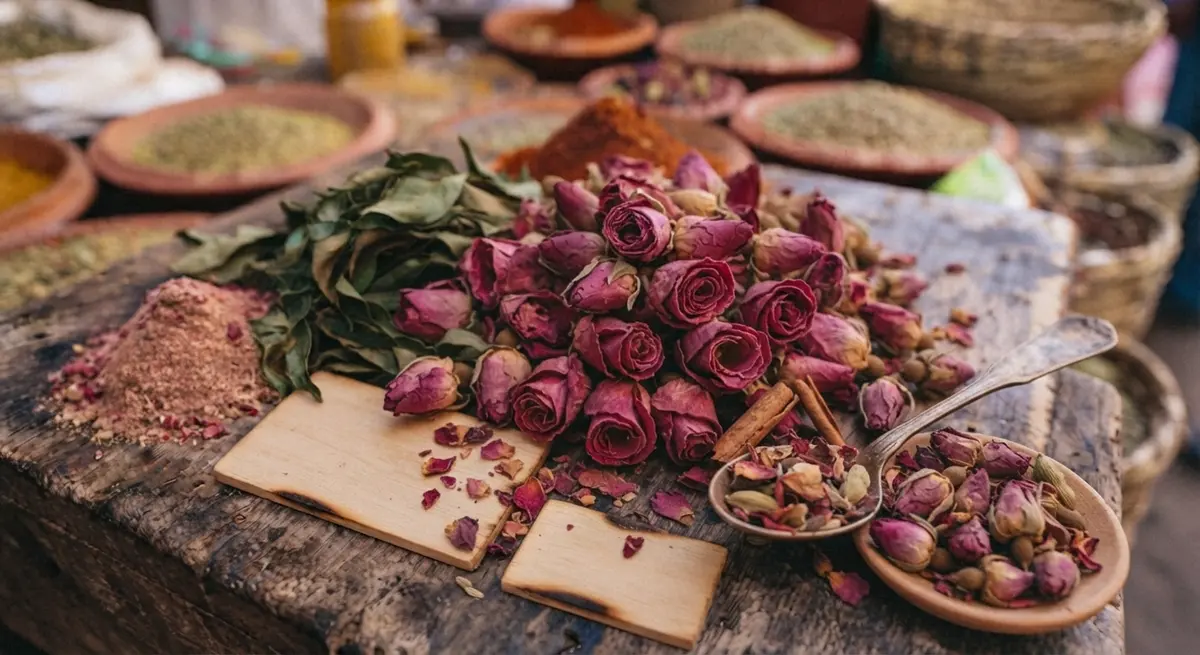
Damask rose is old money in the flower world. Rosa damascena, the "rose of Damascus," has been distilled into rose water, dried into petals, and pressed into attar perfume oil for centuries, from Persian gardens to Ottoman sweets. The buds — tiny, tight, velvety — are the precious form: a little rose works in food because whole buds carry concentrated fragrance that unfolds gently in liquid.
The flavor of culinary damask rose is not what you think: sweet and floral, yes, but also faintly spicy and honeyed, with a whisper of clove. It belongs with vanilla, pistachio, and cardamom.
Flavor Profile & Notes
Dried damask rose buds taste like a garden in syrup: intensely floral, honeyed, and rose-petal sweet with a soft, musky depth and a hint of clove and lychee. They flavor gently when whole — the perfume unfolds in water, milk, or syrup — and more intensely when ground to a powder. The powder is forceful and gets sharper with heat, so infuse or add toward the end. Rose water made from damask rose is the most versatile form: a teaspoon in a dessert blooms the whole rose note without petals getting in the way.
Health Benefits & Nutrition
Rose petals contain antioxidant phenolics, and a small body of research looks at their calming, anti-inflammatory chemistry; rose water has been a soothing skin refresher for ages. The honest notes: evidence is modest, you eat it by the pinch, and it will not make you healthy on its own. Allergic people — especially those sensitive to other flowers in the Rosaceae family or with asthma — should approach cautiously. And always use culinary-grade rose products: the bushes in your garden or a florist bouquet may be treated with pesticides that have no business in food.
Best Culinary Pairings
Rosebuds float in Persian rose-and-pistachio desserts, Middle Eastern milk puddings, and Turkish delight. In baking, use them in rose-pistachio cookies, rose water in buttercream, cheesecake, and macarons. In drinks, a pinch steeps into a floral tea, and rose syrup dresses lemonades, cocktails, and shaved ice. It pairs with pistachio, almond, cardamom, saffron, chocolate, raspberry, and citrus. A simple trick: soak a few buds in cream overnight, then churn it into rose-infused ice cream.
Quick Substitutes
For floral rose scent, rose water is the direct one-to-one and the most forgiving; the flavor is less complex than whole buds but safer in the kitchen. If you lack rose entirely, orange blossom water gives a different floral lift. Lightly scented rosehips echo the fruit of the flower in a tart direction. In rose-water recipes, a drop of food-grade rose flavoring works when you are in a hurry. For fragrance in tea and syrups, rose geranium leaves approximate the note with redder, greener character.
FAQ / Quick Facts
- Which rose is edible? Culinary damask (Rosa damascena) and centifolia are the traditional edible roses; check labels for food-grade.
- Why are buds better than petals? Buds hold more concentrated, longer-lasting fragrance and travel well dry.
- What does it taste like? Honeyed, spicy-rose, faintly clove, with a deep musky sweetness.
- Botanical family: Rosaceae / Form: dried buds, rose water, powder / Best uses: Middle Eastern sweets, teas, creams, baking.
Related Articles
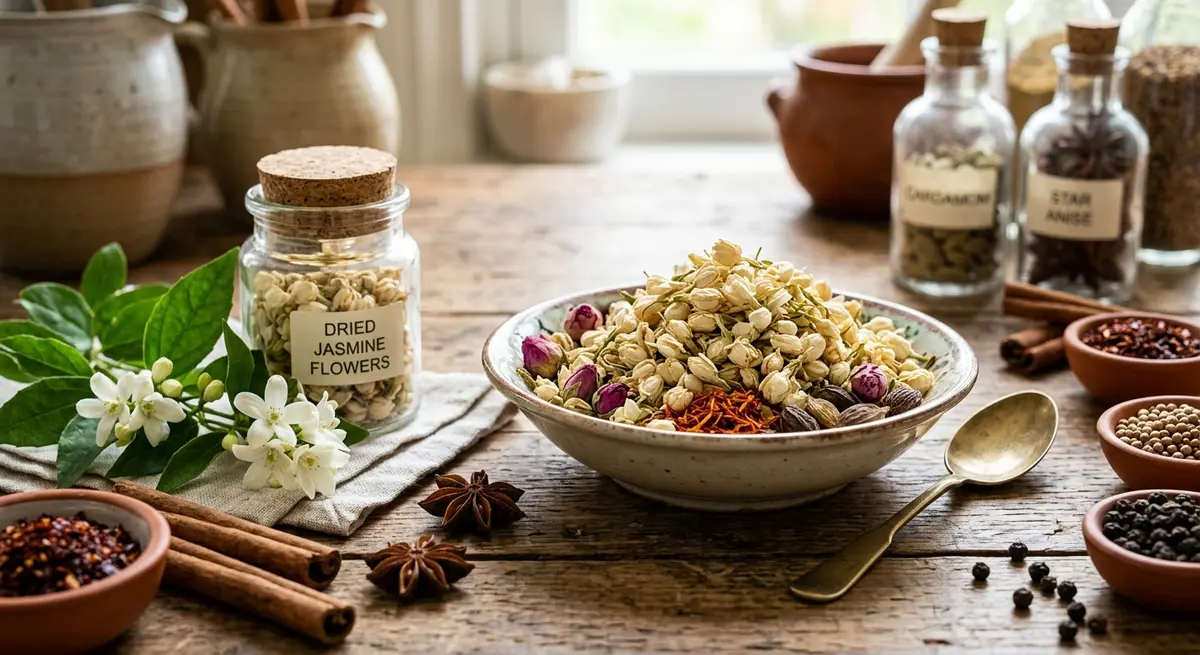
Dried Jasmine Flowers: Flavor Profile, Health Benefits & Culinary Uses
The night garden's gift to the kitchen: white petals that perfume tea and cream. Buying food-grade flowers, cold-brewing, and honing the restraint.
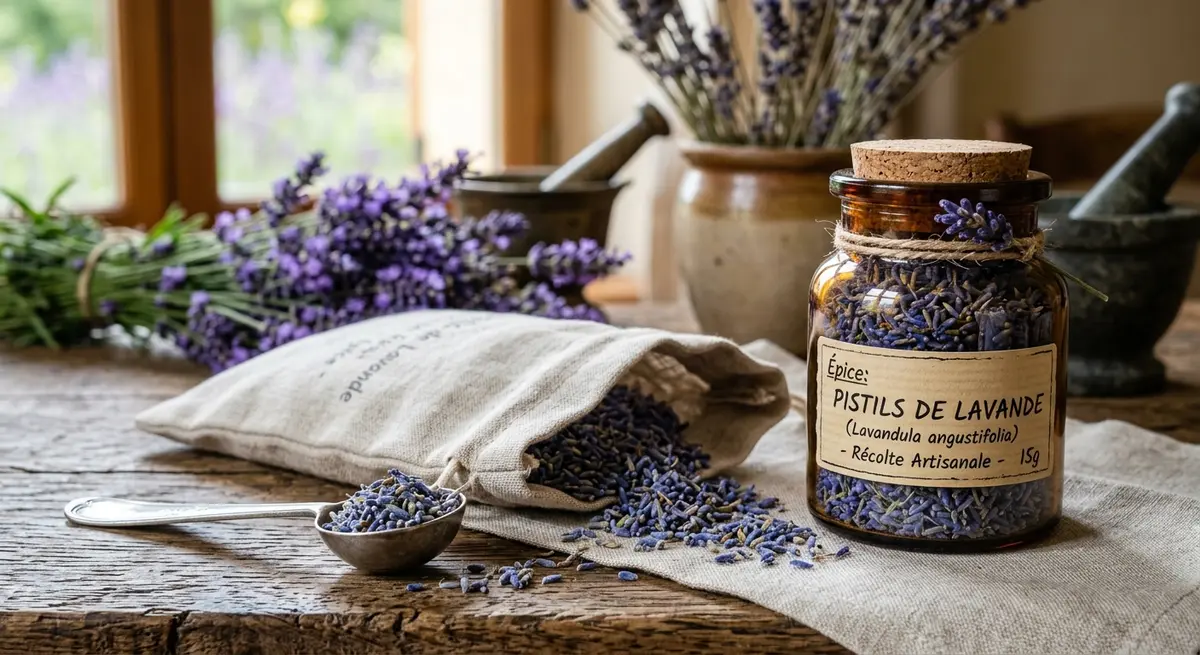
True Lavender Pistils: Flavor Profile, Health Benefits & Culinary Uses
The only culinary lavender worth trusting is Lavandula angustifolia. What it tastes like, how a pinch behaves, and why sachet lavender stays out.
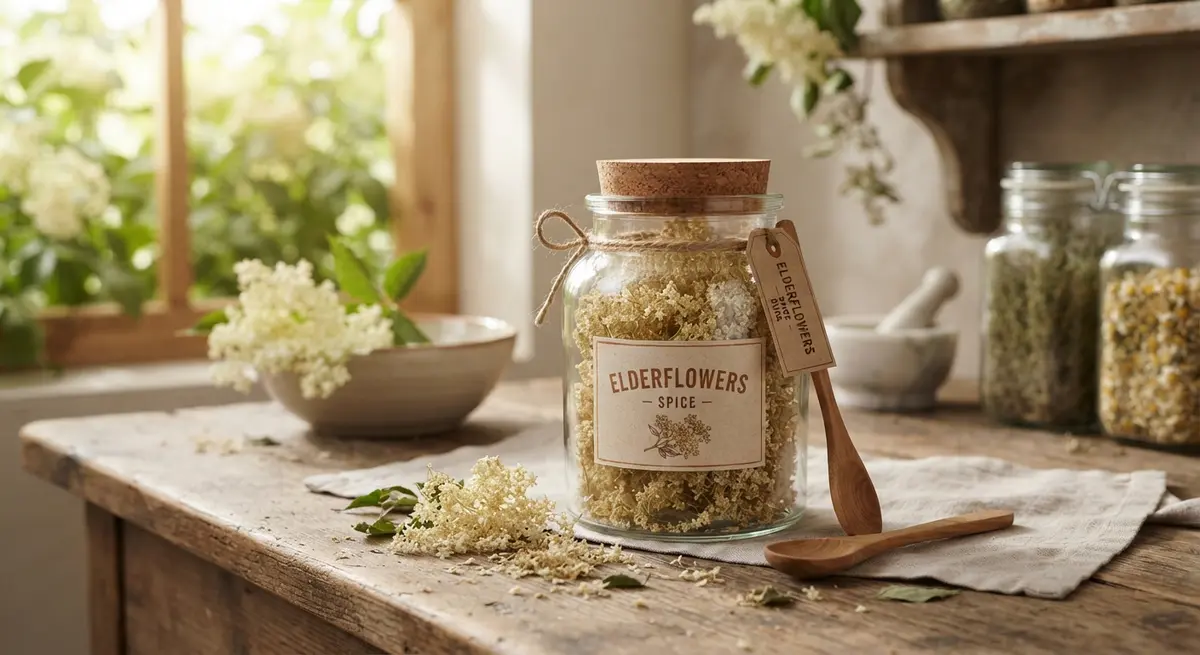
Dried Elderflowers: Flavor Profile, Health Benefits & Culinary Uses
The invisible backbone of a perfect summer: cream blooms with honey-pear perfume. Drying it, steeping cordial, and the lookalike cautions.
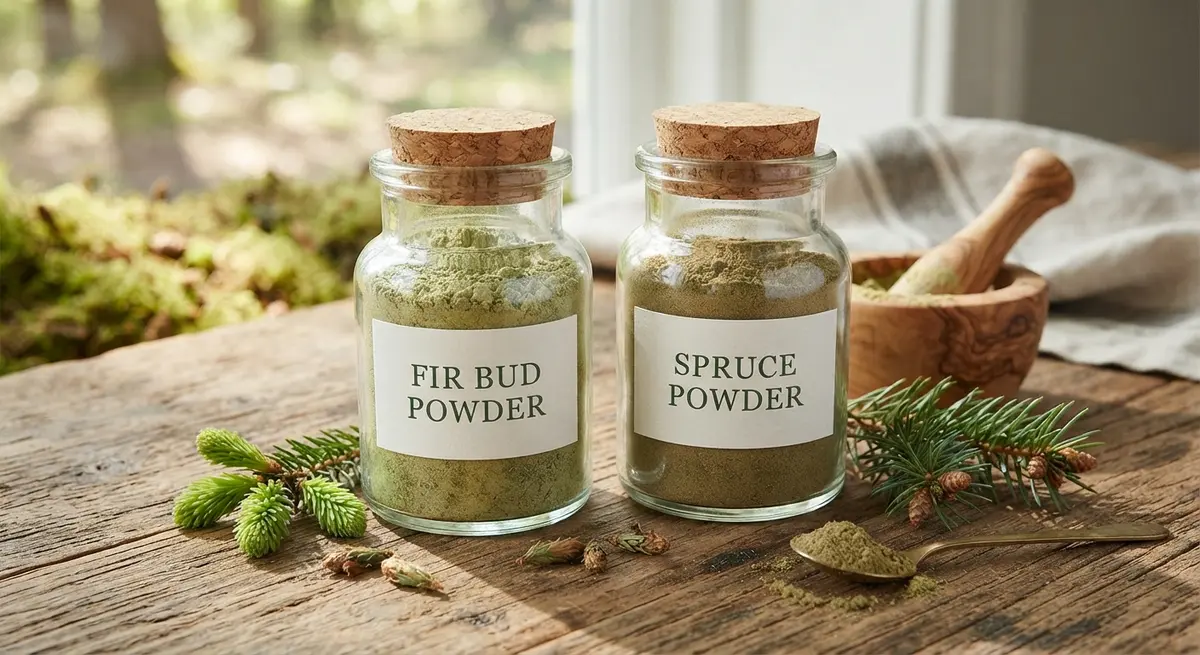
Dried Fir Bud & Spruce Powder: Flavor Profile, Health Benefits & Culinary Uses
Ground spruce tips are a fine-dining forest spice. When to dust, when to steep, how to identify safe conifers, and what plays well with pine.
About the Authors
This recipe and guide was developed, tested, and approved in our home kitchen and daily life. Jamy is a retired Food Service District Manager and Early Childhood Program Manager who spent his career overseeing multi-site restaurant operations, large-scale culinary production, and daycare menu management. Kaïna brings the ultimate real-world test: making sure it brings ease and joy to our kids on a busy weeknight.
Read more about our professional background and philosophy →