Kalonji: Flavor Profile, Health Benefits & Culinary Uses
By the QuiteRecipes team (Jamy & Kaïna)
The seed Indian shops sell as kalonji is nigella sativa, not true black cumin — and a plain look at both seeds settles the case forever. Here is the full story.
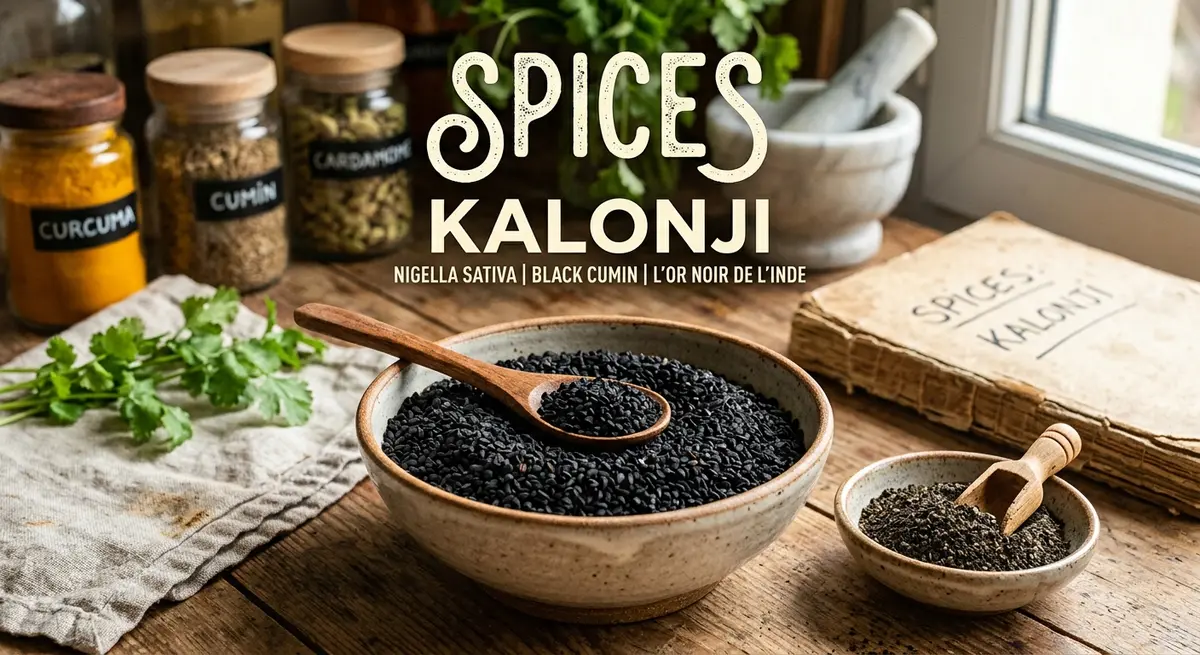
Walk into any Indian grocery and ask for black cumin and you may be handed two different things by two different clerks, and neither will be wrong at the register. The name problem starts here: kalonji, as most of India calls it, is the seed of Nigella sativa — the same triangular black seed scattered on naan that we met as fake black cumin. True black cumin is kala jeera (Bunium persicum), a smoky cousin of regular cumin that looks identical to ordinary cumin except darker and thinner. They are not the same seed, and the mix-up has haunted spice shelves for generations. Settle it with your eyes: kalonji is tiny and triangular; kala jeera is long and ribbed.
Flavor Profile & Notes
Kalonji tastes the way its reputation suggests — bitter, warm, slightly oniony, with a peppery and oregano-like edge and nothing cumin-like about it. It crackles quietly in oil and lends clean, savory depth to food. Its oil, a dark-gold liquid sold as black seed oil, is highly aromatic and intensely concentrated, tasting of the seed's bitterness with honey-floral notes behind it. Cooking with the whole seeds is the gentler and more reliable path: they perfume without overwhelming, and a half teaspoon is a serious amount.
Health Benefits & Nutrition
Kalonji is the rare spice whose health fame is bigger in the world beyond the kitchen. Black seed oil has a long record in traditional medicine, and thymoquinone, its flagship compound, has produced genuinely interesting results in antioxidant and anti-inflammatory research. That is why you will read wellness claims about it everywhere. Keep this in focus: seeds in cooking are seasoning, oil as a supplement is medicine, and you should not take the medicine version without telling your doctor, especially alongside other herbs or prescriptions. In food, kalonji's job is modest and lovely — bitter spice, small amounts, big character.
Best Culinary Pairings
Beyond its famous role on bread, kalonji seasons Bengali and north Indian vegetable curries, where its bitterness balances sweet squash and potato. It pairs with yogurt beautifully — stirred into raita it tastes strange and wonderful. Sprinkled over a dal of yellow lentils, or toasted with cumin before rice, it gives quiet depth. Pickles love it: add a pinch to a lime pickle brine and it fences with the salt and chili exactly right. Use it anywhere you want that savory pop without actual onion.
Quick Substitutes
For the cooked bitterness, a pinch of dried oregano with some sesame seeds gets closest — same sharp herb note, same little crunch. Caraway seeds substitute on bread more honorably than most. In pickle brines nothing truly replaces kalonji, but mustard seeds plus a touch of thyme cover the ground decently. For naan or panch phoron, buy the right seed; the taste is one of a kind.
FAQ / Quick Facts
- Is kalonji the same as black cumin? No — kalonji is Nigella sativa; true black cumin is Bunium persicum (kala jeera). They look and taste different.
- How long does it keep? Two years sealed; the oil keeps about a year refrigerated.
- Botanical family / Form: Ranunculaceae (buttercup family); whole seeds and cold-pressed oil. Best uses: bread, curries, raita, and pickles.
Related Articles
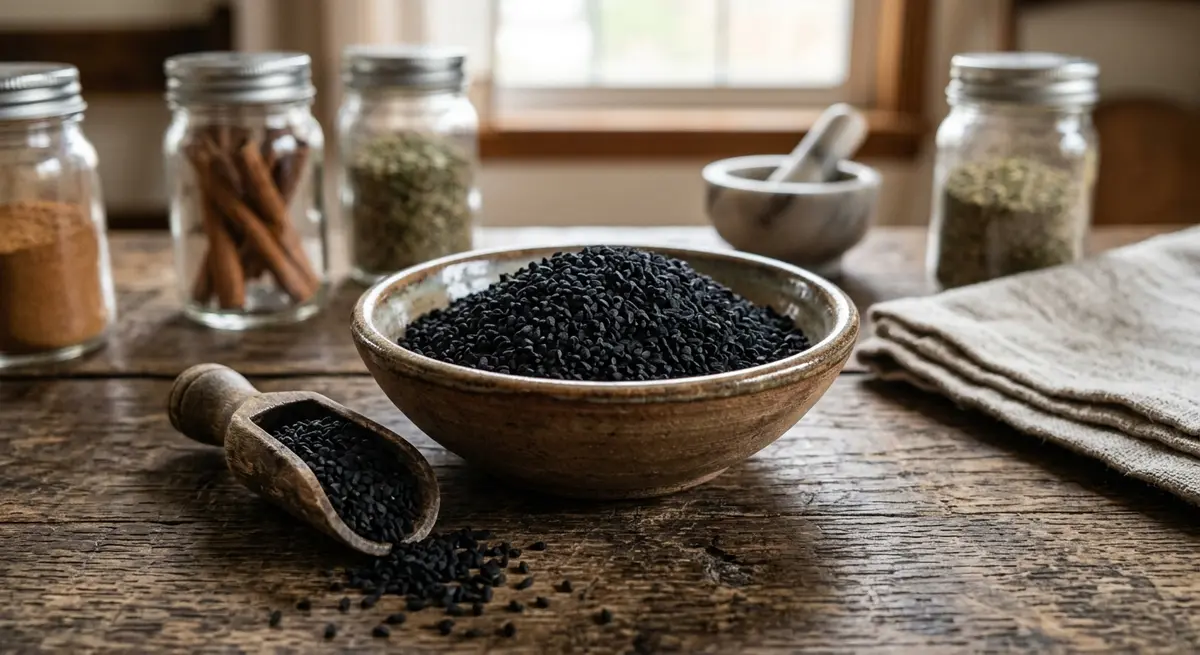
Nigella (Black Cumin) Seeds: Flavor Profile, Health Benefits & Culinary Uses
Black, triangular seeds that taste nothing like cumin: how nigella sativa got its confusing nickname, and the breads, pickles, and dals where it truly shines.
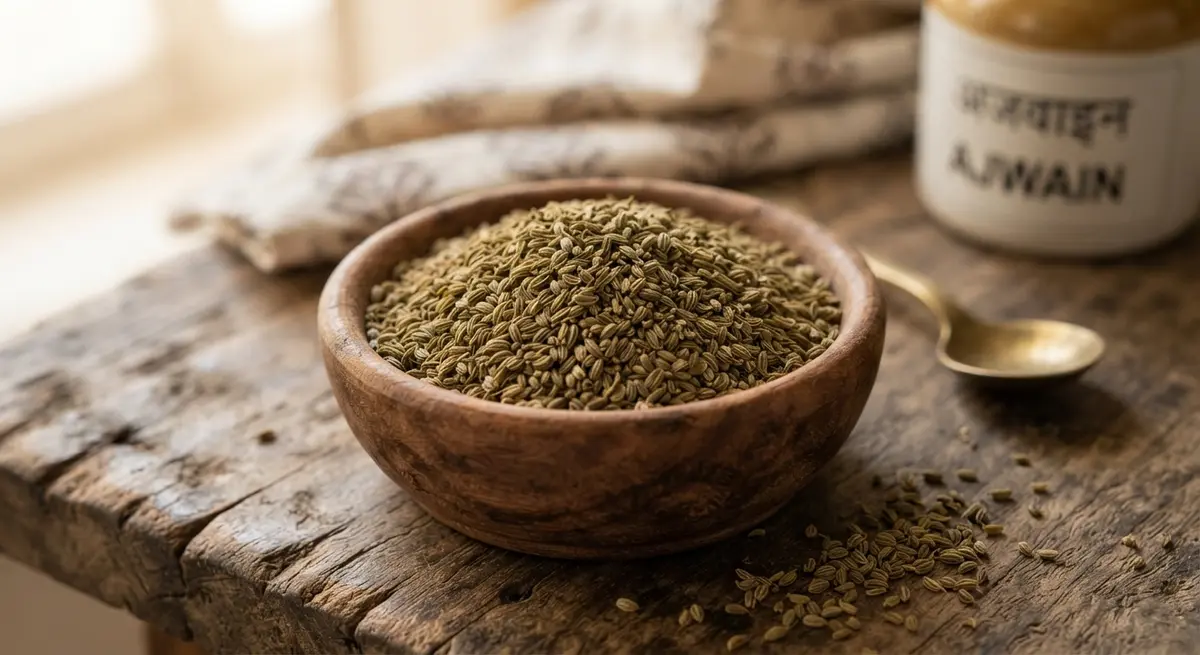
Ajwain (Carom) Seeds: Flavor Profile, Health Benefits & Culinary Uses
A tiny gray-brown seed that tastes like thyme, oregano, and cumin had a baby with a timer fuse. Here is how and why Indian kitchens use ajwain.
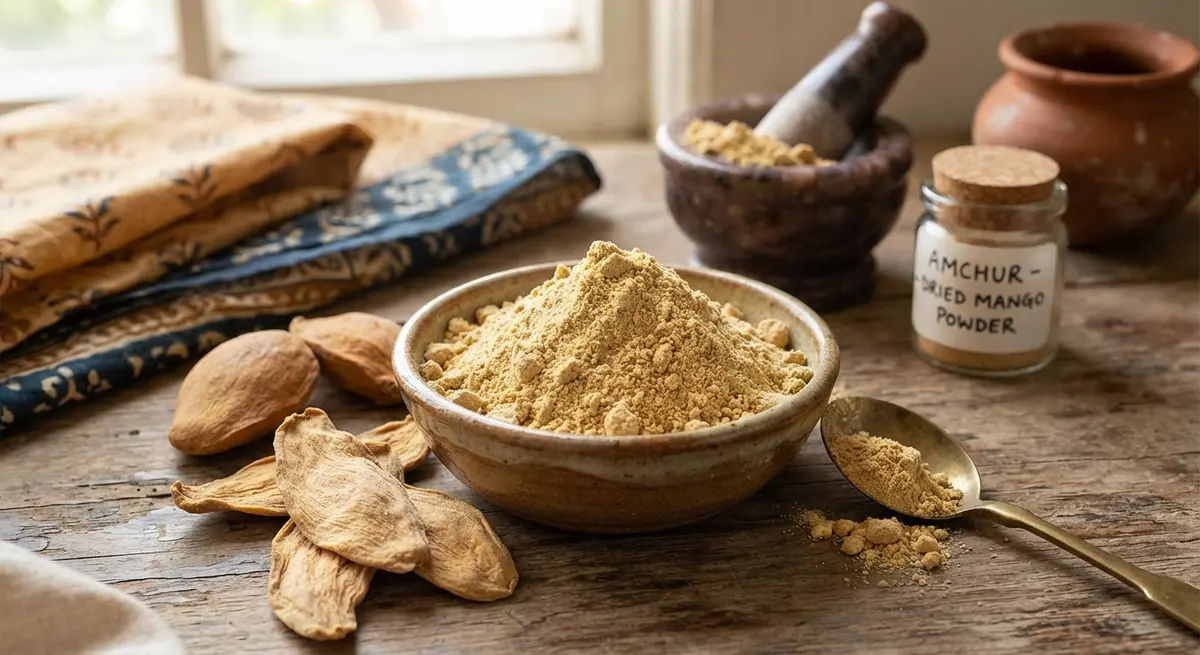
Amchur (Green Mango Powder): Flavor Profile, Health Benefits & Culinary Uses
Powdered green mango that adds bright sour notes without a drop of liquid. Amchur turns snack mixes, dry rubs, and curries tart in one shake.
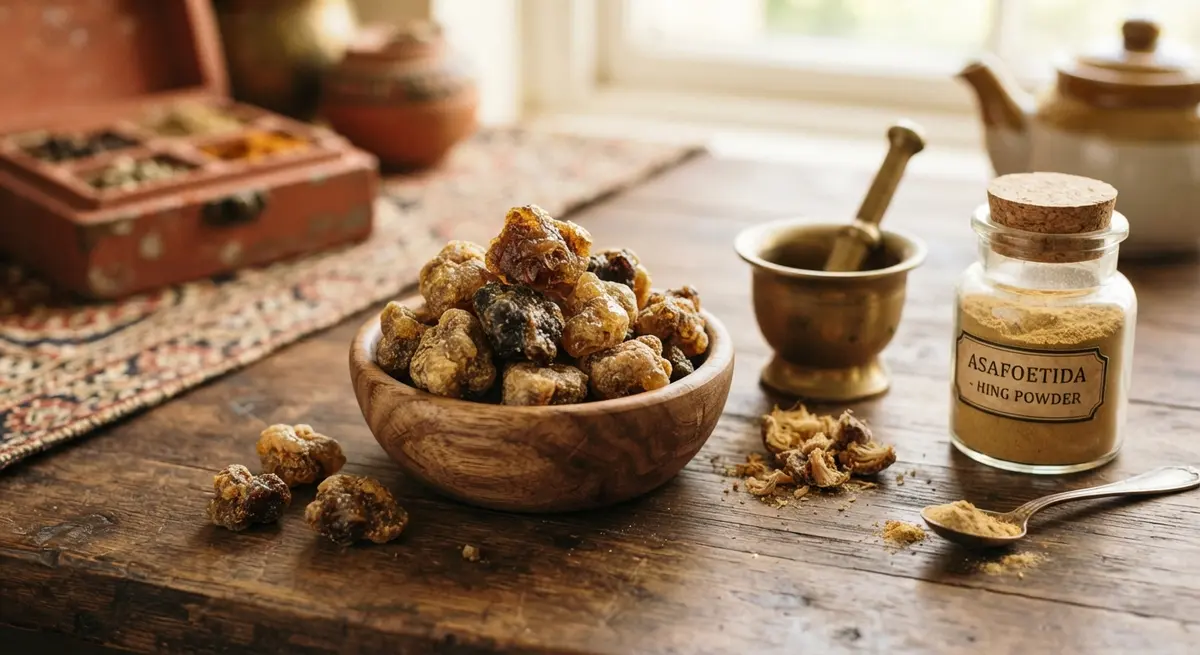
Asafoetida (Hing): Flavor Profile, Health Benefits & Culinary Uses
The worst-smelling raw spice in the world turns into quiet onion-garlic gold the moment it hits hot oil. Here is the one rule for using hing without fear.
About the Authors
This recipe and guide was developed, tested, and approved in our home kitchen and daily life. Jamy is a retired Food Service District Manager and Early Childhood Program Manager who spent his career overseeing multi-site restaurant operations, large-scale culinary production, and daycare menu management. Kaïna brings the ultimate real-world test: making sure it brings ease and joy to our kids on a busy weeknight.
Read more about our professional background and philosophy →