Nigella (Black Cumin) Seeds: Flavor Profile, Health Benefits & Culinary Uses
By the QuiteRecipes team (Jamy & Kaïna)
Black, triangular seeds that taste nothing like cumin: how nigella sativa got its confusing nickname, and the breads, pickles, and dals where it truly shines.
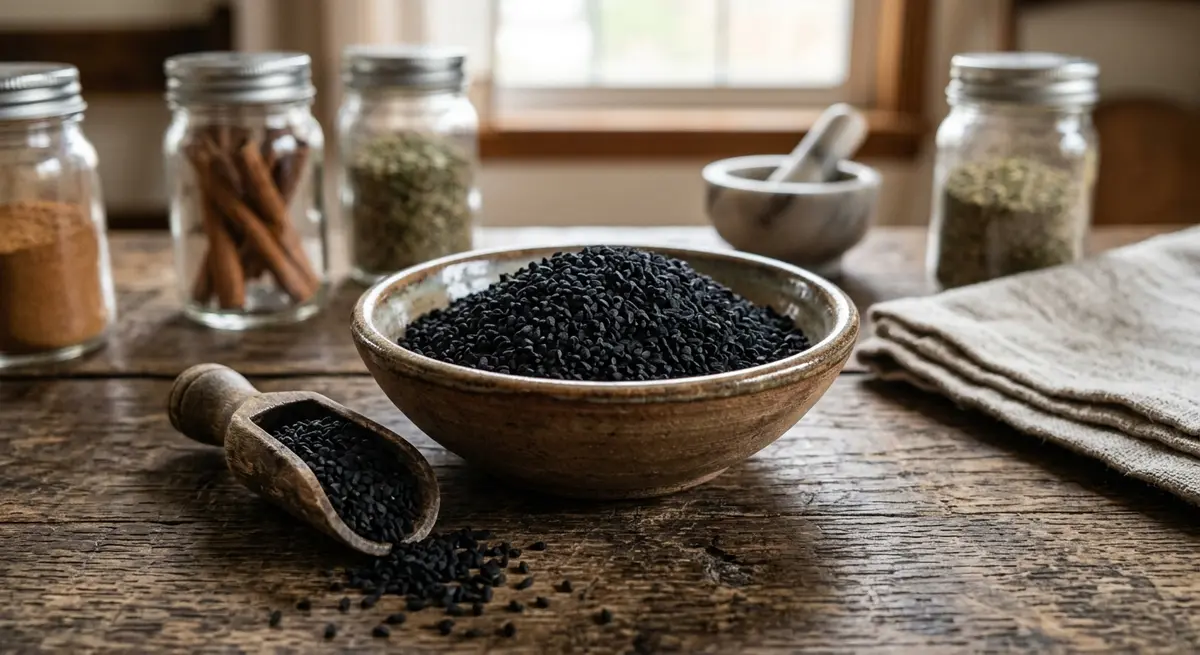
The triangle of tiny black seeds scattered across the top of naan is not cumin, does not taste like cumin, and has been called black cumin anyway for so long that the name will not die. These are the seeds of Nigella sativa, a buttercup-family plant native to southwest Asia and the Mediterranean. Indian cooks call them kalonji; Middle Eastern cooks know them well from flatbreads. The confusion runs deeper than names, because a real black cumin exists too — Bunium persicum, a genuinely smoky cousin of cumin. Let us unknot the naming and focus on what matters: these bittersweet seeds are one of the easiest aromatics in the world to use.
Flavor Profile & Notes
Nigella seeds taste nothing like cumin and everything like themselves: a slightly bitter, peppery, oregano-adjacent bite with a faint onion topnote and a toasty, nutty finish. Raw, they crackle quietly; toasted briefly or fried in hot oil, they deepen and sweeten. They are not hot — "black cumin" is a terrible description for them. Think of them as a savory confetti. Because the bitterness is gentle, they work best scattered where they can pop against softer foods, and a pinch goes further than you would guess.
Health Benefits & Nutrition
Nigella sativa has a serious health résumé in traditional medicine, and unlike some spices, the science keeps backing it: the oil is rich in the active compound thymoquinone, which has shown antioxidant and anti-inflammatory effects in research. The traditional traditions treated kalonji as a general tonic, and modern interest has followed. Keep it in proportion — in cooking you use seeds by the pinch, and a pinch is seasoning, not therapy. Anyone using nigella oil as a supplement should take the same advice they would take from any remedy: tell your doctor.
Best Culinary Pairings
The simplest use is sprinkled on bread: naan, Middle Eastern flatbreads, bagels, and crackers before baking. Bengali cooking folds the seeds into veg curry and potato stir-fries, where their bitterness cuts the sweetness of the vegetables. They are excellent in pickles and brines, laced into yogurt, and gently toasted into dals and lentil dishes that need a funky, savory edge. They also turn up in spice blends, including the Bengali five-spice mix panch phoron. A teaspoon toasted in ghee over warm rice is a complete idea.
Quick Substitutes
There is no true stand-in for that bitter-onion seed crunch. Sesame seeds add nuttiness but no bite — combine them with a pinch of dried oregano to get closer. A few caraway seeds plus a shower of poppy seeds approximate the bitterness and the look. For panch phoron or naan, the honest move is to buy the actual kali-nigella seeds; substitutes will make something nice, just not the same thing.
FAQ / Quick Facts
- How long do they keep? Two years in an airtight jar, and toasting instantly revives stale seeds.
- What do they taste like? Bitter, peppery, oregano-like, with onion and toasted-nut notes — not cumin at all.
- Botanical family / Form: Ranunculaceae (buttercup family), not cumin; small black triangular seeds. Best uses: naan, pickles, dals, and Bengali vegetables.
Related Articles
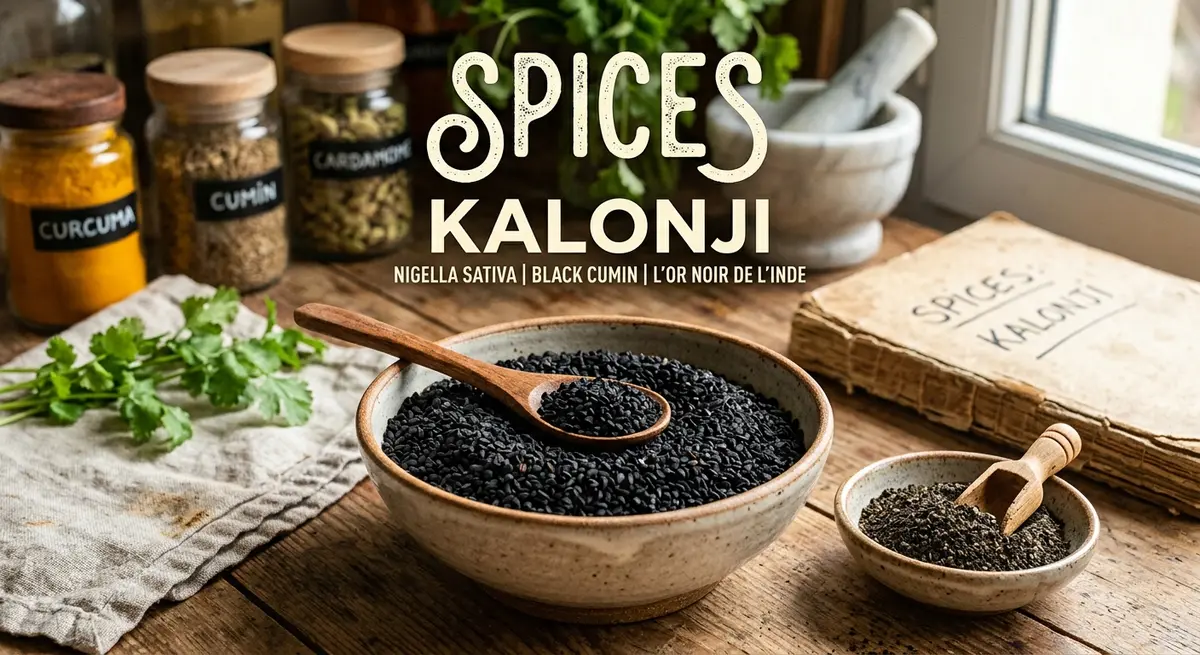
Kalonji: Flavor Profile, Health Benefits & Culinary Uses
The seed Indian shops sell as kalonji is nigella sativa, not true black cumin — and a plain look at both seeds settles the case forever. Here is the full story.
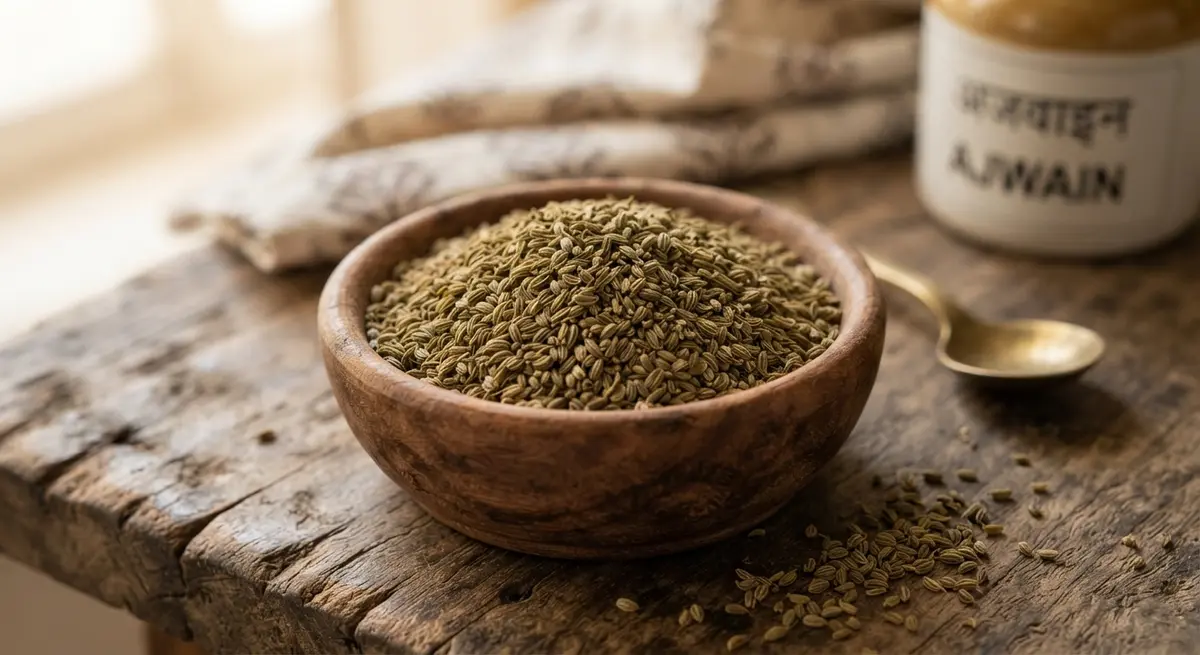
Ajwain (Carom) Seeds: Flavor Profile, Health Benefits & Culinary Uses
A tiny gray-brown seed that tastes like thyme, oregano, and cumin had a baby with a timer fuse. Here is how and why Indian kitchens use ajwain.
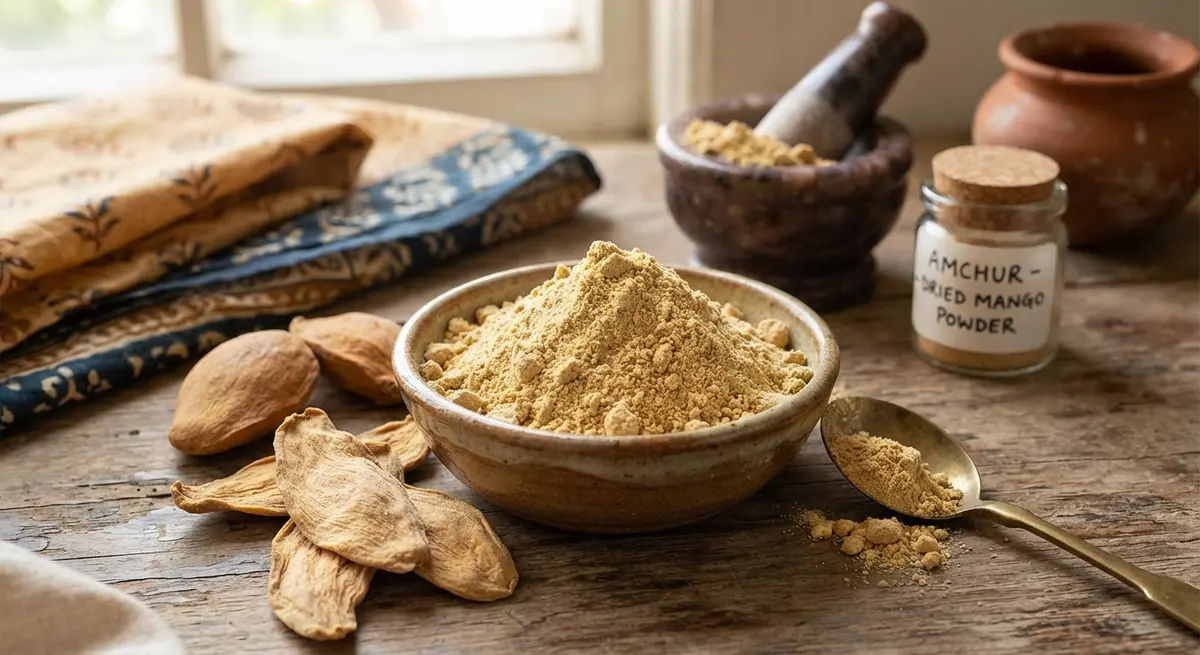
Amchur (Green Mango Powder): Flavor Profile, Health Benefits & Culinary Uses
Powdered green mango that adds bright sour notes without a drop of liquid. Amchur turns snack mixes, dry rubs, and curries tart in one shake.
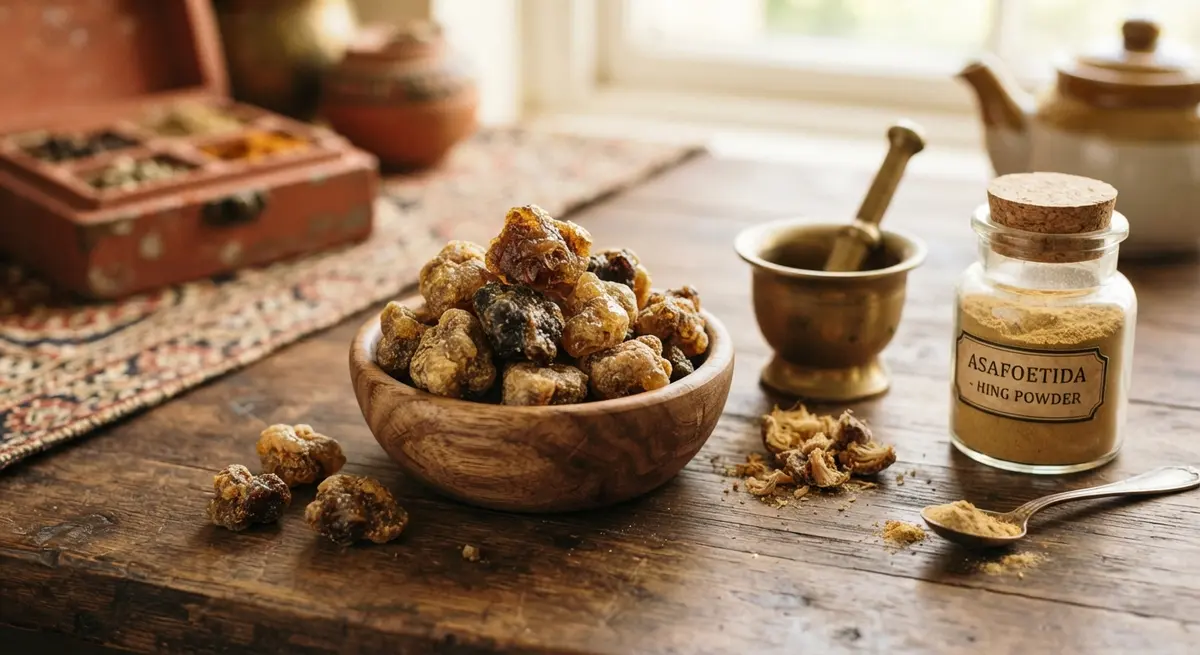
Asafoetida (Hing): Flavor Profile, Health Benefits & Culinary Uses
The worst-smelling raw spice in the world turns into quiet onion-garlic gold the moment it hits hot oil. Here is the one rule for using hing without fear.
About the Authors
This recipe and guide was developed, tested, and approved in our home kitchen and daily life. Jamy is a retired Food Service District Manager and Early Childhood Program Manager who spent his career overseeing multi-site restaurant operations, large-scale culinary production, and daycare menu management. Kaïna brings the ultimate real-world test: making sure it brings ease and joy to our kids on a busy weeknight.
Read more about our professional background and philosophy →