Spice Library
Your complete reference for cooking with spices — from individual profiles and classic blends to perfect pairings, smart substitutes, and expert techniques. Built on decades of food service expertise.
All Spice Guides
Browse the full library of spice guides, organized by collection.
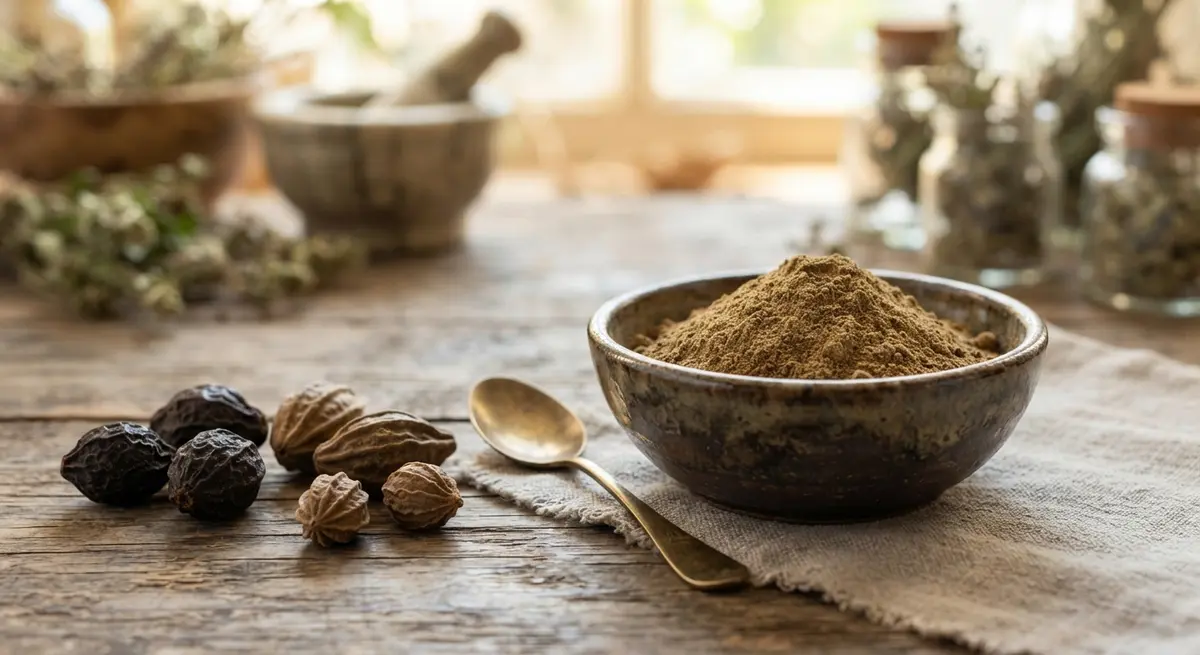
Triphala Powder: Flavor Profile, Health Benefits & Culinary Uses
Three dried fruits, one famous Ayurvedic powder: what triphala tastes like, what the tradition claims for it, and why dosing this one calls for real care.
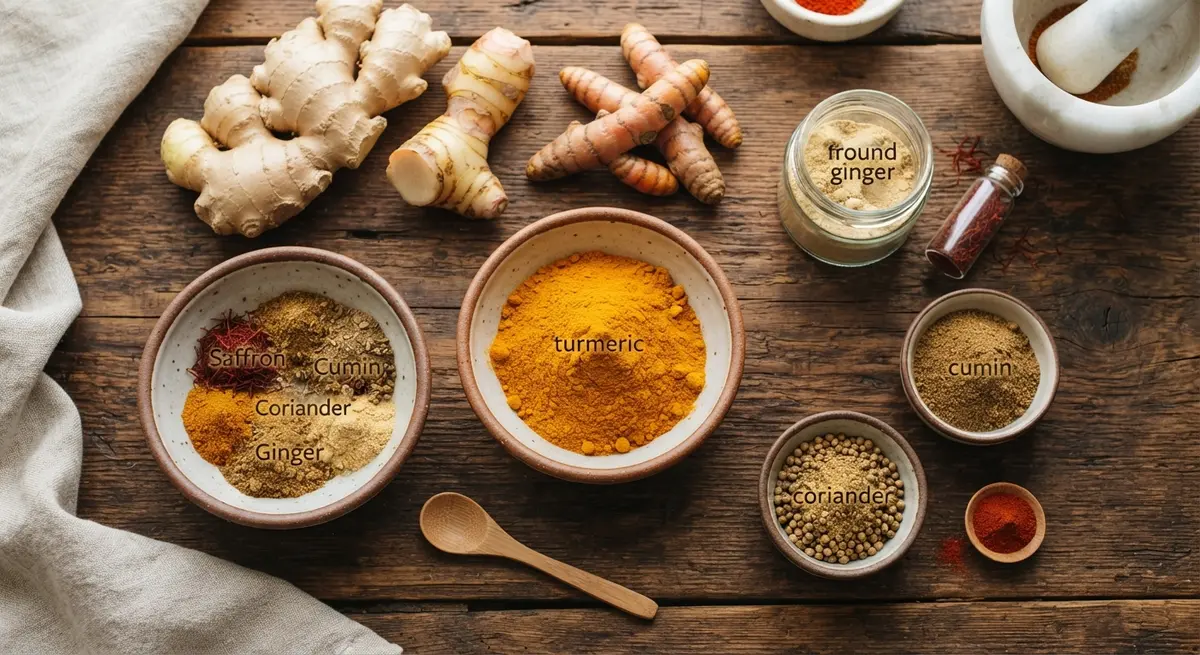
Turmeric Substitutes for Golden Color and Earthy Warmth
Turmeric delivers a golden glow plus quiet earthy heat. Keep the color with annatto or saffron, and the warmth with curry or cumin.
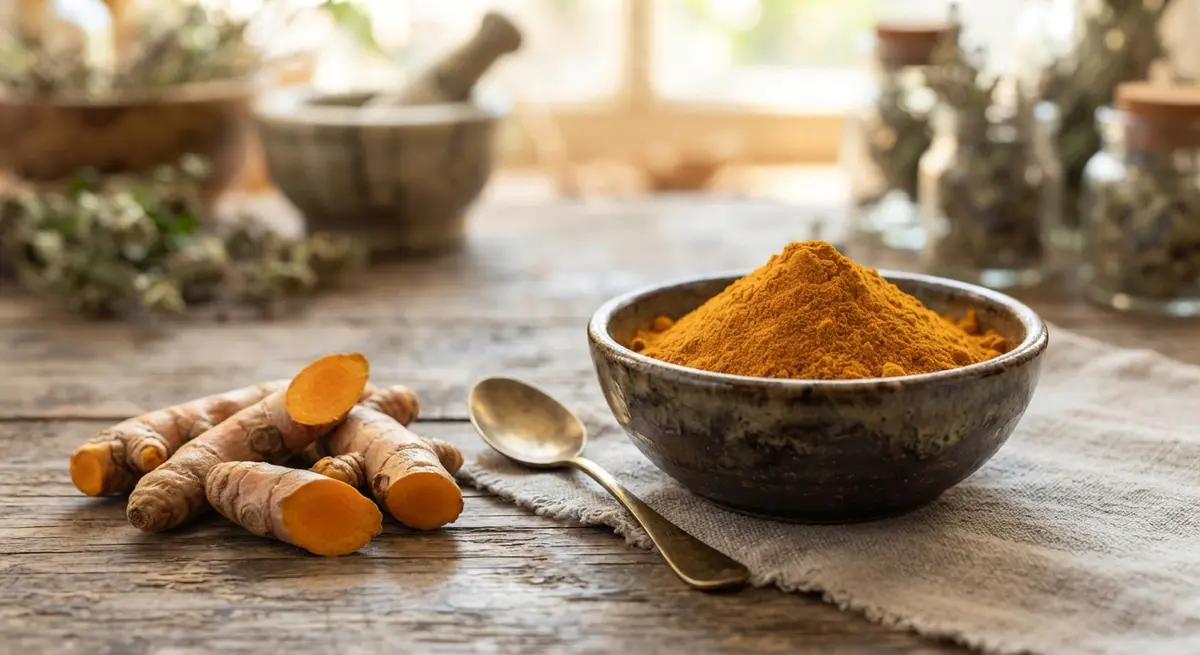
Turmeric: Flavor Profile, Health Benefits & Culinary Uses
Golden, earthy, and quick to stain everything it touches, turmeric turns plain rice and vegetables into food that looks like you tried harder. Here is how to cook it.
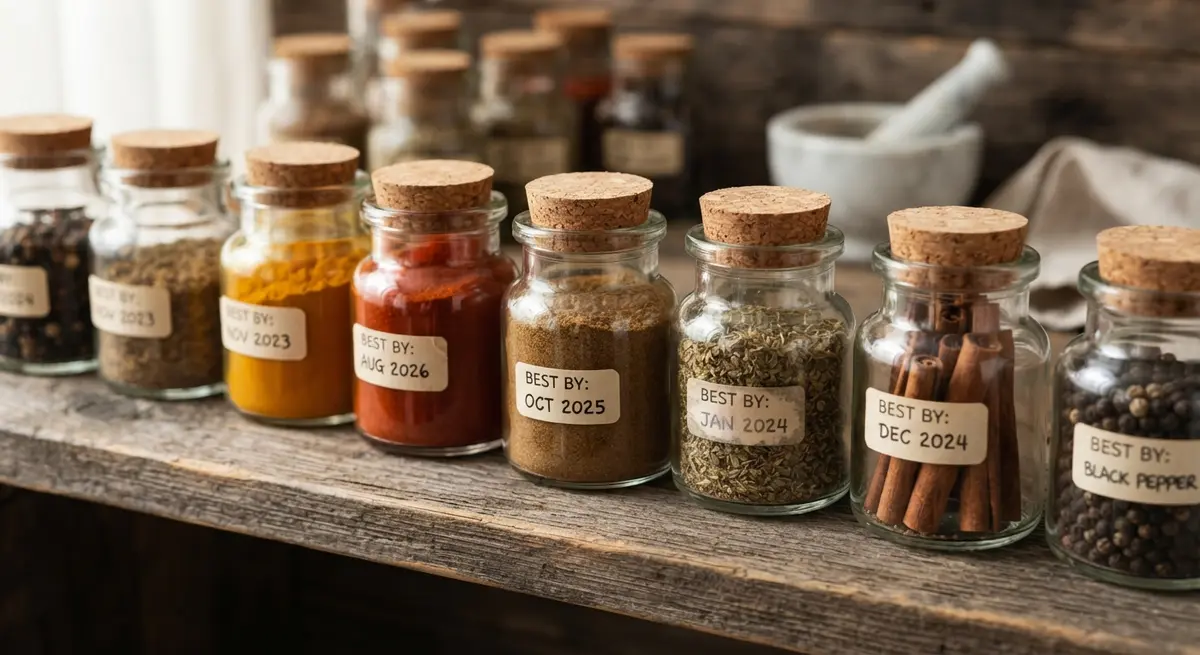
Understanding Spice Best-By Dates Without the Guilt
A best-by date marks peak quality, not the moment flavor ends. Sniff the jar, taste the pinch, and let your senses own the decision.
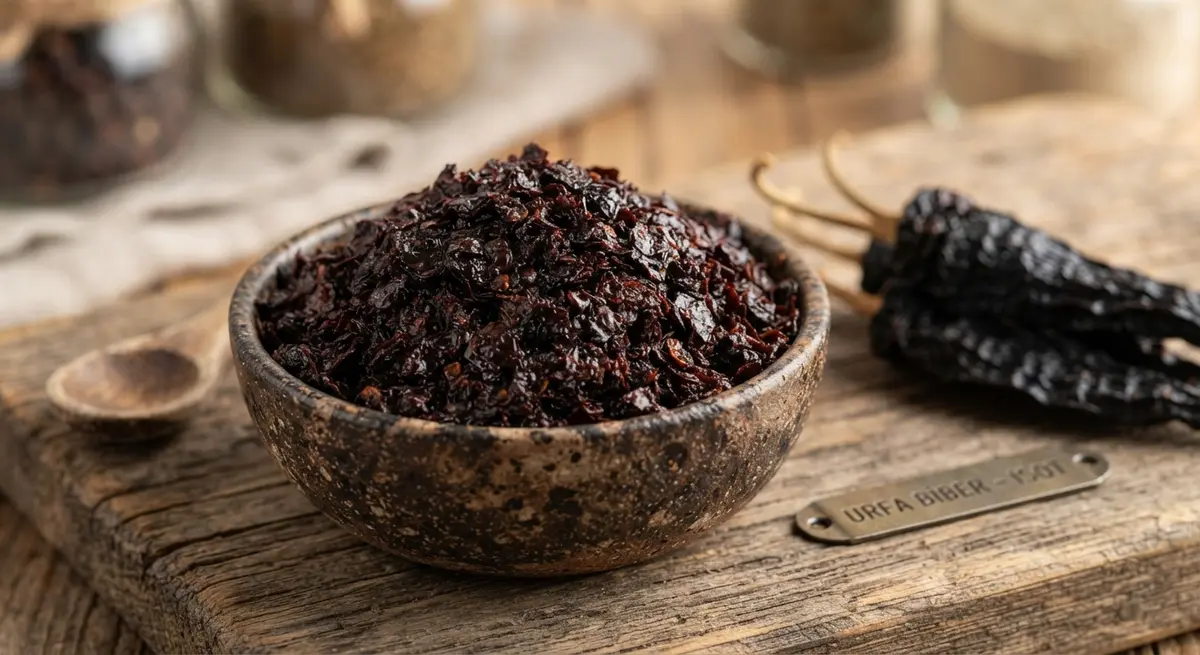
Urfa Biber Pepper: Flavor Profile, Health Benefits & Culinary Uses
Urfa biber looks like dark crushed velvet and tastes like smoky raisins and molasses, with a heat that arrives late — the secret to deep, mysterious Turkish flavor.
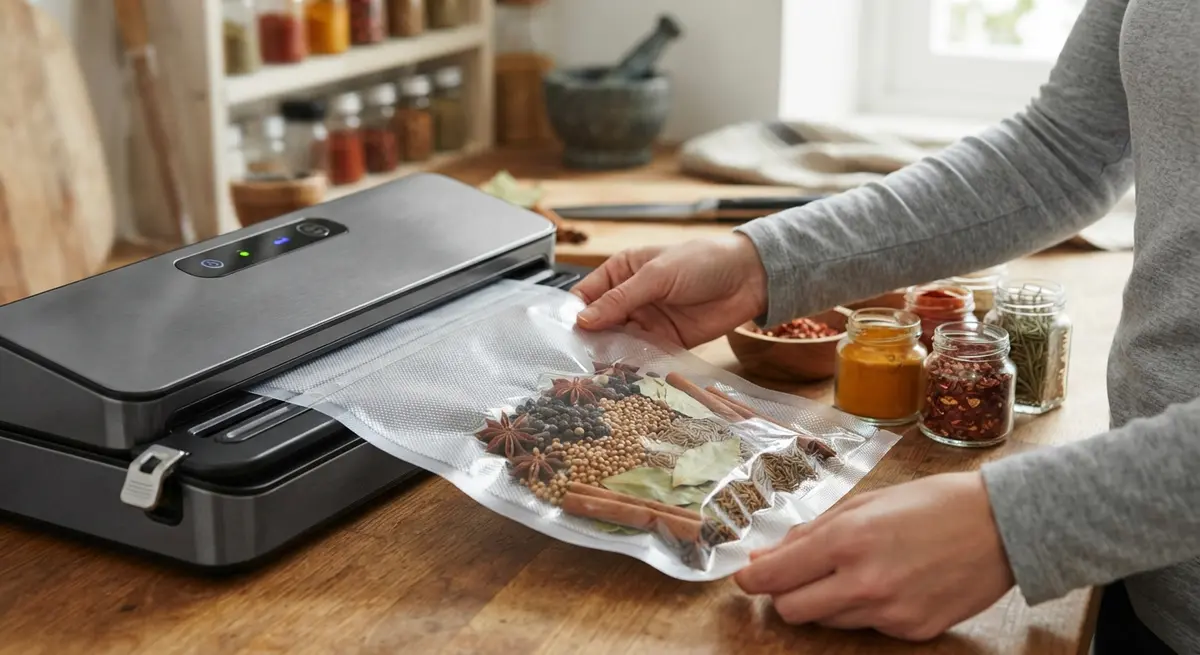
Vacuum-Sealing Spices: Worth It or a Gimmick?
Air is spice's enemy, and vacuum sealing stops it cold. It shines for bulk and long storage, while daily jars stay happily in the drawer.
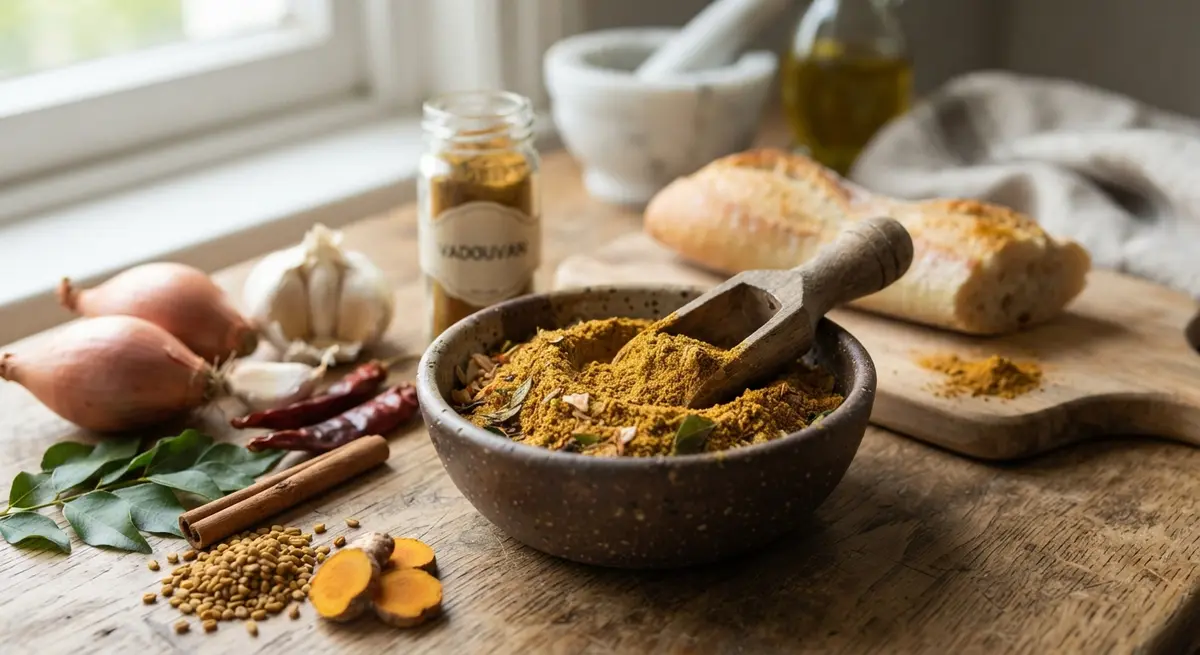
Vadouvan Curry: How to Create a French Twist on Indian Flavors
I first called it curry because it smelled like one, but vadouvan is really its own quiet thing. Slow roasting is what makes it special.
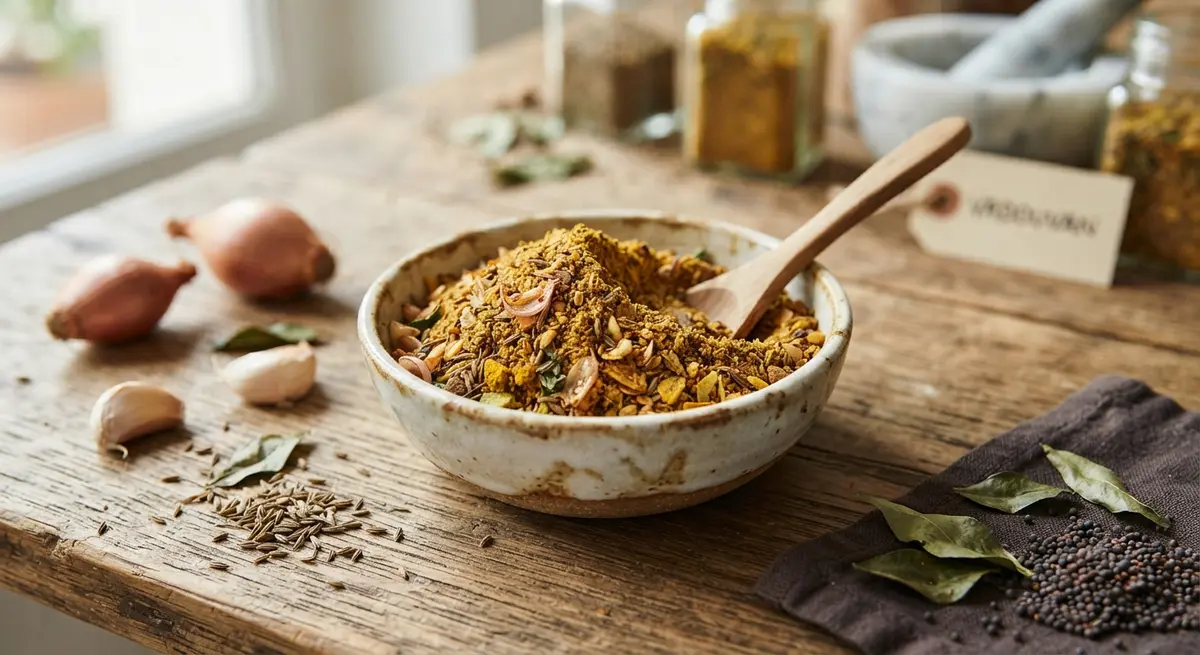
Mastering Vadouvan: The French-Indian Spiced Shallot Blend
I first made vadouvan on a rainy afternoon with a bag of shallots and a handful of curry leaves. It smelled like France met South India in my oven.
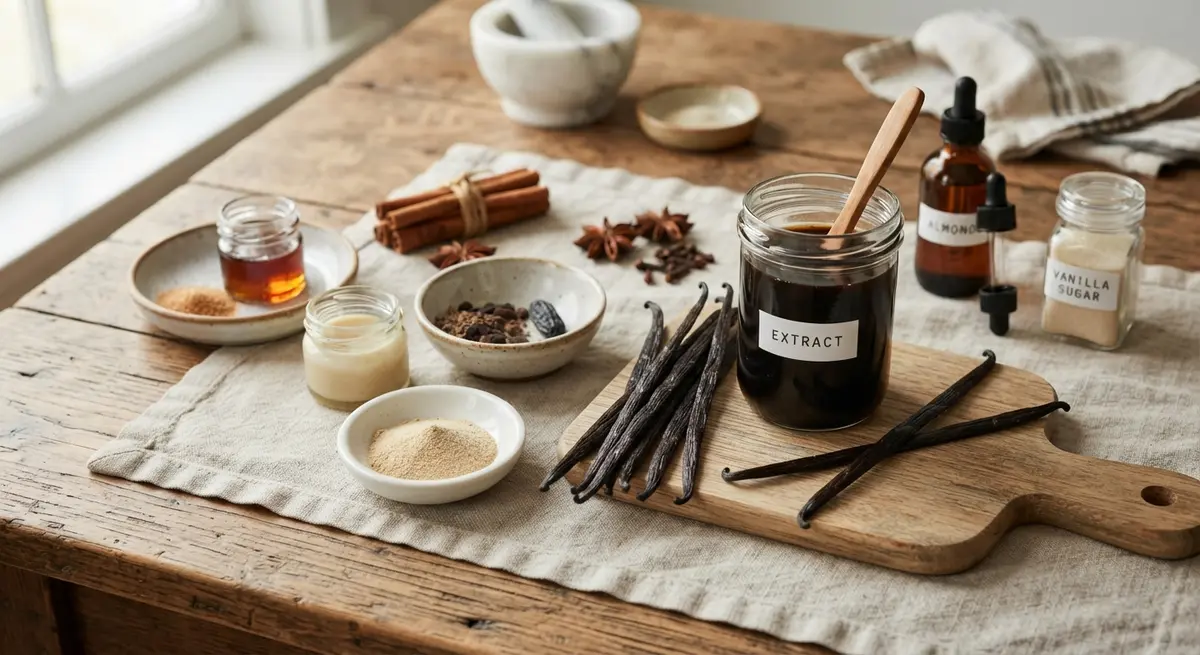
Vanilla Substitutes That Bring Warm, Sweet Depth
Vanilla is a warm, mellow depth for sweet bakes and creams. Swap in almond, maple, or a touch of bourbon when the bottle runs dry.
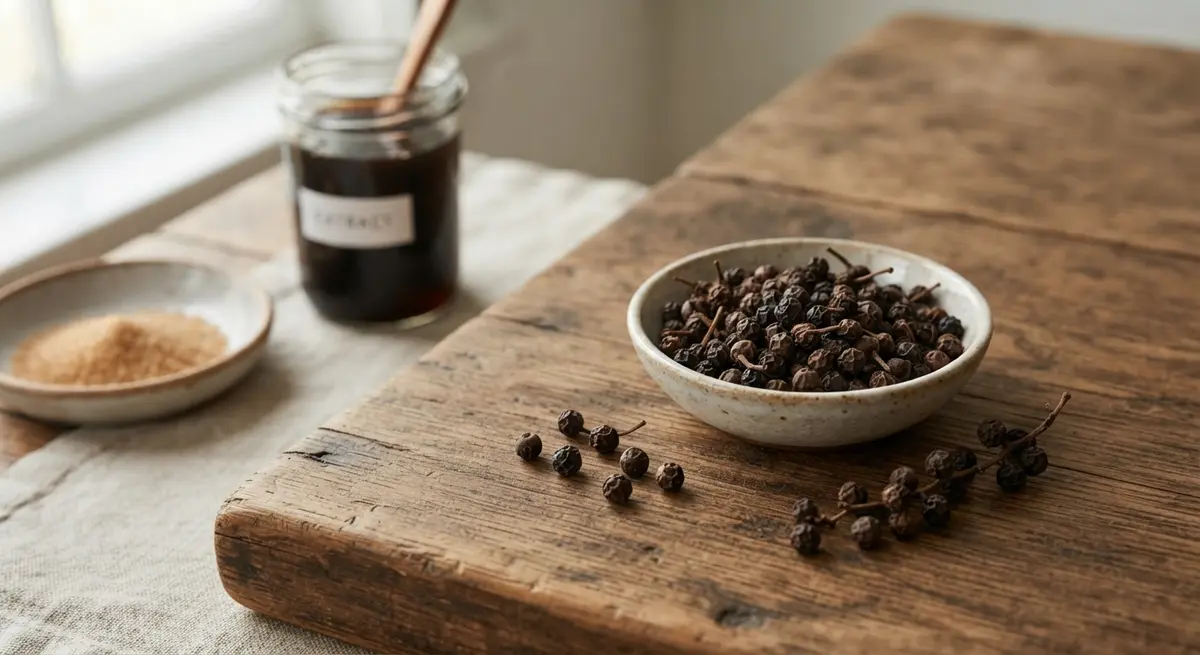
Voatsiperifery Pepper: Flavor Profile, Health Benefits & Culinary Uses
Harvested by hand from wild vines in Madagascar's eastern rainforest, voatsiperifery is a sweet, floral, gently hot pepper that deserves the special-sauce treatment.
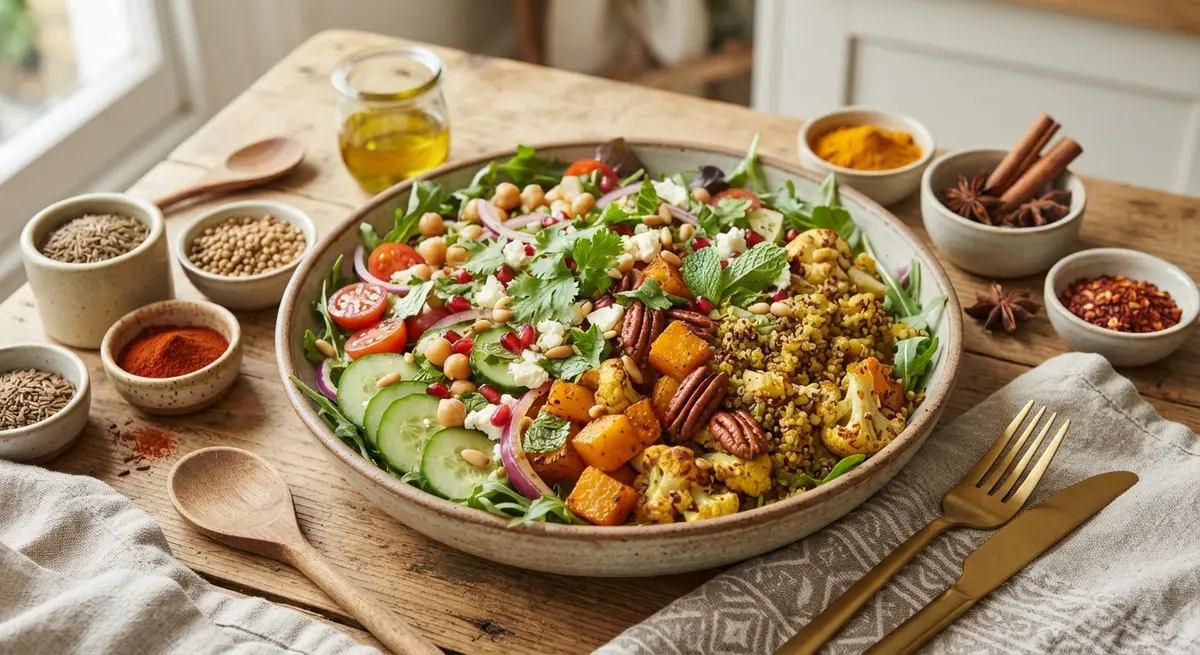
Spices for Salads: How to Pair Warm Spices with Cold, Crisp Vegetables
Crisp salads meet warm toasted spices through the dressing and the crunch; cumin, paprika, garam masala, dukkah, and sumac do the work.
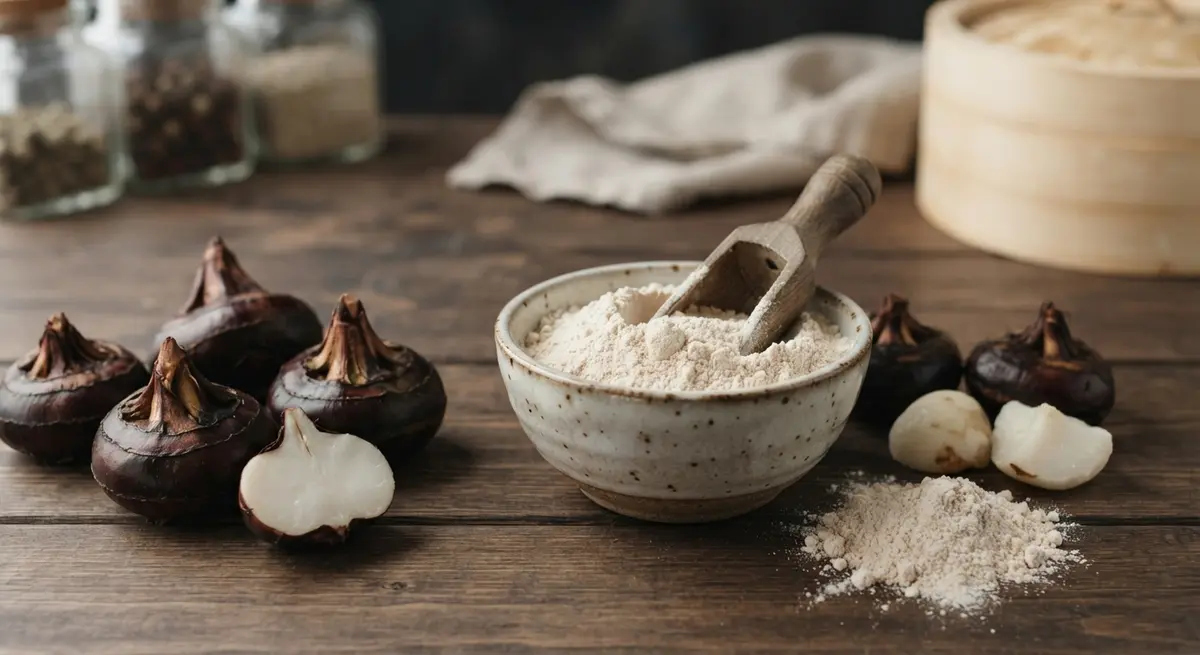
Water Chestnut Powder: Flavor Profile, Health Benefits & Culinary Uses
The starch and flour of the crunchy aquatic water chestnut: how to thicken, batter, and bake with it, from Chinese stir-fries to Indian fasting kitchens.
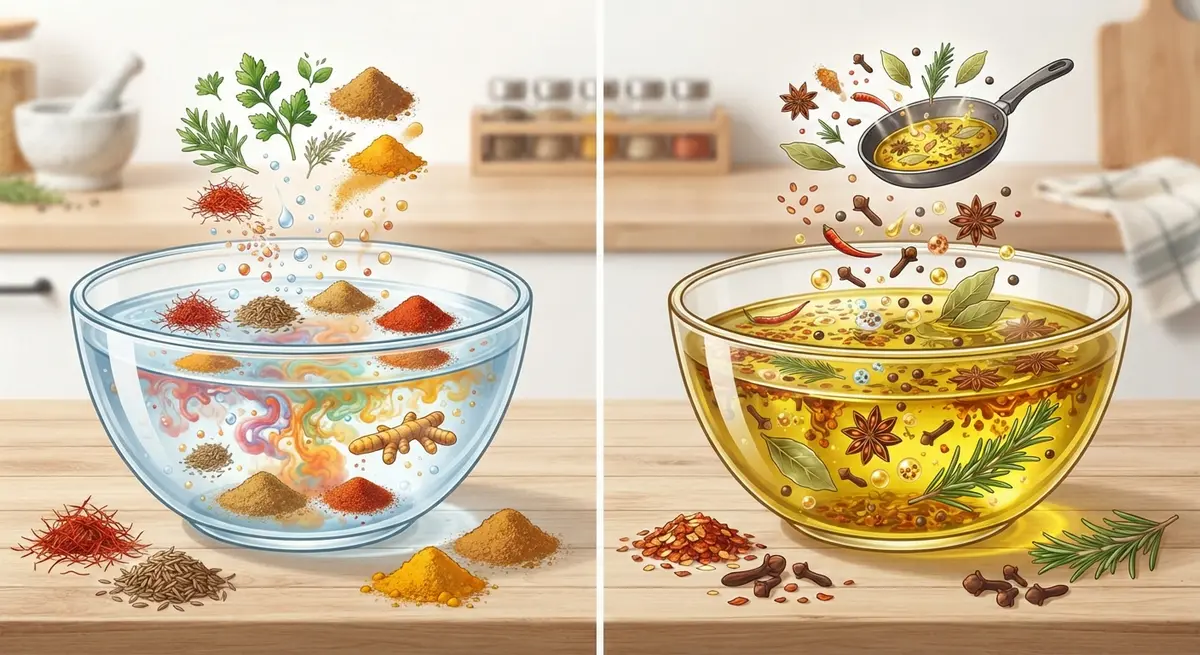
Water-Soluble vs. Fat-Soluble Flavor: How Spice Foods Respond
Flavor rides carriers: water carries some notes, fat carries others. Match the spice to the medium and unlock the flavor it was born with.
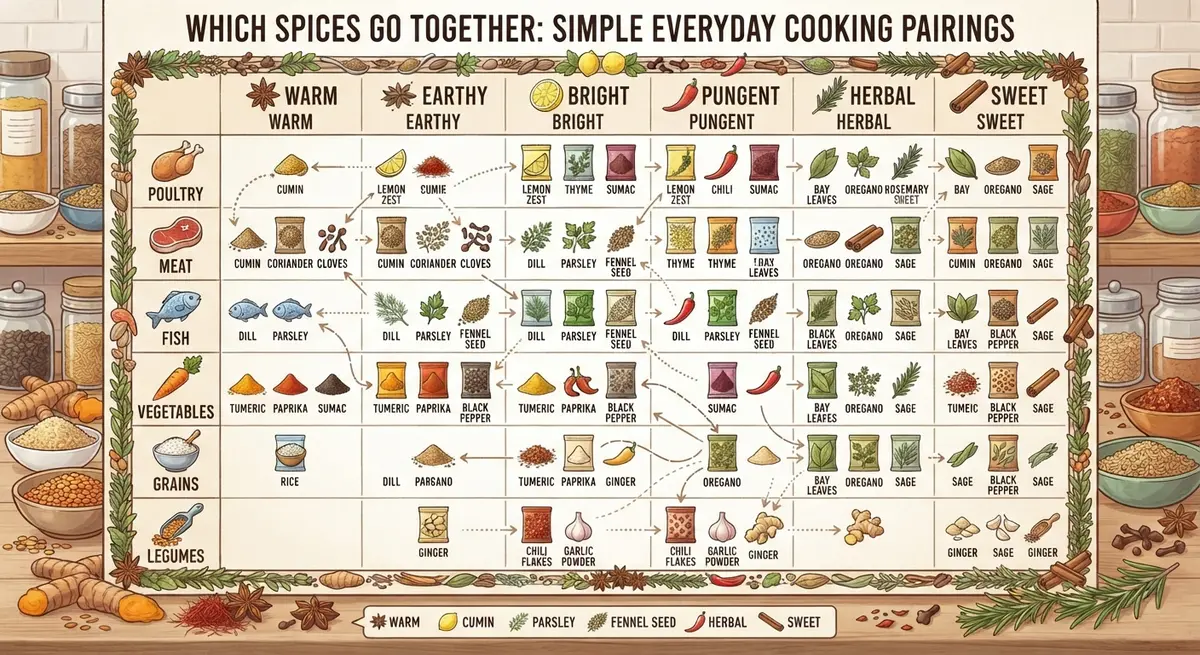
Which Spices Go Together? A Simple Pairing Chart for Everyday Cooking
The fastest way to cook with confidence is knowing which spices smile at each other. A no-lesson pairing chart for chicken, vegetables, rice, and more.
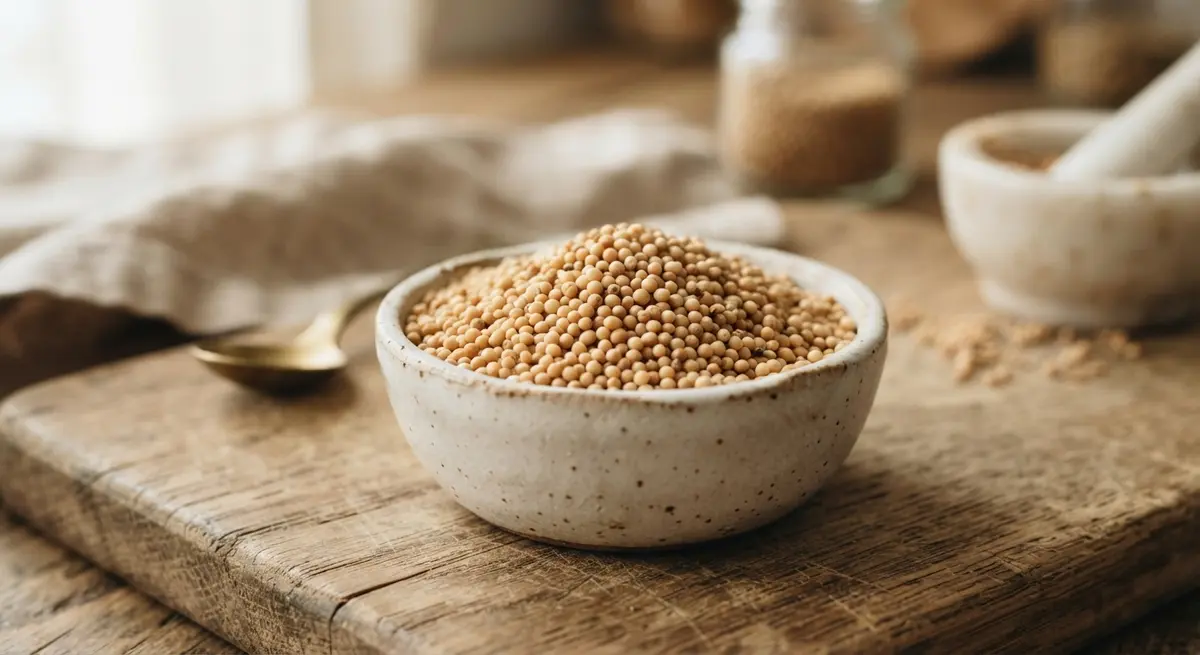
White Mustard Seeds: Flavor Profile, Health Benefits & Culinary Uses
White mustard seeds are the mildest, palest member of the mustard family, and the base of American yellow mustard. Here is how to use their gentle heat.
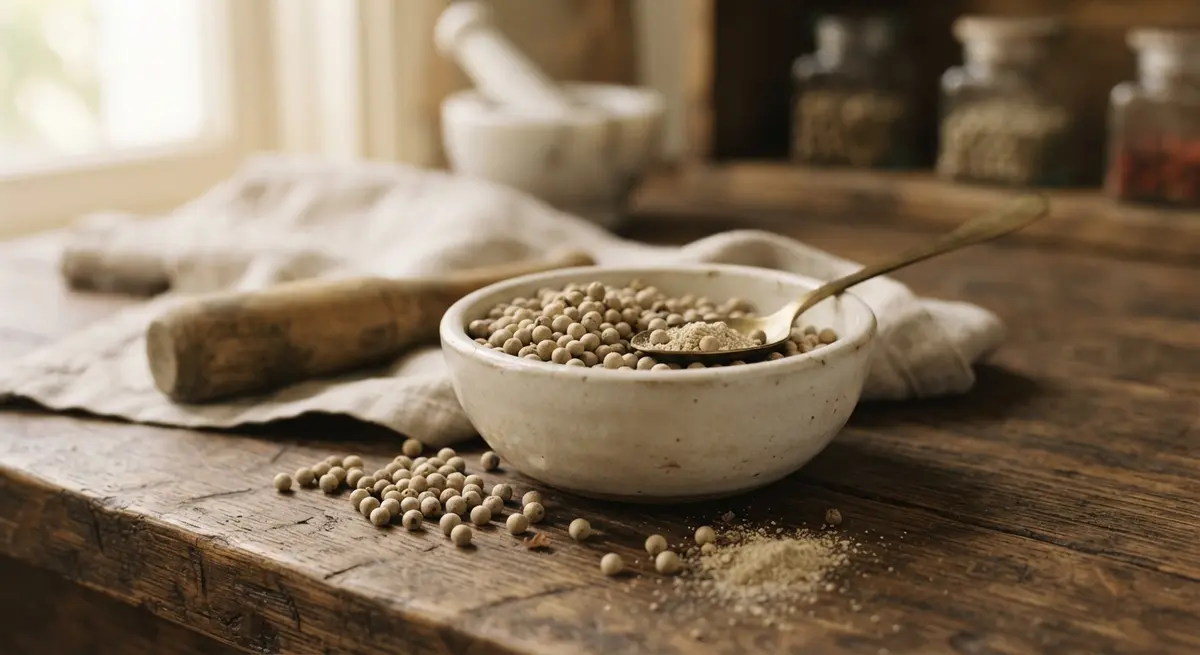
White Pepper: Flavor Profile, Health Benefits & Culinary Uses
The same Piper nigrum vine gives us black and white pepper. White pepper is milder in aroma but sharper in heat, made for light sauces and pale dishes.
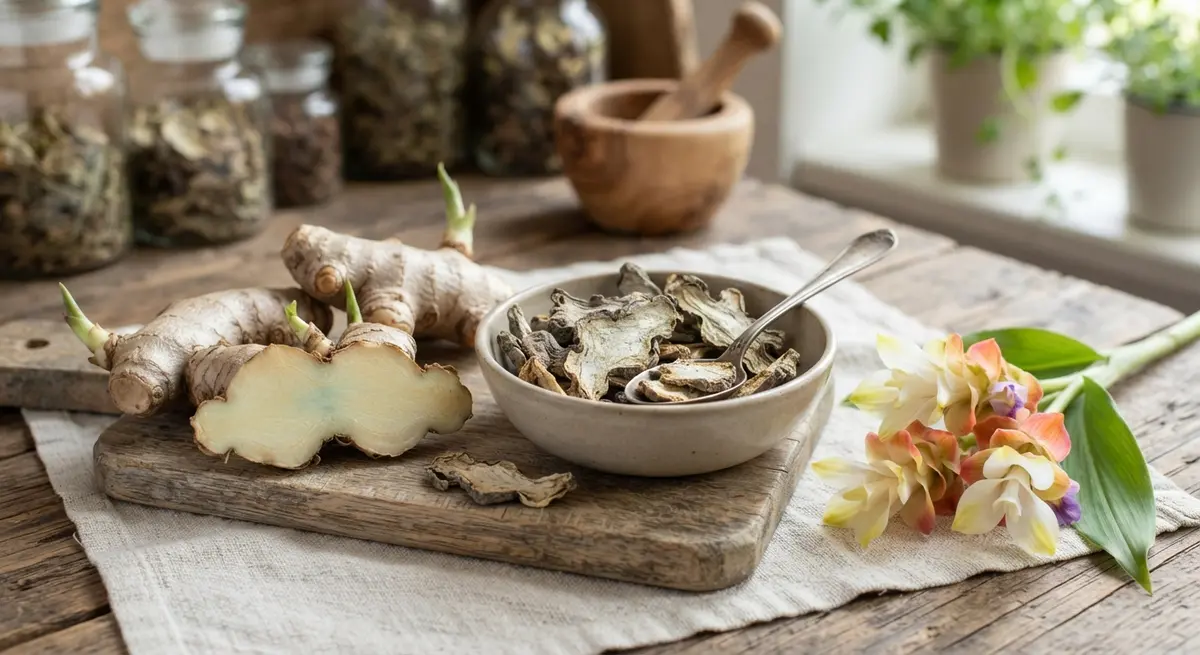
White Turmeric (Zedoary): Flavor Profile, Health Benefits & Culinary Uses
Pale, bitter, and faintly mango-like, zedoary is the white turmeric that Indian pickles from south to north have quietly relied on for centuries.
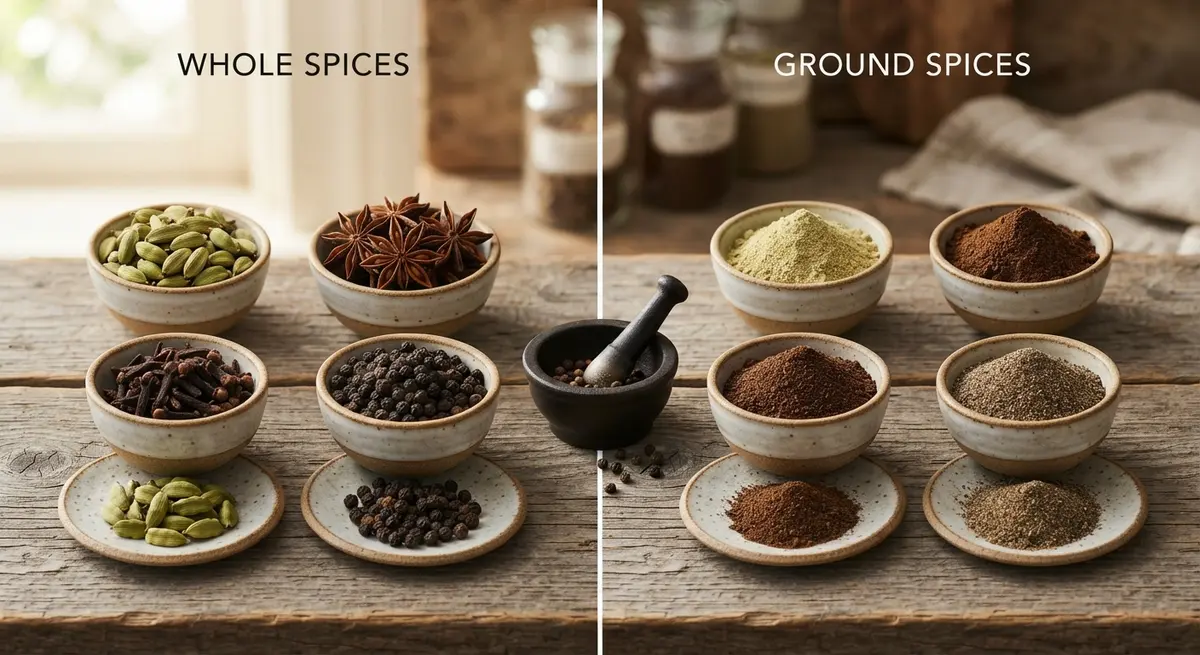
Whole vs. Ground Spices and Why Fresh Grinding Wins
Whole spices are a time capsule, ground spices are a countdown. Grind at home what you can, and you double the flavor overnight.
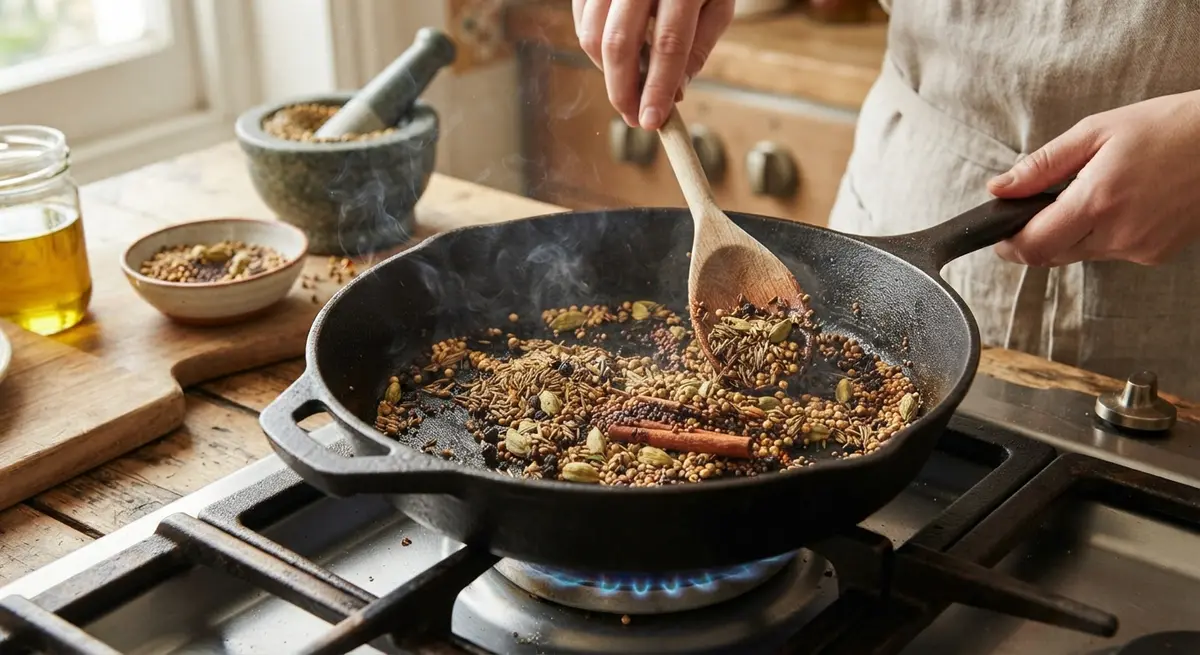
Why You Should Toast Spices Before Cooking, Every Time
Toasting is the fastest way to make any spice taste twice as alive. Dry heat unlocks the oils, sweetens the bite, and perfumes the kitchen.
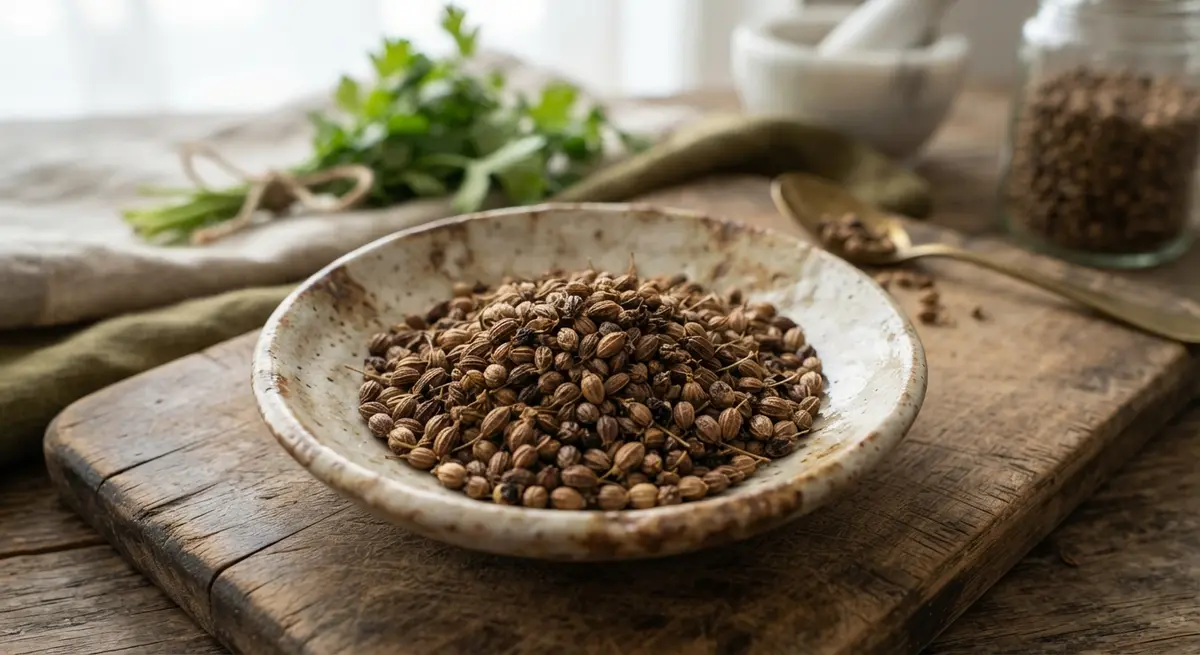
Wild Coriander Seeds: Flavor Profile, Health Benefits & Culinary Uses
Culantro, better known as wild coriander, brings the same green cilantro brightness with extra boldness, and its rare seeds carry that flavor with surprising staying power.
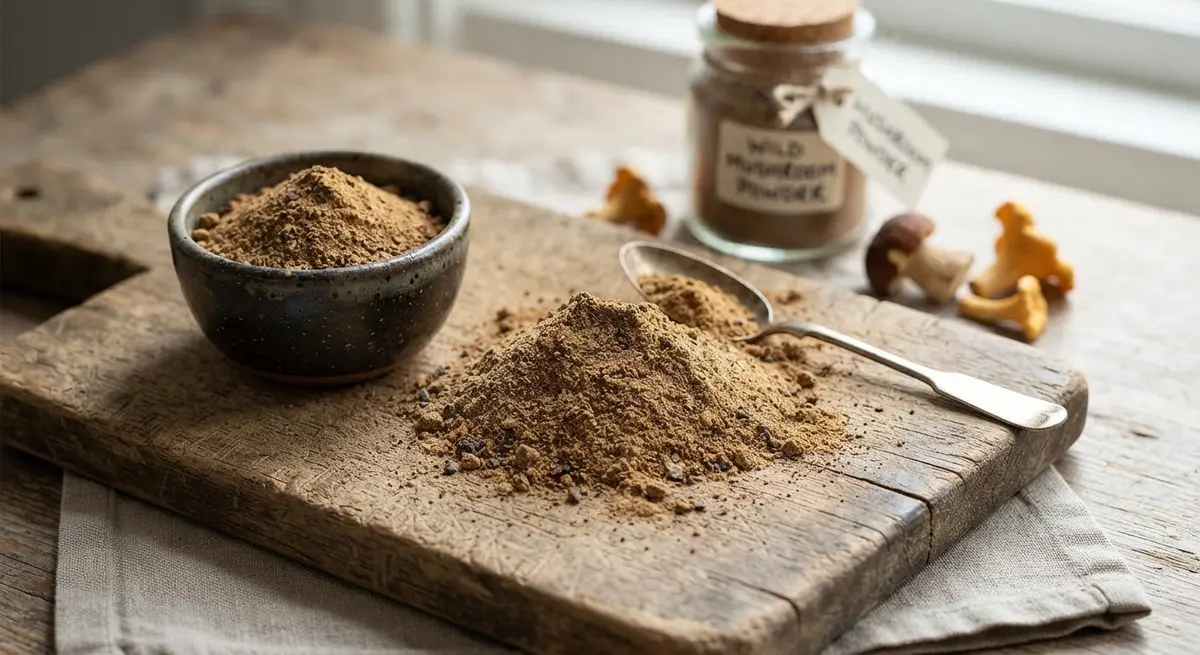
Wild Mushroom Powder: Flavor Profile, Health Benefits & Culinary Uses
The forest-floor flavor bomb that makes everything taste like it simmered all day. Which mushrooms shine, how to grind, and the sourcing rule.
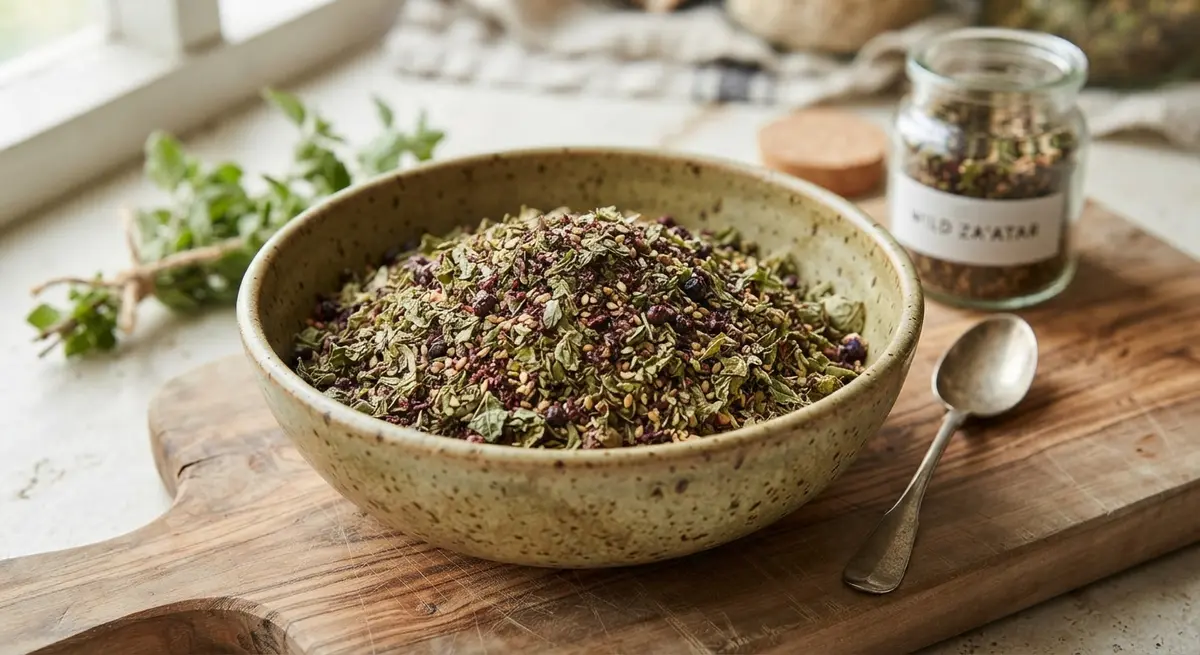
Wild Za'atar: Flavor Profile, Health Benefits & Culinary Uses
Every za'atar jar starts as a wild hillside herb — meet Origanum syriacum, the thyme-like green leaf that gave the famous blend its name and soul.
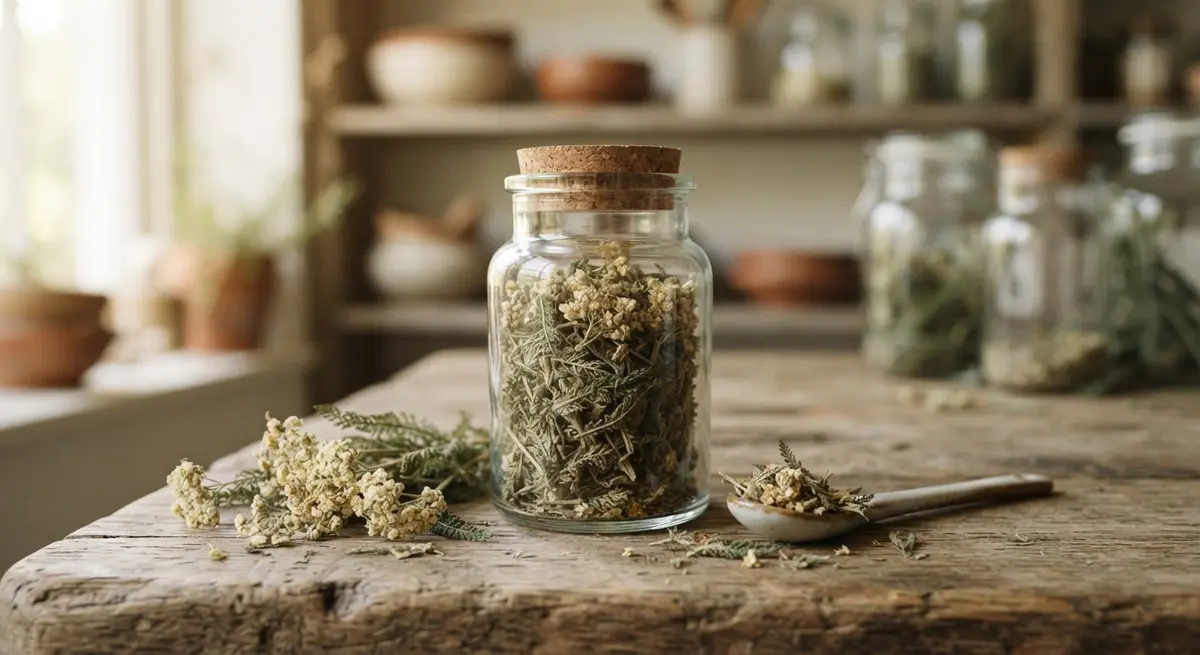
Yarrow: Flavor Profile, Health Benefits & Culinary Uses
A meadow herb that has followed humans for centuries. Its bitter-pine aromatics, gentle culinary role, and the safety checks that matter.
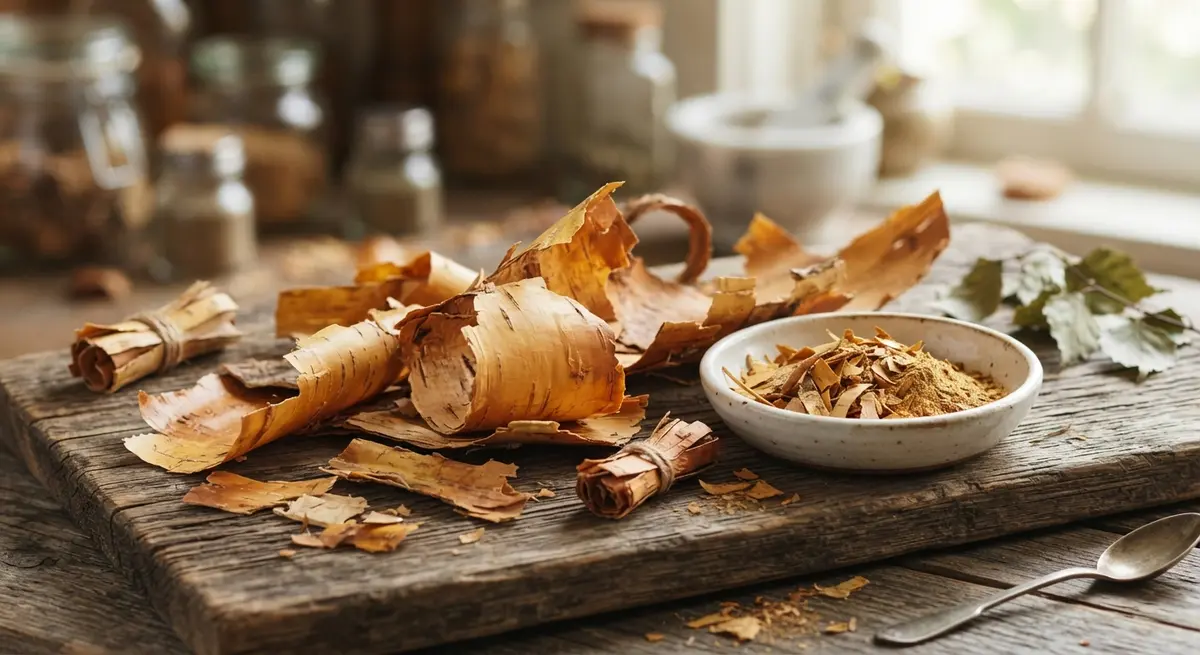
Yellow Birch Bark: Flavor Profile, Health Benefits & Culinary Uses
One strip's worth of wintergreen, root beer, and toasted vanilla. The flavor, the methyl salicylate math, and how to use bark safely in food.