Yarrow: Flavor Profile, Health Benefits & Culinary Uses
By the QuiteRecipes team (Jamy & Kaïna)
A meadow herb that has followed humans for centuries. Its bitter-pine aromatics, gentle culinary role, and the safety checks that matter.
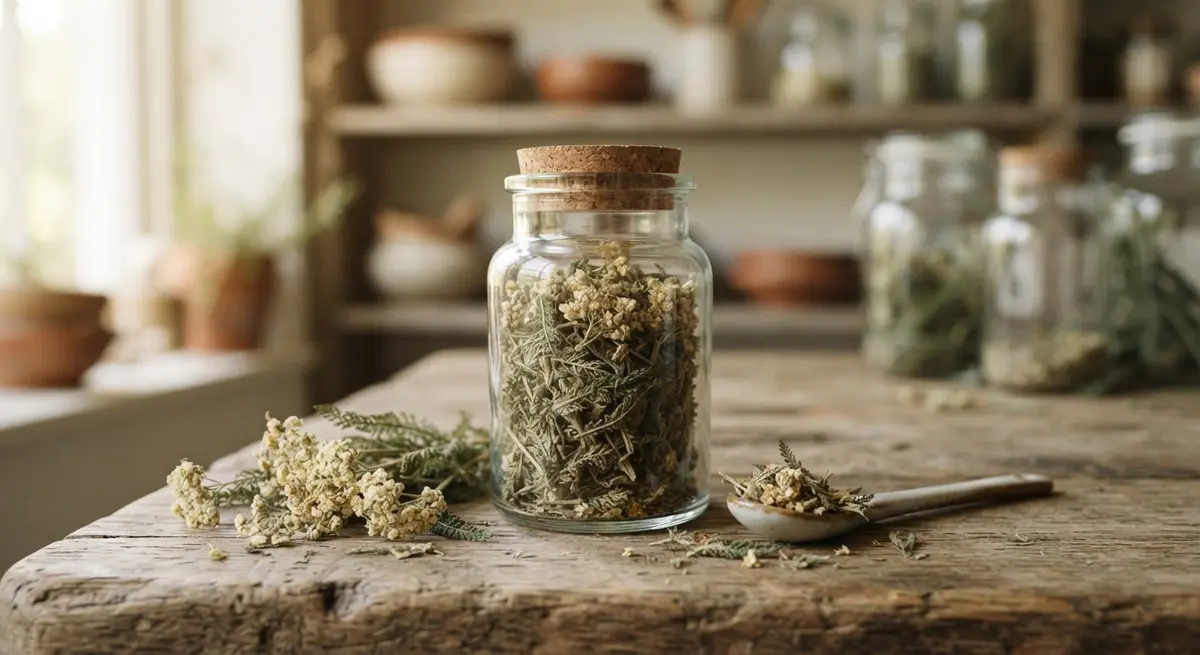
Yarrow is the lacy white- or pink-flowered meadow herb that has followed humans for so long its Latin name (Achillea millefolium) is stitched into battle legends, and its flowers show up in drying racks beside lavender. It is not a mainstream spice, but herbalists and old-school cooks have used the leaves and flower tops as a gentle bitter in sauces, soups, and cups of tea for centuries.
The key with yarrow is to behave like a salt-and-pepper shaker: a little perfumes, a lot repels. Treat the leaves as a last-minute garnish or a single leaf in a pot, and it turns ordinary stock into something wild-tasting.
Flavor Profile & Notes
Yarrow's flavor is a study in contrasts: bitter at the base, then piney and lightly sweet, with a faint anise-chamomile bloom and a clean, resinous finish. The feathery leaves are the most intense part — drying mellows them into something closer to dried oregano with guts. The young flower tops add a gentler floral-bitter note to tinctures and teas. Heat rounds the bitterness and sends the aromatic oils airborne; adding it late in cooking or using cold infusions keeps the aromatics forward.
Health Benefits & Nutrition
Yarrow has been a diplomatic tonic for centuries, and the plant does contain flavonoids and anti-inflammatory compounds that researchers continue to study. It also contains thujone and related aromatics, so concentrated use — big tea amounts, essential oil — is genuinely not advisable during pregnancy. For everyday use, a leaf in a salad or a flower in tea is traditional and gentle. Frame it as an aromatic bitter vegetable rather than a remedy, and if you are on medication or expecting, treat even tea amounts with a doctor's thumbs-up.
Best Culinary Pairings
Mince a young leaf into butter for grilled fish, or branch it into chicken stock for a pine-air broth. It is a classic hedgerow herb in forager cuisine, showing up in dried herb blends, sour sauces, and vermouth-style infusions. Pair it with rosemary, black pepper, and citrus on roast pork or lamb; a blossom or two floats nicely in a pitcher of white wine or a bitter, herbaceous gin cocktail. Yarrow also mingles with apple cider, honey, and ginger in a herbal tea blend.
Quick Substitutes
Your safest, closest yarrow neighbors are tarragon (anise-sweet, less bitter), chamomile (for floral polish), and mint (for aroma) — combine tarragon with a bitter green like chicory to mimic yarrow's two-sided personality. Rosemary alone covers the pine without the bitterness. Dried sage is the texture twin in soups, minus the flowers. For tea blends, mugwort is herbal kin but carries its own thujone caution — not an automatic upgrade.
FAQ / Quick Facts
- Do I eat the leaves raw? In small quantities, yes — like arugula with a bitter pine edge. Cooking or drying tames the bite.
- Is it safe for pregnant women? Health bodies advise avoiding yarrow during pregnancy due to its thujone-type compounds — abstain.
- What does it taste like? Piney, bitter, faintly sweet — chamomile crossed with sage and mint.
- Botanical family: Asteraceae / Form: fresh or dried leaves and flower tops / Best uses: stocks, herb butters, teas, foraged blends.
Related Articles
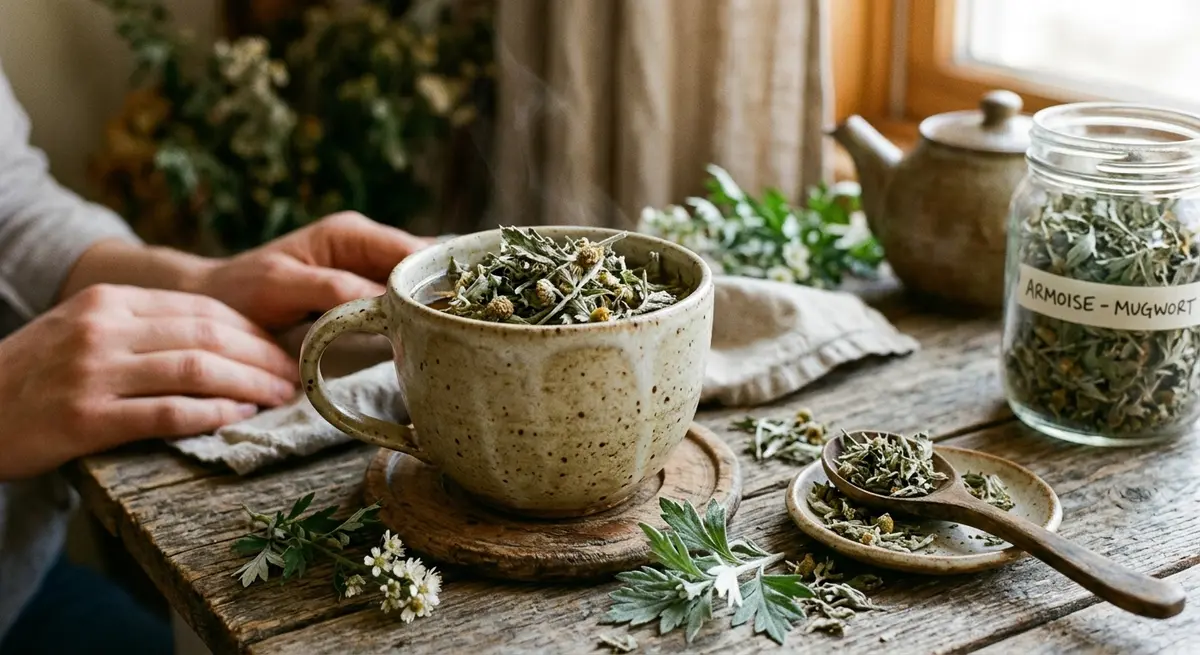
Mugwort: Flavor Profile, Health Benefits & Culinary Uses
A venerable gray-green bitter herb that shows up across three food cultures. The flavor notes, the thujone cautions, and the safest culinary role.
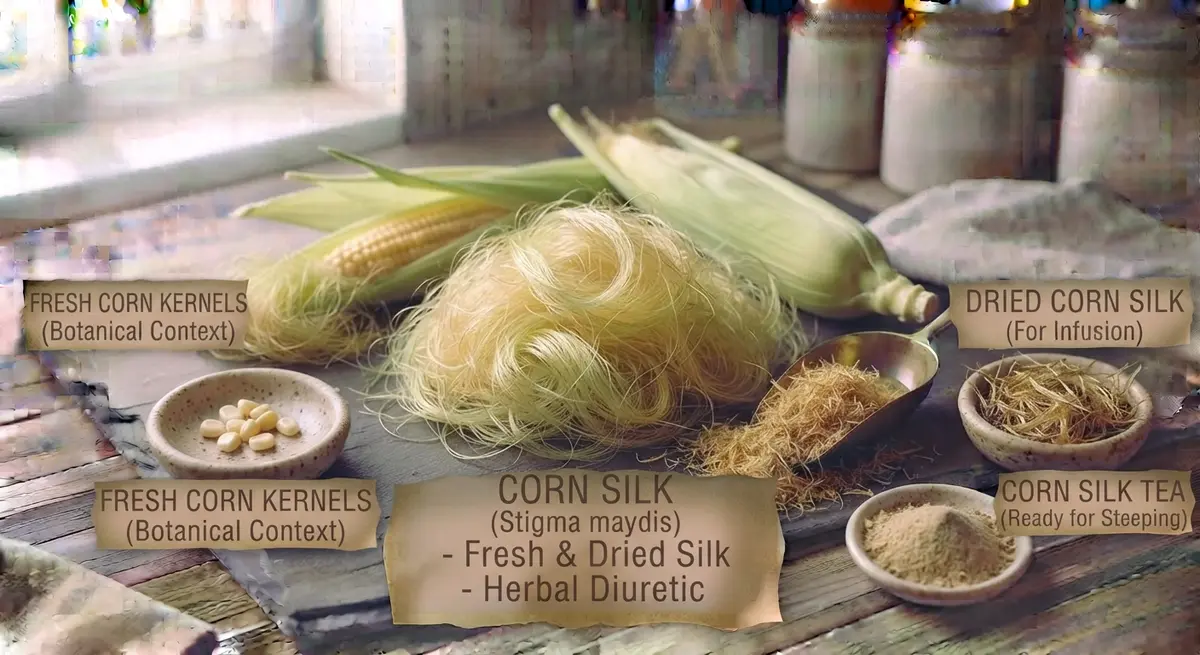
Dried Corn Silk: Flavor Profile, Health Benefits & Culinary Uses
The golden fringe from fresh corn brews a gentle, hay-sweet tisane. How to dry it, steep it, and blend it, plus honest cautions.
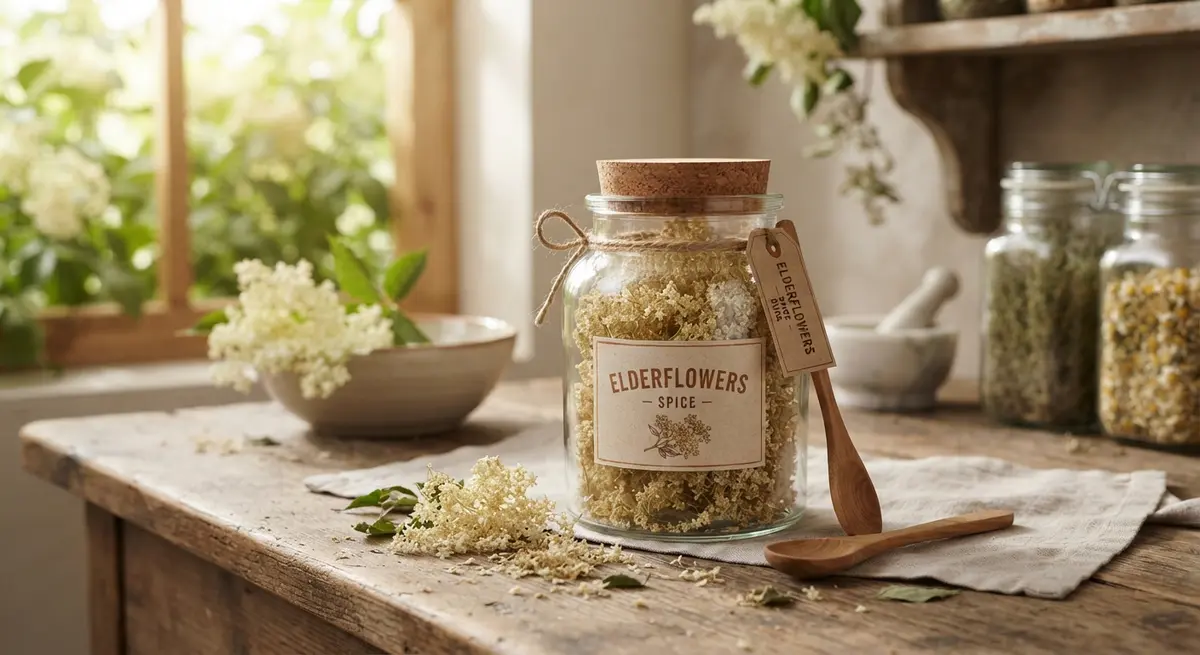
Dried Elderflowers: Flavor Profile, Health Benefits & Culinary Uses
The invisible backbone of a perfect summer: cream blooms with honey-pear perfume. Drying it, steeping cordial, and the lookalike cautions.
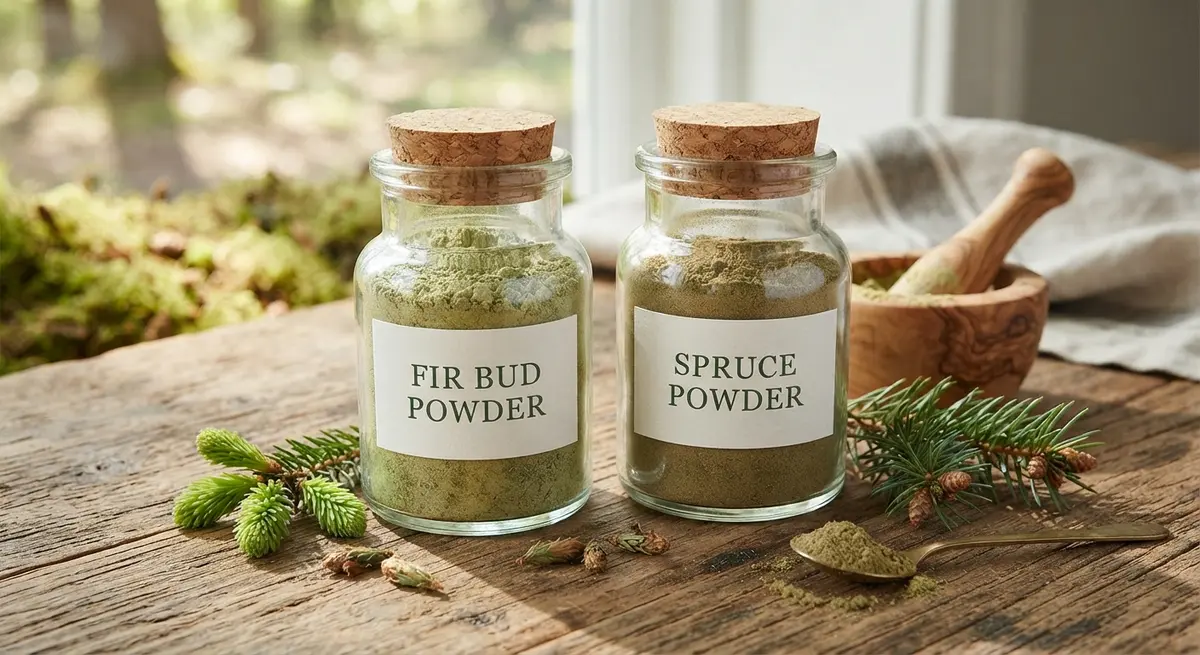
Dried Fir Bud & Spruce Powder: Flavor Profile, Health Benefits & Culinary Uses
Ground spruce tips are a fine-dining forest spice. When to dust, when to steep, how to identify safe conifers, and what plays well with pine.
About the Authors
This recipe and guide was developed, tested, and approved in our home kitchen and daily life. Jamy is a retired Food Service District Manager and Early Childhood Program Manager who spent his career overseeing multi-site restaurant operations, large-scale culinary production, and daycare menu management. Kaïna brings the ultimate real-world test: making sure it brings ease and joy to our kids on a busy weeknight.
Read more about our professional background and philosophy →