Mugwort: Flavor Profile, Health Benefits & Culinary Uses
By the QuiteRecipes team (Jamy & Kaïna)
A venerable gray-green bitter herb that shows up across three food cultures. The flavor notes, the thujone cautions, and the safest culinary role.
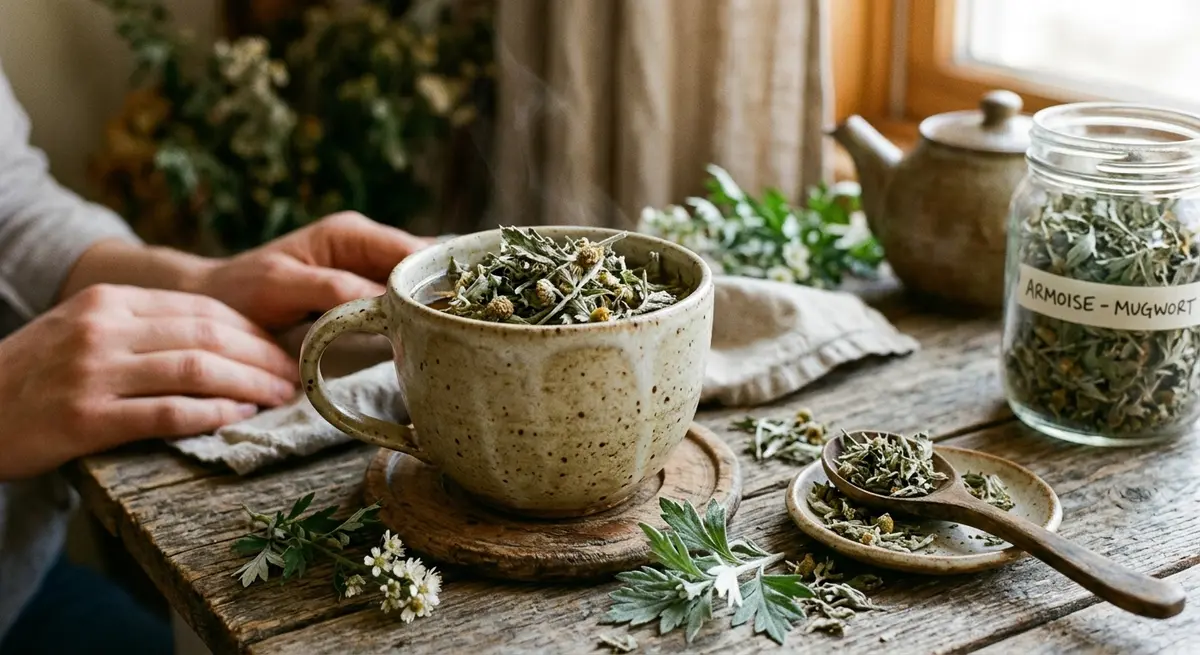
Mugwort is the venerable gray-green herb that refuses to stay in one culture's kitchen. Artemisia vulgaris, called motherwort in some traditions and a natural bittering shelf-stocker in others, shows up in Asian rice cakes, European poultry stuffing, and herbal moxa sticks all at once. The leaves dry beautifully and hold their aromatic power for over a year — which makes them a reliable pantry herb, if you are disciplined about quantity.
Here is the kitchen truth: mugwort is an acquired-taste bitter, not a daily green. Its sage-like, faintly medicinal aroma carries a hint of chrysanthemum and a distinctly wild edge. Treat it like lovage or sage — an accent, not a bulk ingredient.
Flavor Profile & Notes
Fresh mugwort leaves smell camphorous, slightly piney, and a touch dusty — like sage stretched through a pine forest. Once dried, the sharpness settles into a bitter aromatic blend: rosemary, sage, and citrus peel with an unmistakably herbal, almost medicinal bite that works best against rich foods. Cooking softens the bitterness; raw, it bites back. The plant's essential oils, including thujone, drive both the aroma and the caution flags, so moderation is genuinely the point. In Korean rice cakes and Japanese mochi, that same bitterness is exactly the draw.
Health Benefits & Nutrition
Because thujone — the same compound in wormwood — can affect the nervous system in large doses, mugwort's health story is "gentle herb, loud caution." It has a real history as a bitter digestive that pairs naturally with rich dishes, and research on artemisinin-family compounds is significant, but that fame belongs to a related plant's antimalarial compounds, not to your kitchen jar. Pregnant women should avoid it entirely, per nearly every herbal source. For most adults, a leaf in food or a pinch in tea is traditional, reasonable, and enjoyable; beyond that, talk to a professional.
Best Culinary Pairings
Koreans use mugwort (ssuk) in savory rice cakes and spring soup; the Japanese fold it into mochi and dumplings. Dried, crumbled leaves do astonishing things braised into duck, goose, or pork belly — think of it as an herbal answer to too much richness. It seasons stuffing, pairs with chestnuts, eggs, and root vegetables, and perfumes anise-scented liqueurs. Try a pinch in tomato-based braises or steep a single leaf in tea with honey for a wild-grove sweetness.
Quick Substitutes
For bitter-herb with a pine-air twist, tarragon covers the sweet-anise side while sage covers the gutsiness; combine them for a passable approximation in poultry. Dried rosemary with a bitter green like chicory approaches the complexity in salads. Replacing the anise-tinged sweetness in desserts, fennel seed plus a touch of sage does quiet work. For mochi-style treats, matcha or shiso are the practical swaps most cooks already own.
FAQ / Quick Facts
- Do I need to cook it? No, but raw leaves are sharp; blanching or drying tames the bitter edge.
- Is it safe during pregnancy? No — pregnant and breastfeeding women should avoid mugwort, per nearly every herbalist.
- What does it taste like? Piney, sage-like, faintly medicinal, and pleasantly bitter with an anise hint.
- Botanical family: Asteraceae / Form: fresh or dried leaves / Best uses: fatty meats, rice cakes, tea, stuffing.
Related Articles
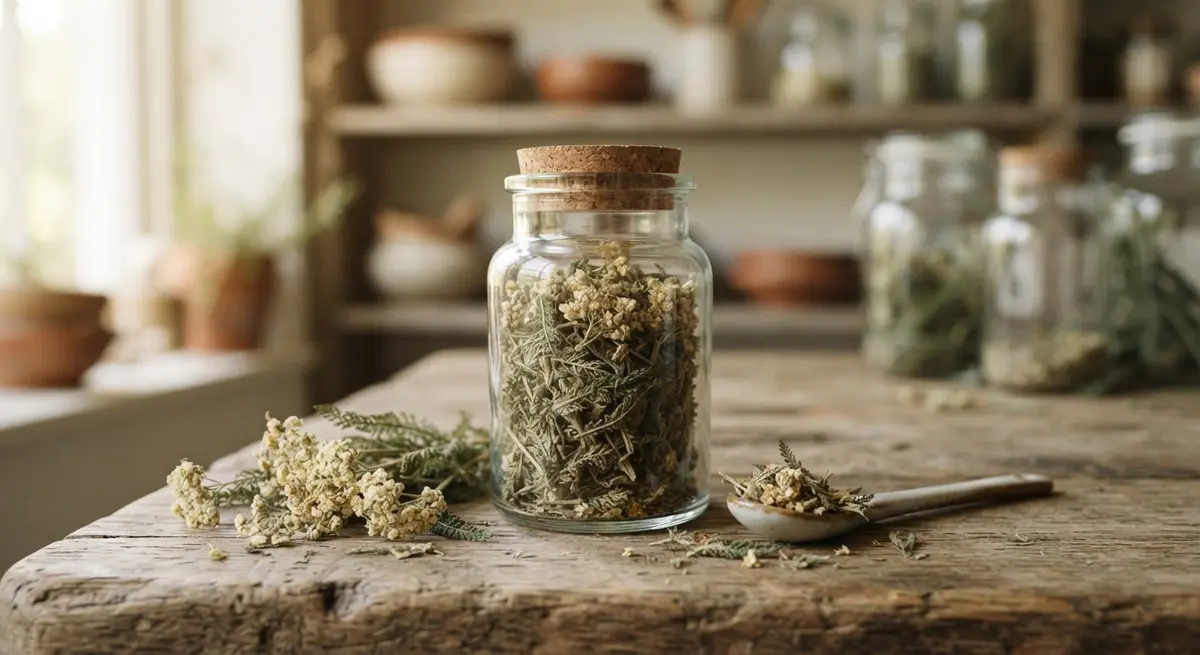
Yarrow: Flavor Profile, Health Benefits & Culinary Uses
A meadow herb that has followed humans for centuries. Its bitter-pine aromatics, gentle culinary role, and the safety checks that matter.
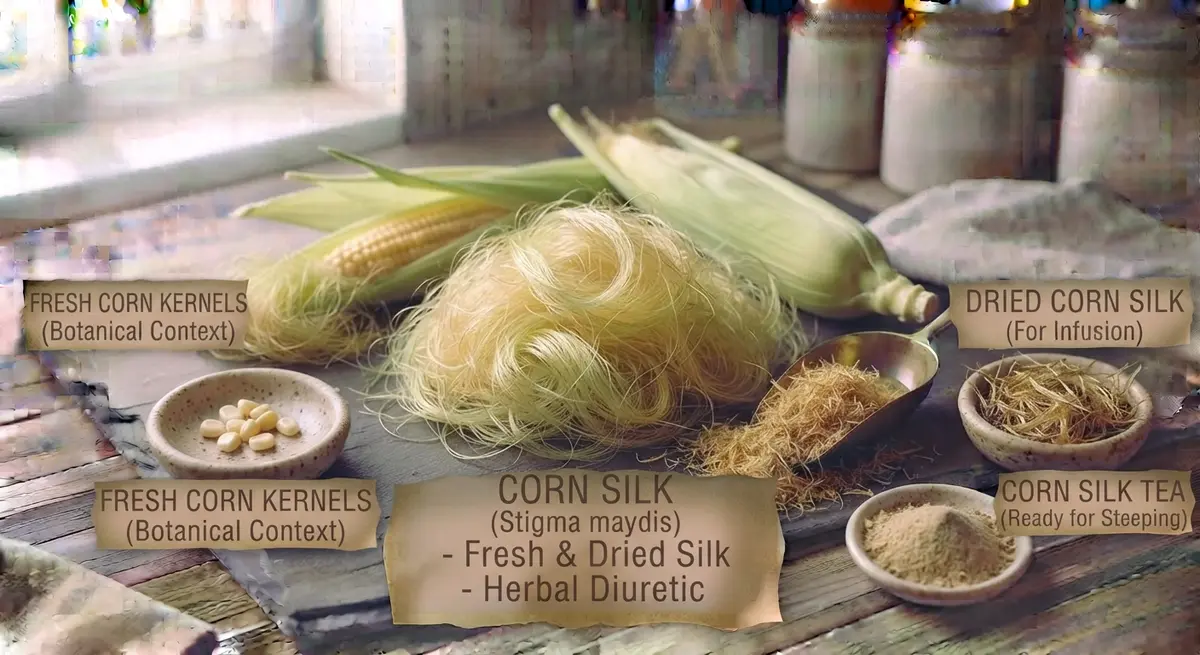
Dried Corn Silk: Flavor Profile, Health Benefits & Culinary Uses
The golden fringe from fresh corn brews a gentle, hay-sweet tisane. How to dry it, steep it, and blend it, plus honest cautions.
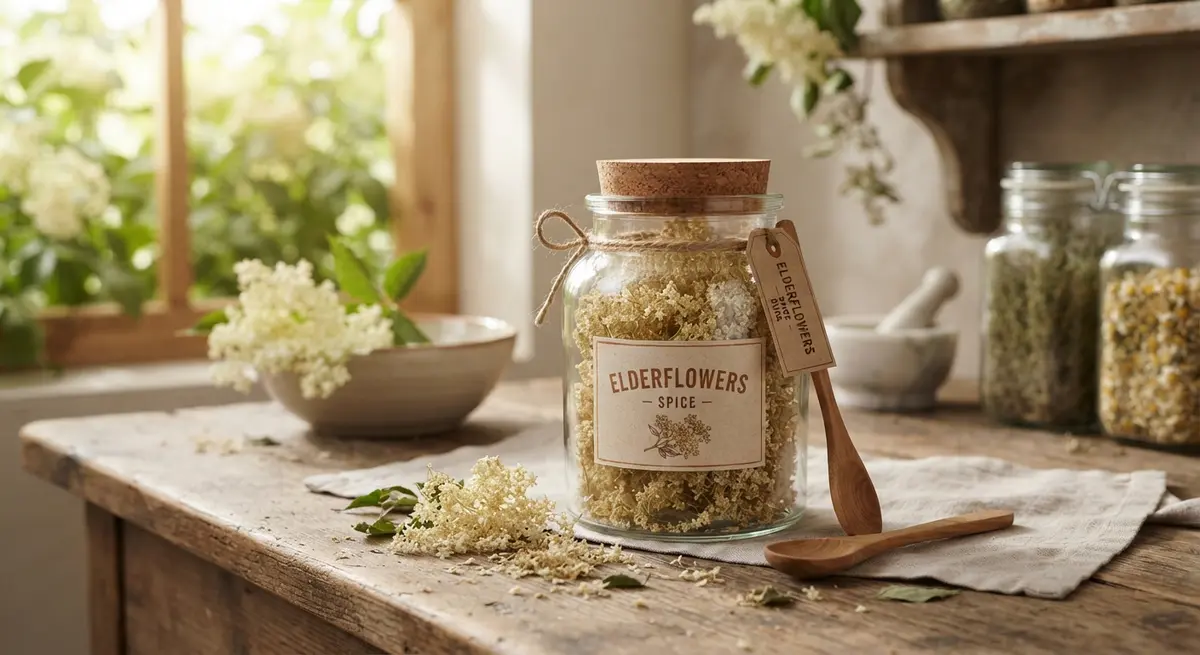
Dried Elderflowers: Flavor Profile, Health Benefits & Culinary Uses
The invisible backbone of a perfect summer: cream blooms with honey-pear perfume. Drying it, steeping cordial, and the lookalike cautions.
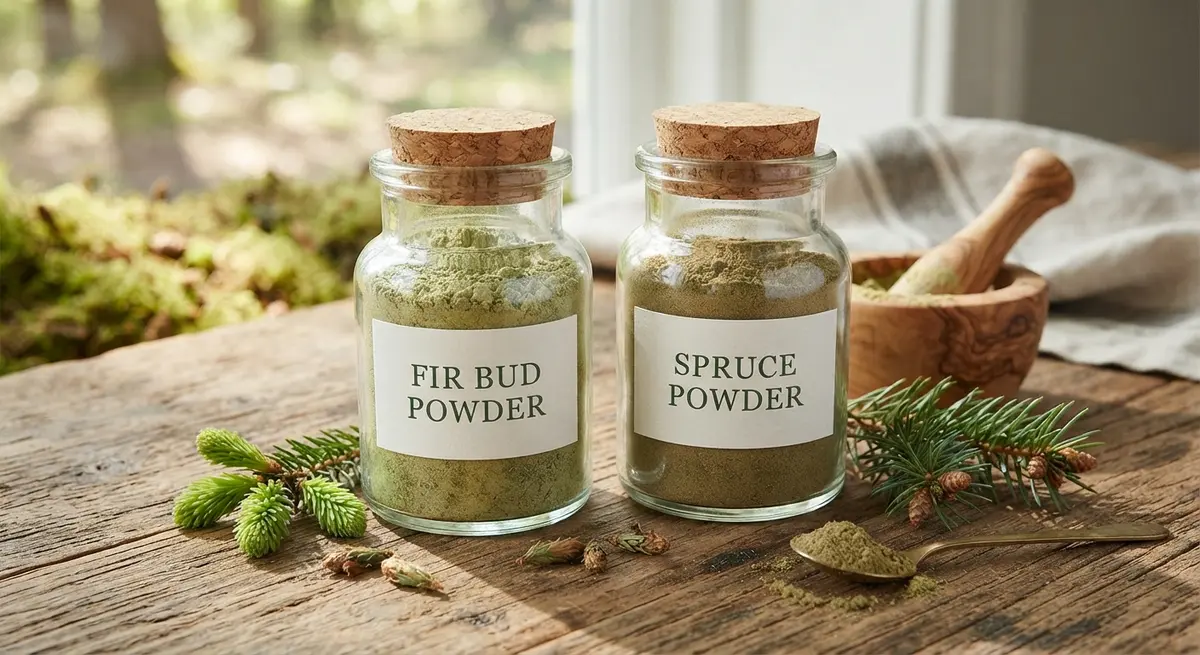
Dried Fir Bud & Spruce Powder: Flavor Profile, Health Benefits & Culinary Uses
Ground spruce tips are a fine-dining forest spice. When to dust, when to steep, how to identify safe conifers, and what plays well with pine.
About the Authors
This recipe and guide was developed, tested, and approved in our home kitchen and daily life. Jamy is a retired Food Service District Manager and Early Childhood Program Manager who spent his career overseeing multi-site restaurant operations, large-scale culinary production, and daycare menu management. Kaïna brings the ultimate real-world test: making sure it brings ease and joy to our kids on a busy weeknight.
Read more about our professional background and philosophy →