Turmeric: Flavor Profile, Health Benefits & Culinary Uses
By the QuiteRecipes team (Jamy & Kaïna)
Golden, earthy, and quick to stain everything it touches, turmeric turns plain rice and vegetables into food that looks like you tried harder. Here is how to cook it.
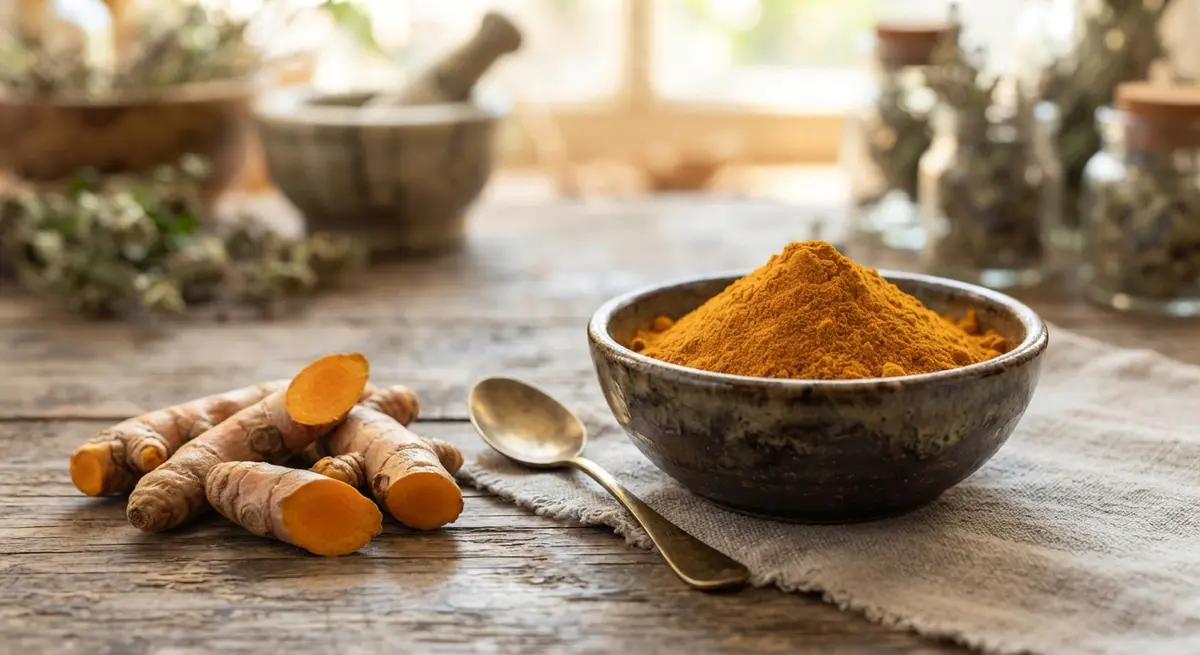
Turmeric is the golden dust of South Asia, ground from the rhizome of Curcuma longa, a fringed orange root in the same botanical family as ginger. It has colored Indian curries, wedding food, and ceremonial paste for thousands of years, and it traveled the world so thoroughly that it now trends in coffee shops under the name golden latte. That coral-colored root is a superhero of color before it is anything else.
Its healthy reputation is famously oversold, but the real turmeric story is still good — and the cooking habit that makes it work is something you already do.
Flavor Profile & Notes
Turmeric tastes earthy, musky, and slightly bitter, with a warm, peppery aroma and a color that transfers to anything it touches — eggs, rice, fingers, cutting boards, clothes. A small spoon reinvents a dish's look; a heavy one turns food bitter and medicinal. Unlike many spices it likes a little patience: simmer it in liquid or cook briefly in oil to tame the raw, dusty edge. And it has one legendary matching rule — turmeric's star compound, curcumin, is absorbed poorly on its own, but black pepper's piperine boosts that absorption by a factor rarely seen in food science.
Health Benefits & Nutrition
Curcumin is genuinely interesting: a well-studied antioxidant and anti-inflammatory compound, which is why turmeric keeps appearing in joint and gut research. The honest caveat is that its body availability is tiny without pepper and fat, which neatly explains why traditional turmeric cooking pairs it with black pepper, oil, and ghee. It is a food, not a treatment — but the food version, in realistic daily amounts, is a real plus for anyone who cooks with intention.
Best Culinary Pairings
Turmeric is the gold leaf of savory cooking: stir it into rice pilaf or biryani for the famous yellow grains, add it to lentil soups, curries, and coconut broths, toss roasted cauliflower or potatoes with a pinch, and scatter a little over scrambled eggs for color and depth. Golden milk — warm milk, turmeric, a crack of black pepper, honey — is a genuinely pleasant evening ritual. Onion-heavy dishes turn golden without tasting turmeric-first, which is often the whole point.
Quick Substitutes
For color, a tiny pinch of saffron gives gold without the earthiness — expensive but real. For flavor and a milder tint, use a half-and-half of ground cumin and ground ginger; for the hue plus a smoky note, smoked paprika covers part of the job. Curry powder already contains turmeric, so a spare spoon carries both color and curry logic. None copy turmeric exactly; they just keep the dinner moving.
FAQ / Quick Facts
- Does turmeric really need black pepper? For curcumin absorption, yes — a pinch of pepper per dish is the traditional and sensible habit.
- How do I clean the yellow stain? Rinse fast; for hands, scrub with baking soda or lemon, and oil soap for pans and boards.
- Know your spice: Zingiberaceae family; ground rhizome; the color and backbone of curries, rice, and golden milk.
Related Articles
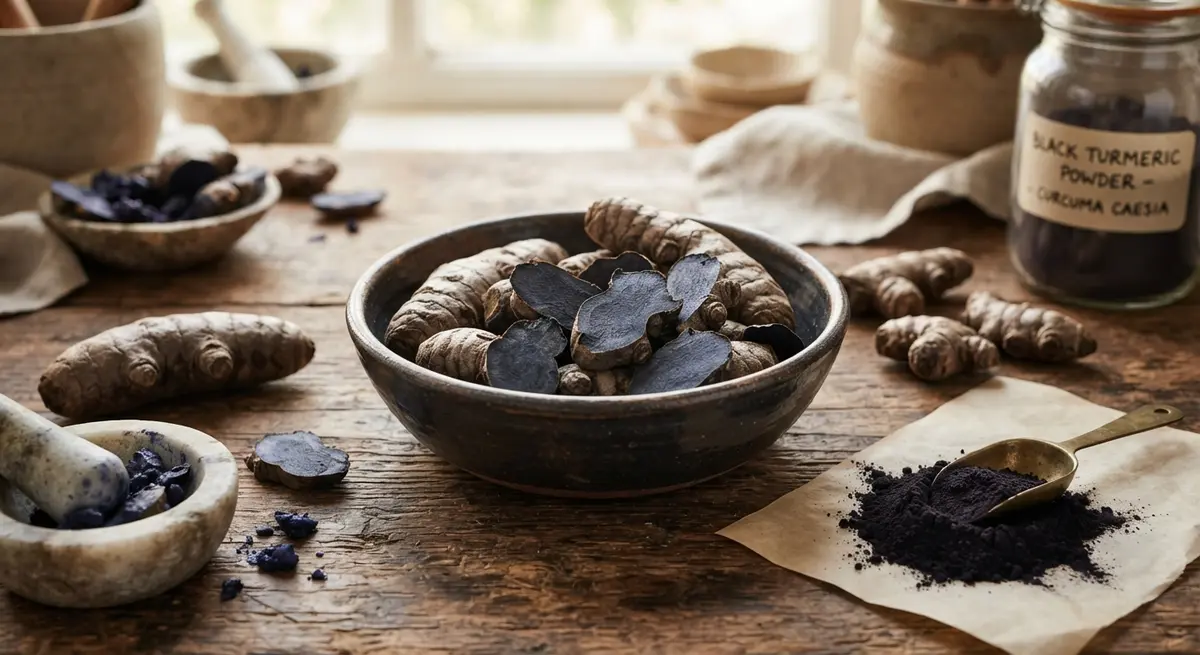
Black Turmeric: Flavor Profile, Health Benefits & Culinary Uses
The wild dark turmeric of eastern India, camphor-strong and almost blue inside: what black turmeric is, how it stuns cooks, and its honest uses in the kitchen.
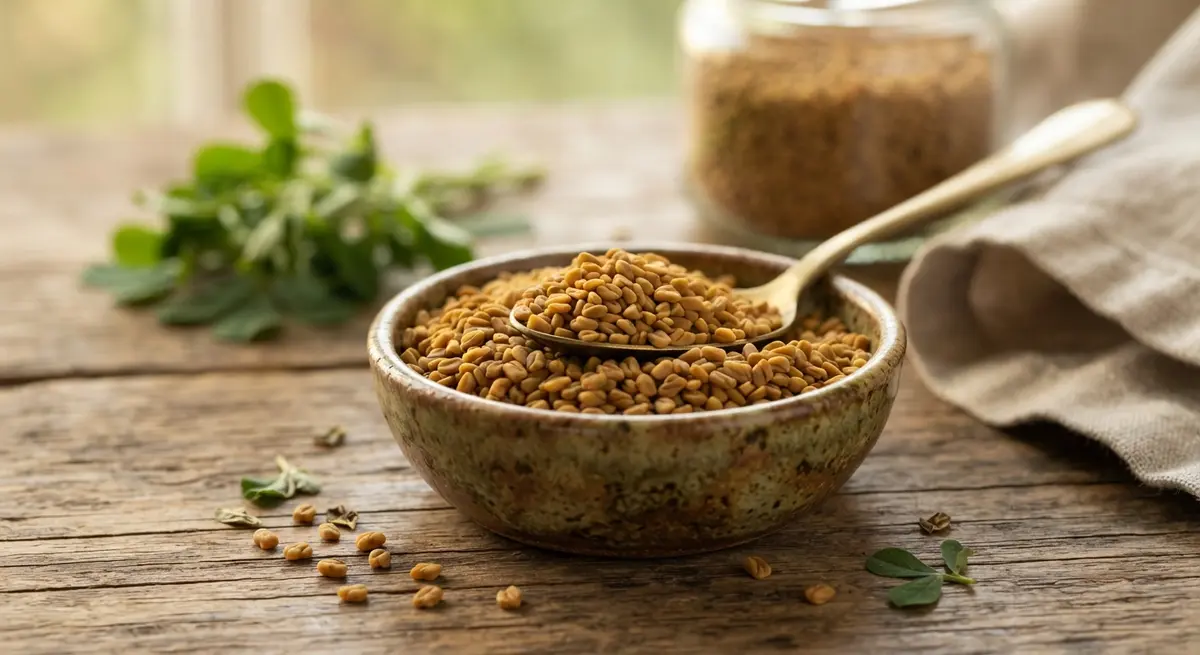
Fenugreek: Flavor Profile, Health Benefits & Culinary Uses
Small amber rounds that smell like maple syrup when toasted, fenugreek seeds are the hidden heart of curry powder. Here is the bitter-nutty guide to using them.
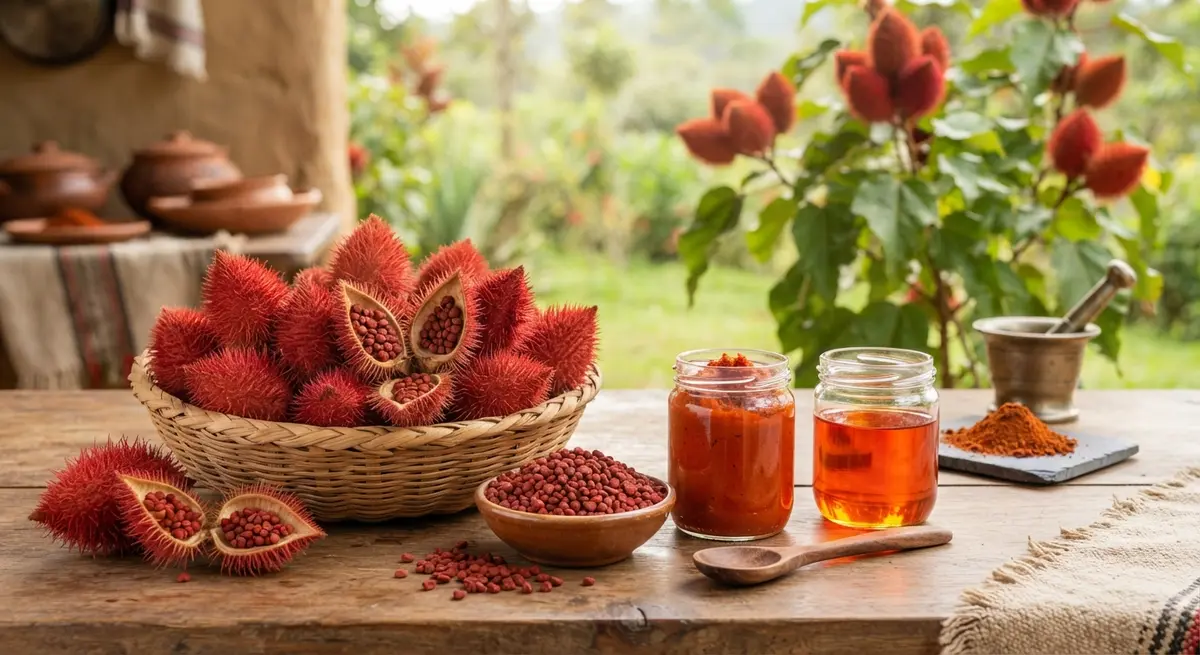
Achiote (Annatto): Flavor Profile, Health Benefits & Culinary Uses
Tiny coral-red seeds that paint food golden: the annatto tree's achiote, how to use the seeds and the Yucatan paste, and honest color substitutes.
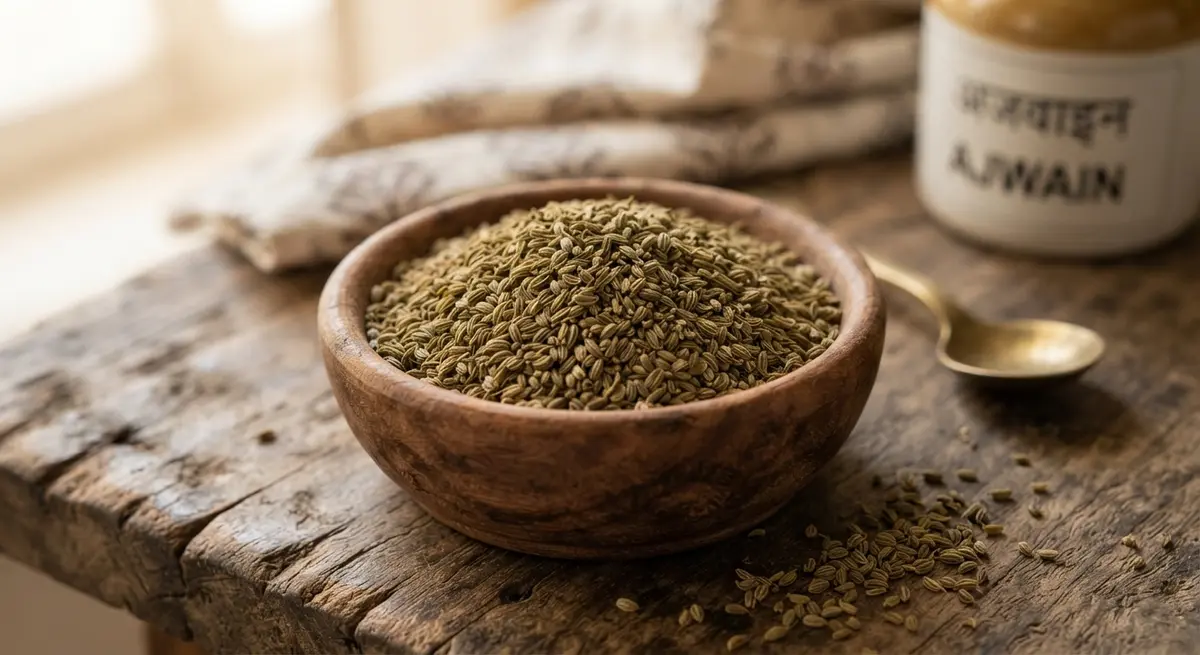
Ajwain (Carom) Seeds: Flavor Profile, Health Benefits & Culinary Uses
A tiny gray-brown seed that tastes like thyme, oregano, and cumin had a baby with a timer fuse. Here is how and why Indian kitchens use ajwain.
About the Authors
This recipe and guide was developed, tested, and approved in our home kitchen and daily life. Jamy is a retired Food Service District Manager and Early Childhood Program Manager who spent his career overseeing multi-site restaurant operations, large-scale culinary production, and daycare menu management. Kaïna brings the ultimate real-world test: making sure it brings ease and joy to our kids on a busy weeknight.
Read more about our professional background and philosophy →