Fenugreek: Flavor Profile, Health Benefits & Culinary Uses
By the QuiteRecipes team (Jamy & Kaïna)
Small amber rounds that smell like maple syrup when toasted, fenugreek seeds are the hidden heart of curry powder. Here is the bitter-nutty guide to using them.
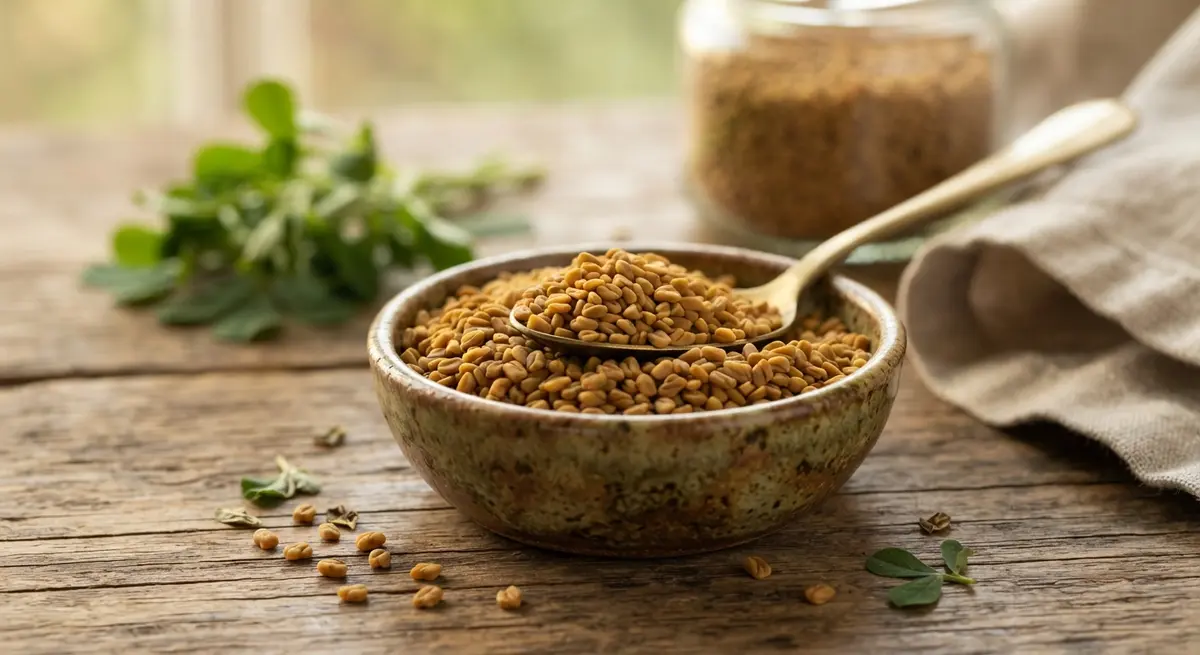
Fenugreek is the spice that smells like breakfast pretending to be dinner. Its small, square-ish amber seeds come from Trigonella foenum-graecum, an ancient legume grown across India, North Africa, and the Middle East, and they carry one of the strangest aromas in the whole cabinet: when toasted, fenugreek smells uncannily like maple syrup. The first tin you open will stop you mid-step. It is not maple-flavored at heart though — under that sugary first impression sits a bitter, nutty, savory core.
That tension between sweet nose and bitter tongue is exactly why fenugreek works: it adds depth no other spice delivers, and the only rule is moderation.
Flavor Profile & Notes
Raw fenugreek seeds taste intensely bitter and tough, so they are always toasted before use — a dry pan for a minute or two turns them coppery and releases the famous maple-tinged, nutty aroma while mellowing the bitterness. Even then, the flavor stays distinct: savory, slightly sweet, a little earthy, with a hint of celery and that maple afterthought. Ground fenugreek is potent and bitter, so it is used in fractions of a teaspoon. Trust the smell, respect the bitterness, and let it ride in small amounts.
Health Benefits & Nutrition
Fenugreek has a real folk résumé across multiple cultures — it has traditionally been used to support digestion, and modern research shows modest effects on blood-sugar response and milk production in nursing mothers. The seeds are rich in a soluble fiber called galactomannan, which gives the spice some of its digestive reputation. Fennel-like note: eating fenugreek regularly can make sweat and urine smell faintly of maple, a harmless curiosity that surprises more than one curry lover. People managing blood sugar or pregnancy should mention it to their doctor rather than self-dose; in cooking amounts it is simply a tasty spice.
Best Culinary Pairings
Fenugreek is a quiet but essential voice in Indian cooking: a pinch in dal, vegetable curries, butter chicken, and fish curries deepens the whole pot. It is one of the pillars of curry powder and garam masala, where its bitterness is tamed by sweetness. Ethiopian cuisine leans on it in berbere and in a classic fenugreek butter sauce. A small pinch of ground fenugreek in a tomato-based pasta sauce is the twist that makes eaters ask secret recipe questions.
Quick Substitutes
There is no real replacement, honestly; the closest approximation is a mix of fennel seeds plus a little celery seed and a whisper of maple syrup in sweet dishes, or a pinch of cumin and toasted fennel in savory ones. Curry powder contains fenugreek, so a spoon of a warm-blend curry can carry the role. If a recipe leans hard on fenugreek, better to do without or halve the dish than to mangle it with an eager fake.
FAQ / Quick Facts
- Why does my kitchen smell like maple? Sotolon, a compound in toasted fenugreek seeds, carries that unmistakable syrup aroma.
- Is it bitter? Raw, very — toasting for a minute or two is the non-negotiable first step.
- Know your spice: Legume family; whole seeds or ground; the bitter-sweet heart of curry powder and dals.
Related Articles
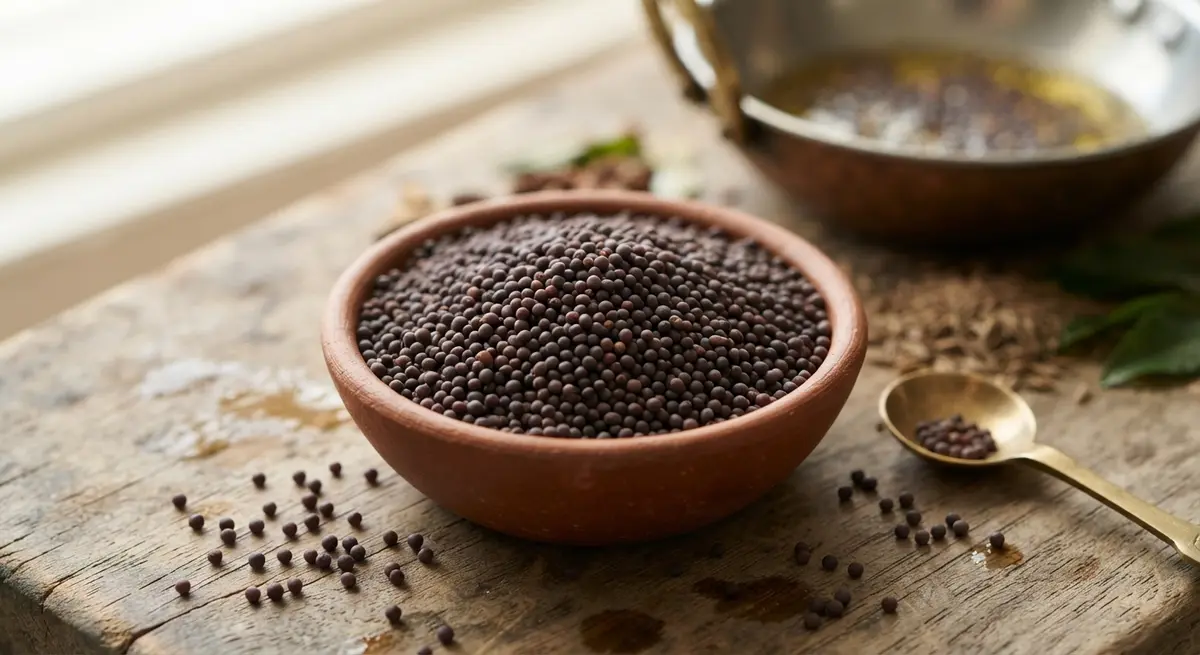
Black Mustard Seeds: Flavor Profile, Health Benefits & Culinary Uses
The tiny dark seeds that pop and sputter in hot oil are black mustard, the hottest of the family. Here is how to cook them the Indian way and where to swap.
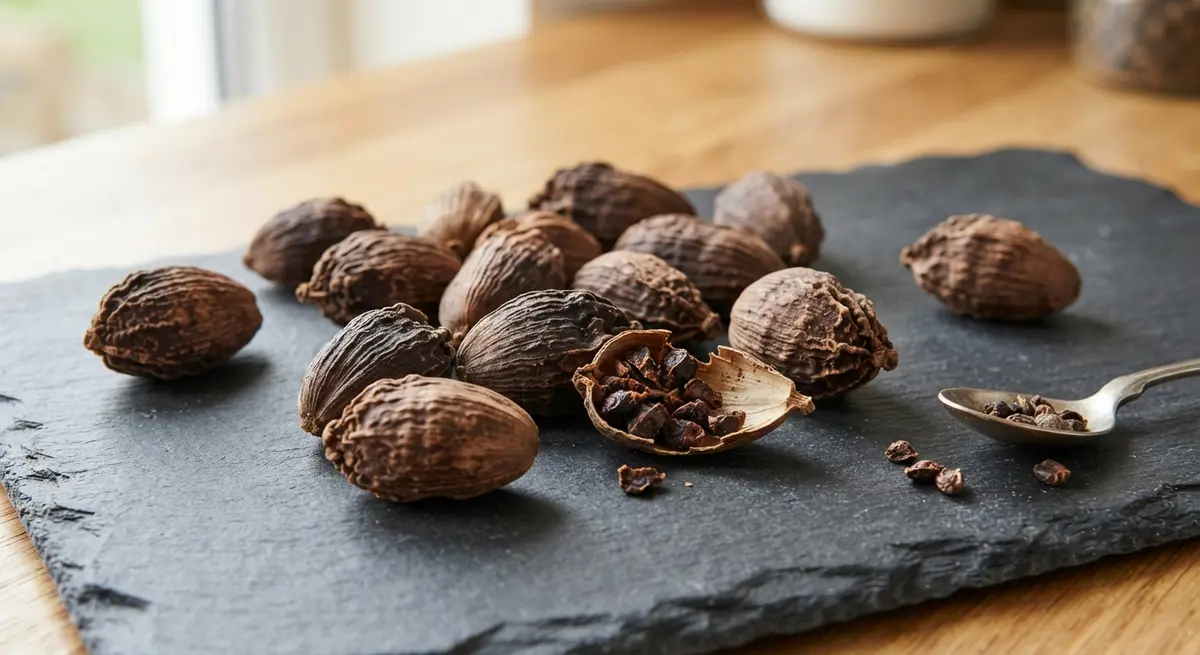
Brown & Black Cardamom: Flavor Profile, Health Benefits & Culinary Uses
The big wrinkled black pods sit next to green cardamom but come from a different species and taste like campfire. Here is where smoky black cardamom belongs.
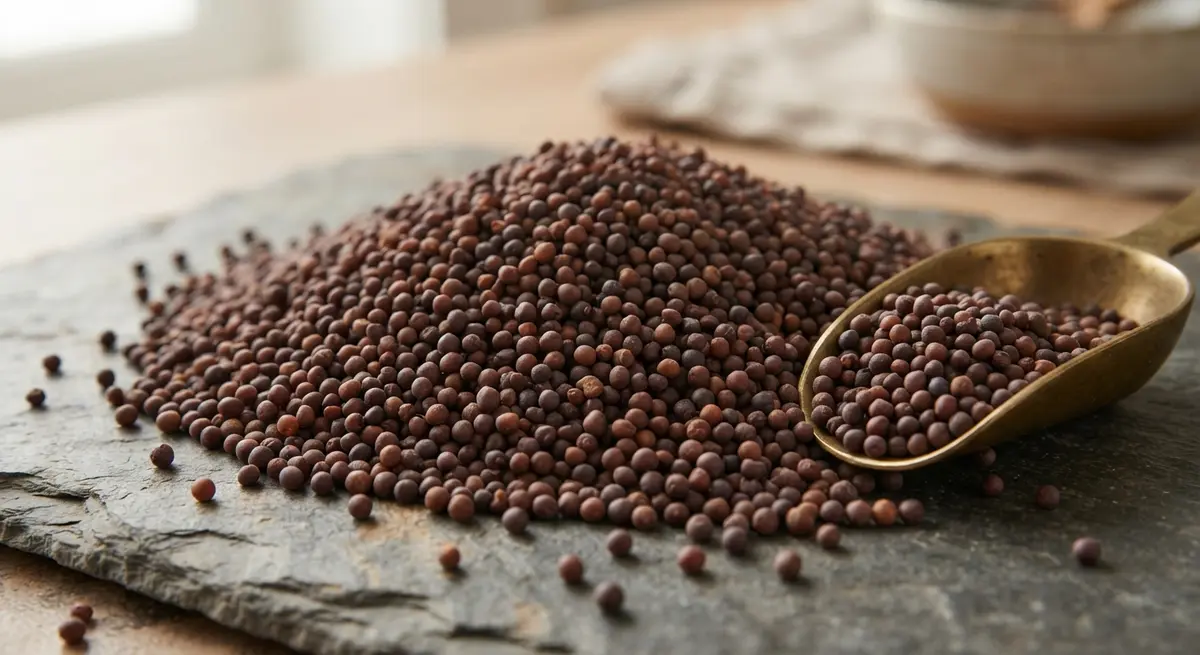
Brown Mustard Seeds: Flavor Profile, Health Benefits & Culinary Uses
Most jars labeled 'black mustard' actually hold brown seeds from Brassica juncea. Here is how their medium-hot pungency makes Dijon and stars in Indian cooking.
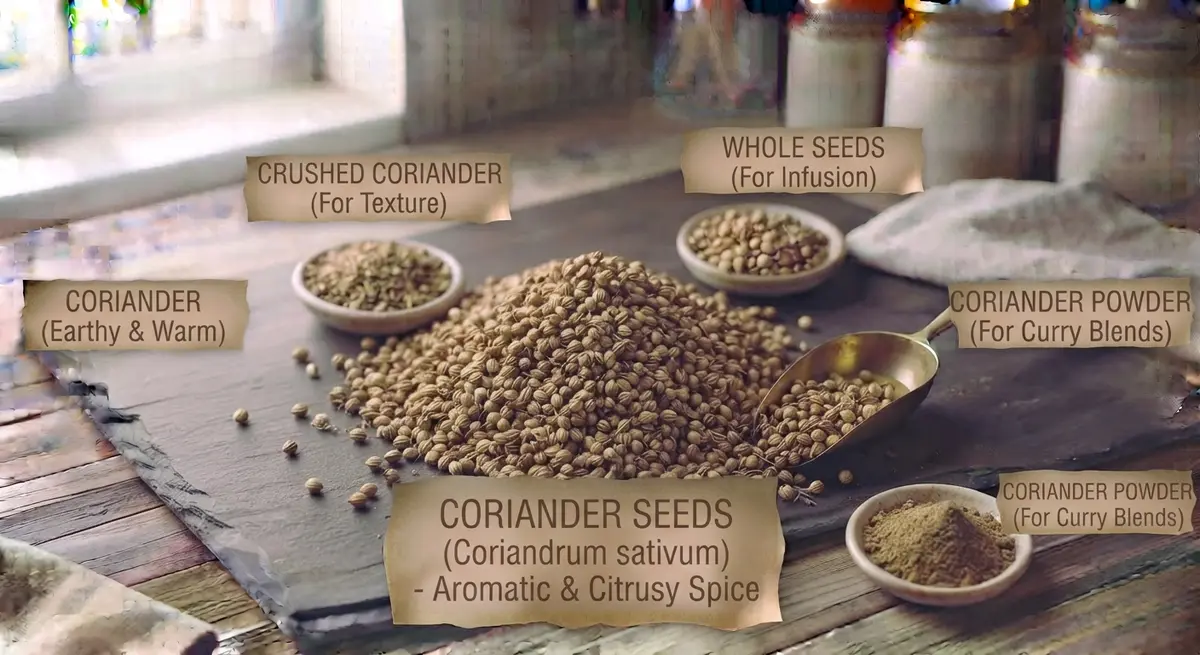
Coriander Seeds: Flavor Profile, Health Benefits & Culinary Uses
Coriander is the seed of the cilantro plant, and it confuses everyone by tasting nothing like cilantro. Warm, citrusy, and brighter than you expect, here is the how-to.
About the Authors
This recipe and guide was developed, tested, and approved in our home kitchen and daily life. Jamy is a retired Food Service District Manager and Early Childhood Program Manager who spent his career overseeing multi-site restaurant operations, large-scale culinary production, and daycare menu management. Kaïna brings the ultimate real-world test: making sure it brings ease and joy to our kids on a busy weeknight.
Read more about our professional background and philosophy →