Coriander Seeds: Flavor Profile, Health Benefits & Culinary Uses
By the QuiteRecipes team (Jamy & Kaïna)
Coriander is the seed of the cilantro plant, and it confuses everyone by tasting nothing like cilantro. Warm, citrusy, and brighter than you expect, here is the how-to.
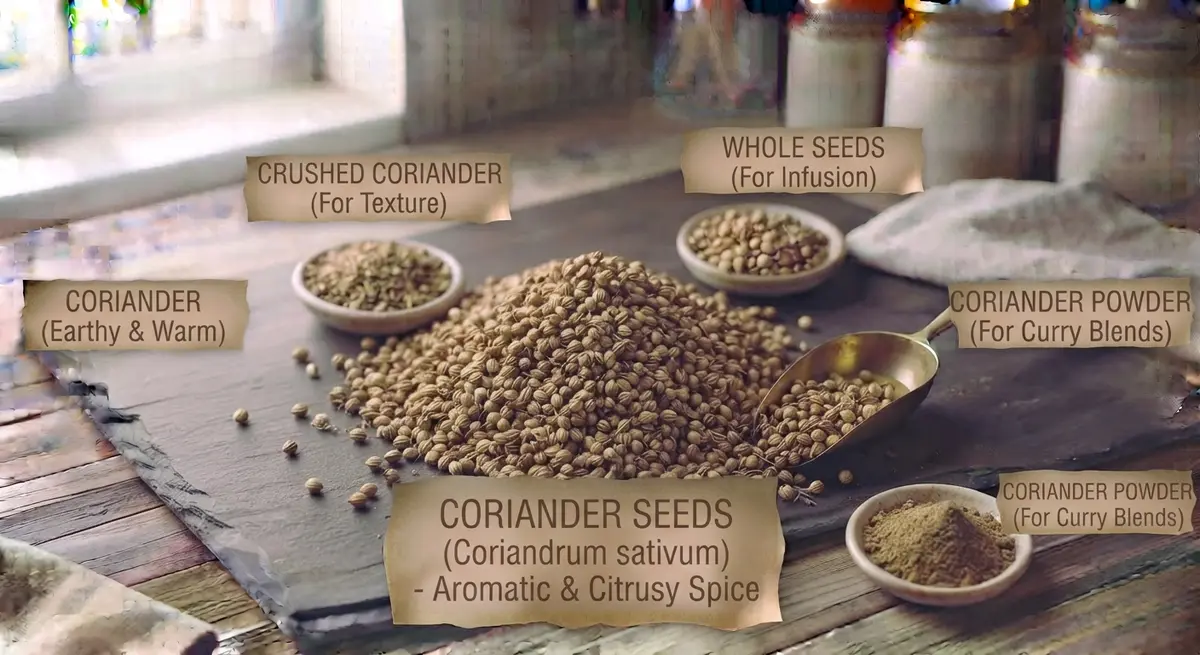
Coriander is the seed of the cilantro plant, Coriandrum sativum, which makes it the most confusing spice in the western pantry. People buy it expecting the green, soapy pop of fresh cilantro and taste instead a round, warm, citrusy something that acts nothing like the leaf it came from. That moment of confusion is the moment the spice world officially starts making sense.
Used properly, coriander is gentle, sunny, and almost friendly — the spice that makes curries soft-spoken and roast vegetables sing. Indian, Middle Eastern, and Latin kitchens have leaned on it for centuries, and its sweetness makes it one of the easiest spices to actually learn.
Flavor Profile & Notes
Coriander seeds are round, ridged, pale-brown orbs with a sweet, floral, orange-blossom aroma and a whisper of citrus peel. Raw, they taste faintly floral and even a little soapy to sensitive palates — toast them in a dry pan for a minute until fragrant and the warmth and sweetness bloom, revealing that gentle citrus. Ground coriander is delicate and fades fast, so buy whole seeds and grind as needed. Unlike its loud partner cumin, coriander brings lift rather than weight, which is exactly why the two are paired so relentlessly: cumin sinks, coriander rises.
Health Benefits & Nutrition
Coriander seeds carry respectable amounts of iron, manganese, and dietary fiber and a lineup of antioxidant compounds from the carrot-and-parsley family they belong to. Traditional practice across cuisines has used the seeds as a digestive aid, and modern study has shown modest, honest support for that reputation — coriander water is still a common after-dinner drink in parts of India. As ever, the kitchen advice is simple: use enough to enjoy it, and let the health benefits stay a bonus.
Best Culinary Pairings
Coriander is the quiet half of the classic cumin-and-coriander duo that seasons roasted carrots, cauliflower, and winter squash — one spoon of each, salt, olive oil, and the oven does the rest. It is essential in curry powders and garam masala, in pickling brine, and in sausages, and a tease of ground coriander in bloody marys and dry martini salts is a bartender's secret. Rub it on chicken or fish, stir it into rice pilaf, and scatter seeds on bread dough for a warm, aromatic crust.
Quick Substitutes
Cumin is the closest neighbor but heavier and muskier — use about half and add a pinch of sugar or lemon zest to bring back coriander's lift. Caraway is related but brings a rye-licorice note. For pickles and dry rubs, fennel seeds cover the sweet side of coriander surprisingly well. None match its clean citrus, but all will finish your dinner without drama.
FAQ / Quick Facts
- Why does it taste nothing like cilantro? The leaves and seeds develop different chemical profiles — only the name travels between them.
- Whole or ground? Whole, toasted, ground fresh; the pre-ground jar goes flat within a couple of months.
- Know your spice: Apiaceae family; whole seeds or ground; the bright companion to cumin in curries, rubs, and vegetables.
Related Articles
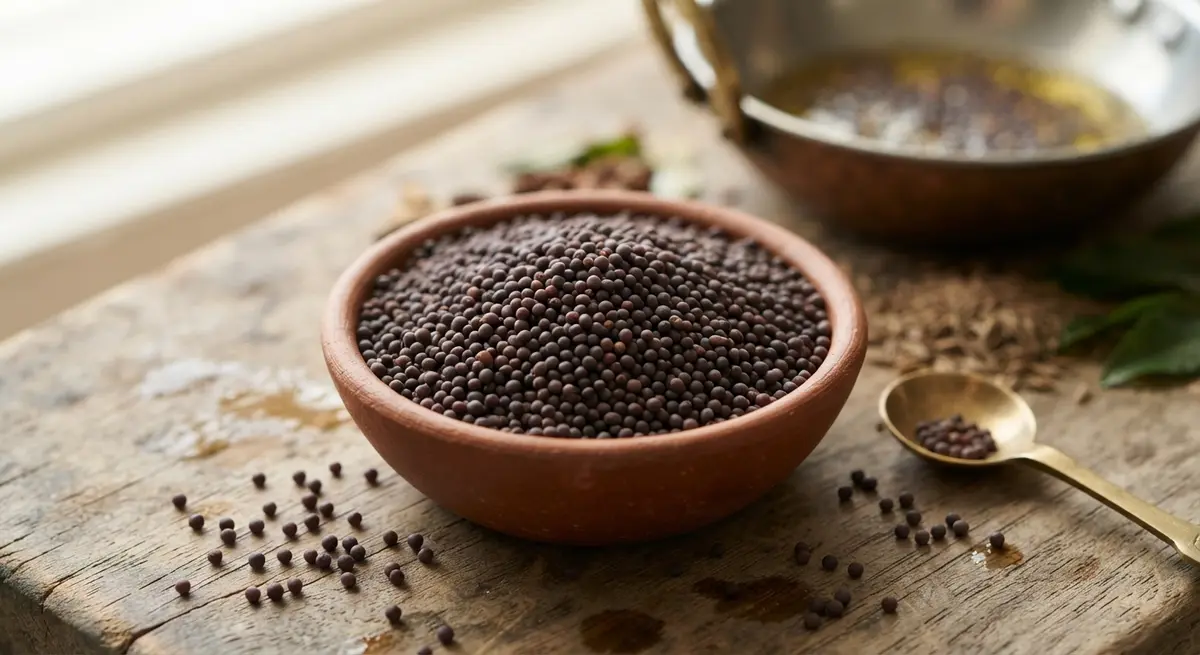
Black Mustard Seeds: Flavor Profile, Health Benefits & Culinary Uses
The tiny dark seeds that pop and sputter in hot oil are black mustard, the hottest of the family. Here is how to cook them the Indian way and where to swap.
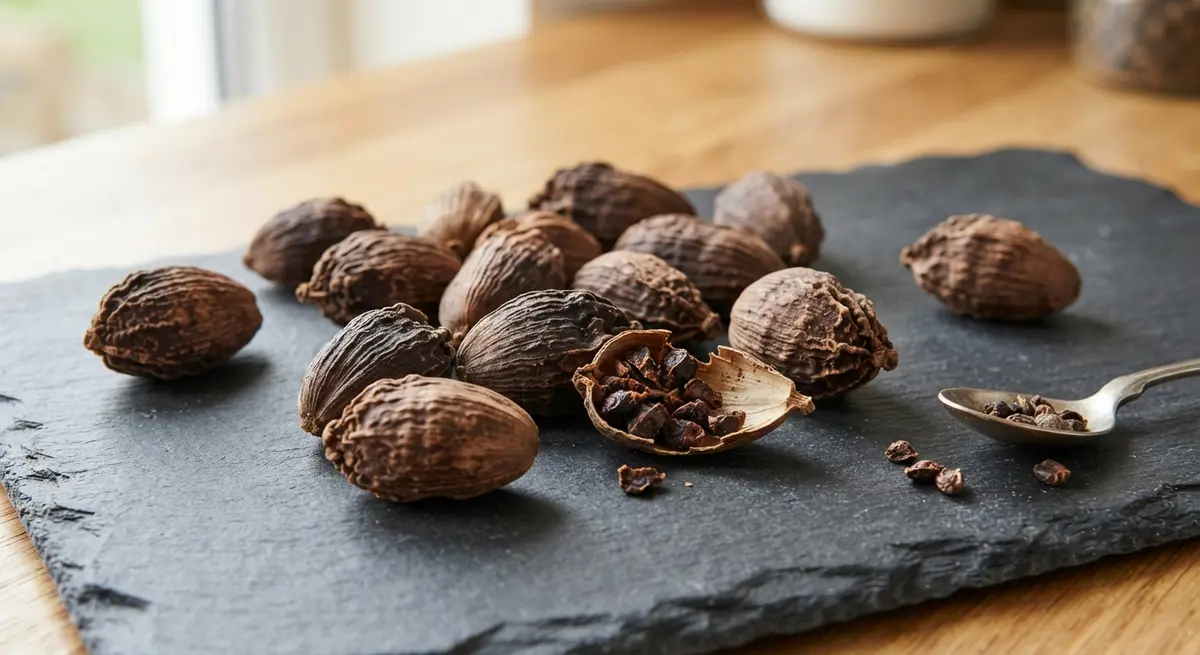
Brown & Black Cardamom: Flavor Profile, Health Benefits & Culinary Uses
The big wrinkled black pods sit next to green cardamom but come from a different species and taste like campfire. Here is where smoky black cardamom belongs.
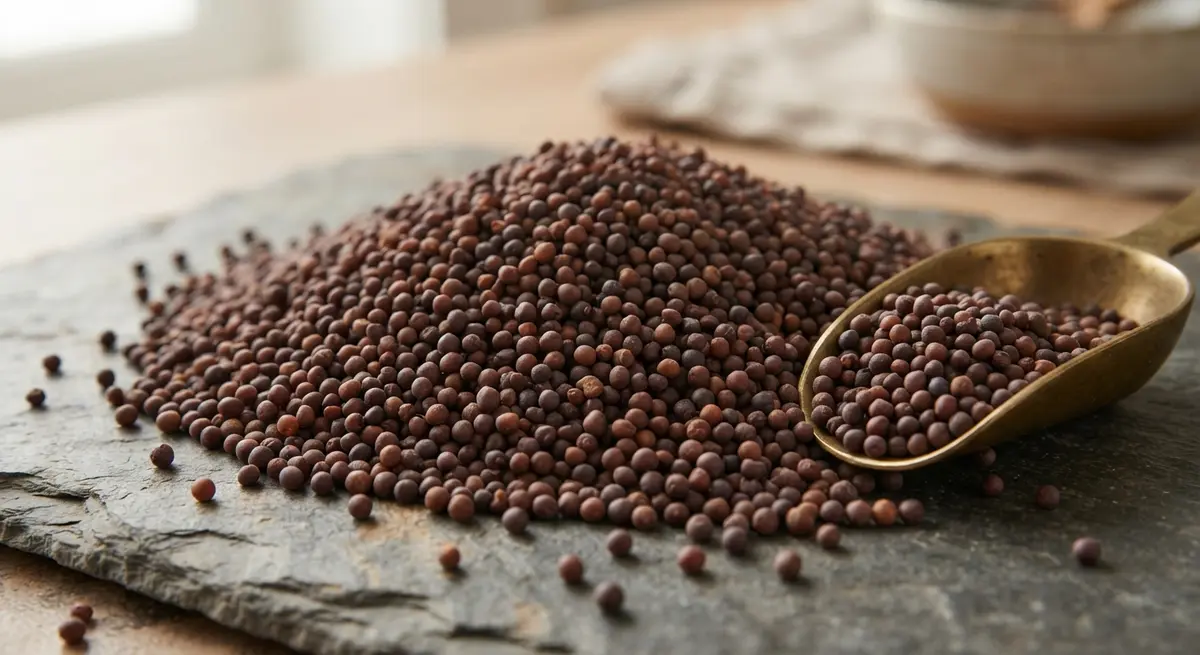
Brown Mustard Seeds: Flavor Profile, Health Benefits & Culinary Uses
Most jars labeled 'black mustard' actually hold brown seeds from Brassica juncea. Here is how their medium-hot pungency makes Dijon and stars in Indian cooking.
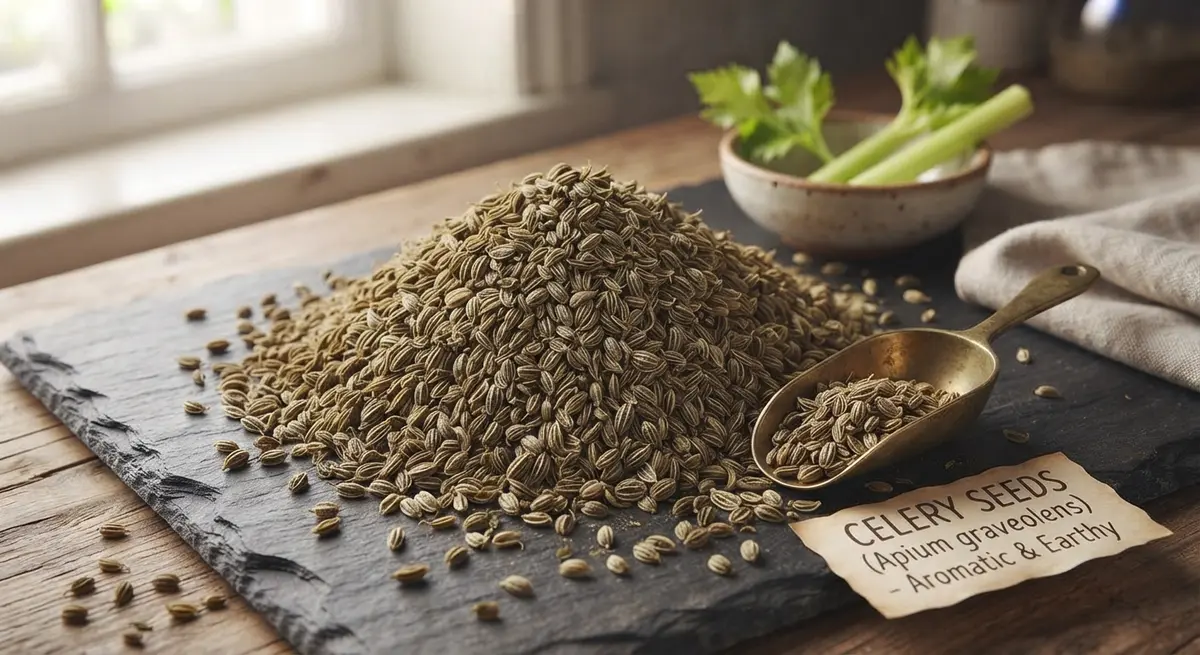
Celery Seeds: Flavor Profile, Health Benefits & Culinary Uses
The tiny brown seed tastes like celery concentrate plus much more. Learn when to toast it, how much to use, and where it does its best work.
About the Authors
This recipe and guide was developed, tested, and approved in our home kitchen and daily life. Jamy is a retired Food Service District Manager and Early Childhood Program Manager who spent his career overseeing multi-site restaurant operations, large-scale culinary production, and daycare menu management. Kaïna brings the ultimate real-world test: making sure it brings ease and joy to our kids on a busy weeknight.
Read more about our professional background and philosophy →