Celery Seeds: Flavor Profile, Health Benefits & Culinary Uses
By the QuiteRecipes team (Jamy & Kaïna)
The tiny brown seed tastes like celery concentrate plus much more. Learn when to toast it, how much to use, and where it does its best work.
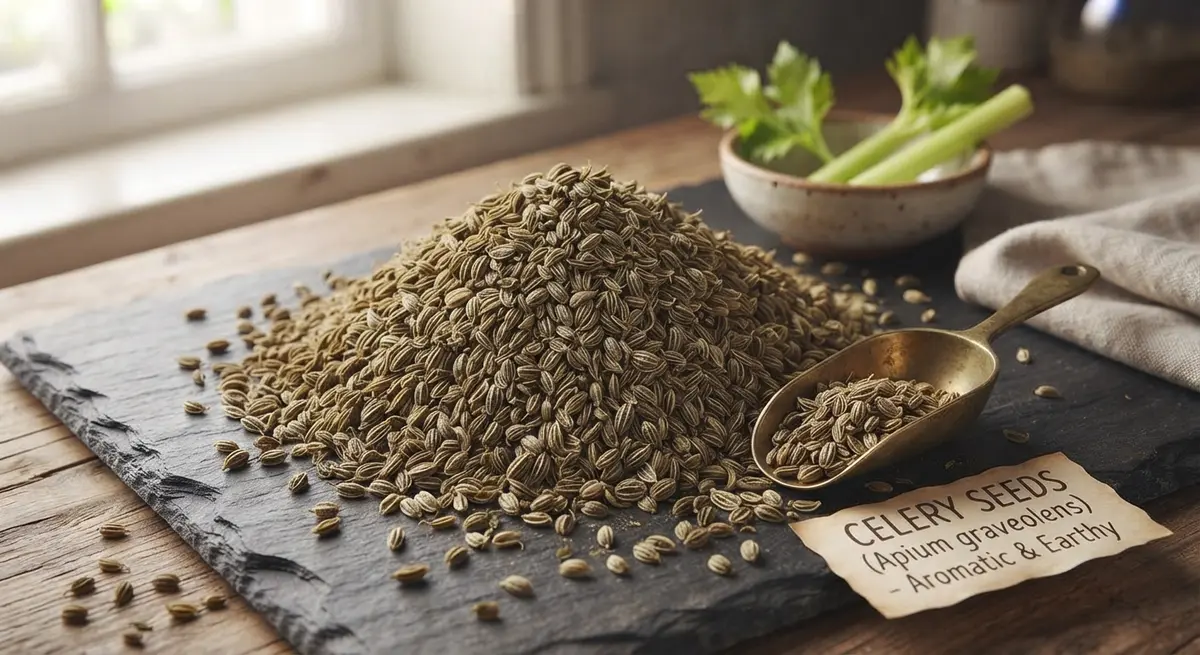
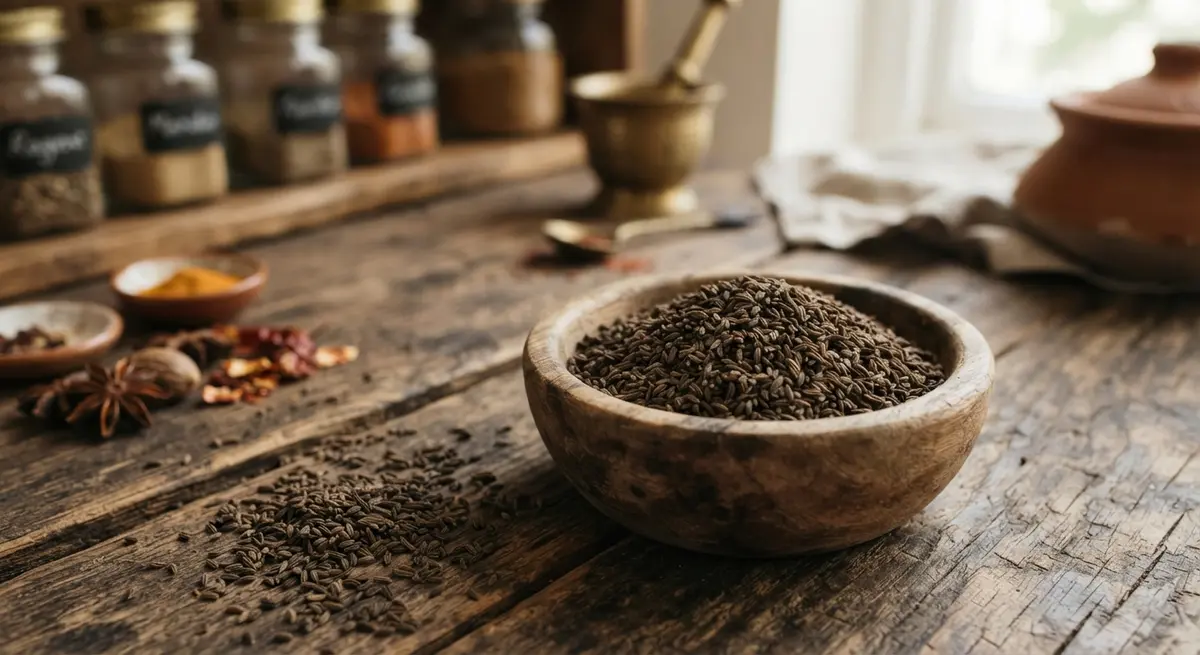
Celery seed is the quiet workhorse of the spice drawer, and almost nobody credits it. It is the tiny brown seed of a specific celery variety grown for its seeds (Apium graveolens), not the stalks you dice into soup. Ground into soups, rubbed into barbecue, or sprinkled onto a Bloody Mary rim, it delivers concentrated celery flavor plus a bitter, gently pungent kick that reads far more interesting than the vegetable it came from.
For a dried spice it is remarkably aromatic — warm, nutty, and herbal, with a faint bitterness underneath.
Flavor Profile & Notes
Celery seed tastes like celery concentrate, but with more going on: warm, savory, faintly bitter, and a little peppery. It carries a lovage-like, almost curry-leaning depth that raw celery never touches, thanks to compounds it shares with parsley and carrots. Toast the seeds briefly in a dry pan and they turn nutty and sweet before turning bitter. Beware of high heat — scorched celery seed turns acrid fast, so add it mid-cook rather than to a screaming-hot pan.
Health Benefits & Nutrition
Celery seed is a surprising little nutritional package: a teaspoon delivers measurable amounts of vitamins A, C, and K, plus calcium and manganese. Traditional use has centered on joints, blood pressure, and digestion, and research on compounds like apigenin is interesting but preliminary. Realistically, you use celery seed in pinches, so enjoy the flavor and the small health upside without expecting miracles. As always, talk to your doctor before leaning on any herb for a health condition.
Best Culinary Pairings
Celery seed is the backbone of Chicago-style hot dog relish, the secret in many barbecue rubs, and the defining note of good Bloody Mary seasoning. It does remarkable things to potato salad, egg salad, and coleslaw, where it deepens creaminess instead of fighting it. Simmer a pinch into chicken soup, braised cabbage, stews, and tomato sauce. For an easy win, grind half a teaspoon into your next batch of deviled eggs or tuna salad and taste the difference.
Quick Substitutes
Celery salt is the most common stand-in — just adjust the salt down. Fennel seed brings similar aromatic warmth with a licorice note; caraway is spicier and more anise-like. If you have fresh celery leaves, dry them and grind for a milder, related flavor. Celery flakes (dried stalks) work for texture and a softer note in soups. When a recipe calls for whole seed and all you own is ground, use half as much — ground carries more punch per spoonful.
FAQ / Quick Facts
- Is it the same as the stalks? No — these are seeds of a special seed-producing variety, with a far more concentrated, aromatic flavor.
- How long does it keep? Whole seeds stay potent for two to three years sealed; ground celery seed fades within a year, so grind as you go.
- What does it taste like? Warm, savory, faintly peppery celery concentrate with a touch of bitterness.
- Botanical family: Apiaceae / Form: whole or ground / Best uses: rubs, soups, potato salad, pickling brines, Bloody Marys.
Related Articles
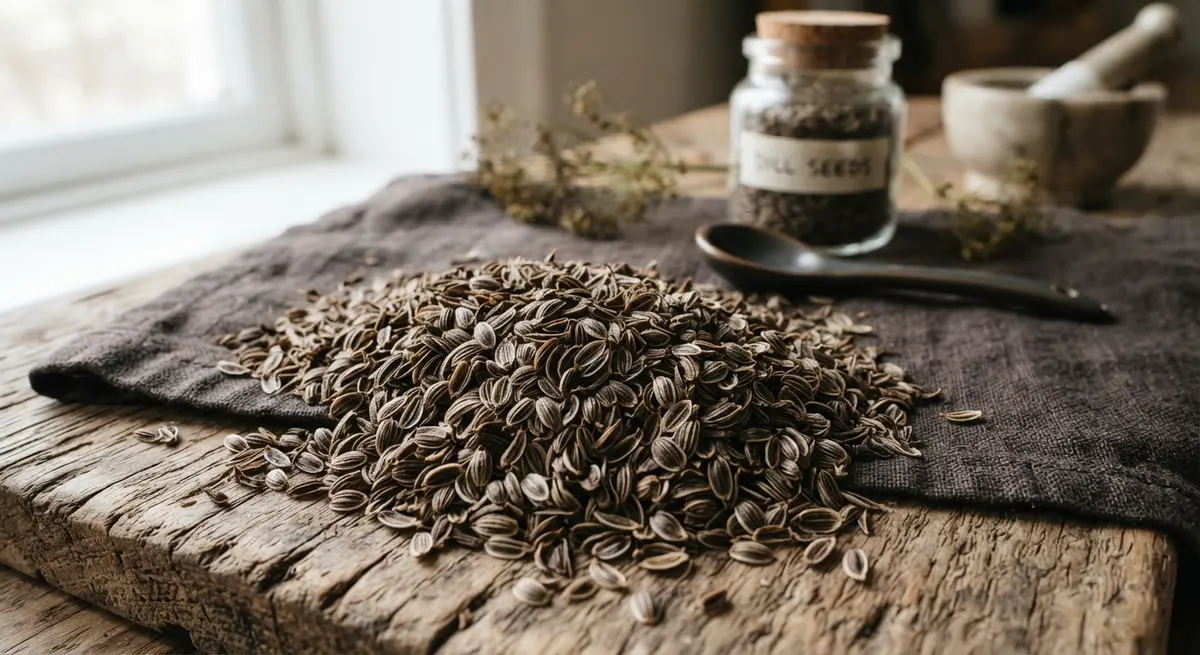
Dill Seeds: Flavor Profile, Health Benefits & Culinary Uses
The seed of the dill plant is warm and caraway-like, nothing like the fronds. When to toast it, what to simmer it in, and smart swaps.
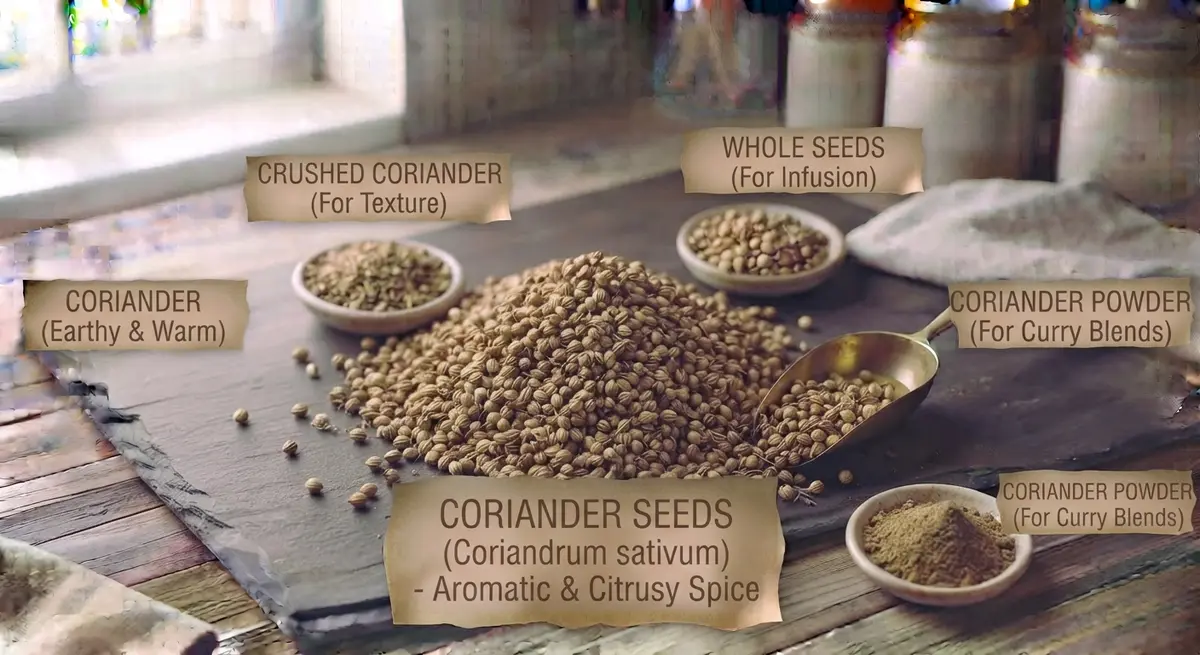
Coriander Seeds: Flavor Profile, Health Benefits & Culinary Uses
Coriander is the seed of the cilantro plant, and it confuses everyone by tasting nothing like cilantro. Warm, citrusy, and brighter than you expect, here is the how-to.
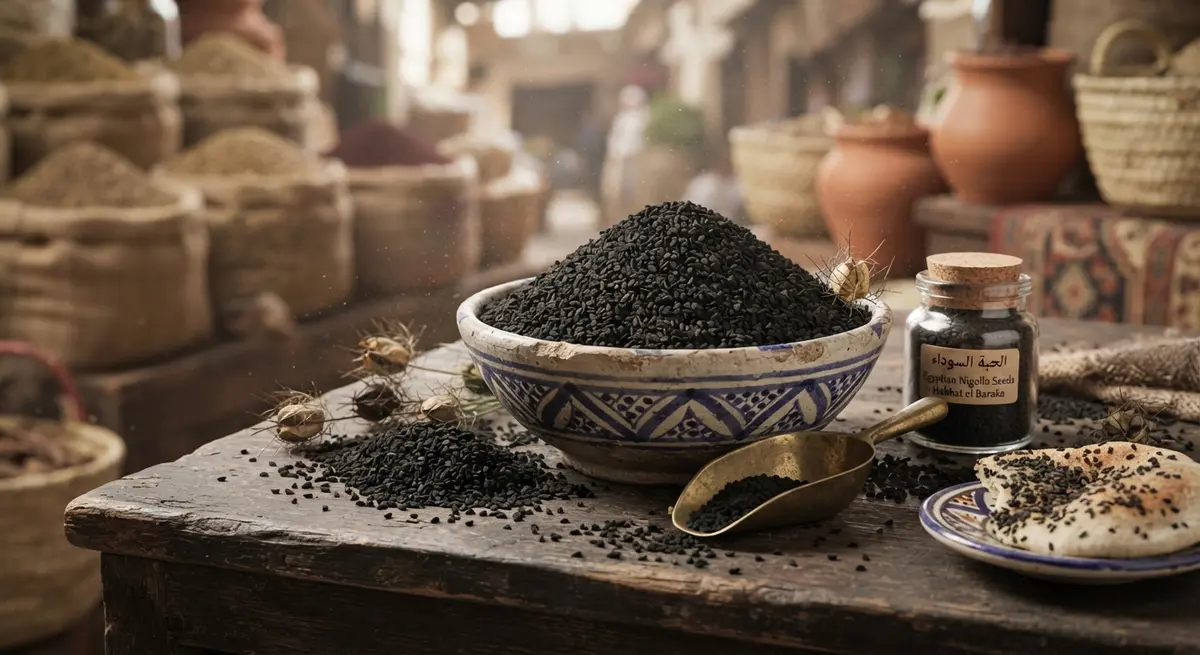
Egyptian Nigella Seeds: Flavor Profile, Health Benefits & Culinary Uses
Matte-black seeds that belong to a flower, not a cumin plant: nigella's onion-thyme warmth on bread, lamb, and roasted vegetables, with the myths sorted out.
Radhuni: Flavor Profile, Health Benefits & Culinary Uses
A tiny seed, half celery and half ajwain, that Bengalis treat as a kitchen secret. Radhuni is easier to meet in panch phoron than by its own name.
About the Authors
This recipe and guide was developed, tested, and approved in our home kitchen and daily life. Jamy is a retired Food Service District Manager and Early Childhood Program Manager who spent his career overseeing multi-site restaurant operations, large-scale culinary production, and daycare menu management. Kaïna brings the ultimate real-world test: making sure it brings ease and joy to our kids on a busy weeknight.
Read more about our professional background and philosophy →