Dill Seeds: Flavor Profile, Health Benefits & Culinary Uses
By the QuiteRecipes team (Jamy & Kaïna)
The seed of the dill plant is warm and caraway-like, nothing like the fronds. When to toast it, what to simmer it in, and smart swaps.
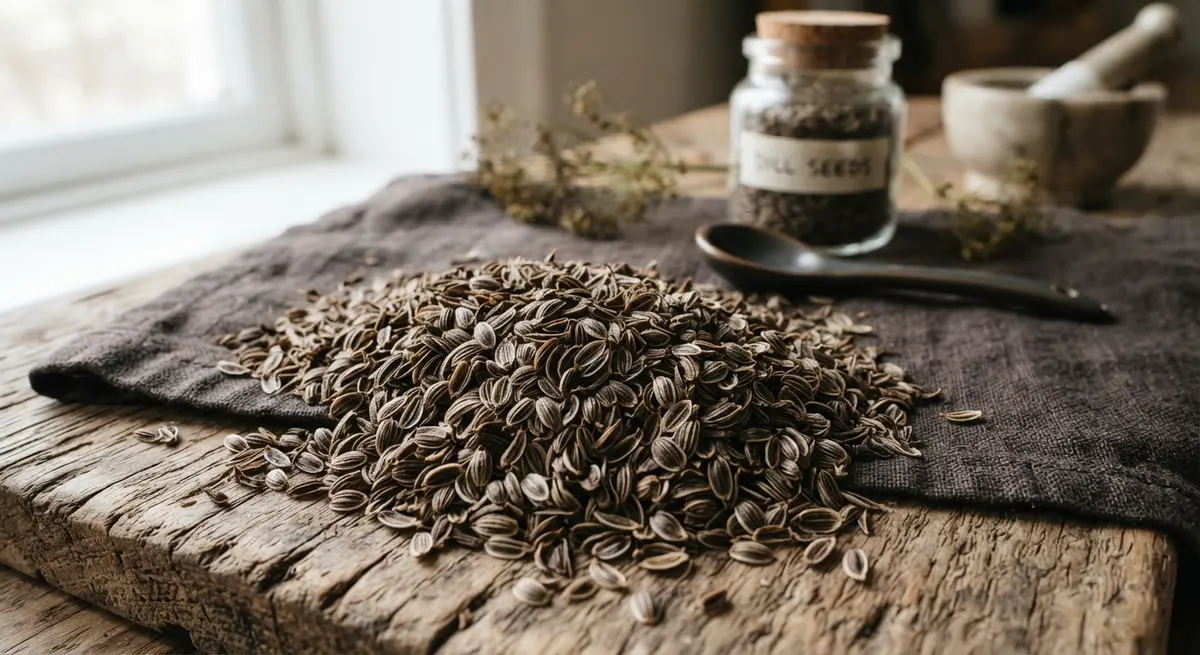
If you know dill only from pickles and potato salad, you are using half the plant. Dill seed (Anethum graveolens) is the mature fruit of the same herb, and it tastes nothing like the fronds: warm, caraway-like, and lightly bitter, with an anise-tinged sweetness that shows up best in long-cooked dishes. The feathery leaves are fleeting and fresh; the seeds are built for the pantry.
Add the leaf at the end for a green hit, or toast the seed early and let it perfume the whole pot — you can even grow for seeds by letting a few plants bolt to flower.
Flavor Profile & Notes
Dill seeds are warm, aromatic, and faintly citric, tasting to most people like caraway crossed with a whisper of anise. Toast them in a dry pan for thirty seconds and the sharpness rounds into something nutty and sweet; the heat releases oils that smell like baked bread. Ground dill seed turns sharp and slightly soapy faster than whole, so buy it whole and grind as you go. They taste quite different from the leaf, so do not expect pickle flavor — expect something closer to rye bread and warm spice.
Health Benefits & Nutrition
Like most seeds, dill seed punches above its weight in micronutrients: solid manganese, iron, calcium, and a bit of fiber per teaspoon, with nearly zero calories. Traditional use centers on digestion — the same volatile oils (carvone, limonene) behind the aroma are what settle a stomach after rich meals, which is why dill water for colicky babies has a long folk history. If you are pregnant or managing a condition, use familiar culinary amounts and ask your doctor before turning seeds into a daily tonic.
Best Culinary Pairings
Where does dill seed truly shine? Baked into rye and caraway breads, simmered into cabbage, sauerkraut, and root vegetables, and rubbed onto fish that will see a slow grill. It belongs in pickling brines, cucumber salads, and homemade mustards. It is a quiet star in potato soup, chicken soup, and borscht, pairing its anise-cedar warmth with sour and sweet. For a quick win, grind a little into softened butter and spread it over grilled corn or trout.
Quick Substitutes
Caraway is the closest and most honest swap — same family, warmer and slightly spicier. Fennel seed leans sweeter and more anise-forward, so use a bit less if sweetness is unwelcome. A mix of caraway and a pinch of fennel approximates dill seed better than either alone. For the fresh fronds, tarragon and fennel fronds cover some ground but miss the pickle character. Ground dill seed is available ready-made, though it loses life faster than whole.
FAQ / Quick Facts
- Why does my dill seed taste different from fresh dill? Because it is a different part of the plant — seeds are warm and caraway-like, leaves are bright and grassy.
- How long do they keep? Whole seeds hold their aroma for two to three years sealed; ground fades within a year.
- What does it taste like? Warm, sweet, faintly anise and citrus — closer to caraway than to pickles.
- Botanical family: Apiaceae / Form: whole seed, ground, or fresh fronds / Best uses: rye bread, cabbage, fish, pickles, potato soups.
Related Articles
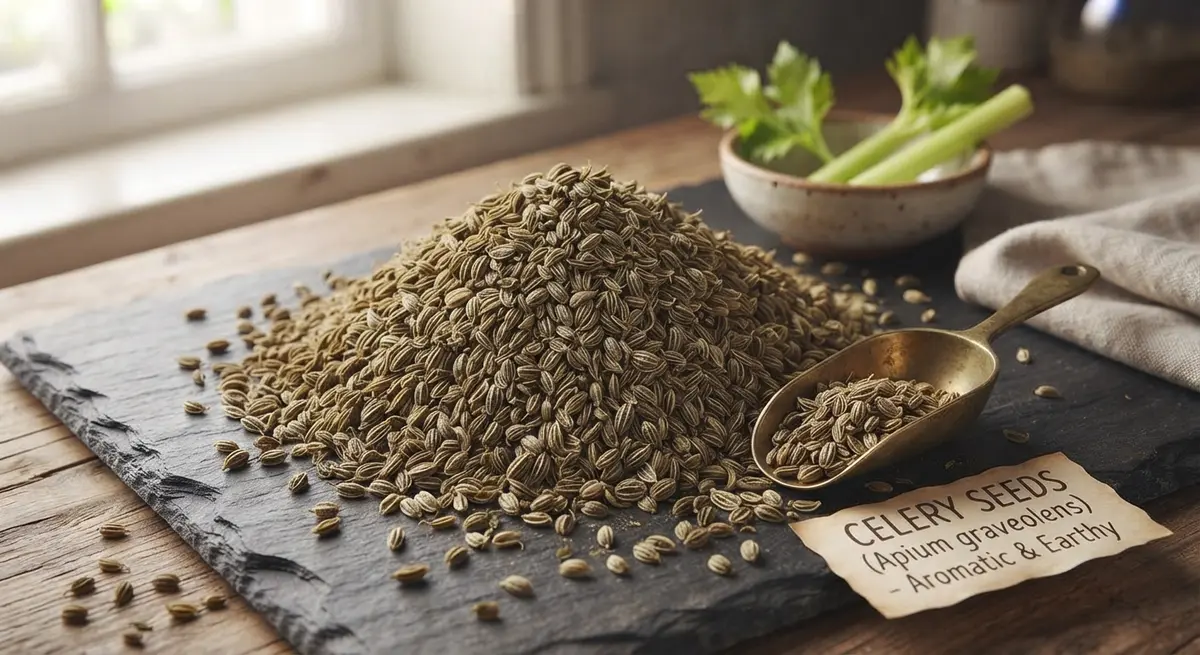
Celery Seeds: Flavor Profile, Health Benefits & Culinary Uses
The tiny brown seed tastes like celery concentrate plus much more. Learn when to toast it, how much to use, and where it does its best work.
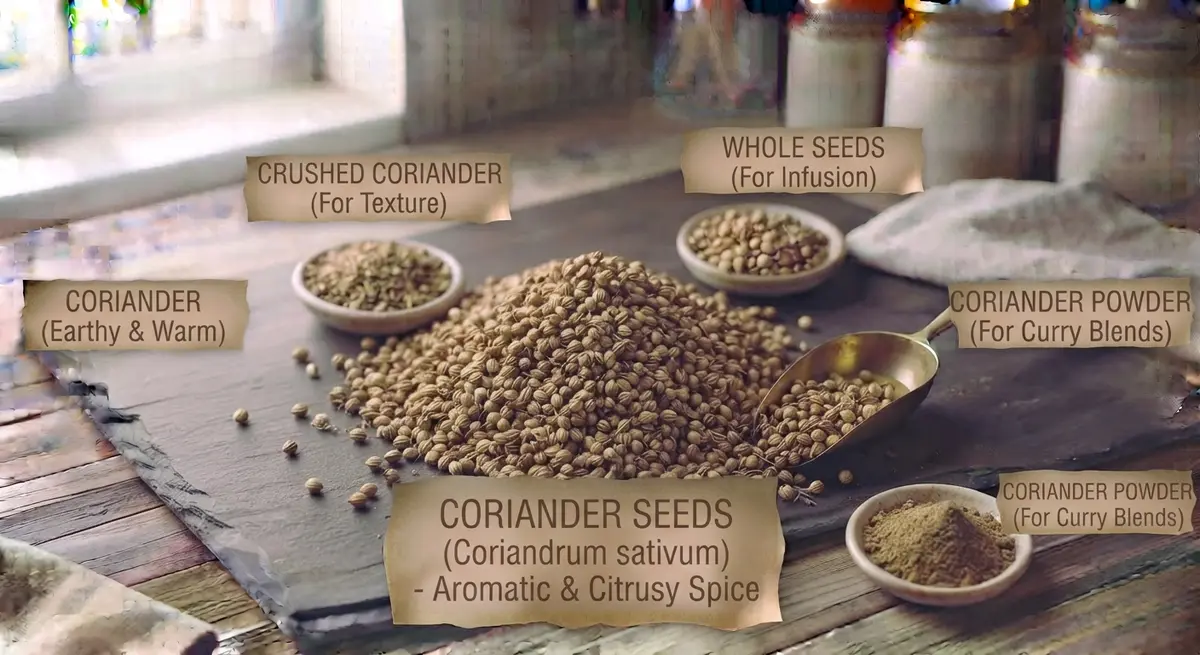
Coriander Seeds: Flavor Profile, Health Benefits & Culinary Uses
Coriander is the seed of the cilantro plant, and it confuses everyone by tasting nothing like cilantro. Warm, citrusy, and brighter than you expect, here is the how-to.
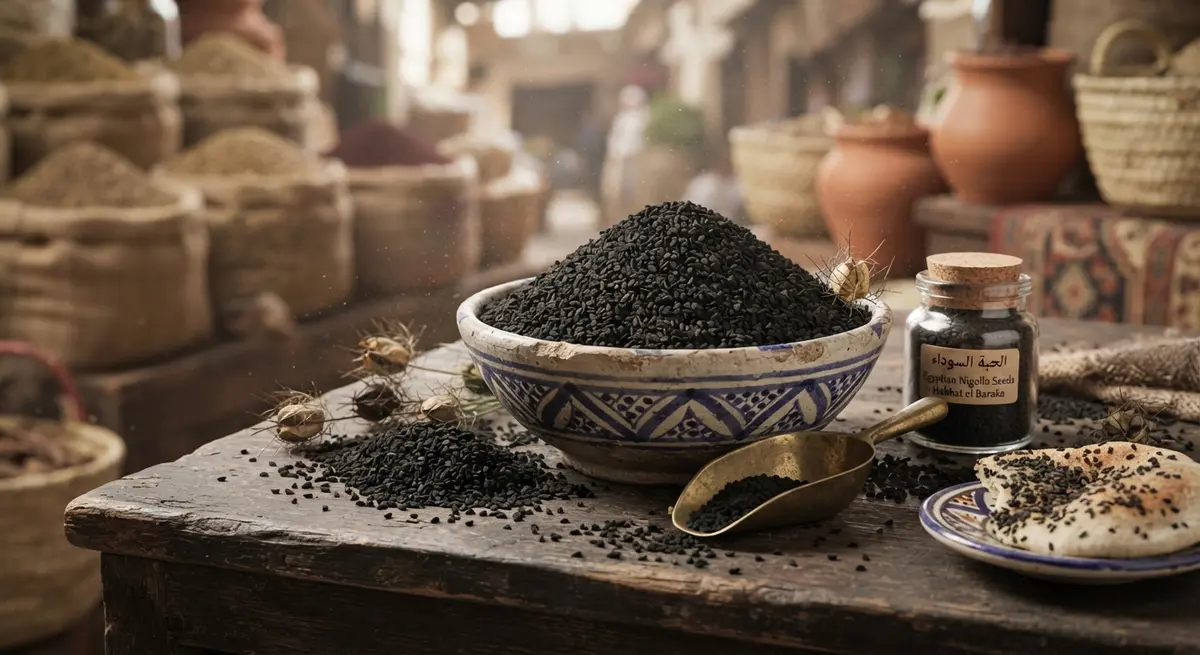
Egyptian Nigella Seeds: Flavor Profile, Health Benefits & Culinary Uses
Matte-black seeds that belong to a flower, not a cumin plant: nigella's onion-thyme warmth on bread, lamb, and roasted vegetables, with the myths sorted out.
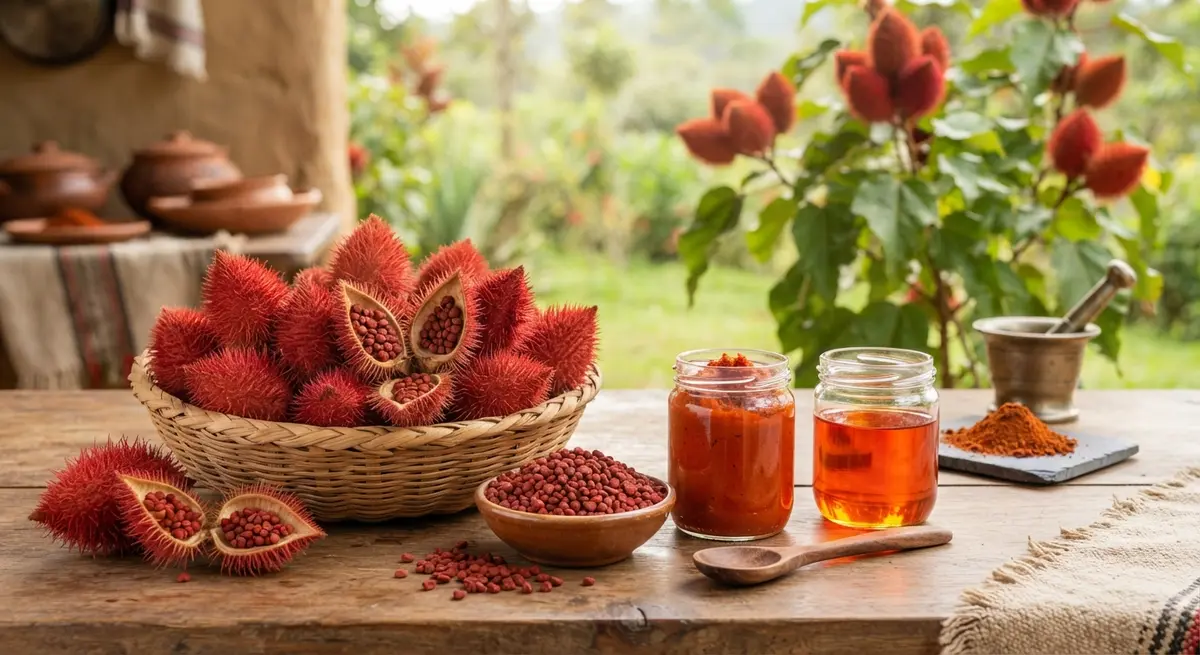
Achiote (Annatto): Flavor Profile, Health Benefits & Culinary Uses
Tiny coral-red seeds that paint food golden: the annatto tree's achiote, how to use the seeds and the Yucatan paste, and honest color substitutes.
About the Authors
This recipe and guide was developed, tested, and approved in our home kitchen and daily life. Jamy is a retired Food Service District Manager and Early Childhood Program Manager who spent his career overseeing multi-site restaurant operations, large-scale culinary production, and daycare menu management. Kaïna brings the ultimate real-world test: making sure it brings ease and joy to our kids on a busy weeknight.
Read more about our professional background and philosophy →