Egyptian Nigella Seeds: Flavor Profile, Health Benefits & Culinary Uses
By the QuiteRecipes team (Jamy & Kaïna)
Matte-black seeds that belong to a flower, not a cumin plant: nigella's onion-thyme warmth on bread, lamb, and roasted vegetables, with the myths sorted out.
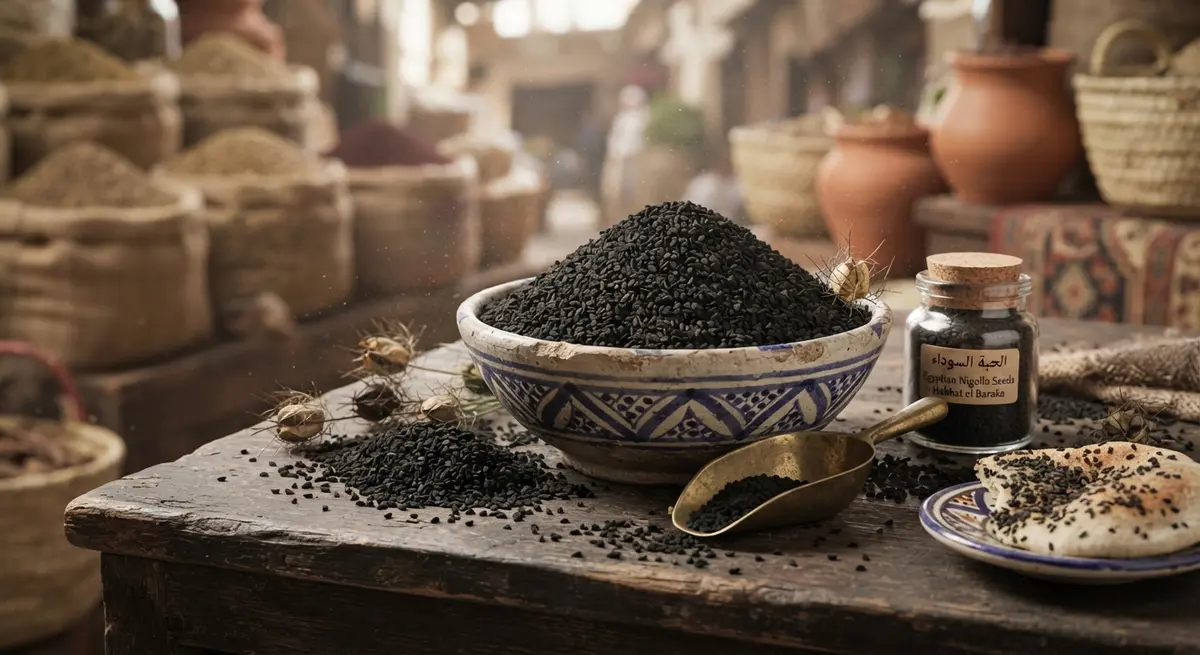
Nigella seeds are the tiny, matte-black teardrops scattered over Egyptian flatbreads and Turkish simit, and they start every conversation with a confusion I love to fix. They are not cumin. Despite the nickname "black cumin," Nigella sativa is no more related to cumin than it is to a sesame seed — the seeds come from a flower, love-in-a-mist, a member of the buttercup family.
Egypt claimed them for breakfast long before the rest of the world cared, sprinkled over breads and pastries. That pairing is so central that nigella seeds have stayed one of the great quiet joys of the Middle Eastern spice shelf.
Flavor Profile & Notes
Crushed raw, nigella seeds smell faintly of onion; toasted, the flavor deepens into something savory, warm, and complex, with a thyme-like herbal note and a hint of roasted nut. There is nothing hot about them — no sting, just aroma and crunch. A pinch turns dull white rice into rice people ask about, and scattered over a loaf before it goes in the oven, they bake into a crackle of flavor. Toasting them briefly in a dry pan unlocks the depth; from there they behave beautifully in both bread and vegetable dishes.
Health Benefits & Nutrition
The compound that gets the science excited is thymoquinone, found in the seeds and studied in laboratories for antioxidant and anti-inflammatory activity. The honest summary: this is real, preliminary, promising research, and the human evidence is still catching up. As food, nigella seeds add a subtle savory depth alongside fiber and modest minerals, and their traditional resume includes tonics for digestion. Eat them on bread with good olive oil and a clear conscience; think of it as interesting food, not a treatment.
Best Culinary Pairings
Egyptian aish baladi and Turkish simit — the sesame-and-nigella ring breads — are the classics, and they translate beautifully to naan, focaccia, and sourdough. Beyond bread, rub nigella into lamb or salmon before roasting, scatter it over hummus, roasted beets, brussels sprouts, or cauliflower, and stir it through yogurt and salads. It is a regular guest in Middle Eastern pastries and a quiet star in pickles, where its crunch survives the brine.
Quick Substitutes
Toasted sesame seeds give crunch but none of the flavor; a blend of toasted sesame, dried thyme, and a pinch of onion powder approximates nigella decently. If your label says "kalonji," stop searching — that is the same seed under its Indian name. And whatever you do, do not lean on cumin as a substitute: it will take the dish in a whole different, much louder direction.
FAQ / Quick Facts
- Is nigella the same as black cumin? The nickname is common but botanically wrong — nigella (Nigella sativa) comes from a buttercup-family flower, not a cumin plant.
- What does it taste like? Savory and gentle: onion and thyme over a toasted nut note, with no heat.
- Form / uses: Whole seeds, best toasted briefly; gorgeous on breads, rice, roasted vegetables, yogurt, and pickles.
Related Articles
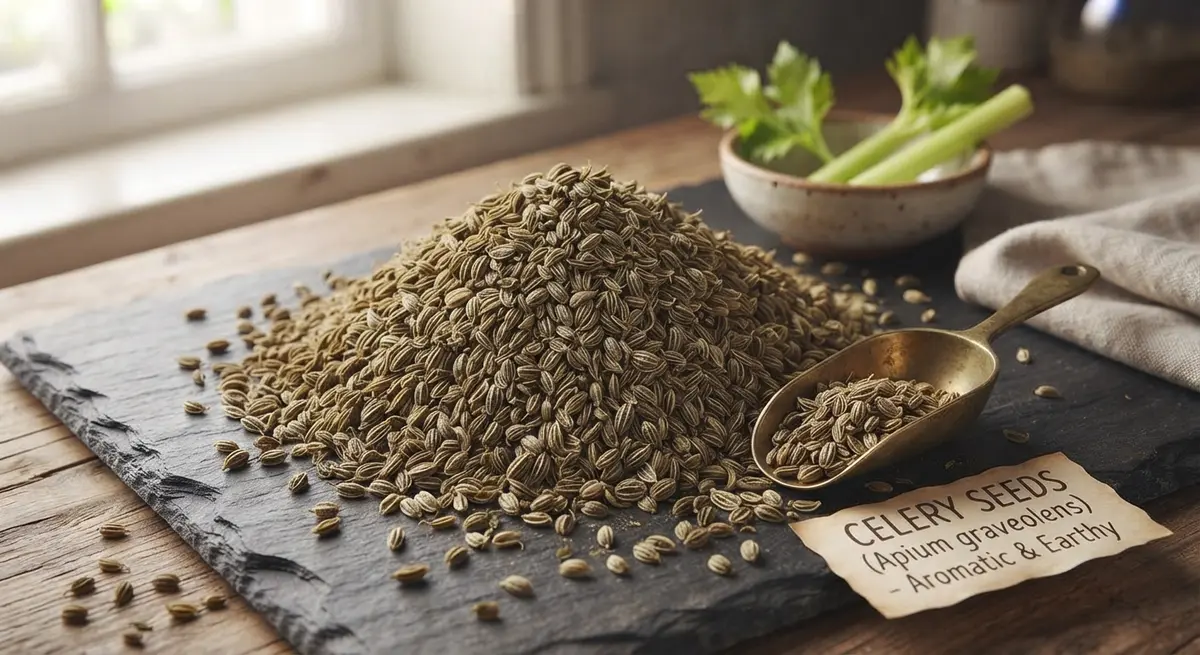
Celery Seeds: Flavor Profile, Health Benefits & Culinary Uses
The tiny brown seed tastes like celery concentrate plus much more. Learn when to toast it, how much to use, and where it does its best work.
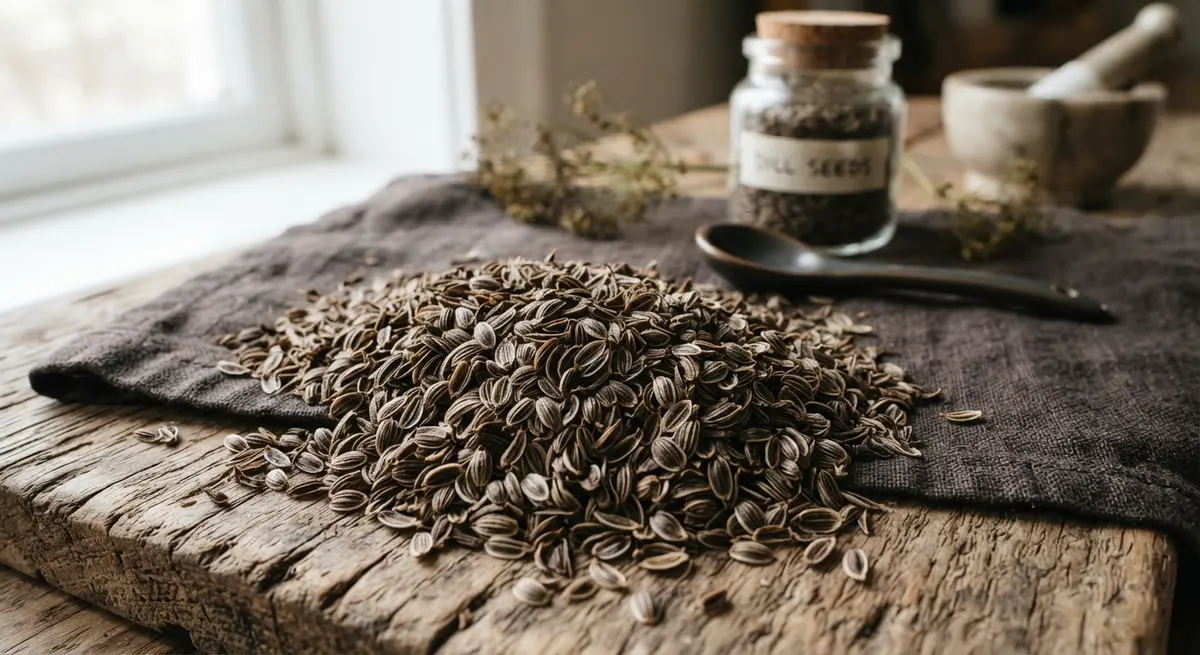
Dill Seeds: Flavor Profile, Health Benefits & Culinary Uses
The seed of the dill plant is warm and caraway-like, nothing like the fronds. When to toast it, what to simmer it in, and smart swaps.
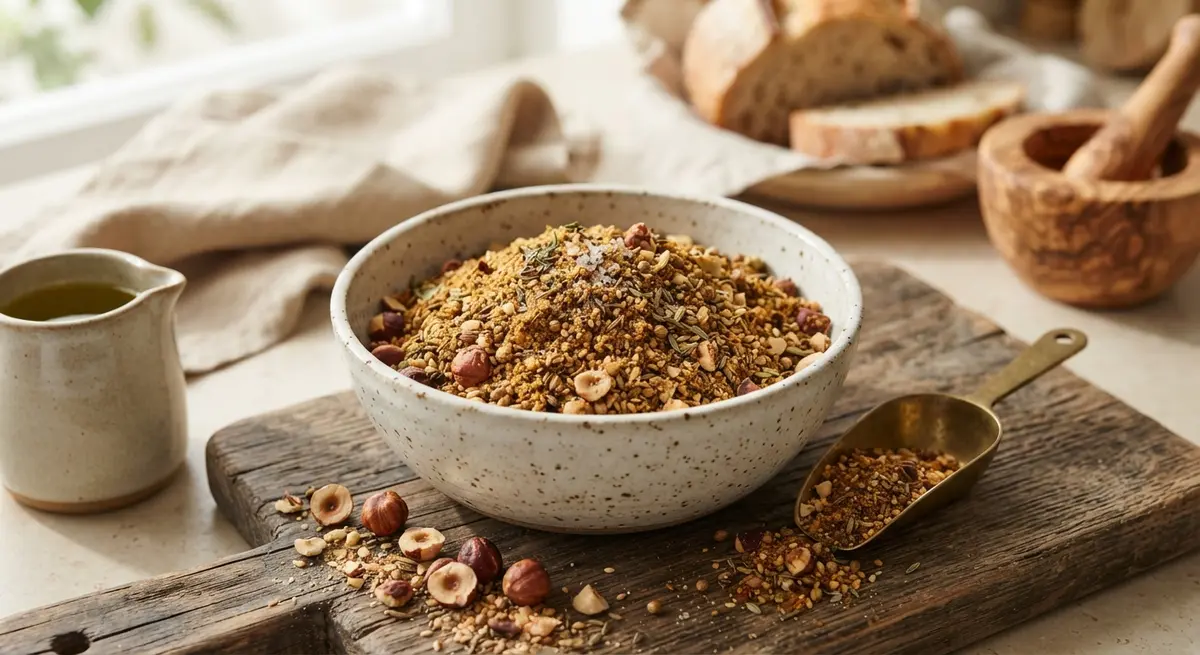
Dukkah: Flavor Profile, Health Benefits & Culinary Uses
An Egyptian dip that conquered snack bowls worldwide: toasted nuts, sesame, coriander, and cumin, crushed into the crumbly garnish made for olive oil and bread.
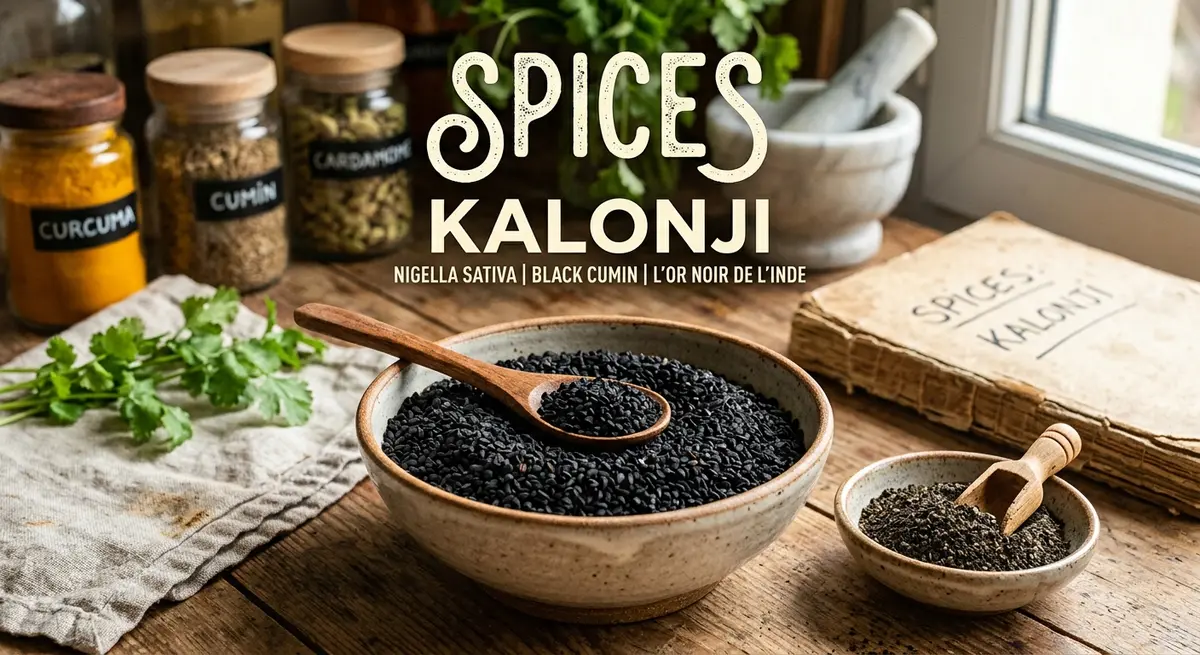
Kalonji: Flavor Profile, Health Benefits & Culinary Uses
The seed Indian shops sell as kalonji is nigella sativa, not true black cumin — and a plain look at both seeds settles the case forever. Here is the full story.
About the Authors
This recipe and guide was developed, tested, and approved in our home kitchen and daily life. Jamy is a retired Food Service District Manager and Early Childhood Program Manager who spent his career overseeing multi-site restaurant operations, large-scale culinary production, and daycare menu management. Kaïna brings the ultimate real-world test: making sure it brings ease and joy to our kids on a busy weeknight.
Read more about our professional background and philosophy →