Black Mustard Seeds: Flavor Profile, Health Benefits & Culinary Uses
By the QuiteRecipes team (Jamy & Kaïna)
The tiny dark seeds that pop and sputter in hot oil are black mustard, the hottest of the family. Here is how to cook them the Indian way and where to swap.
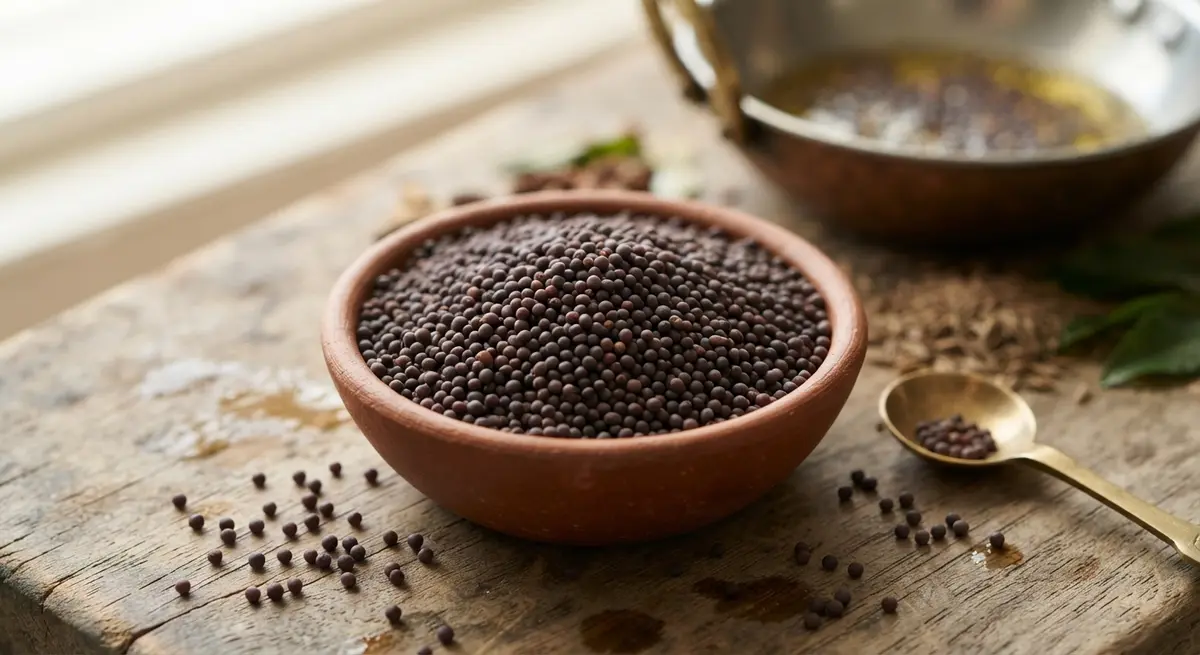
Black mustard seeds are the smallest and the fiercest of the mustard family — genuinely black, not brown, tiny enough to disappear into a spoonful, and packing the sharpest punch of the three. They come from Brassica nigra, a plant grown since ancient times across southern Europe, North Africa, and India, where they earn their keep in the country's kitchens. When an Indian recipe tells you to hold a spoon over the pot and wait for the seeds to start popping, it is these.
That pop-and-sputter moment — a spoonful of seeds tossed into hot oil — is called tempering, and it is the ritual that turns their raw bitterness into a warm, nutty crackle.
Flavor Profile & Notes
Eaten raw, black mustard seeds are bitter and then suddenly, sharply hot, with a horseradish-like burn that clears the sinuses. Fried in hot oil, the chemistry reshapes them: the seeds puff, gray-green, and release a deep, toasted, nutty warmth that loses the bitter edge and keeps a gentle tingle. The heat lives in the same locked-until-crushed mechanism as all mustard seeds, so the whole seed in tempering cooks for aroma while popping delivers both texture and flavor. They scorch easily, so the oil should be hot but not smoking.
Health Benefits & Nutrition
Like their relatives, black mustard seeds bring selenium, magnesium, and omega-3 fatty acids, along with the same glucosinolate compounds medical research keeps examining for their antioxidant behavior. In large, medicinal doses the volatile mustard oil has real irritant power, which is why the seeds are always cooked in food rather than chewed by the handful. Used the traditional way — a spoon in hot oil, never treated as a snack — they are safe, tasty, and good company in a healthy lentil dish.
Best Culinary Pairings
Black mustard seeds are sacred to Indian tempering — the tarka that gets poured over dal, vegetable curries, and mustard-oil fish. They pop into instant character in a hot-oil spoonful with curry leaves and cumin, then all of it is tipped into the pot. Add them to Bengali five-spice panch phoron, to pickles and chutneys, or scattered over roasted broccoli and potatoes before the oven. Cooking them takes seconds; their flavor lasts a whole meal.
Quick Substitutes
Brown mustard seeds are the closest and most common honest stand-in — nearly identical look and heat, so swap one for one. If only white seeds are around, use about half again as many and accept a milder pop. Cumin seeds popped in oil give the dish a warm nutty hit though not the mustard snap. For prepared-mustard recipes, black seeds work but make a more rustic condiment than Dijon — fine, just different.
FAQ / Quick Facts
- Where does the pop come from? Drying, then hitting hot oil — the little shells burst and go gray-green in seconds.
- What is the tempering trick? Heat oil, drop in a small spoonful, wait a few seconds until they sputter, then pour straight into the dish.
- Know your spice: Brassica family; tiny black whole seeds; the crackle at the start of Indian dal and regional pickles.
Related Articles
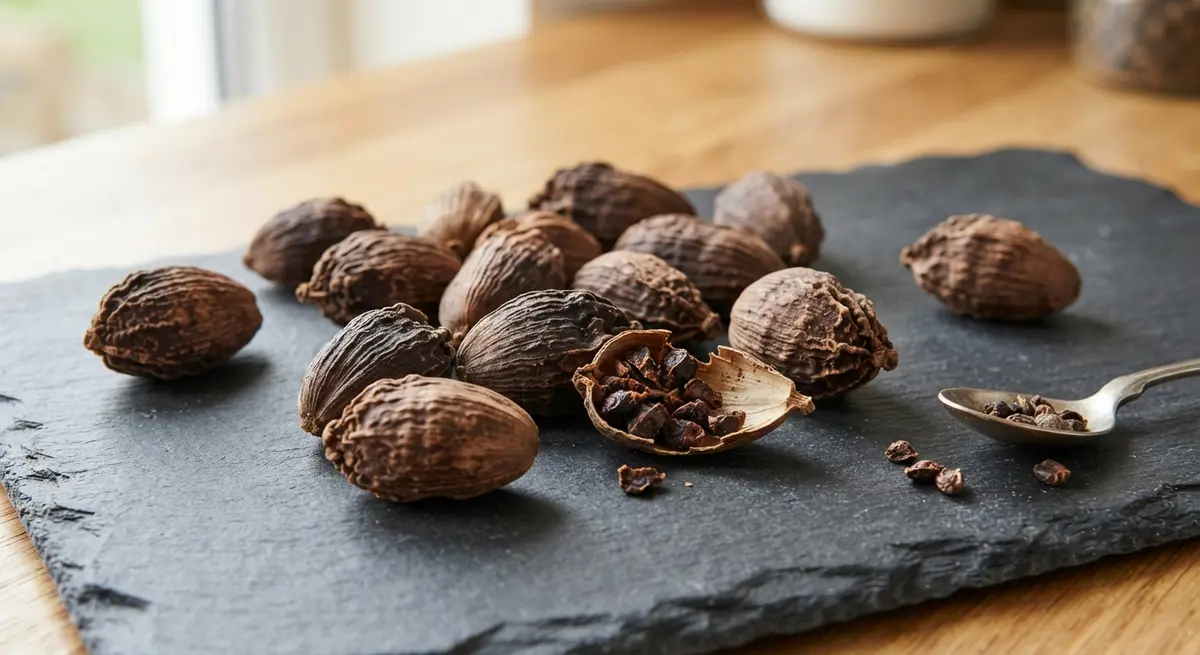
Brown & Black Cardamom: Flavor Profile, Health Benefits & Culinary Uses
The big wrinkled black pods sit next to green cardamom but come from a different species and taste like campfire. Here is where smoky black cardamom belongs.
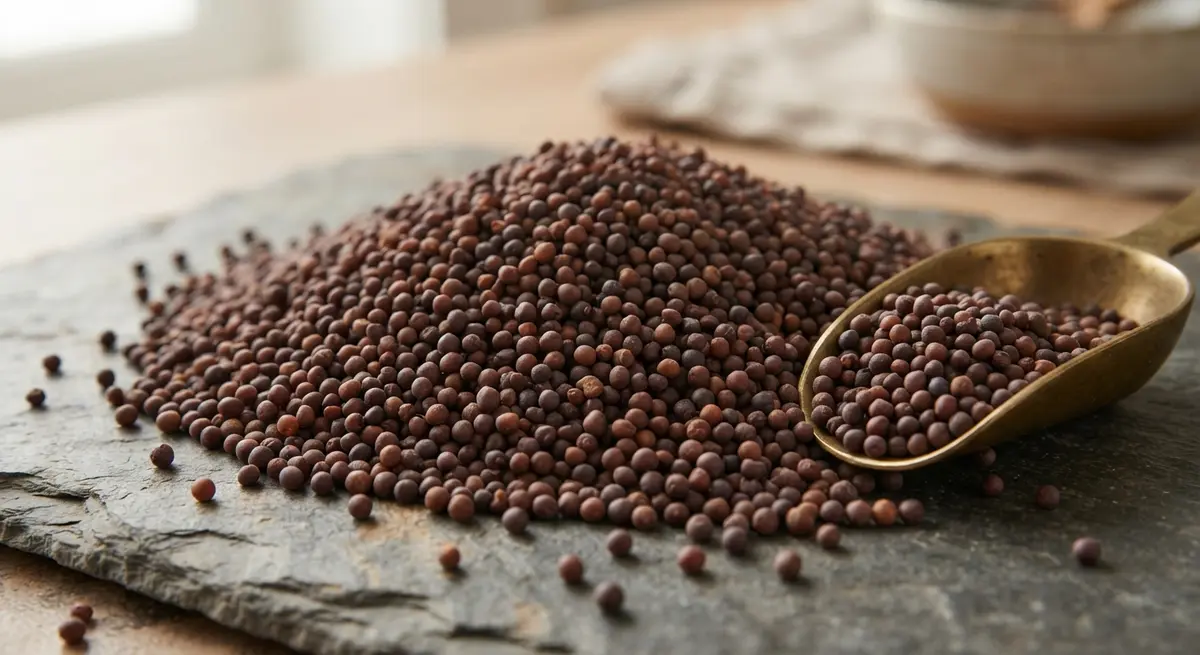
Brown Mustard Seeds: Flavor Profile, Health Benefits & Culinary Uses
Most jars labeled 'black mustard' actually hold brown seeds from Brassica juncea. Here is how their medium-hot pungency makes Dijon and stars in Indian cooking.
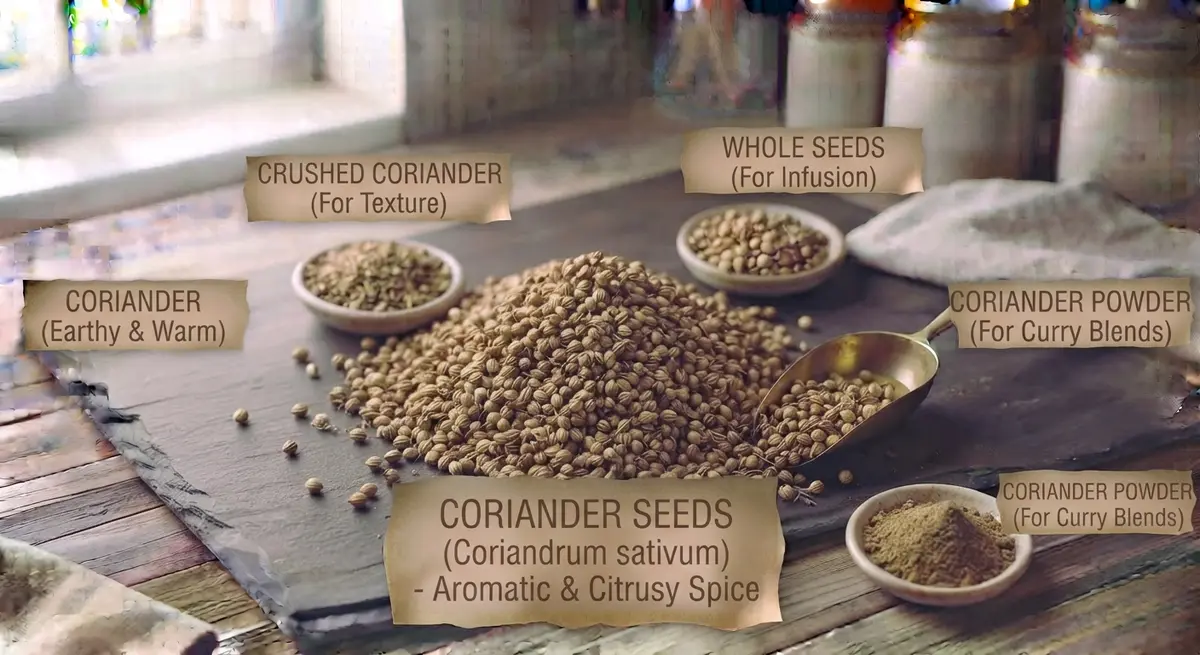
Coriander Seeds: Flavor Profile, Health Benefits & Culinary Uses
Coriander is the seed of the cilantro plant, and it confuses everyone by tasting nothing like cilantro. Warm, citrusy, and brighter than you expect, here is the how-to.
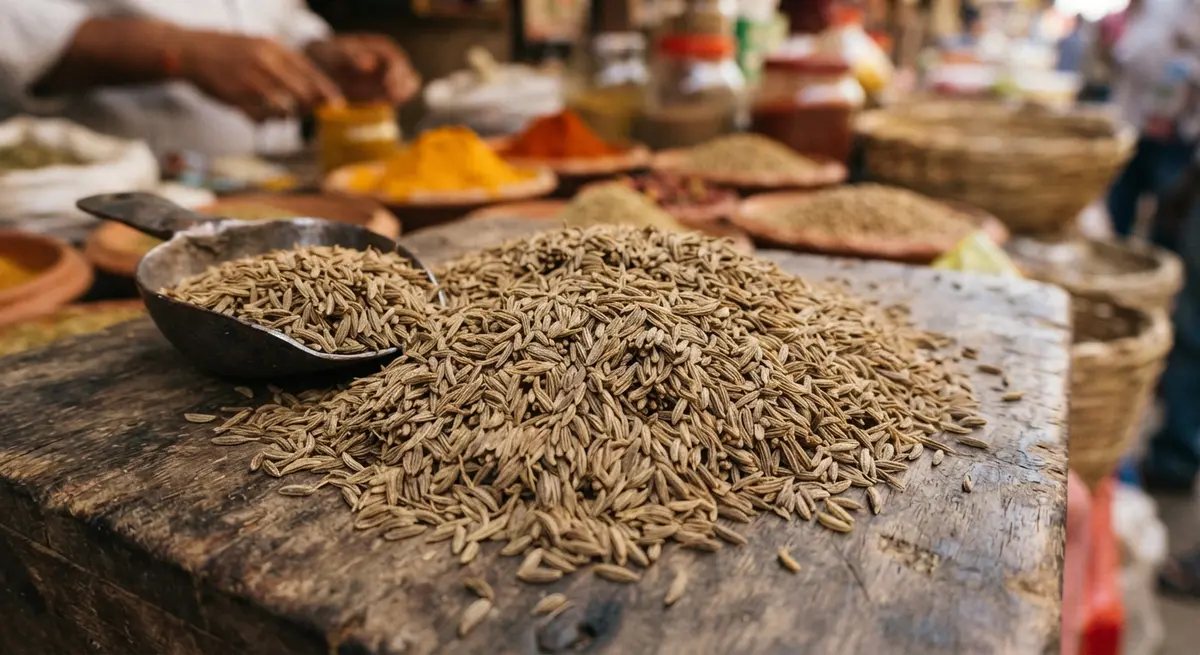
Cumin: Flavor Profile, Health Benefits & Culinary Uses
Cumin smells dusty raw and brilliant toasted. It is the backbone of tacos, curries, and chili, and one toasting habit will make you taste the difference.
About the Authors
This recipe and guide was developed, tested, and approved in our home kitchen and daily life. Jamy is a retired Food Service District Manager and Early Childhood Program Manager who spent his career overseeing multi-site restaurant operations, large-scale culinary production, and daycare menu management. Kaïna brings the ultimate real-world test: making sure it brings ease and joy to our kids on a busy weeknight.
Read more about our professional background and philosophy →