Cumin: Flavor Profile, Health Benefits & Culinary Uses
By the QuiteRecipes team (Jamy & Kaïna)
Cumin smells dusty raw and brilliant toasted. It is the backbone of tacos, curries, and chili, and one toasting habit will make you taste the difference.
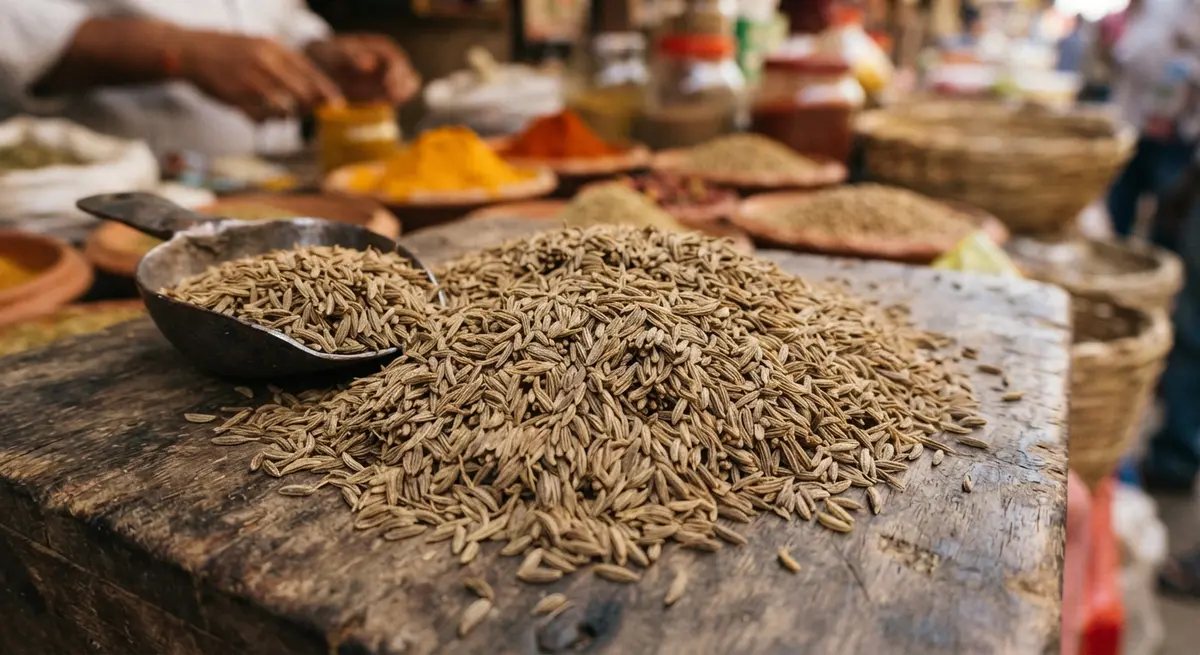
Cumin is the spice that shows up whenever the cooking needs to taste like somewhere. Native to the eastern Mediterranean and western Asia, these slender ridged seeds belong to the same aromatic family as parsley, dill, and carrot, and they have been seasoning food for over four thousand years. Today they are the quiet backbone of Mexican, Indian, Middle Eastern, and North African kitchens.
Most people buy it wrong without knowing it. Powdery pre-ground cumin that smells dusty is a pale ghost of what the spice can be. Toast the whole seeds in a dry pan for a minute or two and a warm, nutty, almost citrusy brilliance appears, and that one habit changes everything you cook with it.
Flavor Profile & Notes
Raw cumin smells earthy and slightly bitter, like the ground after rain. Toasted, it turns warm, smoky, and nutty with a bright citrus top note — that transformation is the entire secret. Use whole seeds popped in hot oil at the start of a dish, or grind fresh from toasted seeds; the ground spice fades fast, so buy whole and grind in small batches. A heavy hand makes food taste like dust, so start with less than you think and taste as you go.
Health Benefits & Nutrition
Cumin is a genuinely decent source of iron — helpful sprinkled into lentil dishes that often want iron anyway — and carries antioxidant compounds from the same families found in parsley and other umbellifers. Traditional herbalists have long used cumin water for indigestion, and modern studies have shown it can help with bloating and gut wildness. Keep expectations honest: it is flavor first, and a genuinely good way to make beans and vegetables taste like a celebration.
Best Culinary Pairings
Cumin is non-negotiable in taco seasoning, chili con carne, and black bean dishes, where it wakes up the pot. It stars in hummus and falafel, curries and dals, and spice blends like garam masala and ras el hanout. Roasted carrots, cauliflower, cabbage, and winter squash turn golden under cumin plus a little coriander and salt. Even scrambled eggs — a pinch of toasted cumin with the chili — taste like breakfast in a taco shop.
Quick Substitutes
If the cumin jar is empty, toasted coriander is the least misleading stand-in, though you will miss the warmth; add a pinch of smoked paprika if you have it. Caraway is cumin's cousin and can fill in for earthy dishes, but it brings a licorice note not everyone wants. Chili powder contains cumin, so a generous spoon can sit in for small amounts. None of these are perfect, but they keep dinner moving.
FAQ / Quick Facts
- Whole seeds or ground? Whole, toasted and ground fresh — the pre-ground jar loses its magic within months.
- How do I toast cumin? Dry medium pan, 60–90 seconds, shake constantly until fragrant, then grind or bloom.
- Know your spice: Apiaceae family; whole seed or ground; the backbone of South Asian, Middle Eastern, and Mexican cooking.
Related Articles
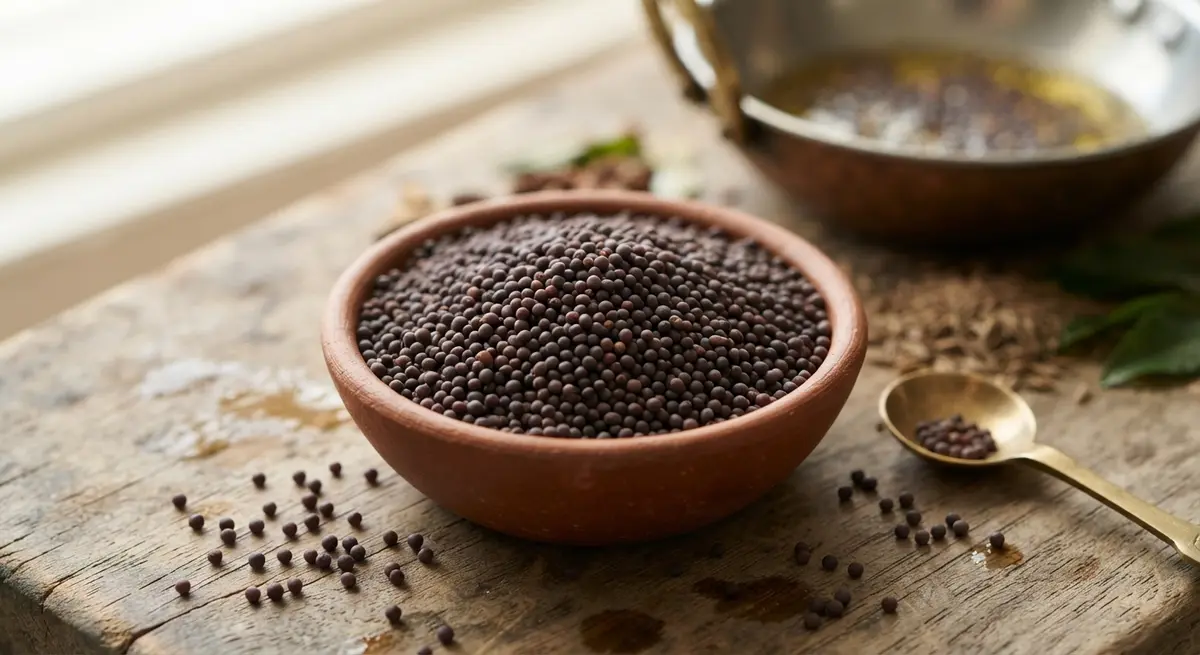
Black Mustard Seeds: Flavor Profile, Health Benefits & Culinary Uses
The tiny dark seeds that pop and sputter in hot oil are black mustard, the hottest of the family. Here is how to cook them the Indian way and where to swap.
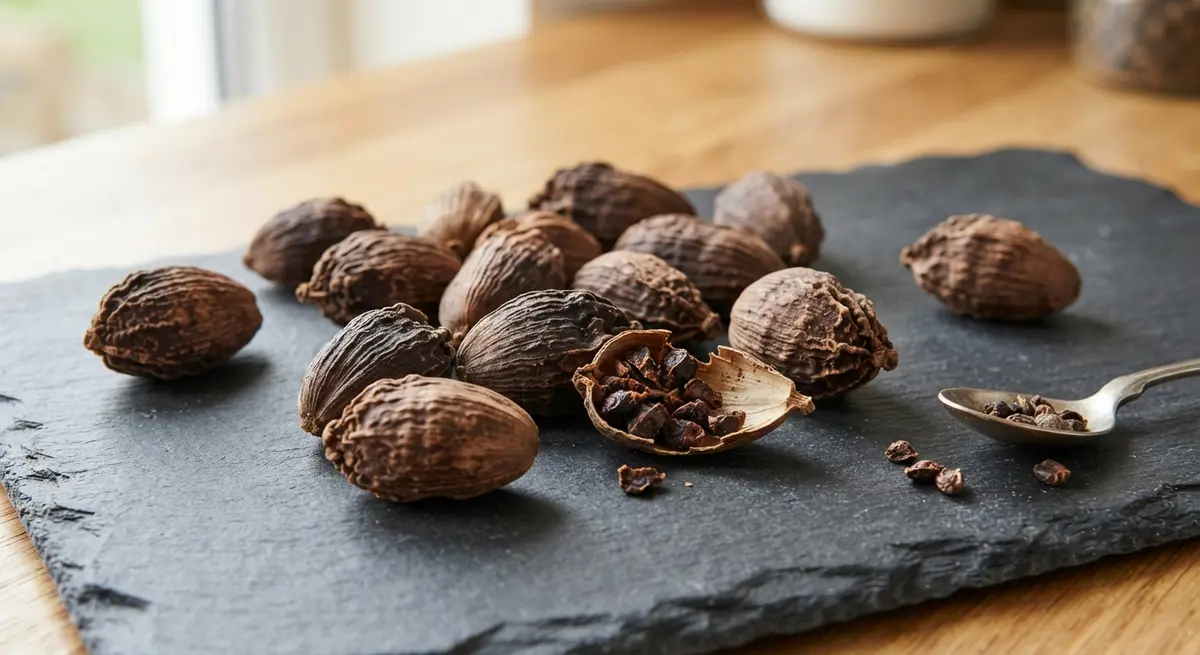
Brown & Black Cardamom: Flavor Profile, Health Benefits & Culinary Uses
The big wrinkled black pods sit next to green cardamom but come from a different species and taste like campfire. Here is where smoky black cardamom belongs.
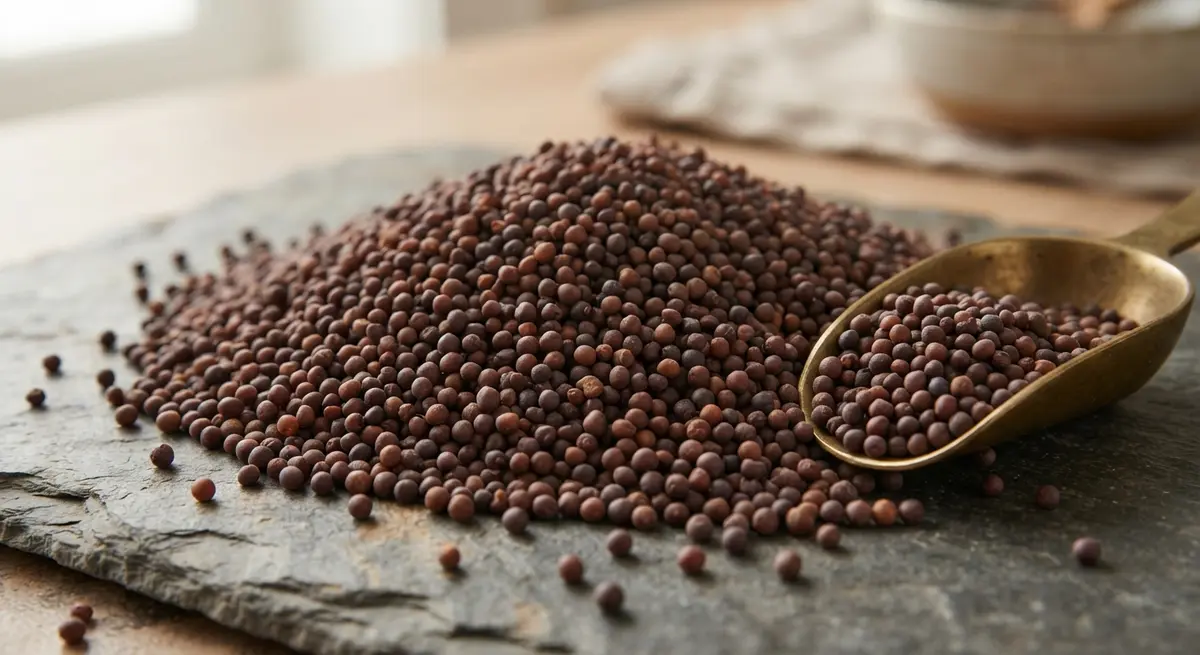
Brown Mustard Seeds: Flavor Profile, Health Benefits & Culinary Uses
Most jars labeled 'black mustard' actually hold brown seeds from Brassica juncea. Here is how their medium-hot pungency makes Dijon and stars in Indian cooking.
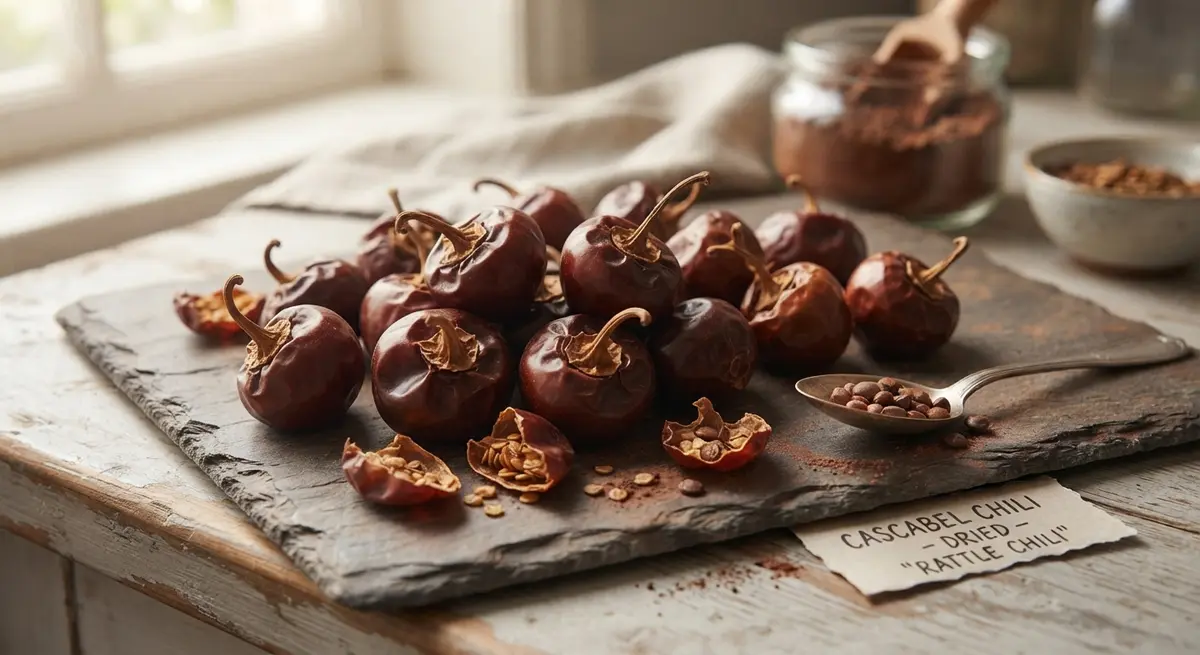
Cascabel Chili: Flavor Profile, Health Benefits & Culinary Uses
A rust-colored Mexican chili that rattles like a maraca and tastes like toasted nuts. Mild heat, deep flavor, and dozens of simmered uses.
About the Authors
This recipe and guide was developed, tested, and approved in our home kitchen and daily life. Jamy is a retired Food Service District Manager and Early Childhood Program Manager who spent his career overseeing multi-site restaurant operations, large-scale culinary production, and daycare menu management. Kaïna brings the ultimate real-world test: making sure it brings ease and joy to our kids on a busy weeknight.
Read more about our professional background and philosophy →