Cascabel Chili: Flavor Profile, Health Benefits & Culinary Uses
By the QuiteRecipes team (Jamy & Kaïna)
A rust-colored Mexican chili that rattles like a maraca and tastes like toasted nuts. Mild heat, deep flavor, and dozens of simmered uses.
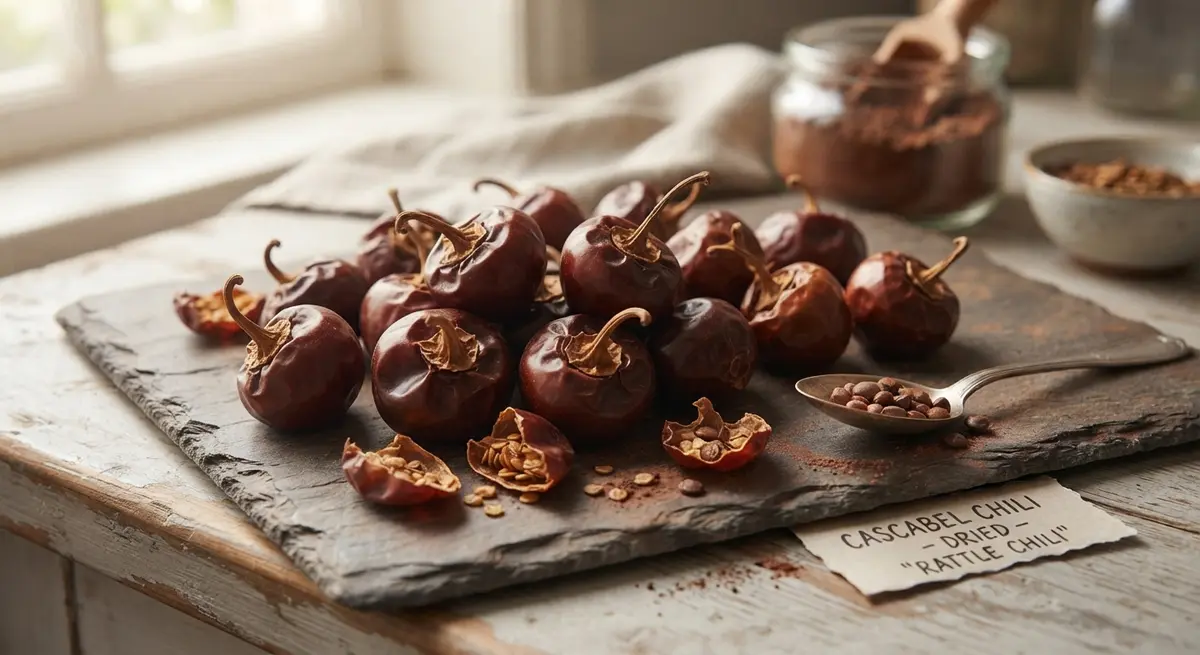
Cascabel chili is the pepper that sounds like a rattle — its name means "little bell," and the loose seeds inside the dried pod genuinely shake when you move it. A humble, rust-colored orb of Capsicum annuum from Mexico, cascabel is beloved by cooks for one unbeatable quality: flavor that outlasts the heat.
At just 1,000 to 3,000 Scoville units, cascabel is the chili of "more, please" — the one you can use by the handful, add early, and let walk through the whole pot.
Flavor Profile & Notes
Cascabel is round and nutty with a woodsy, almost hazelnut richness and only a suggestion of heat — like a smoked peanut crossed with dried tomato. Toast it and the aroma smells like toasted nuts and old leather; the skin holds a mild bitterness that buffs richness while the interior adds gentle sweetness. Its heat is shy but present, the sort that develops into a subtle warmth at the back of the throat rather than a shout. It is one of the few dried chilies that enhances ingredients instead of demanding stage presence, which is why adventurous cooks keep several pounds on the shelf.
Health Benefits & Nutrition
As a mild chili, cascabel is one of the friendliest ways to get capsaicin at cooking scale — you get the antioxidants (carotenoids, vitamins A and C, with beta-carotene surviving drying better than ascorbic acid) and the modest metabolic interest without the burnout. Its low heat makes it a plausible way to eat chilies daily: a spoonful in beans, a handful in salsas. The only guardrail: capsaicin affects everyone a little differently, and even mild heat can aggravate reflux. And as with any dried produce, freshness matters — a brittle, dusty pod is a flavor compromise.
Best Culinary Pairings
Cascabel does its best work slowly: simmer it whole into broths, beans, pozole, or carnitas braises, pull it out before serving, and it leaves a euphoric nutty-earthy warmth. Blended into salsas and guacamole, roasted with tomatoes and garlic, it ramps through soups and rice dishes without dominating. It loves garlic, cumin, dried oregano, tomatillo, and avocado. Try a quick cascabel crema on tacos al pastor, or stir it into black beans with a spoonful of its soaking liquid.
Quick Substitutes
Guajillo is the closest one-for-one — similar gentle heat, more berry complexity and less nuttiness. Ancho brings more and deeper raisin notes but about double the sweetness. In beans and soups, New Mexico red chili powder alone carries the same cozy, low-heat charm. Pasilla offers richer, more raisined depth. All are annuum cousins, so mixing by sweetness tolerance works; nudge heat up or down with a pinch of cayenne if needed.
FAQ / Quick Facts
- Why does it rattle? The seeds stay loose inside the dried pod — the rattle is normal, a sign of properly dried chili.
- How hot is it? Mild to medium, roughly 1,000 to 3,000 Scoville — perfect for everyday flavor.
- What does it taste like? Toasted nuts, dried tomato, and woodsy depth with a gentle, slow heat.
- Botanical family: Solanaceae / Form: whole dried pod, flakes, ground / Best uses: beans, soups, salsas, braises.
Related Articles
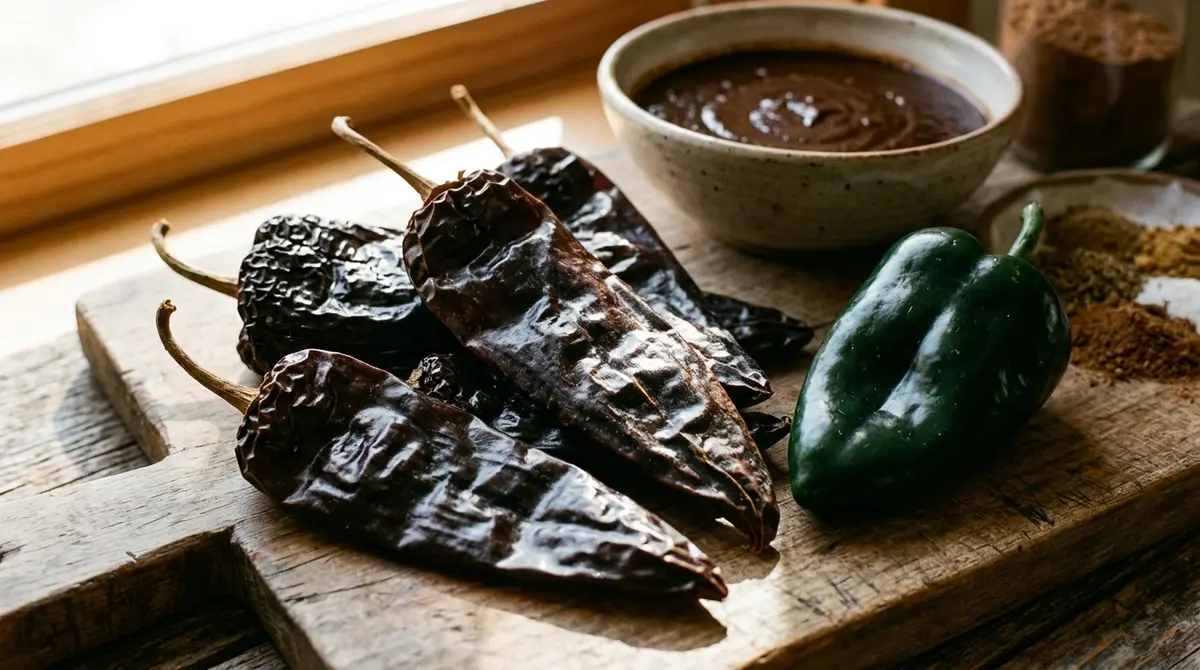
Mulato Chili: Flavor Profile, Health Benefits & Culinary Uses
The third chord of mole with a raisin, coffee, and cocoa soul. How it differs from ancho, how hot it runs, and where it works best.
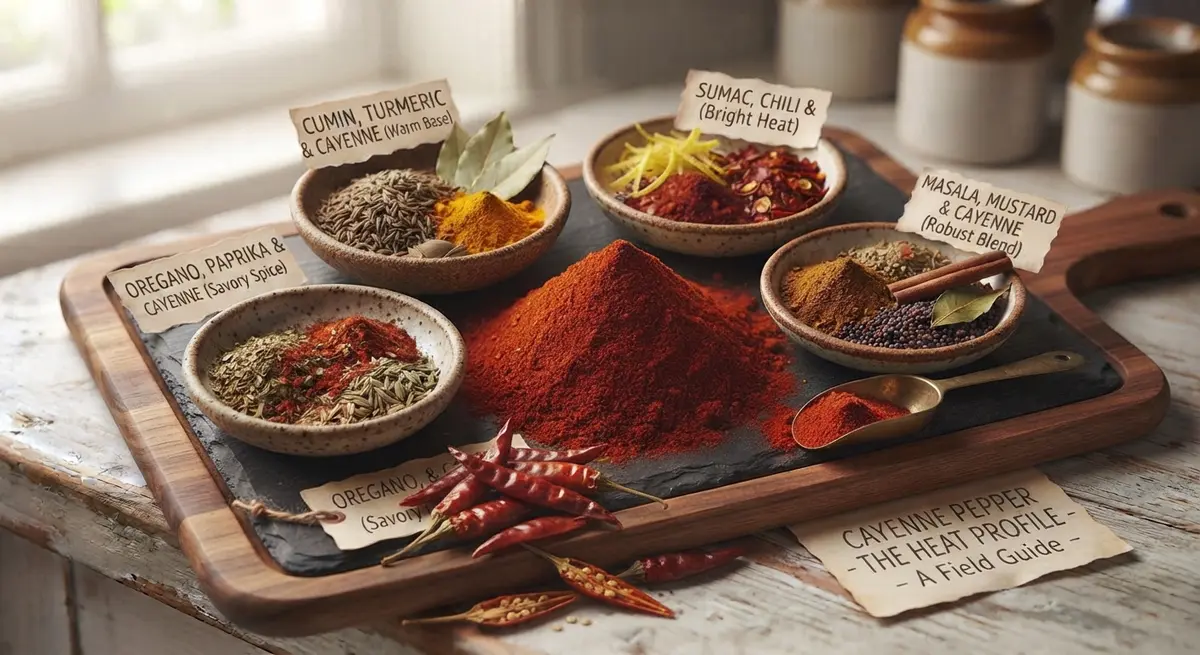
Cayenne Pepper: Flavor Profile, Health Benefits & Culinary Uses
Cayenne is ground dried chili with a bright, clean burn. Here is how to use the jar right, from gumbos to eggs, without scorching a single dinner.
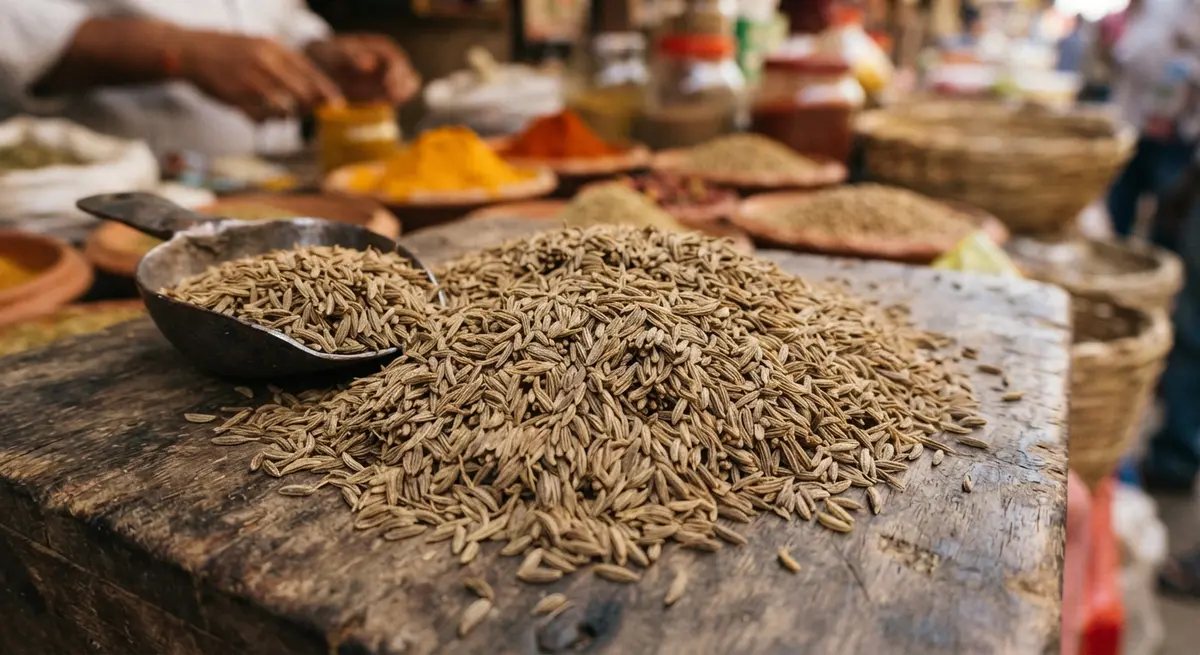
Cumin: Flavor Profile, Health Benefits & Culinary Uses
Cumin smells dusty raw and brilliant toasted. It is the backbone of tacos, curries, and chili, and one toasting habit will make you taste the difference.
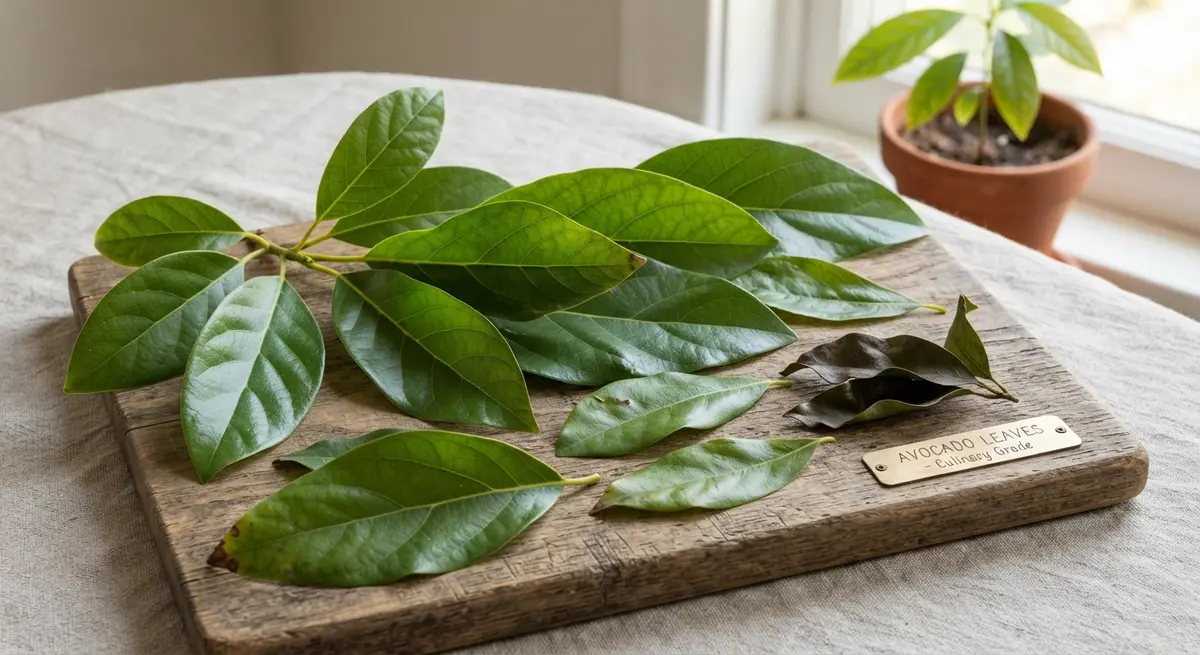
Dried Ground Avocado Leaves: Flavor Profile, Health Benefits & Culinary Uses
Mexican cooking's shyest seasoning: avocado leaves with an anise and bay-leaf perfume. How to use the leaf, the powder, and what stands in.
About the Authors
This recipe and guide was developed, tested, and approved in our home kitchen and daily life. Jamy is a retired Food Service District Manager and Early Childhood Program Manager who spent his career overseeing multi-site restaurant operations, large-scale culinary production, and daycare menu management. Kaïna brings the ultimate real-world test: making sure it brings ease and joy to our kids on a busy weeknight.
Read more about our professional background and philosophy →