Mulato Chili: Flavor Profile, Health Benefits & Culinary Uses
By the QuiteRecipes team (Jamy & Kaïna)
The third chord of mole with a raisin, coffee, and cocoa soul. How it differs from ancho, how hot it runs, and where it works best.
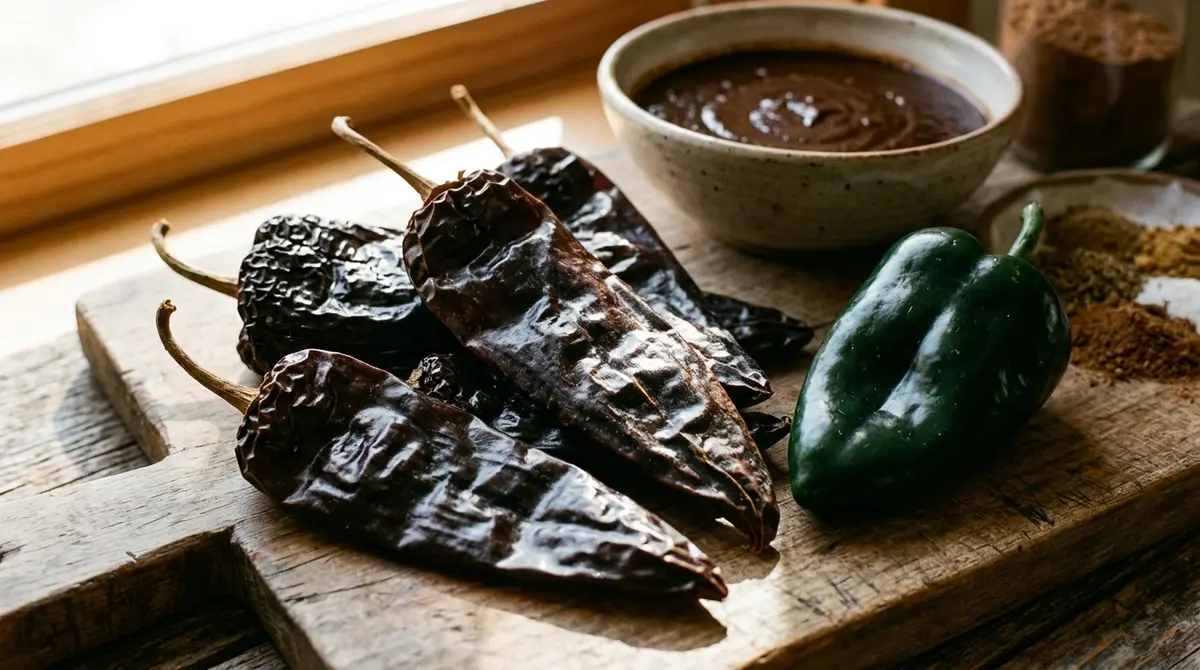
Mulato is the Mexican pepper no one names but everyone tastes. It is the dried form of an old poblano variety that, unlike ancho, is harvested fully ripe and darkened further, giving it a distinctive profile: almost raisined, almost chocolate, with a hint of smoke. In moles, guajillo and ancho get the press, but mulato is the third chord that makes the harmony.
At about 2,500 to 5,000 Scoville units it sits between gentle and noticeable. Its job is depth, not fireworks — the dark, brooding heart of Mexico's sauces.
Flavor Profile & Notes
Mulato carries the darkest flavor of the standard Mexican triangle. Where ancho leans raisin-and-berry, mulato adds coffee, dark chocolate, dried fig, and a thread of smoke — it smells like mole in a pod. Rehydrated, its pulp is thick, silky, and almost jammy; toasted gently, those cocoa notes deepen to the point where you double-check the label. The heat is present but polite. It is a chili that loves long cooking, low flames, and the company of fat and cream — everything Mexico discovered long ago about rich sauces.
Health Benefits & Nutrition
Mulato, like most dried chilies, is a modest antioxidant and micronutrient package: vitamin C partially survives drying, provitamin A and carotenoids are substantial, and capsaicin at this gentle level means most people can use a generous hand. It offers the same studied metabolic and circulation angles as its cousins, modestly. The real user guidance mirrors any chili: roast gently (overheat and bitterness swamps the fruit), soak adequately, and taste before you build a sauce. Mulato's dark sweetness is addictive — you will want to buy it again.
Best Culinary Pairings
Mulato is essential to mole poblano and many red-tinged moles, and it brightens enchilada sauce, tinga, and pipian. It is outstanding in braised short rib or slow-cooked chicken alongside ancho and guajillo, and it deepens anything with chocolate or coffee. Blended into a creamy sauce over roasted squash or winter vegetables, it tastes like autumn's best reason to eat. Pair it with sesame, almonds, cinnamon, and a touch of sugar in dessert-tinged moles, or keep it savory in beans and tamales.
Quick Substitutes
Ancho is the closest living neighbor: deeper raisin, lighter smoke, slightly sweeter — use one-to-one and add a drop of smoked paprika or a pinch of coffee for mulato's smoke-and-roast. Guajillo plus a whisper of cocoa powder approximates the depth with more heat. In hot sauces, a torn chipotle added to ancho covers the smoky side. Pasilla leans more raisined and tea-like but stays compatible in moles. No single pod has mulato's cocoa-smoke fingerprints; blend toward it with patience.
FAQ / Quick Facts
- What is the difference from ancho? Same pepper family, but mulato is picked riper and darkens, adding coffee, cocoa, and smoke over ancho's sweet fruit.
- How hot is it? Mild, 2,500 to 5,000 Scoville — a warm, friendly presence.
- What does it taste like? Dried fig, dark chocolate, coffee, and gentle smoke with silky pulp when pureed.
- Botanical family: Solanaceae / Form: whole dried pod, flakes, powder / Best uses: moles, enchilada sauces, braises, vegetarian mains.
Related Articles
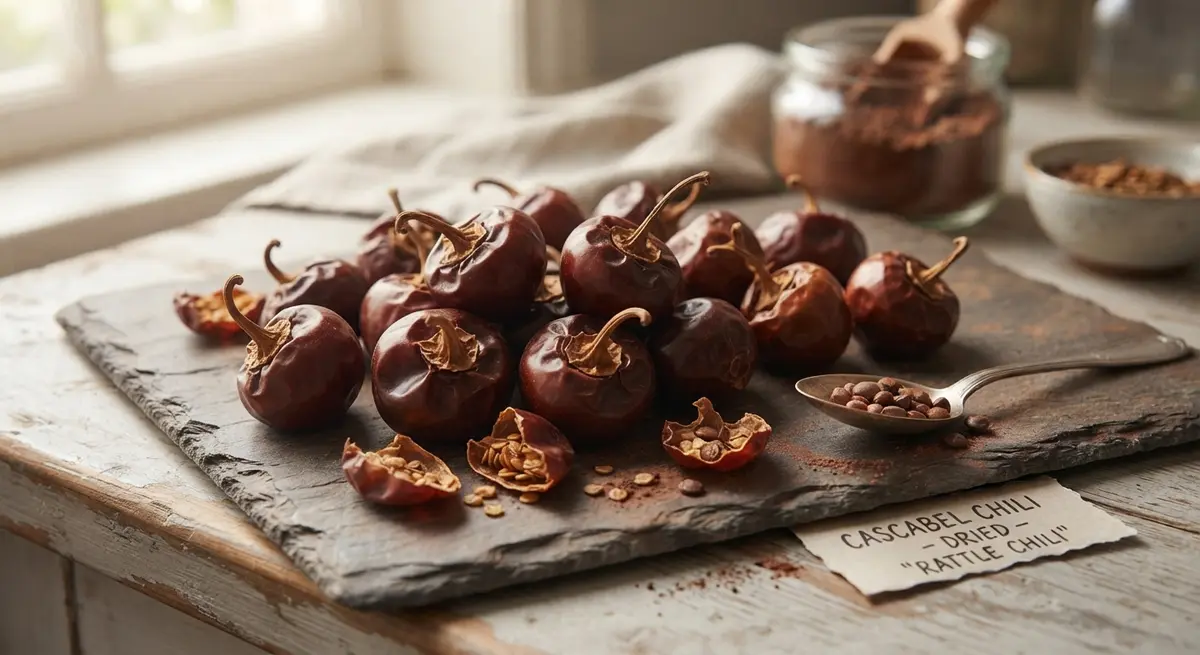
Cascabel Chili: Flavor Profile, Health Benefits & Culinary Uses
A rust-colored Mexican chili that rattles like a maraca and tastes like toasted nuts. Mild heat, deep flavor, and dozens of simmered uses.
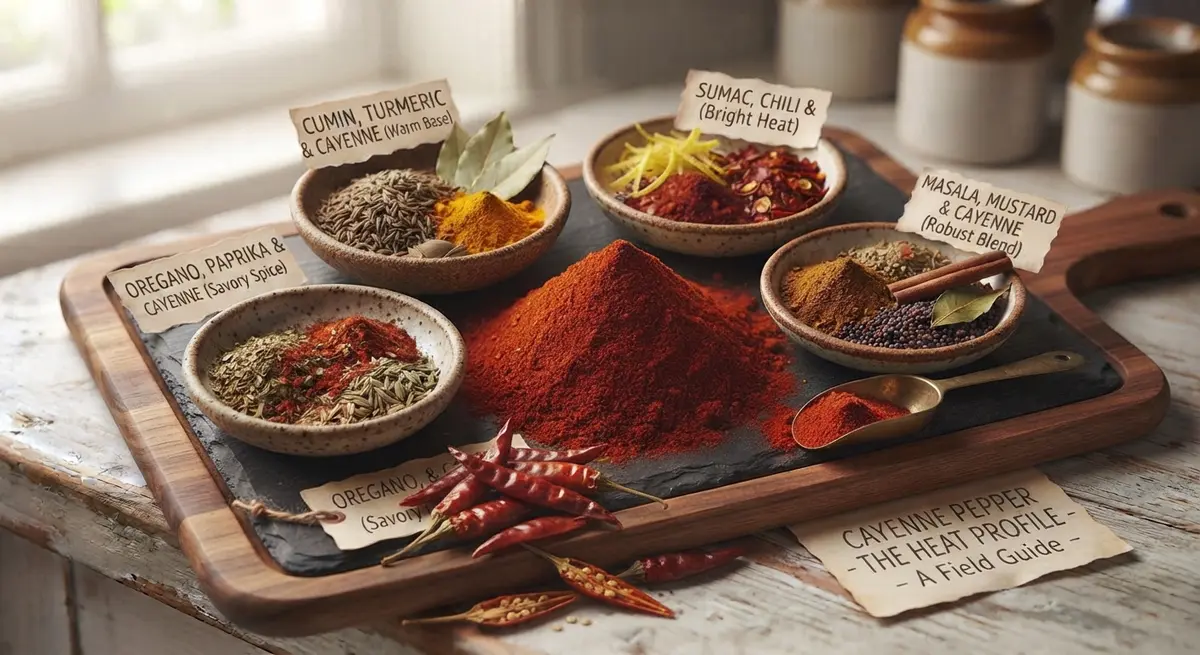
Cayenne Pepper: Flavor Profile, Health Benefits & Culinary Uses
Cayenne is ground dried chili with a bright, clean burn. Here is how to use the jar right, from gumbos to eggs, without scorching a single dinner.
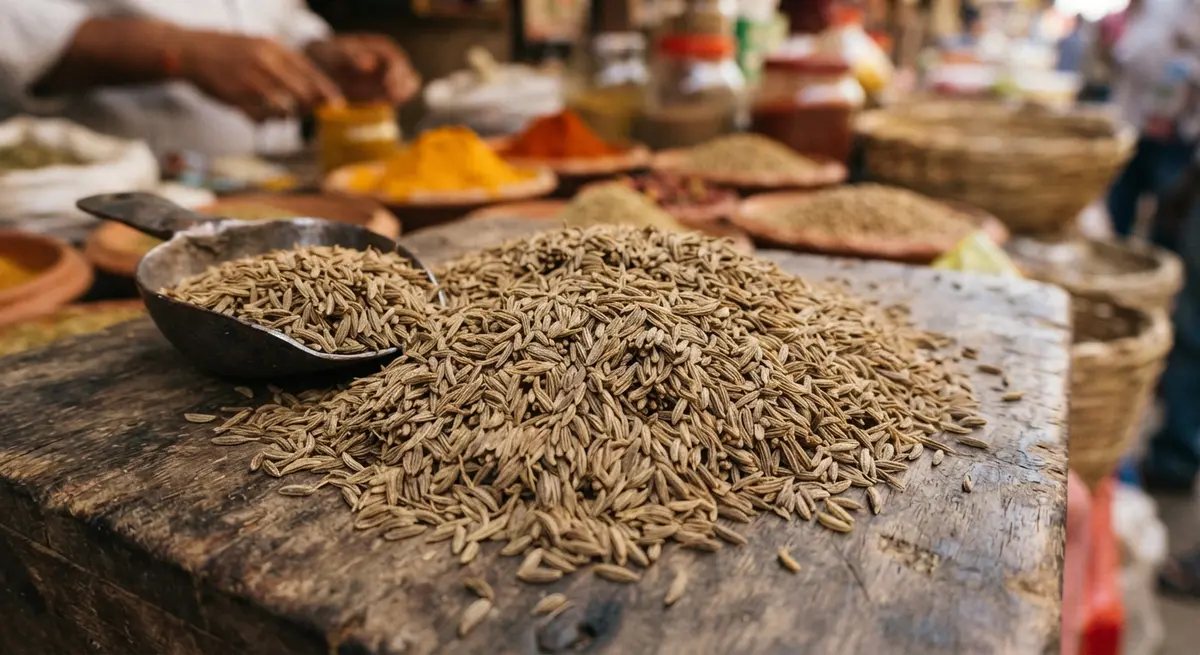
Cumin: Flavor Profile, Health Benefits & Culinary Uses
Cumin smells dusty raw and brilliant toasted. It is the backbone of tacos, curries, and chili, and one toasting habit will make you taste the difference.
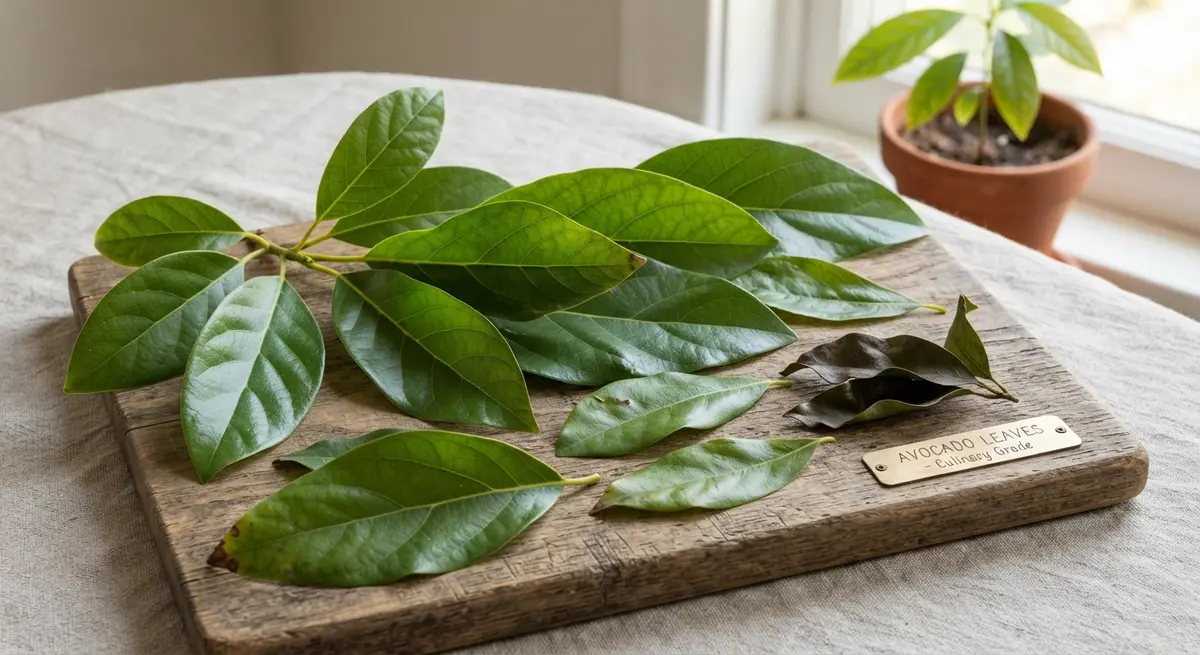
Dried Ground Avocado Leaves: Flavor Profile, Health Benefits & Culinary Uses
Mexican cooking's shyest seasoning: avocado leaves with an anise and bay-leaf perfume. How to use the leaf, the powder, and what stands in.
About the Authors
This recipe and guide was developed, tested, and approved in our home kitchen and daily life. Jamy is a retired Food Service District Manager and Early Childhood Program Manager who spent his career overseeing multi-site restaurant operations, large-scale culinary production, and daycare menu management. Kaïna brings the ultimate real-world test: making sure it brings ease and joy to our kids on a busy weeknight.
Read more about our professional background and philosophy →