Cayenne Pepper: Flavor Profile, Health Benefits & Culinary Uses
By the QuiteRecipes team (Jamy & Kaïna)
Cayenne is ground dried chili with a bright, clean burn. Here is how to use the jar right, from gumbos to eggs, without scorching a single dinner.
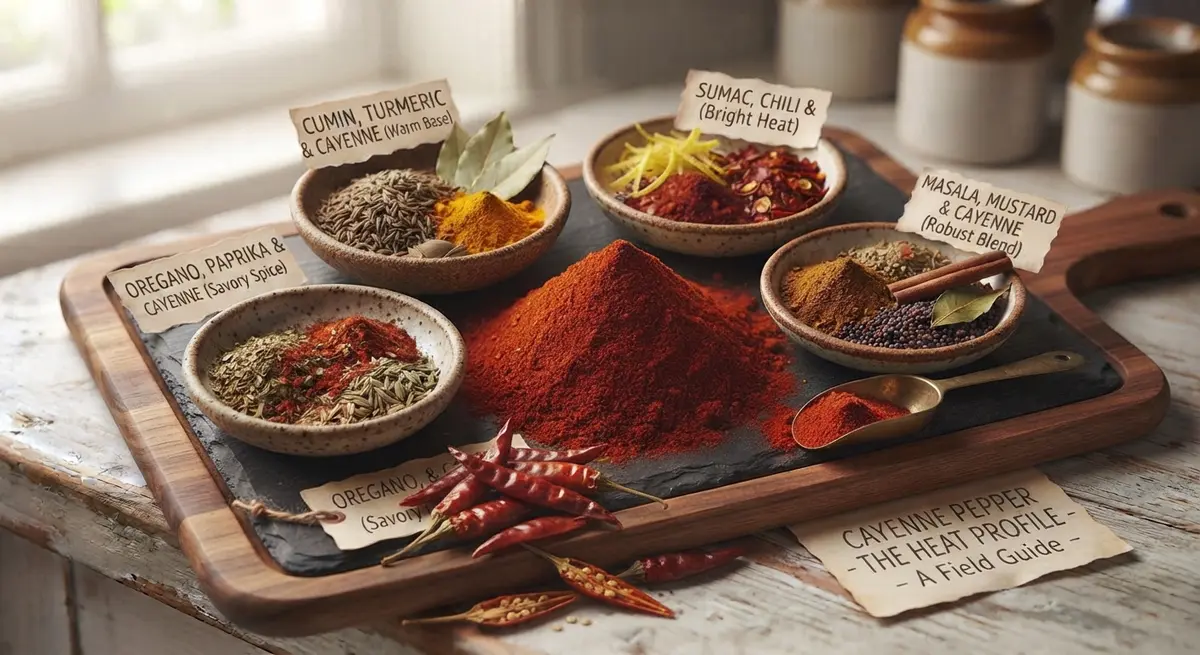
Cayenne is what most kitchens mean when they reach for plain, all-purpose heat. The jar of bright red powder is ground from small, thin-skinned chili peppers named after the town of Cayenne in French Guiana, where sailors and cooks on trade routes first put them to work. It is not a blend of mystery chilies — just one dried, ground, reliable pepper.
Its great gift is being predictable. Cayenne adds a clean, fast, sharp burn without smoke, sweetness, or a lot of flavor baggage, which makes it the easiest heat in the kitchen to control once you know its habits.
Flavor Profile & Notes
Cayenne lands at roughly 30,000 to 50,000 Scoville heat units, which is honestly hot — far hotter than paprika or even a typical red pepper flake jar. The heat is bright and builds at the back of the mouth and throat, fading quickly rather than lingering. Because the pepper is thin-fleshed, you get almost no smoky or fruity note; that plainness is the point. Bloom a small pinch in hot oil to round out the burn, and taste as you go, because a heavy hand here ruins more dishes than any other spice.
Health Benefits & Nutrition
The burn comes from capsaicin, the same compound that gives chili its metabolism-lifting reputation. Studies are modest, but regular capsaicin has been linked to slightly faster calorie burn and better circulation, and cayenne is a solid source of provitamin A and vitamin E for a dried spice. As always in this kitchen: enjoy the food first, and treat the health angles as a pleasant side note, not a prescription.
Best Culinary Pairings
Cayenne is a low, scaffolding heat that holds up big, loud dishes. Use it in gumbo, jambalaya, and Louisiana-style étouffée; a pinch makes cheese omelets and strata, cornbread, and roast chicken rubs sit up straighter. Stir a little into honey for smoky–sweet wings, spike the mayonnaise for a sandwich or the ketchup for fries, and add just a whisper to hot cocoa or brownies — the classic move where no one can name the spice but everyone feels its absence.
Quick Substitutes
Red pepper flakes are the nearest jar on the shelf: more texture, mostly seed-heavy heat, use a generous half the amount and expect it to linger. Hot paprika delivers warmth with sweet pepper backing. For the straightest swap in a pinch, grind a dried arból or Thai bird chili anywhere from half to equal measure. Chipotle and anchos bring smoke, not the same clean burn.
FAQ / Quick Facts
- Is cayenne hotter than paprika? Much hotter — about a hundred times sharper than sweet paprika.
- How should I use it? Start with a pinch, bloom it in oil or sauce, and taste before adding more.
- Know your spice: Solanaceae family; fine ground powder; essential to Cajun and Creole cooking.
Related Articles
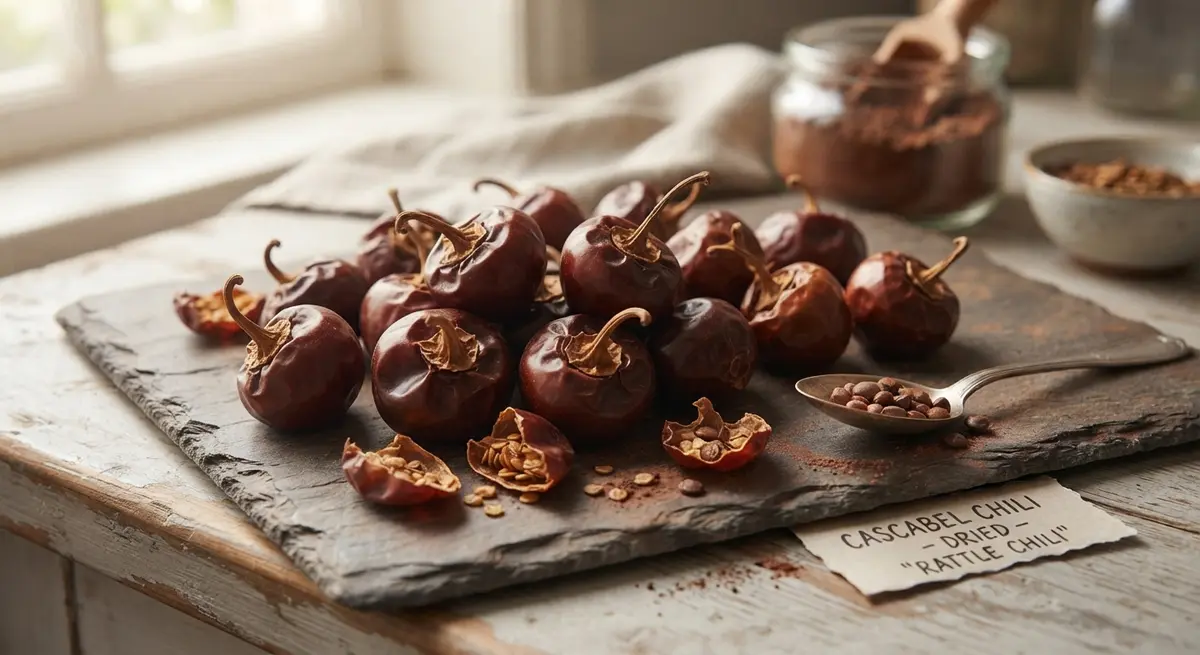
Cascabel Chili: Flavor Profile, Health Benefits & Culinary Uses
A rust-colored Mexican chili that rattles like a maraca and tastes like toasted nuts. Mild heat, deep flavor, and dozens of simmered uses.
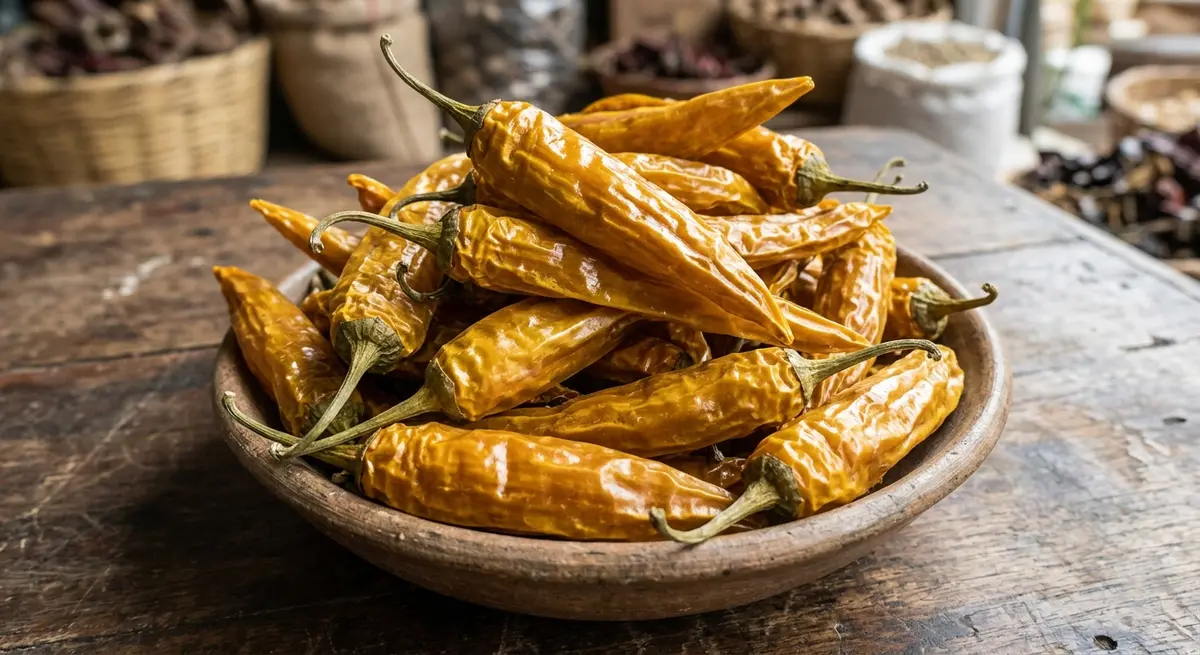
Mirasol Chili: Flavor Profile, Health Benefits & Culinary Uses
The same Andean pepper as aji amarillo, once sun-dried into a smoky-fruity molace of a chili. Its heat, its best pot-mates, and honest swaps.
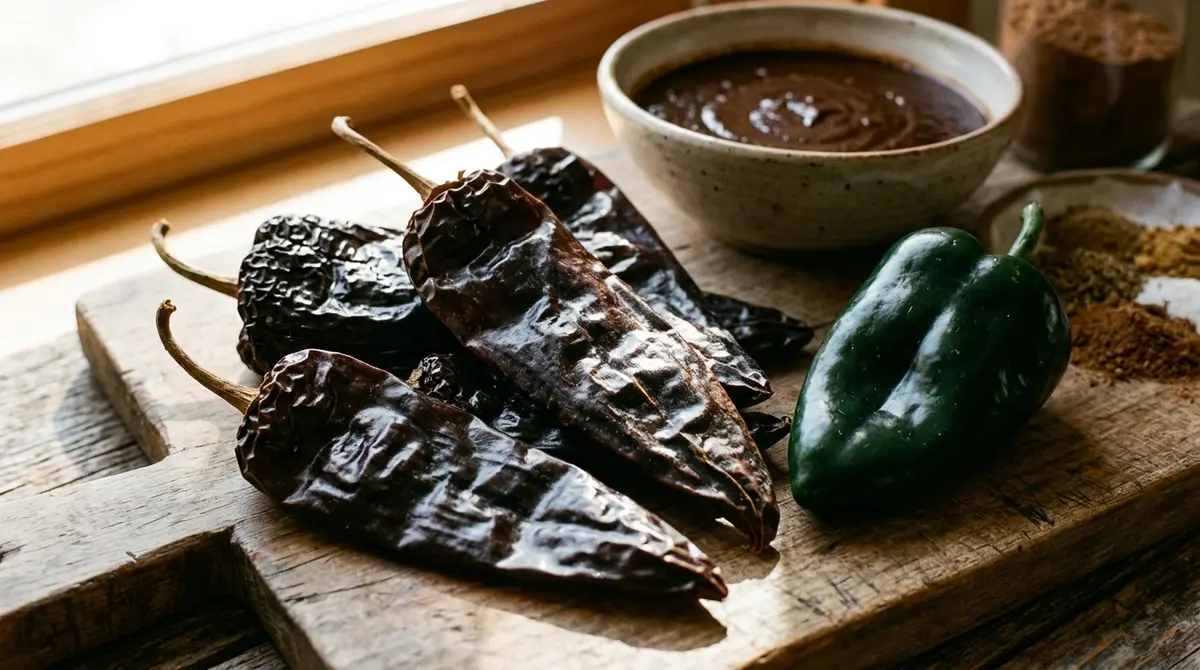
Mulato Chili: Flavor Profile, Health Benefits & Culinary Uses
The third chord of mole with a raisin, coffee, and cocoa soul. How it differs from ancho, how hot it runs, and where it works best.
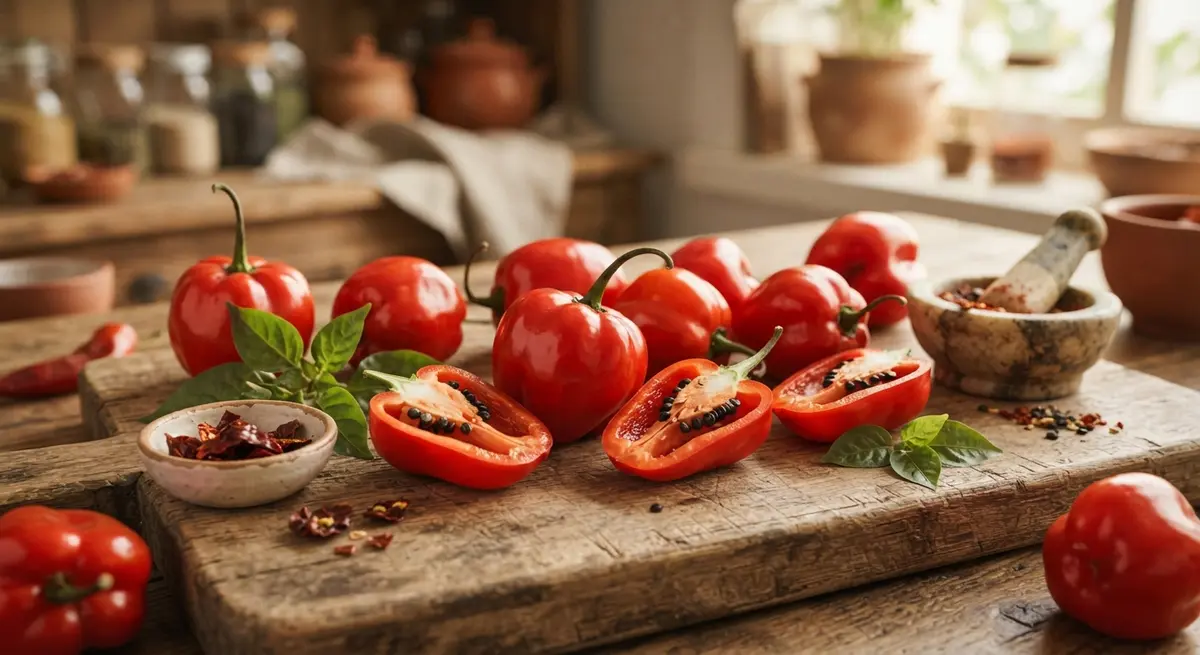
Rocoto Chili: Flavor Profile, Health Benefits & Culinary Uses
The high-altitude Peruvian pepper with black seeds and a slow-punch heat. Its flavor, Scoville reality, and how to stuff, sauce, and store it.
About the Authors
This recipe and guide was developed, tested, and approved in our home kitchen and daily life. Jamy is a retired Food Service District Manager and Early Childhood Program Manager who spent his career overseeing multi-site restaurant operations, large-scale culinary production, and daycare menu management. Kaïna brings the ultimate real-world test: making sure it brings ease and joy to our kids on a busy weeknight.
Read more about our professional background and philosophy →