Rocoto Chili: Flavor Profile, Health Benefits & Culinary Uses
By the QuiteRecipes team (Jamy & Kaïna)
The high-altitude Peruvian pepper with black seeds and a slow-punch heat. Its flavor, Scoville reality, and how to stuff, sauce, and store it.
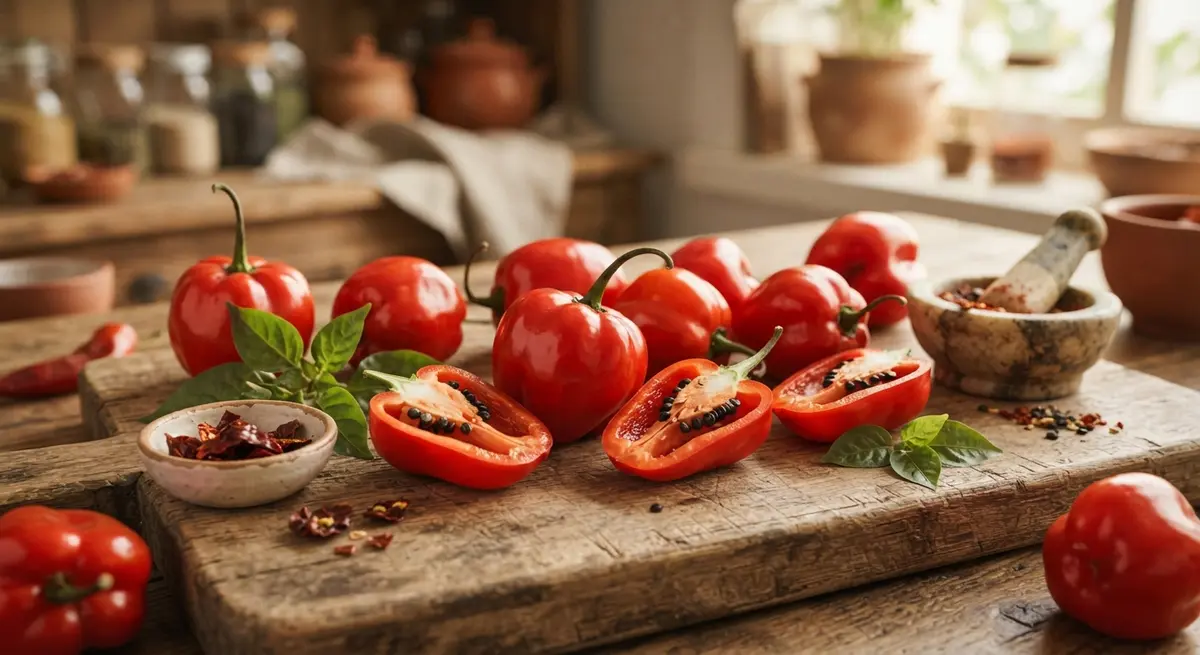
Rocoto chili is the pepper that refuses to behave like a pepper. Capsicum pubescens grows at high Andean altitudes, has black seeds, hairy leaves, and thickened, fuzzy walls — pubescens literally means hairy — and brings a level of heat rare for its plump, apple-like size. It is Peru's gift to the world's heat-seekers.
Worth knowing before you cook: rocoto's burn is slow-building and deeply penetrating, in the 30,000 to 100,000 Scoville range — like a habanero's cousin who meditates. It pairs its fire with a genuinely fruity, almost apple-berry flavor.
Flavor Profile & Notes
Rocoto tastes juicy and fresh, like a slightly sweet apple or tomato with a back-kick of fire. Its aroma is greener and more floral than habanero, less tropical, with a rounded vegetal depth that suits fresh cooking. Dried and ground, the fruit fades and the heat and green-bell-pepper character intensify. Fresh rocotos carry thick, crunchy walls that hold up in sauces and stews. The burn builds slowly, peaks late, and lingers warmly — which makes people describe it as "meaner" than equal heat in other peppers, because you get no warning.
Health Benefits & Nutrition
Like all chilies, rocoto brings vitamin C and provitamin A plus capsaicin, studied for everything from metabolic rate to pain pathways. Its moderate-to-high heat means most people eat it by the spoonful of sauce, which suits its benefits without tipping into stomachache. Green rocotos have a bit more vegetal bitterness and less fruity sweetness than red ones. Anyone with reflux or a sensitive gut should begin with a taste, not a bowl, and remember capsaicin does not dissolve in water — dairy, not ice water, is the off-switch.
Best Culinary Pairings
In Peru, rocoto is the soul of rocoto relleno (roasted, cheese-stuffed peppers) and the golden sauces spooned over meats, potatoes, and ceviche. Dried and rehydrated, it stars in stews and freshly built yellow sauces. Fresh rocoto marries beautifully with cheese, potatoes, lime, garlic, onion, and cilantro — all classic Andean companions. Try a white-cheese sauce with fresh rocoto over roasted roots, or blend dried rocoto into your next tomato salsa and let the fruit-forward heat do the talking.
Quick Substitutes
Capsicum chinense chilies — habanero at lower heat, scotch bonnet at similar heat — come closest to rocoto's intensity, with more tropical fruit and less apple-green. Jarred aji rocoto paste is the honest stand-in for the fresh pepper. Red Fresno or red jalapeno with a pinch of smoked habanero approximates body and heat for gentler palates. In dried form, ground annatto plus habanero powder reads close. Whatever you choose, keep the first amounts conservative.
FAQ / Quick Facts
- Why are the seeds black? Rocotos are the only domesticated peppers with black seeds — a hallmark of Capsicum pubescens.
- How hot is it really? 30,000 to 100,000 Scoville, with a slow burn that lingers; respect the first taste.
- What does it taste like? Fruity, apple-berry fresh, with green depth and intense late-arriving heat.
- Botanical family: Solanaceae / Form: fresh, dried, ground, jarred paste / Best uses: Peruvian sauces, stuffed peppers, ceviche.
Related Articles
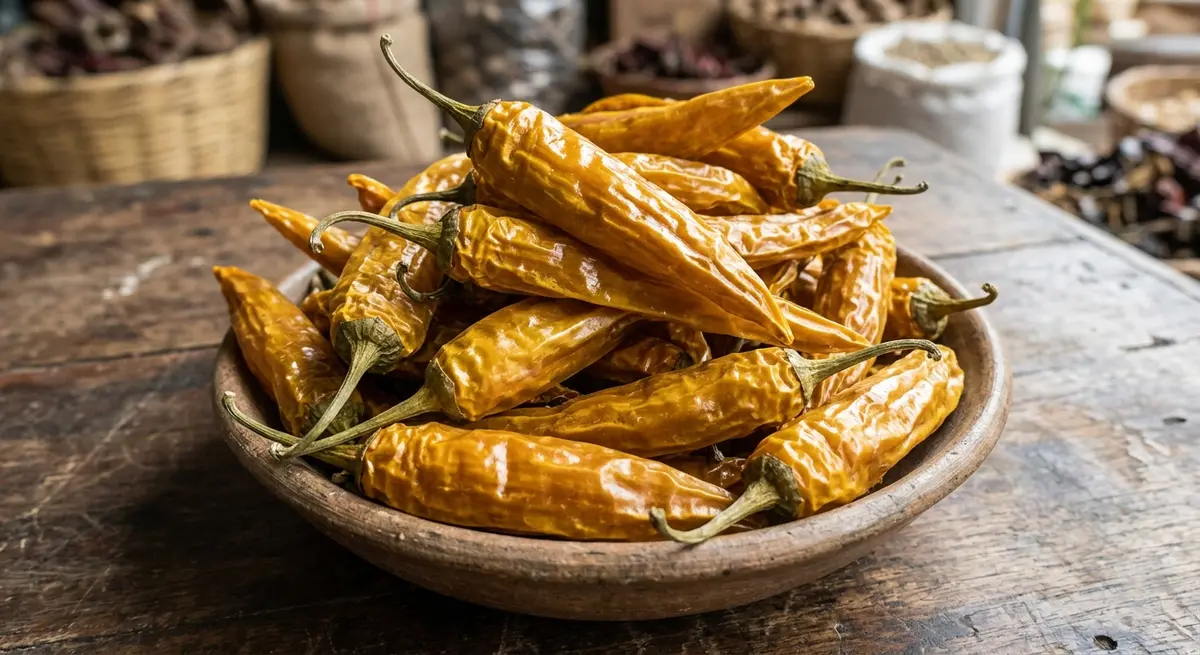
Mirasol Chili: Flavor Profile, Health Benefits & Culinary Uses
The same Andean pepper as aji amarillo, once sun-dried into a smoky-fruity molace of a chili. Its heat, its best pot-mates, and honest swaps.
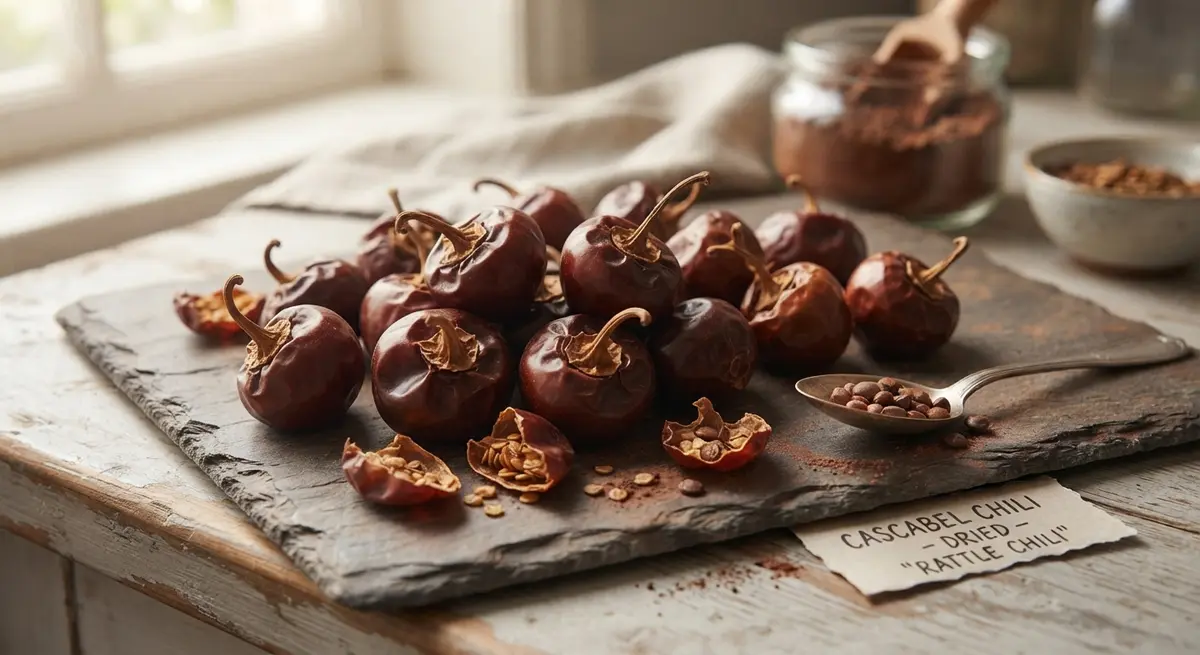
Cascabel Chili: Flavor Profile, Health Benefits & Culinary Uses
A rust-colored Mexican chili that rattles like a maraca and tastes like toasted nuts. Mild heat, deep flavor, and dozens of simmered uses.
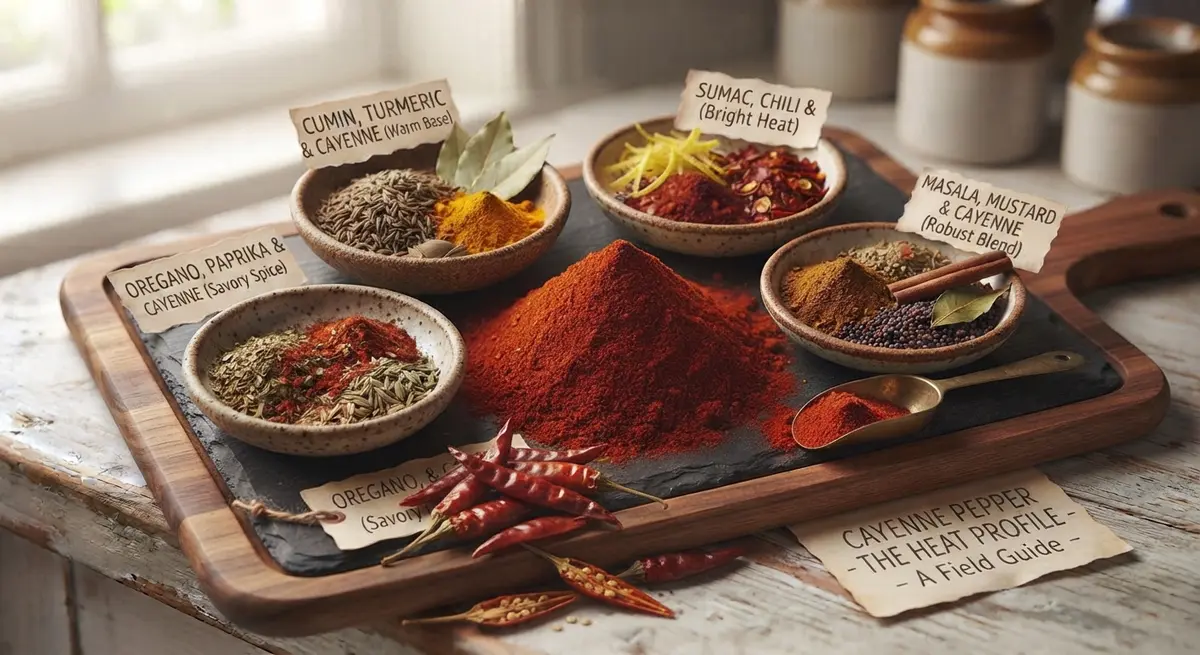
Cayenne Pepper: Flavor Profile, Health Benefits & Culinary Uses
Cayenne is ground dried chili with a bright, clean burn. Here is how to use the jar right, from gumbos to eggs, without scorching a single dinner.
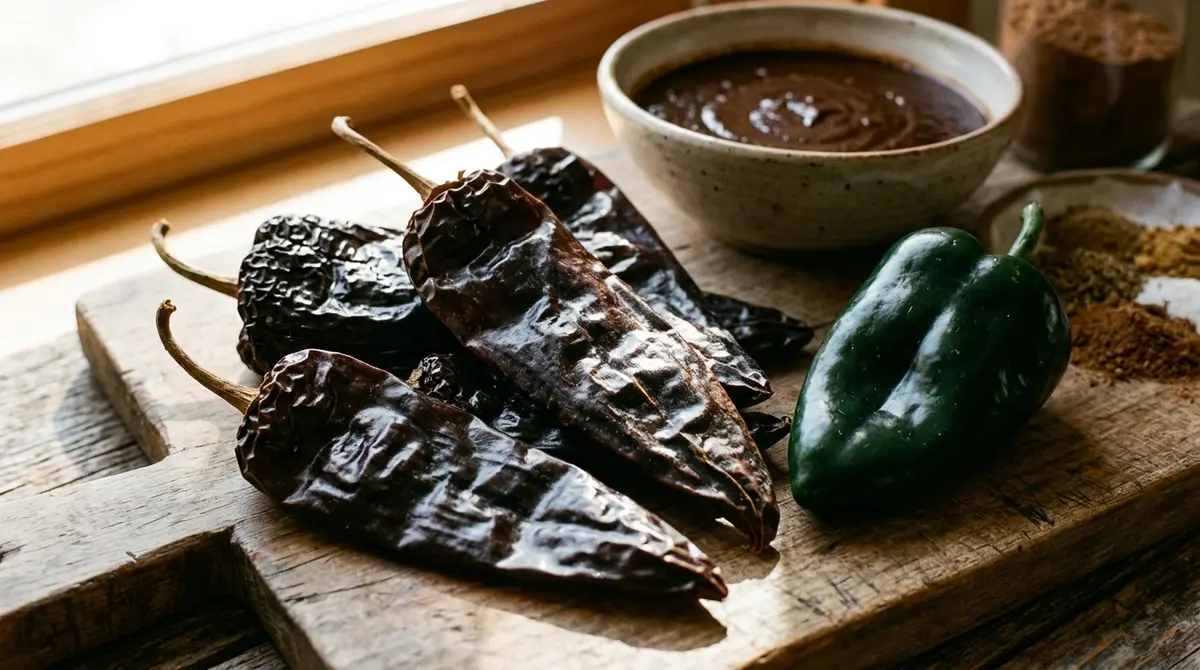
Mulato Chili: Flavor Profile, Health Benefits & Culinary Uses
The third chord of mole with a raisin, coffee, and cocoa soul. How it differs from ancho, how hot it runs, and where it works best.
About the Authors
This recipe and guide was developed, tested, and approved in our home kitchen and daily life. Jamy is a retired Food Service District Manager and Early Childhood Program Manager who spent his career overseeing multi-site restaurant operations, large-scale culinary production, and daycare menu management. Kaïna brings the ultimate real-world test: making sure it brings ease and joy to our kids on a busy weeknight.
Read more about our professional background and philosophy →