Mirasol Chili: Flavor Profile, Health Benefits & Culinary Uses
By the QuiteRecipes team (Jamy & Kaïna)
The same Andean pepper as aji amarillo, once sun-dried into a smoky-fruity molace of a chili. Its heat, its best pot-mates, and honest swaps.
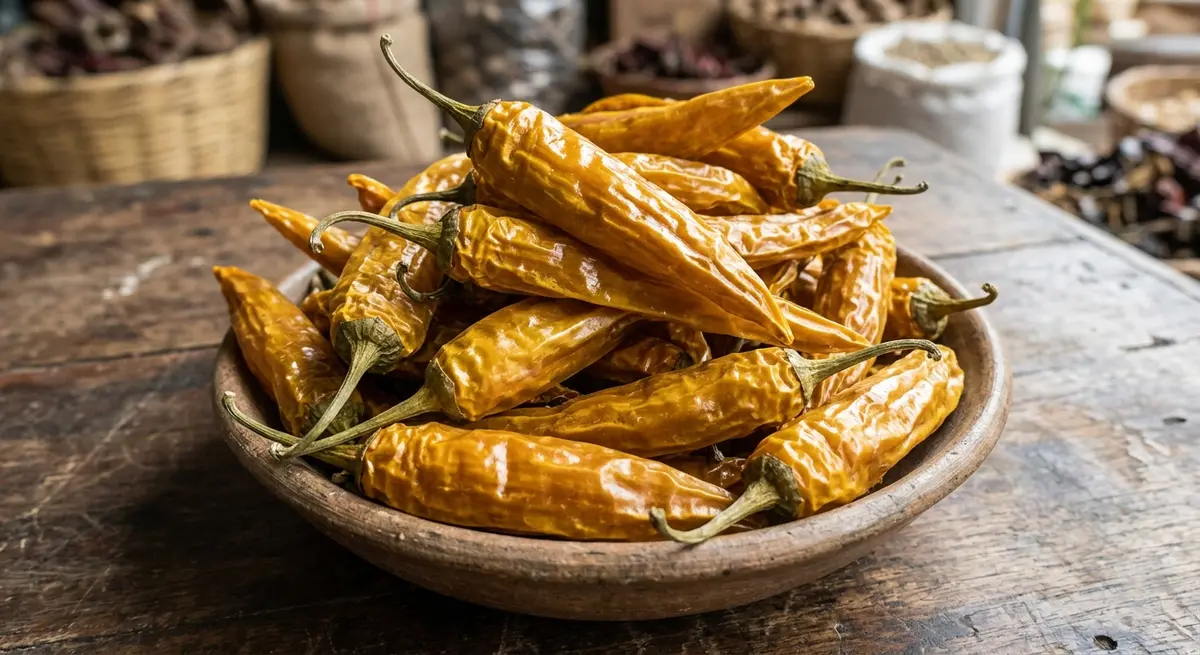
Mirasol chili is the unravelled stage of Peru's famous aji amarillo — the name literally means "looking at the sun." While aji amarillo is the fresh yellow pepper of Peruvian cooking, the dried version is called mirasol, and drying transforms it from bright-fruity into a rounder, smoky, sun-baked chili with real muscle in stews.
Alongside huacatay and rocoto, it is one of a trio of Andean seasonings no serious Peruvian kitchen goes without. It is a mid-heat pepper — roughly 30,000 to 50,000 Scoville — with enough warmth to matter and enough friendliness to use boldly.
Flavor Profile & Notes
Dried mirasol warms in a bowl like fruit leather: apricot, mango, and a whiff of raisin, wrapped in a medium, dusty heat that coats rather than stings. It is hotter than guajillo and leaner in caramel sweetness than ancho, with an almost berry-like acidity that makes it great for sauces. Rehydrated and pureed it becomes silky and almost syrupy; toasted gently, the sugars bloom into a deeper, almost miso-smoky note. The heat is present but patient, so it works in moles, marinades, and braises without dominating the plate.
Health Benefits & Nutrition
A dried mirasol still contains meaningful — though reduced by drying — vitamins C and A; fresh aji amarillo is genuinely vitamin-C rich for a chili, a fact that survives dehydration better than most nutrients. Capsaicin brings the usual mix of metabolic and pain studies, and the pepper's beta-carotene pack gives it yellow-orange pigments that double as antioxidants. The honest landmine for uninitiated cooks is heat tolerance, not health: taste a sliver before committing. Any chili's digestive effects are dose-dependent, so lean on it as a flavoring, not a medicine.
Best Culinary Pairings
Peruvians use mirasol in causa rellena sauces, aji de gallina's yellow stew, and anticuchos marinades, and it performs equally well in pickled vegetables and lomo saltado mojos. Modern cooking picks it up for moles, braised chicken or pork, roasted squash, and black bean soups. It pairs shapely with garlic, cilantro, lime, cumin, and cheese. Try toasting a couple of dried pods, soaking them with a splash of vinegar, and blending into a smoky crema for tacos — a thirty-minute move that tastes like a Peru trip.
Quick Substitutes
For near neighbors: guajillo at slightly lower heat and more fruity elegance; ancho for deeper chocolate-raisin notes but less kick. A blend of guajillo plus a pinch of cayenne mimics mirasol's friendly heat with more sugar. Aji amarillo paste, rehydrated, is the true twin if Peruvian groceries are within reach. In a pinch, New Mexico red chili powder plus a drop of honey and a squeeze of lime gets you through.
FAQ / Quick Facts
- What is the difference between aji amarillo and mirasol? Same pepper — fresh it is aji amarillo, dried it is mirasol.
- How hot is it? Medium, 30,000 to 50,000 Scoville: warm, fruity, and easy to live with.
- What does it taste like? Apricot, raisin, and sun-dried berries with a dusty, rounded heat.
- Botanical family: Solanaceae / Form: whole dried pod, flakes, or ground / Best uses: Peruvian stews, moles, marinades, sauces.
Related Articles
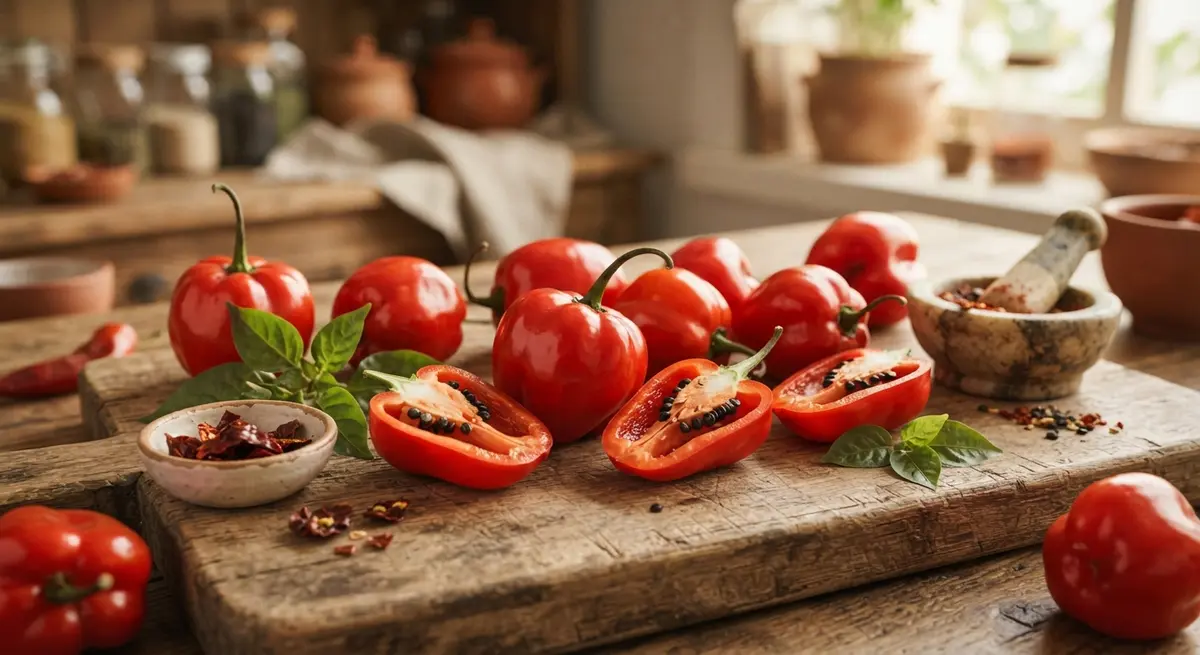
Rocoto Chili: Flavor Profile, Health Benefits & Culinary Uses
The high-altitude Peruvian pepper with black seeds and a slow-punch heat. Its flavor, Scoville reality, and how to stuff, sauce, and store it.
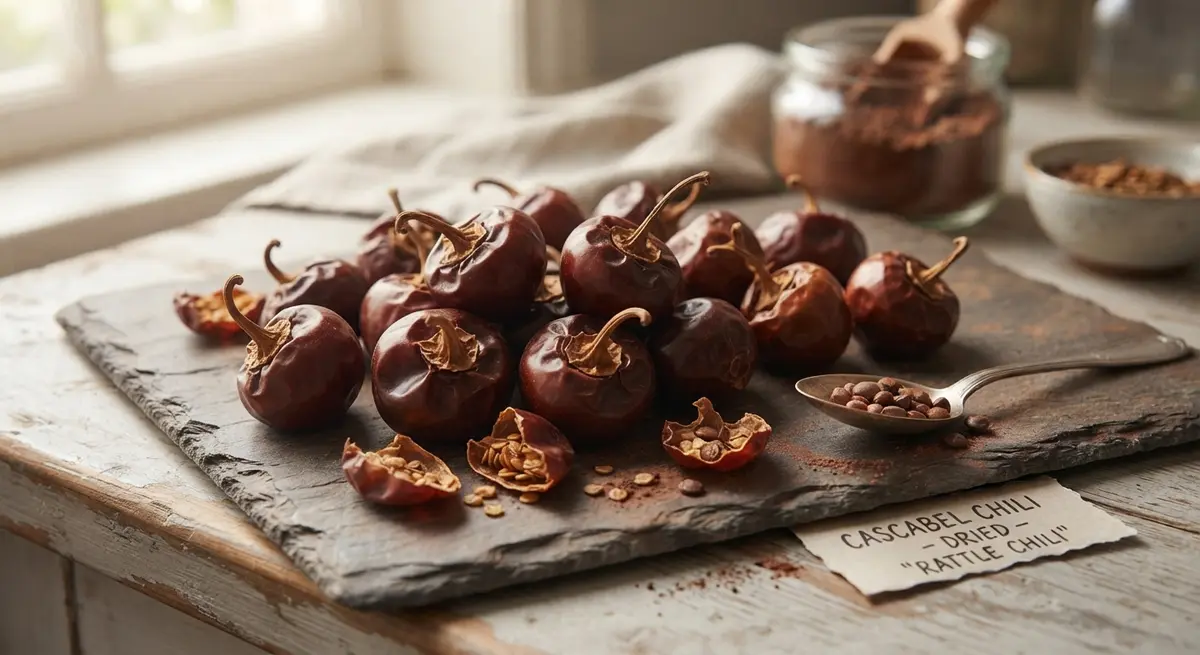
Cascabel Chili: Flavor Profile, Health Benefits & Culinary Uses
A rust-colored Mexican chili that rattles like a maraca and tastes like toasted nuts. Mild heat, deep flavor, and dozens of simmered uses.
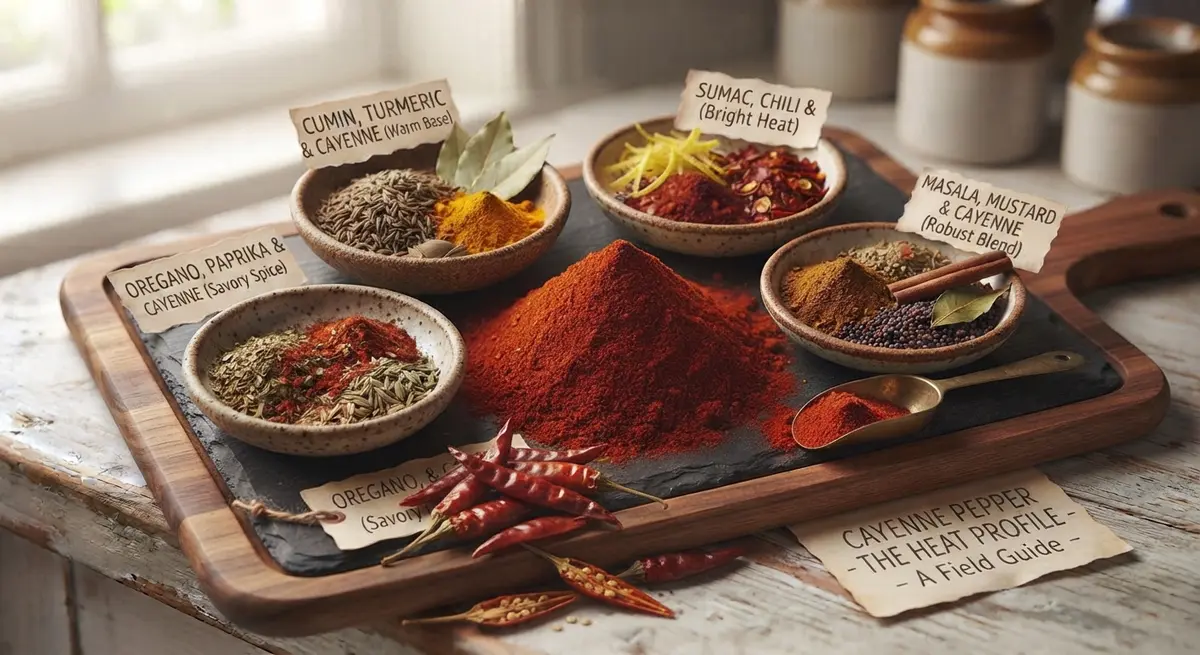
Cayenne Pepper: Flavor Profile, Health Benefits & Culinary Uses
Cayenne is ground dried chili with a bright, clean burn. Here is how to use the jar right, from gumbos to eggs, without scorching a single dinner.
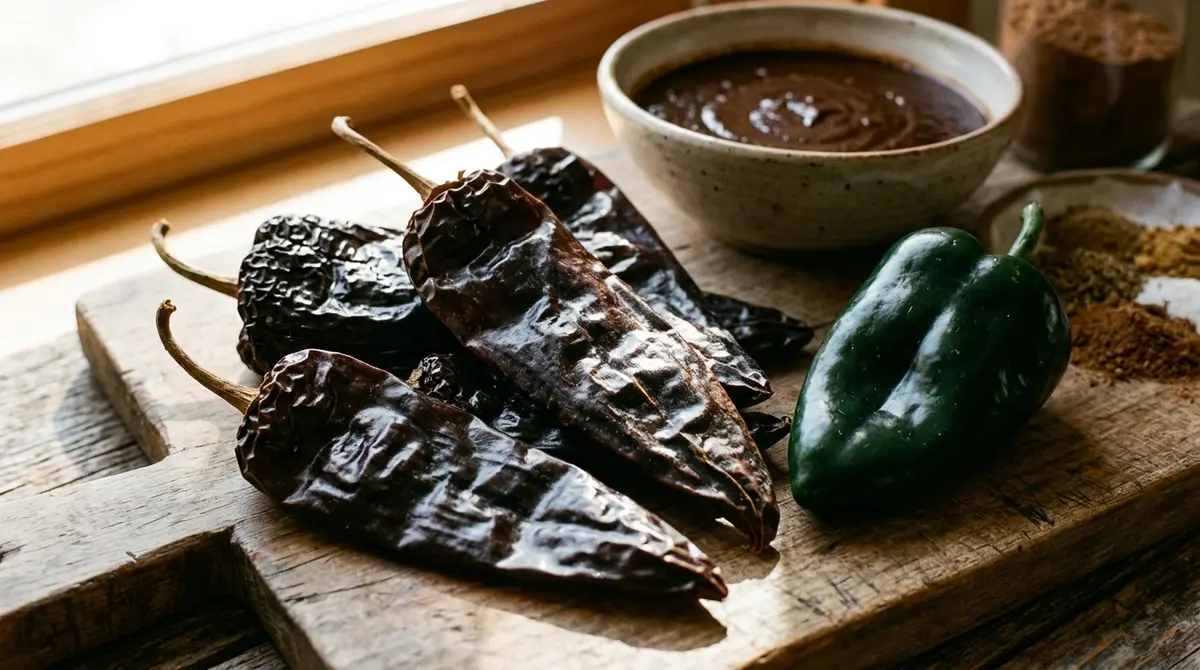
Mulato Chili: Flavor Profile, Health Benefits & Culinary Uses
The third chord of mole with a raisin, coffee, and cocoa soul. How it differs from ancho, how hot it runs, and where it works best.
About the Authors
This recipe and guide was developed, tested, and approved in our home kitchen and daily life. Jamy is a retired Food Service District Manager and Early Childhood Program Manager who spent his career overseeing multi-site restaurant operations, large-scale culinary production, and daycare menu management. Kaïna brings the ultimate real-world test: making sure it brings ease and joy to our kids on a busy weeknight.
Read more about our professional background and philosophy →