Dried Ground Avocado Leaves: Flavor Profile, Health Benefits & Culinary Uses
By the QuiteRecipes team (Jamy & Kaïna)
Mexican cooking's shyest seasoning: avocado leaves with an anise and bay-leaf perfume. How to use the leaf, the powder, and what stands in.
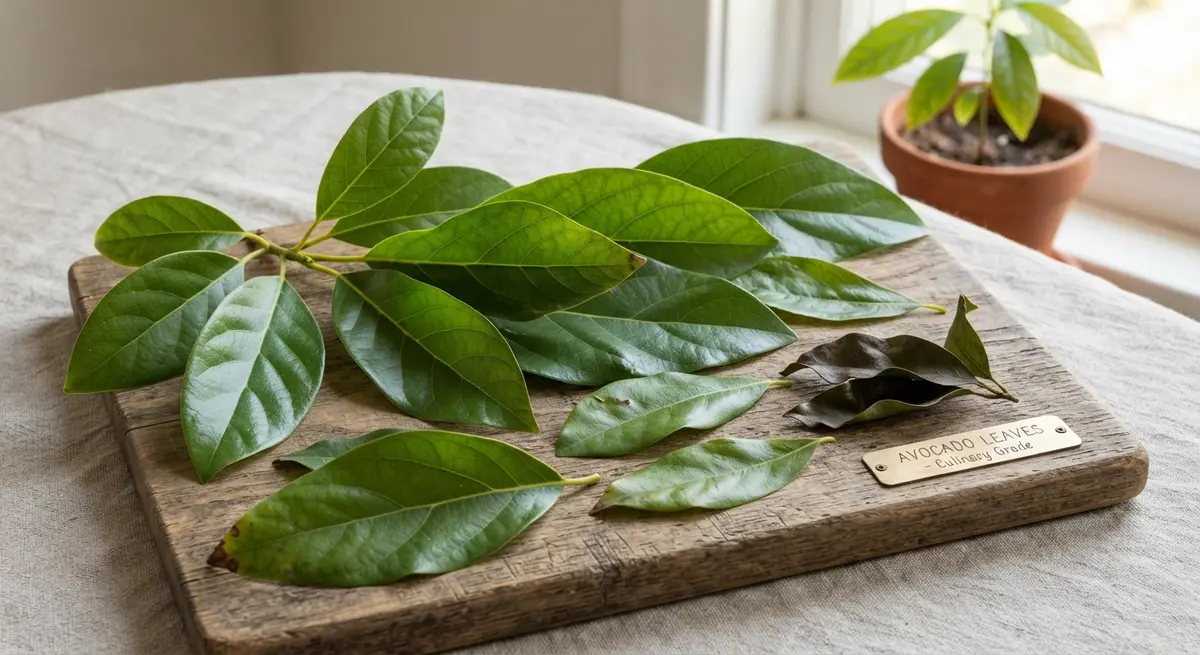
Avocado leaves are Mexican cooking's shyest seasoning, and the one most visitors never find. Dried, ground leaves of the avocado tree (Persea americana) are sold in Mexican markets as hoja de aguacate, and they add an unmistakable anise perfume that no other spice covers. They flavor black beans, wrap tamales, and infuse barbacoa with a dark, licorice-tinged, faintly herbal warmth.
Used whole they behave like bay leaves — slipped into pots and removed later; ground, they shake on like a fine seasoning that lands somewhere between bay, fennel, and tarragon. It is subtle enough to disappear, but take it away and people notice.
Flavor Profile & Notes
Dried avocado leaves smell like crushed fennel seed crossed with bay and a whisper of sweet black licorice. The anethole-based anise note is softer than licorice candy — more tarragon, warmer, rounder — with a green, herbaceous body that keeps it savory. Whole leaves infuse slowly and hold up to long braises; ground powder delivers the anise-and-green burst instantly. Toast them only briefly, if at all: heat drives the perfume away and sharpens a bitter, herbal edge. Grind whole leaves into your own blend if you can; pre-ground hoja de aguacate stays alive for months but fades faster.
Health Benefits & Nutrition
Avocado leaves have been a traditional digestive herb in Mexican food culture, and they contain volatile oils with anise-like aromatics plus a little tannin. The reality check: the leaves are used in small culinary quantities, carry no major nutrients worth boasting about, and medicinal claims are unproven. What you can say confidently: a leaf in beans adds flavor and fiber at essentially zero calories. Buy commercial culinary leaves rather than foraging garden-variety avocado trees, and rely on the label, as with any dried spice.
Best Culinary Pairings
Put a single leaf in your pot of black beans, pinto beans, or refried beans and let it perfume the whole batch. Wrap a leaf around fish or chicken for steaming, tuck it into corn tamales, and add it to barbacoa, tinga, and menudo. Ground leaves season rice, soups, salsas, and even egg dishes. It teams with epazote, cumin, garlic, onion, and mole ingredients. A simple celebration: infuse a leaf into the water when making rice, then fluff with lime and cilantro.
Quick Substitutes
Tarragon brings the anise note but none of the herbaceous depth — use a pinch. Fennel seed plus a bay leaf covers the anise-and-green combo faithfully. Fresh Mexican tarragon (tagetes lucida) is the closely related anise herb; a few leaves in the pot approximate hoja de aguacate. Where sweetness isn't needed, bay leaf alone is the safe baseline. Nothing has the exact black-licorice-and-green of the real leaves, so when you can find them, buy extra.
FAQ / Quick Facts
- How do I use whole leaves? Like bay leaves — slide them into beans or stews and remove before serving.
- Do they need toasting? No; keep them bright, since heat drives away their anise perfume.
- What does it taste like? Anise, fennel, tarragon, and bay with a soft, sweet-licorice finish.
- Botanical family: Lauraceae / Form: dried whole leaves or ground / Best uses: beans, tamales, barbacoa, rice, soups.
Related Articles
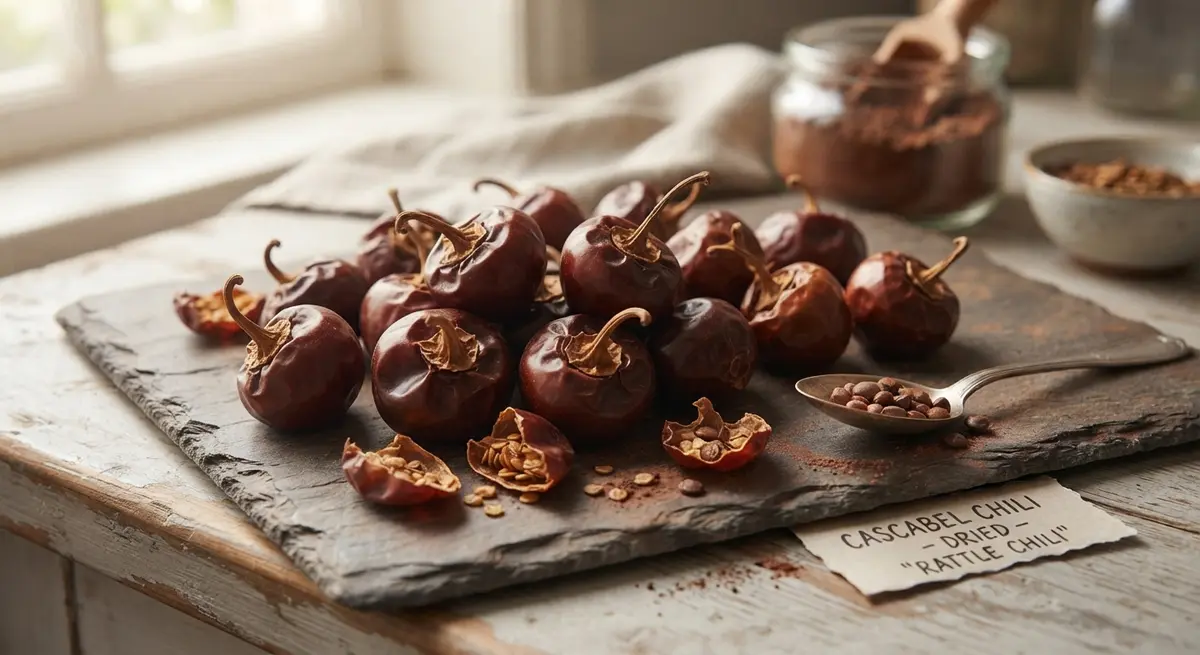
Cascabel Chili: Flavor Profile, Health Benefits & Culinary Uses
A rust-colored Mexican chili that rattles like a maraca and tastes like toasted nuts. Mild heat, deep flavor, and dozens of simmered uses.
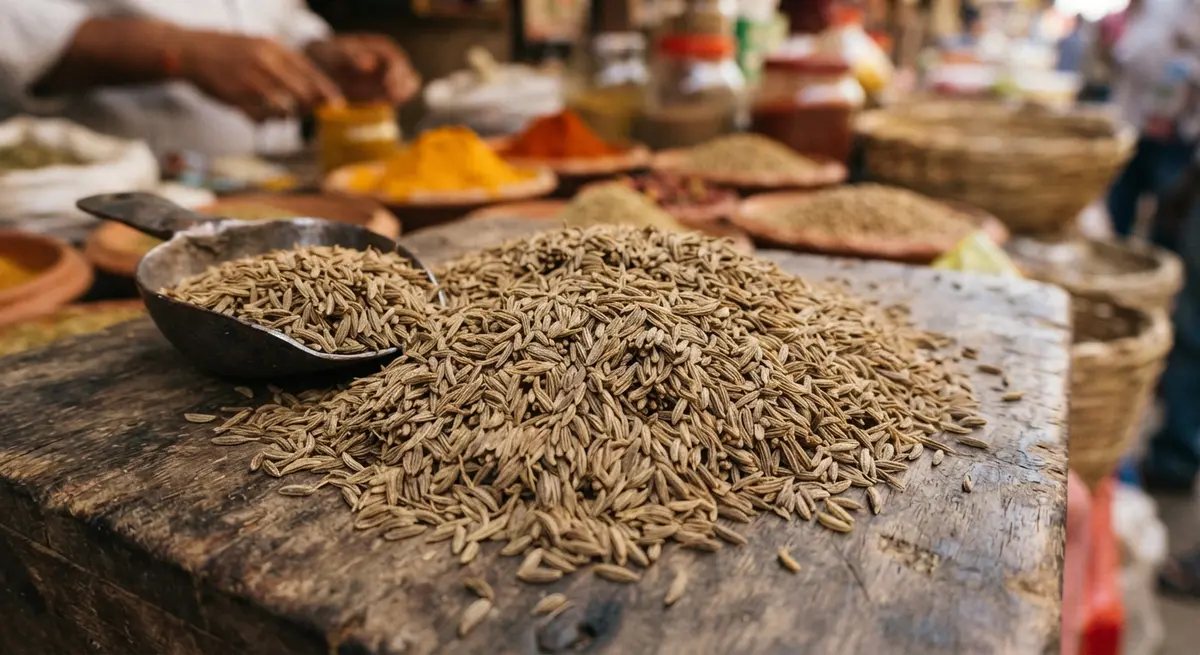
Cumin: Flavor Profile, Health Benefits & Culinary Uses
Cumin smells dusty raw and brilliant toasted. It is the backbone of tacos, curries, and chili, and one toasting habit will make you taste the difference.
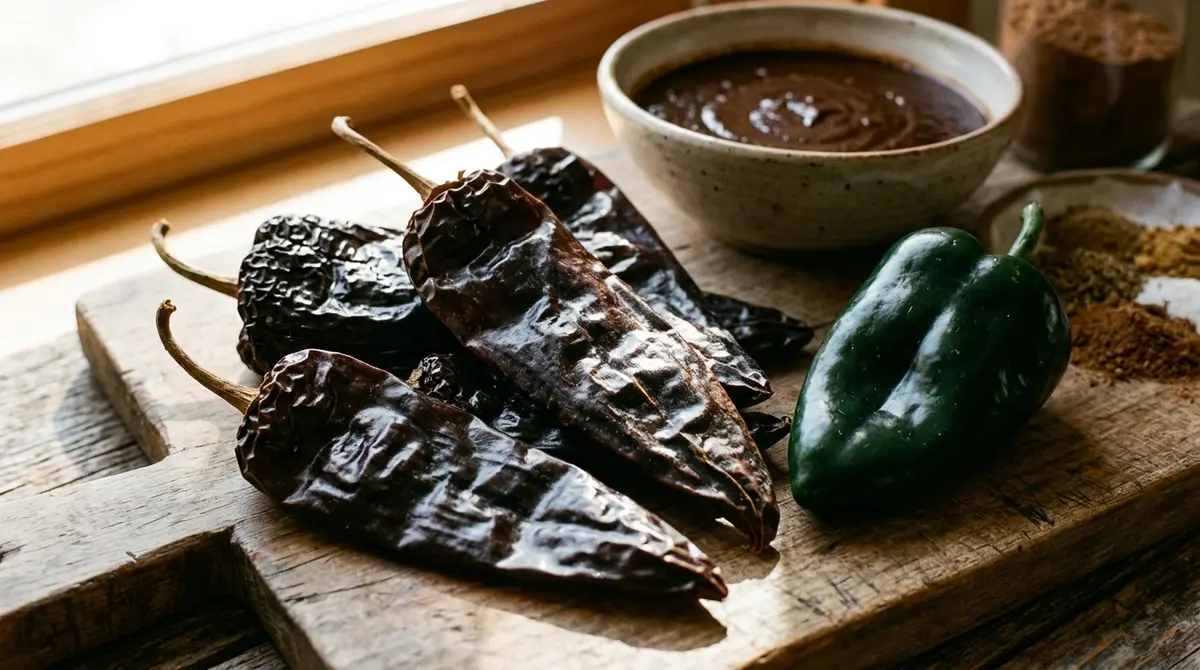
Mulato Chili: Flavor Profile, Health Benefits & Culinary Uses
The third chord of mole with a raisin, coffee, and cocoa soul. How it differs from ancho, how hot it runs, and where it works best.
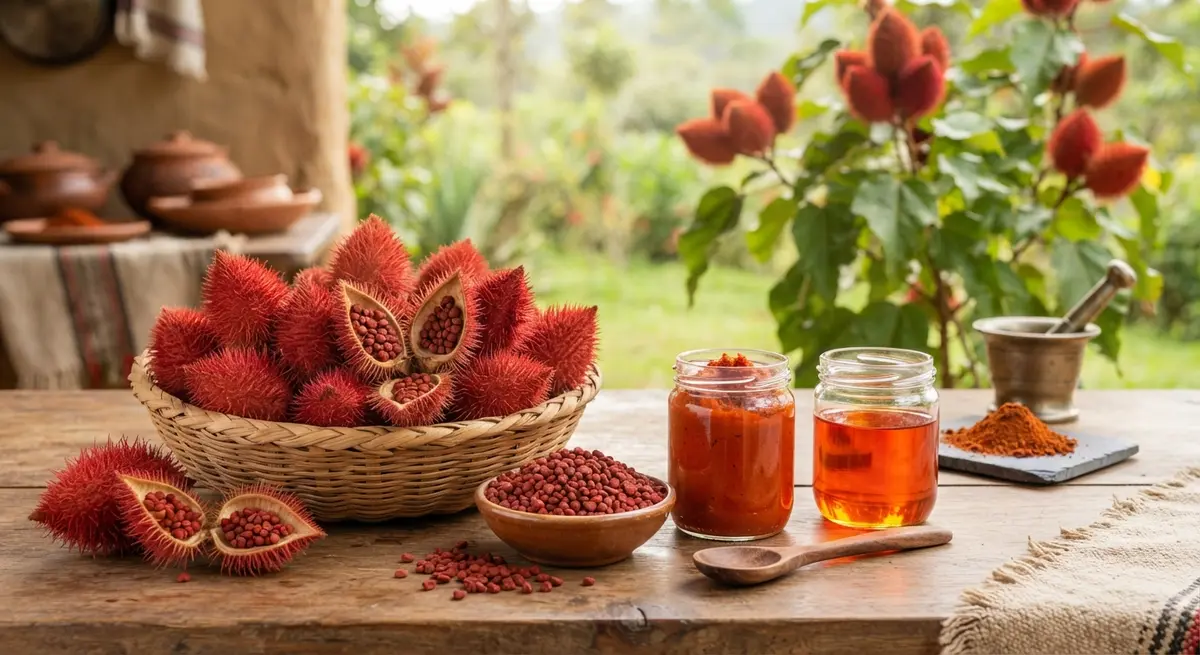
Achiote (Annatto): Flavor Profile, Health Benefits & Culinary Uses
Tiny coral-red seeds that paint food golden: the annatto tree's achiote, how to use the seeds and the Yucatan paste, and honest color substitutes.
About the Authors
This recipe and guide was developed, tested, and approved in our home kitchen and daily life. Jamy is a retired Food Service District Manager and Early Childhood Program Manager who spent his career overseeing multi-site restaurant operations, large-scale culinary production, and daycare menu management. Kaïna brings the ultimate real-world test: making sure it brings ease and joy to our kids on a busy weeknight.
Read more about our professional background and philosophy →