Brown Mustard Seeds: Flavor Profile, Health Benefits & Culinary Uses
By the QuiteRecipes team (Jamy & Kaïna)
Most jars labeled 'black mustard' actually hold brown seeds from Brassica juncea. Here is how their medium-hot pungency makes Dijon and stars in Indian cooking.
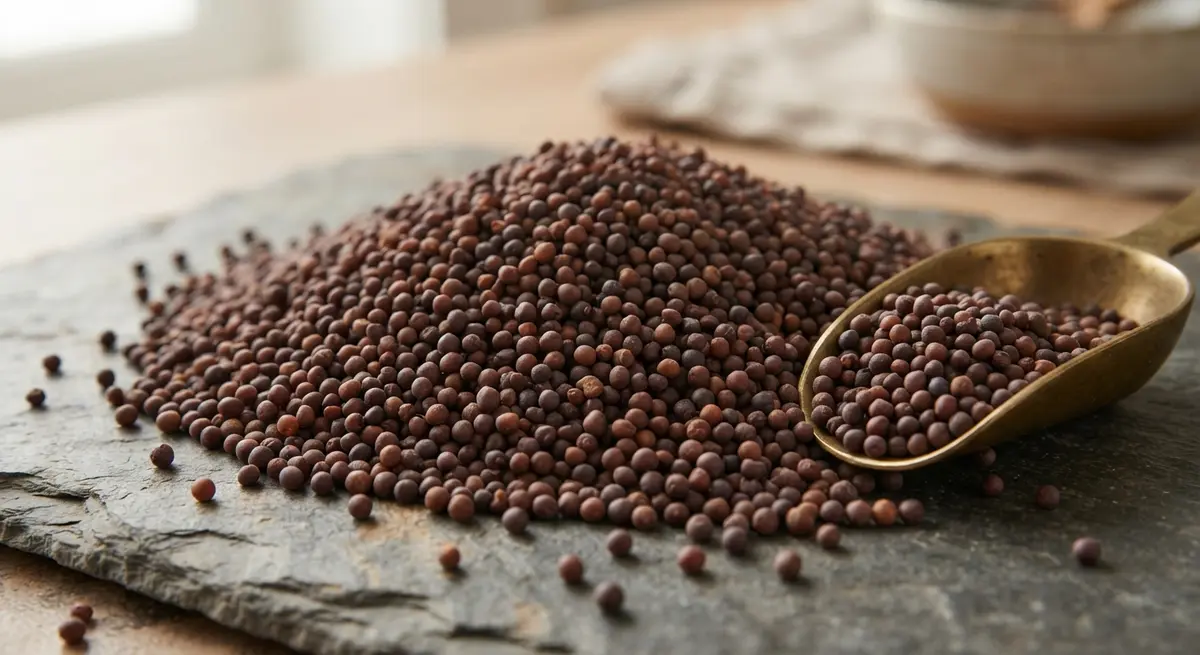
Here is the sort of confusion that keeps spice writers employed: most of what is sold as "black mustard seeds" in stores is actually brown. True black seeds — Brassica nigra — are tiny and rare on commercial shelves; the roundish, medium-brown seeds filling most jars labeled "black" are Brassica juncea, the brown mustard plant that also gives us Chinese mustard and the leaves of mustard greens. Brown is what the industry grows because it machines and harvests without shattering.
It sits neatly between its siblings in heat: more pungent than white mustard, a touch less fierce than true black. That sweet-spot pungency makes it the mustard seed of globe-trotting condiments, and a reliable friend in the tempering spoon.
Flavor Profile & Notes
Brown mustard seeds are modestly pungent when whole and raw — a dry warmth more than a sinus slap — but crush them and meet them with liquid and they bite properly, with the classic mustard heat kicking in seconds later. They pop nicely in hot oil, going darker and nuttier than black seeds and slightly toasted, making them the default tempering seed in most American and Indian kitchens that think they are using black. The flavor is cleaner than white mustard and deeper than black, with a savory, faintly spicy edge that lends itself to both daals and delis.
Health Benefits & Nutrition
Brown mustard seeds are the nutrition crown of the family in many ways: a solid amount of selenium, magnesium, and even calcium per spoonful, locked together with the same glucosinolate chemistry researchers link to antioxidant activity. Just as with black seeds, the volatile oil is an irritant in concentrated, medicinal doses, which is exactly why cooking is the point — heat and crushing release flavor where raw bulk would merely sting. In food, in tempering, in pickles, they are a pleasure with a modest health tailwind.
Best Culinary Pairings
These are the seeds of Dijon and grainy whole-grain mustards — soak them in vinegar and wine, crush, and you have a condiment that has driven French cuisine for centuries. Whole seeds belong in Indian tempering over dal and vegetable curries where their warmth lingers, in pickles and sauerkraut, and scattered over roasted cauliflower or crispy potatoes before they hit the oven. Sturdy braised pork and corned beef welcome whole brown seeds too, and a spoonful ground into a vinaigrette beats any bottled dressing.
Quick Substitutes
Since most "black" jars are brown anyway, black seeds swap one for one when you have the true kind. White mustard seeds work at a slightly looser ratio, about a third more, for a milder pop. Cumin seeds cover the warm-nutty pop of tempering without any mustard zing. For prepared mustard recipes, brown seed powder plus water and vinegar reconstructs Dijon more faithfully than any jar swap will.
FAQ / Quick Facts
- Is brown the same as black? No — but the industry named brown jars "black" for so long that the two are freely swapped at equal measure.
- Which mustard is it? Brown seeds make Dijon and Chinese and deli-style mustard; white makes American yellow.
- Know your spice: Brassica family; whole or ground; the pungent middle child behind Dijon and a million tarka meals.
Related Articles
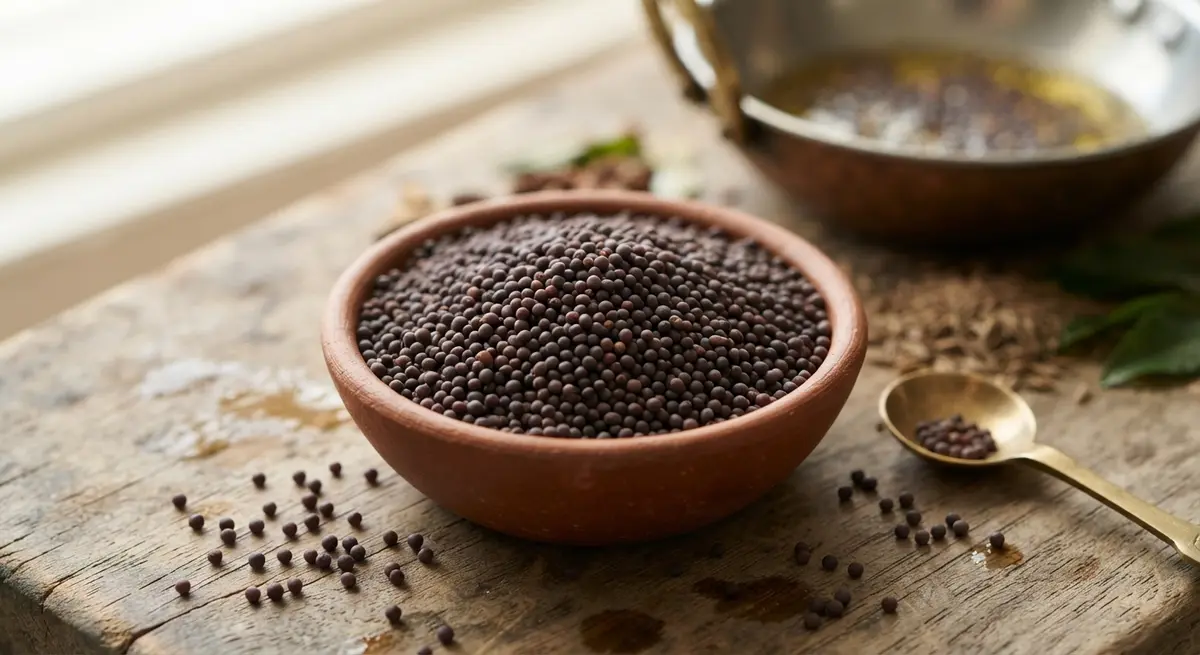
Black Mustard Seeds: Flavor Profile, Health Benefits & Culinary Uses
The tiny dark seeds that pop and sputter in hot oil are black mustard, the hottest of the family. Here is how to cook them the Indian way and where to swap.
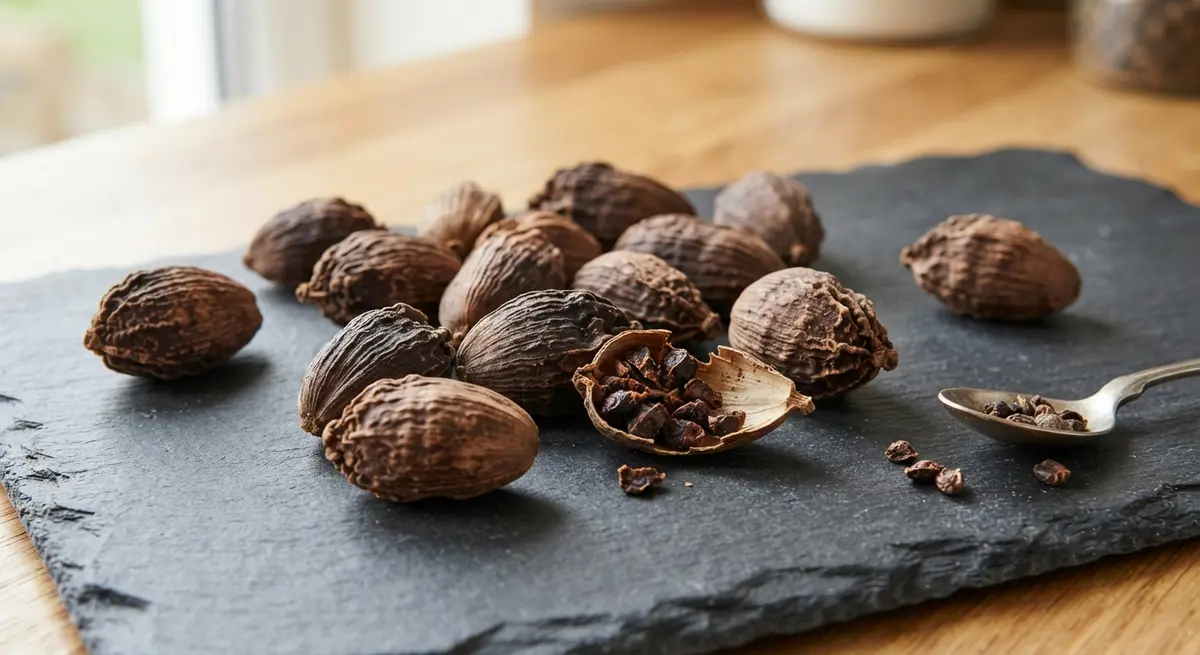
Brown & Black Cardamom: Flavor Profile, Health Benefits & Culinary Uses
The big wrinkled black pods sit next to green cardamom but come from a different species and taste like campfire. Here is where smoky black cardamom belongs.
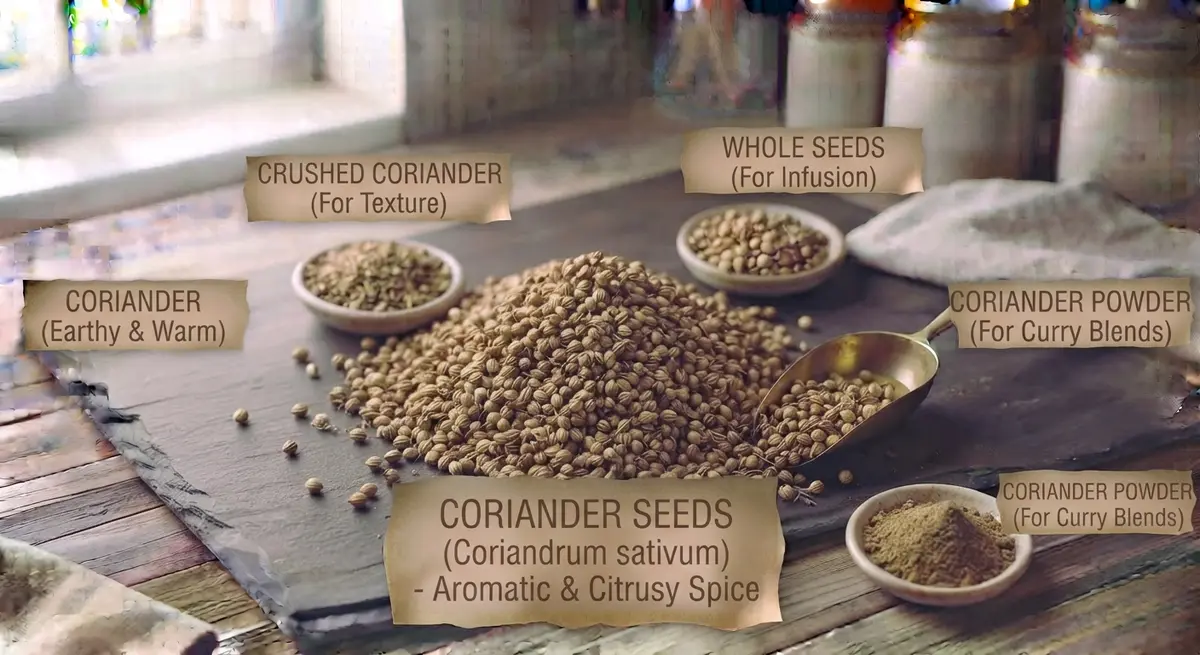
Coriander Seeds: Flavor Profile, Health Benefits & Culinary Uses
Coriander is the seed of the cilantro plant, and it confuses everyone by tasting nothing like cilantro. Warm, citrusy, and brighter than you expect, here is the how-to.
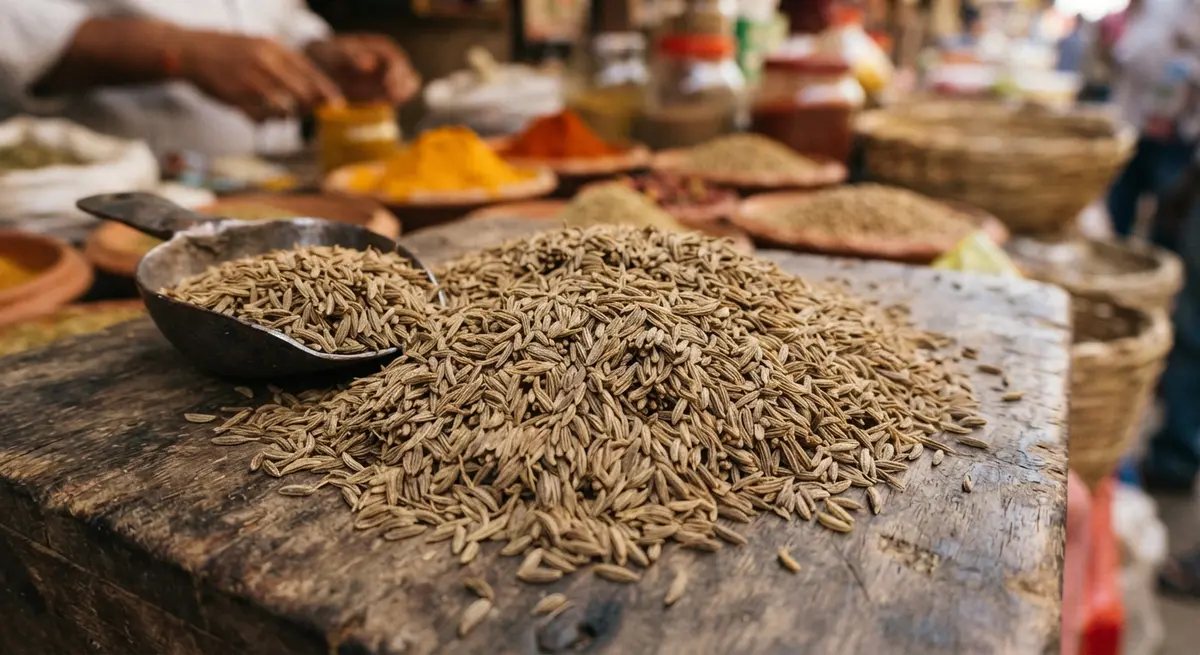
Cumin: Flavor Profile, Health Benefits & Culinary Uses
Cumin smells dusty raw and brilliant toasted. It is the backbone of tacos, curries, and chili, and one toasting habit will make you taste the difference.
About the Authors
This recipe and guide was developed, tested, and approved in our home kitchen and daily life. Jamy is a retired Food Service District Manager and Early Childhood Program Manager who spent his career overseeing multi-site restaurant operations, large-scale culinary production, and daycare menu management. Kaïna brings the ultimate real-world test: making sure it brings ease and joy to our kids on a busy weeknight.
Read more about our professional background and philosophy →