Brown & Black Cardamom: Flavor Profile, Health Benefits & Culinary Uses
By the QuiteRecipes team (Jamy & Kaïna)
The big wrinkled black pods sit next to green cardamom but come from a different species and taste like campfire. Here is where smoky black cardamom belongs.
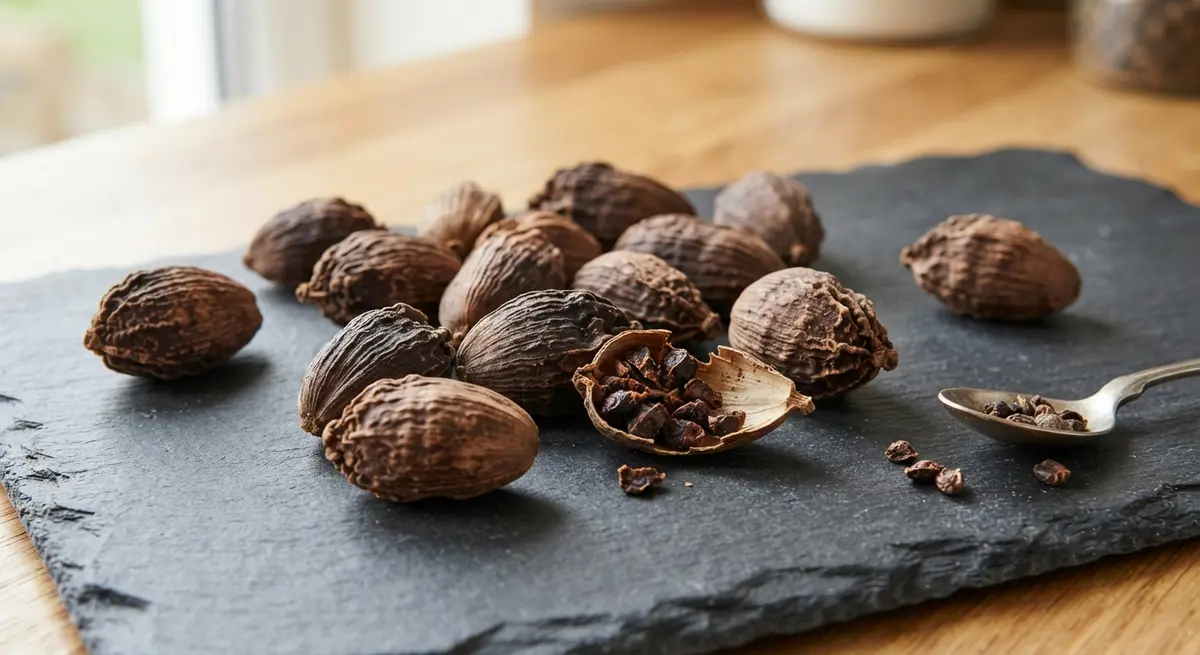
Look at the two jars side by side — the small, smooth, pale-green pods and the big, wrinkled, nearly-black ones — and you would never guess they share a name. They share a family but not a species: black cardamom is Amomum subulatum, grown in the Himalayan foothills, and whereas green pods are dried gently, the dark ones are laid over open flames until they soak in smoke. Same family line, entirely different party.
That fire-cured character is the whole story: black cardamom is savory, camphorous, and smoky, built for slow braises and dals where green cardamom's perfume would evaporate.
Flavor Profile & Notes
Black cardamom tastes dark and resinous — smoky first, with camphor, eucalyptus, and a hint of menthol underneath, plus a touch of pepper warmth. Its flavor is rough and masculine compared to green cardamom's flower sweetness. The pods are tough and woody, so they simmer whole in covered pots rather than being chewed or cooked fine, and recipes always tell you to fish them out before serving. Because the aroma is robust where green's is fleeting, black cardamom shrugs off long braising and even deep-stews beautifully.
Health Benefits & Nutrition
Black cardamom brings the same mild antioxidant and digestive tradition as its green sibling, plus a little of the respiratory warmth that mountain cultures value in the humid highlands — it appears in spice blends and teas where green cardamom would feel out of place. Use it in ordinary cooking amounts, as a seasoning that sits in the pot for flavor and comes out before the meal, and there is nothing to manage beyond enjoying it.
Best Culinary Pairings
Black cardamom is a braising spice first: it belongs in biryani, dal makhani, slow lamb curries, and rich northern Indian gravies, where it adds a smoke-and-earth depth that green cardamom cannot. It shows up in pho-adjacent Chinese braises, in garam masala for hearty meat dishes, and even in hearty root-vegetable stews. A single crushed pod in a simmering pot of red lentils or short ribs quietly changes the character of the whole batch. Remove the pod before serving.
Quick Substitutes
There is no clean swap for its smoke, and that is worth saying plainly. In a savory braise, a star anise pod adds a licorice-wood depth, or a half teaspoon of smoked paprika plus a pinch of ground green cardamom fakes the campfire edge. In garam masala, increase the cumin and cloves slightly. Green cardamom should not substitute for sweet uses of black, not the reverse. Add the closest stand-in and taste — the dish will be good, just softer.
FAQ / Quick Facts
- Can I use black and green cardamom interchangeably? No — green is sweet and floral, black is smoky and camphorous, for savory pots only.
- Where does the smoky taste come from? The pods are dried over open flames, and they carry that fire into everything they braise.
- Know your spice: Zingiberaceae family; whole wrinkled pods; the warm smoke of biryani, dals, and slow curries.
Related Articles
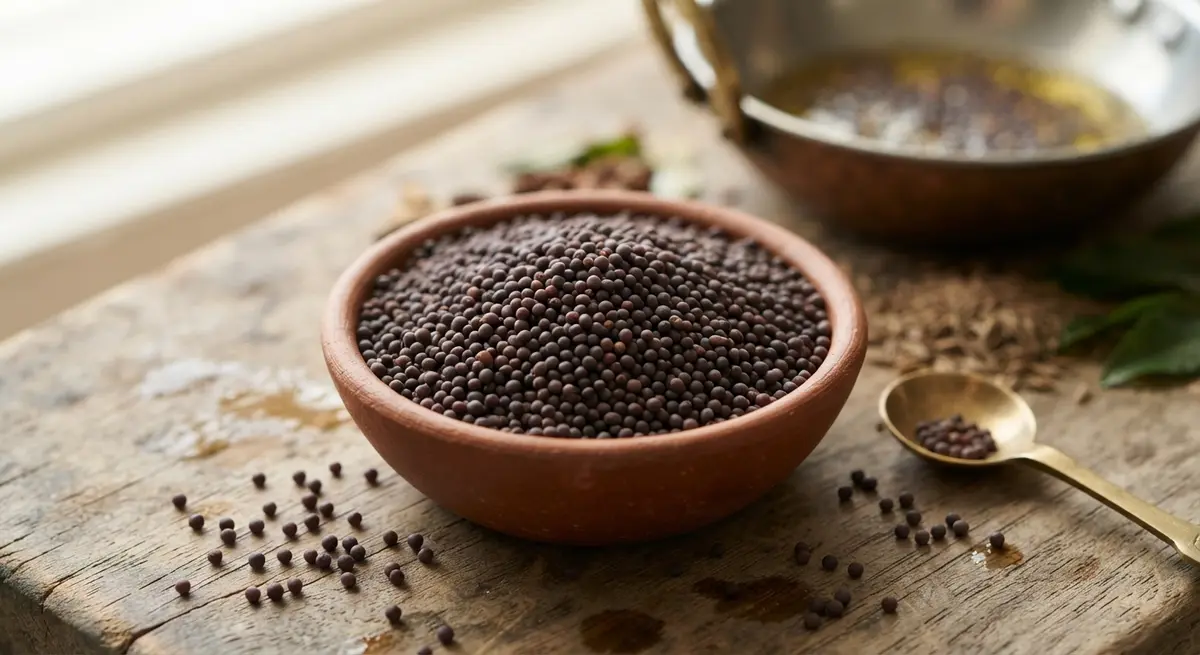
Black Mustard Seeds: Flavor Profile, Health Benefits & Culinary Uses
The tiny dark seeds that pop and sputter in hot oil are black mustard, the hottest of the family. Here is how to cook them the Indian way and where to swap.
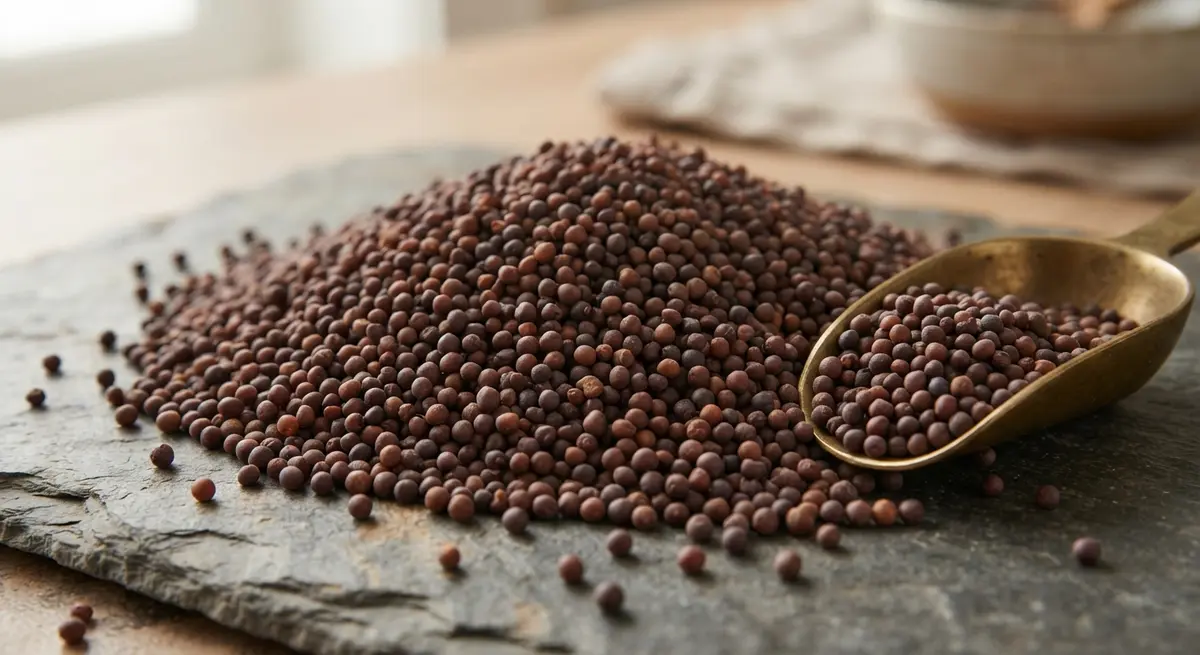
Brown Mustard Seeds: Flavor Profile, Health Benefits & Culinary Uses
Most jars labeled 'black mustard' actually hold brown seeds from Brassica juncea. Here is how their medium-hot pungency makes Dijon and stars in Indian cooking.
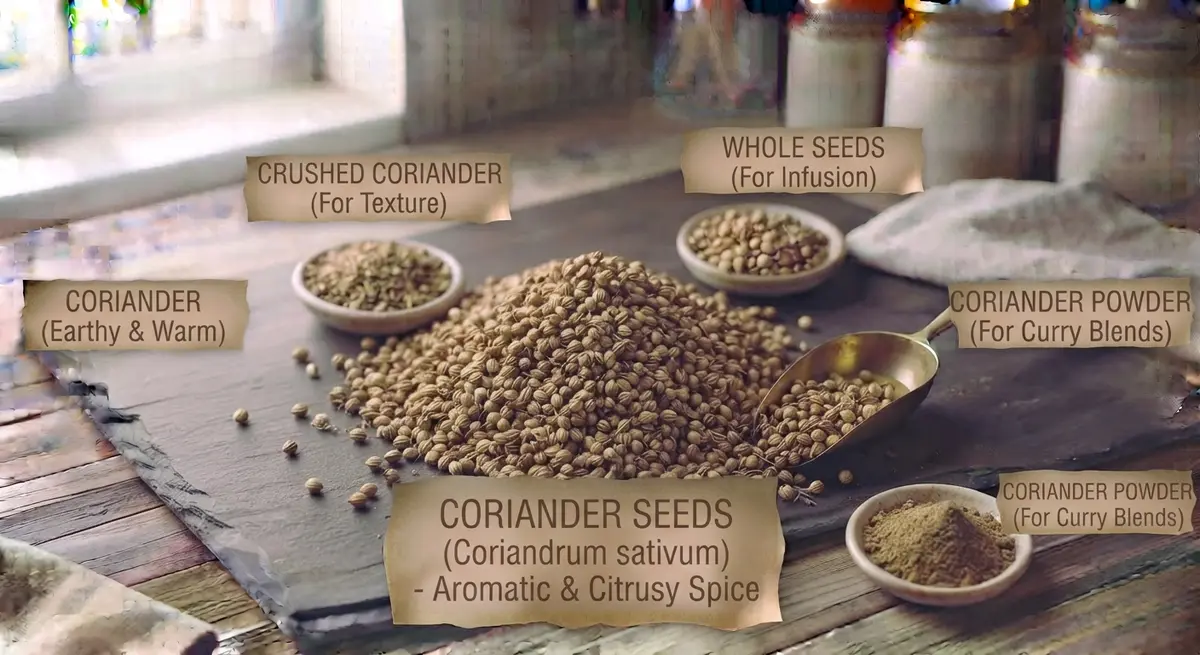
Coriander Seeds: Flavor Profile, Health Benefits & Culinary Uses
Coriander is the seed of the cilantro plant, and it confuses everyone by tasting nothing like cilantro. Warm, citrusy, and brighter than you expect, here is the how-to.
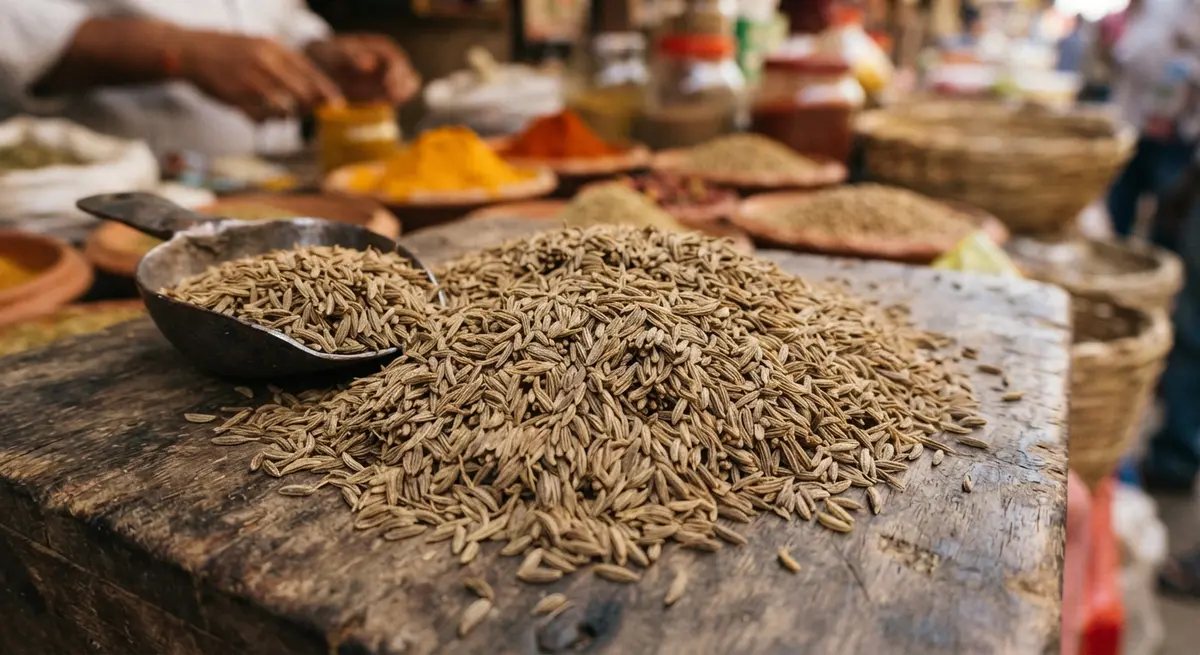
Cumin: Flavor Profile, Health Benefits & Culinary Uses
Cumin smells dusty raw and brilliant toasted. It is the backbone of tacos, curries, and chili, and one toasting habit will make you taste the difference.
About the Authors
This recipe and guide was developed, tested, and approved in our home kitchen and daily life. Jamy is a retired Food Service District Manager and Early Childhood Program Manager who spent his career overseeing multi-site restaurant operations, large-scale culinary production, and daycare menu management. Kaïna brings the ultimate real-world test: making sure it brings ease and joy to our kids on a busy weeknight.
Read more about our professional background and philosophy →