White Turmeric (Zedoary): Flavor Profile, Health Benefits & Culinary Uses
By the QuiteRecipes team (Jamy & Kaïna)
Pale, bitter, and faintly mango-like, zedoary is the white turmeric that Indian pickles from south to north have quietly relied on for centuries.
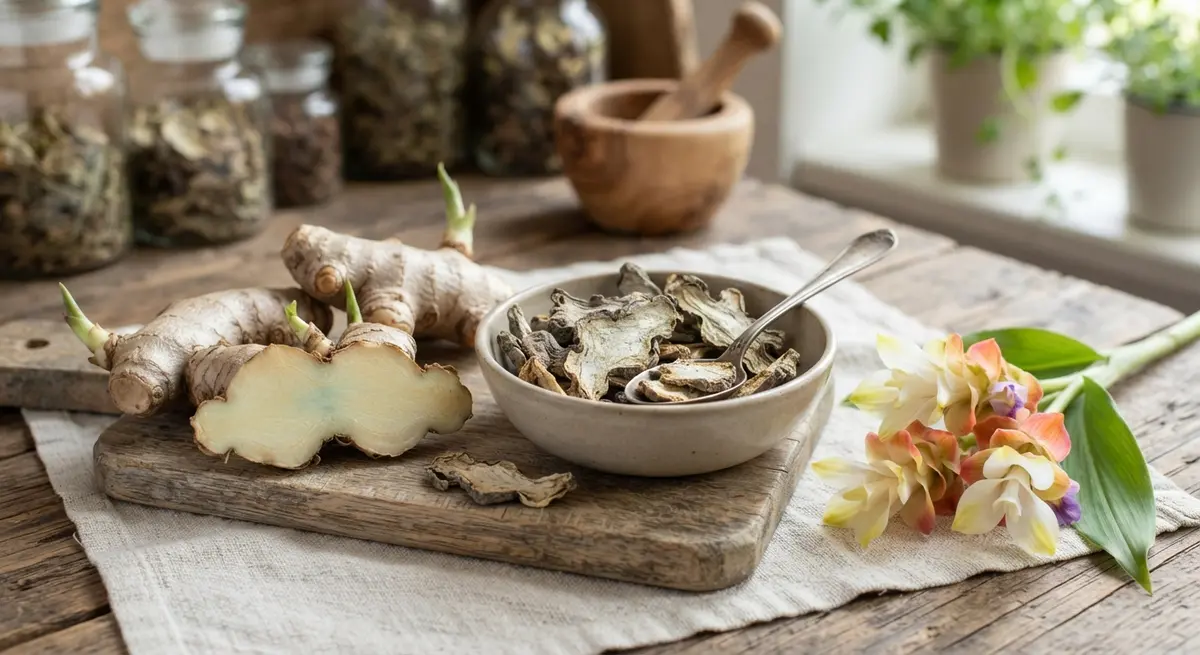
Walk through a south Indian market in season and you will spot the odd one out in the turmeric pile: a pale finger of a root, cream colored inside with a bitter-almond smell, no orange in sight. That is zedoary — called white turmeric, though it shares neither the color nor the warmth of its famous cousin. Botanically it is Curcuma zedoaria, a true member of the turmeric clan, and Indian cooks have been pressing it into service for pickles and chutneys for as long as memory holds. In Japan it shows up ground and used in traditional preparations, and Thai markets sell the young shoots as a raw vegetable.
Flavor Profile & Notes
White turmeric is a flavor of contrasts. Fresh, it has an almost mango-like tang with a bitter edge, and the finish turns camphor-clean and a little medicinal. It does not stain like yellow turmeric at all, which is exactly why it appears in light-colored pickles and preparations where cooks want flavor without the golden mess. Dried and ground, zedoary becomes more camphorous and bitter, closer to dried ginger root with a shoulder chip on it. The young, tender roots eaten fresh are milder and crunchier; the older roots are the ones you grind and cook.
Health Benefits & Nutrition
Zedoary carries the same family of curcuminoid and essential-oil compounds that got its yellow relative all that attention, and lab research has looked at its antioxidant and anti-inflammatory activity. But here is the kitchen truth: the amounts used in a pickle have as much to do with aroma as with health. The root contributes fiber, trace potassium, and manganese along the way, and its camphor notes are genuinely appetizing before a rich meal. Keep expectations honest — a slice in a jar is flavor, not therapy — and anyone using it for anything other than taste should check with a doctor first.
Best Culinary Pairings
Its classic job is pickling: think mango pickles, lime pickles, and mixed south Indian avakai where zedoary slices age right along with the fruit and pick up brine beautifully. It also holds up in chutneys and in lentil dishes where you want a subtle bitter note to balance sweetness. Fresh white turmeric can be sliced thin and stir-fried with mustard seeds and curry leaves, or grated into a northern-style curry base. It pairs naturally with salt, chili, asafoetida, and mustard oil — bold, brash companions that match its personality.
Quick Substitutes
Yellow turmeric plus a whisper of fresh ginger gets you most of the way for color and body, though you will lose the mango tang. Fresh ginger root is the gentlest pinch-hitter in cooked dishes. Dried galangal covers the camphor note better than almost anything. Honest truth: nothing reproduces that sour-bitter, camphor finish, so when a specific pickle recipe calls for it, hunt it down fresh rather than improvising.
FAQ / Quick Facts
- How long does fresh zedoary keep? About two weeks unwrapped in the fridge; peeled and frozen it keeps for months.
- What does it taste like? Mango-sour and bitter up front, with a camphor-clean, almost medicinal finish.
- Botanical family / Form: Zingiberaceae; fresh rhizome, dried slices, and powder. Best uses: Indian pickles and chutneys.
Related Articles
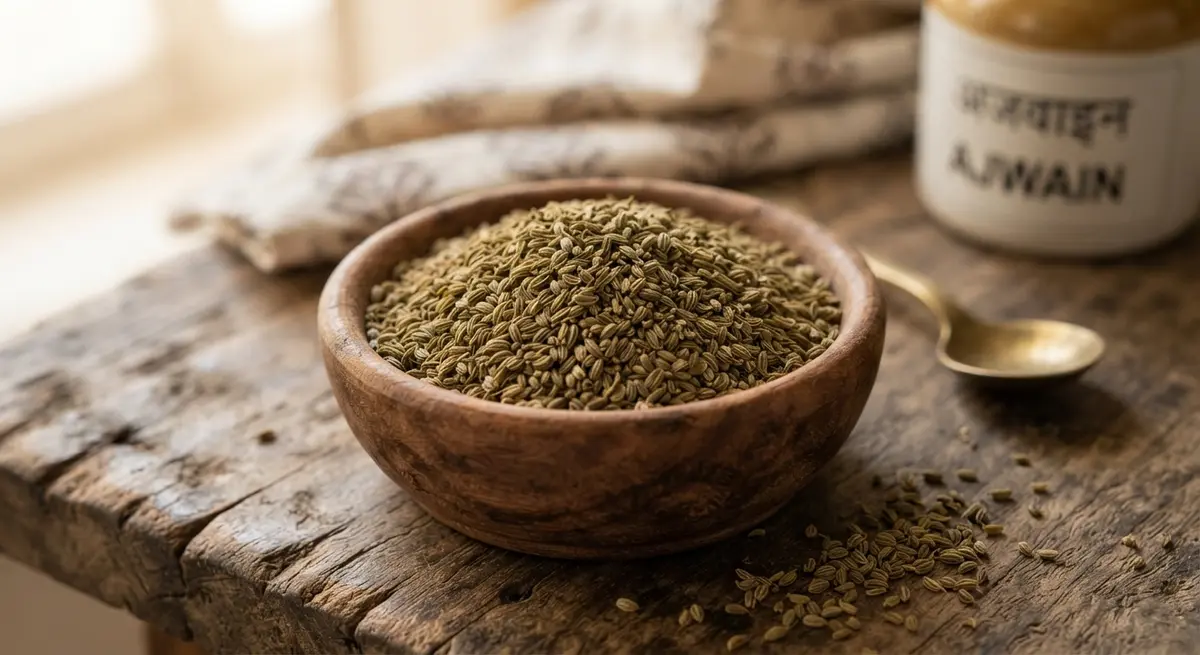
Ajwain (Carom) Seeds: Flavor Profile, Health Benefits & Culinary Uses
A tiny gray-brown seed that tastes like thyme, oregano, and cumin had a baby with a timer fuse. Here is how and why Indian kitchens use ajwain.
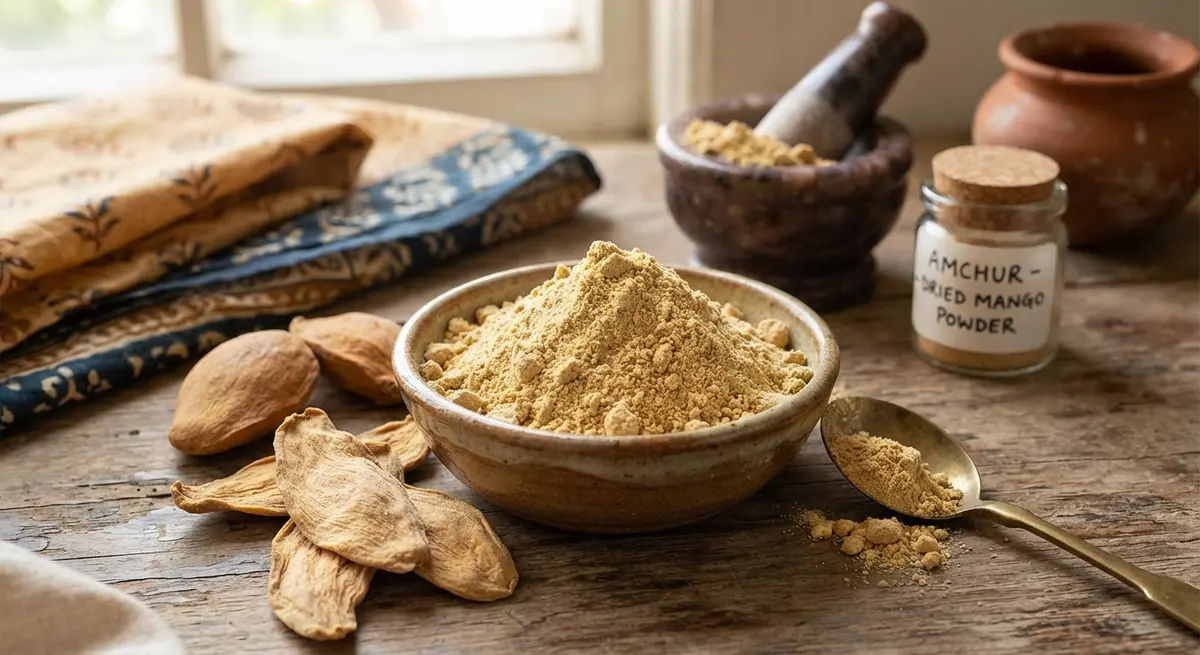
Amchur (Green Mango Powder): Flavor Profile, Health Benefits & Culinary Uses
Powdered green mango that adds bright sour notes without a drop of liquid. Amchur turns snack mixes, dry rubs, and curries tart in one shake.
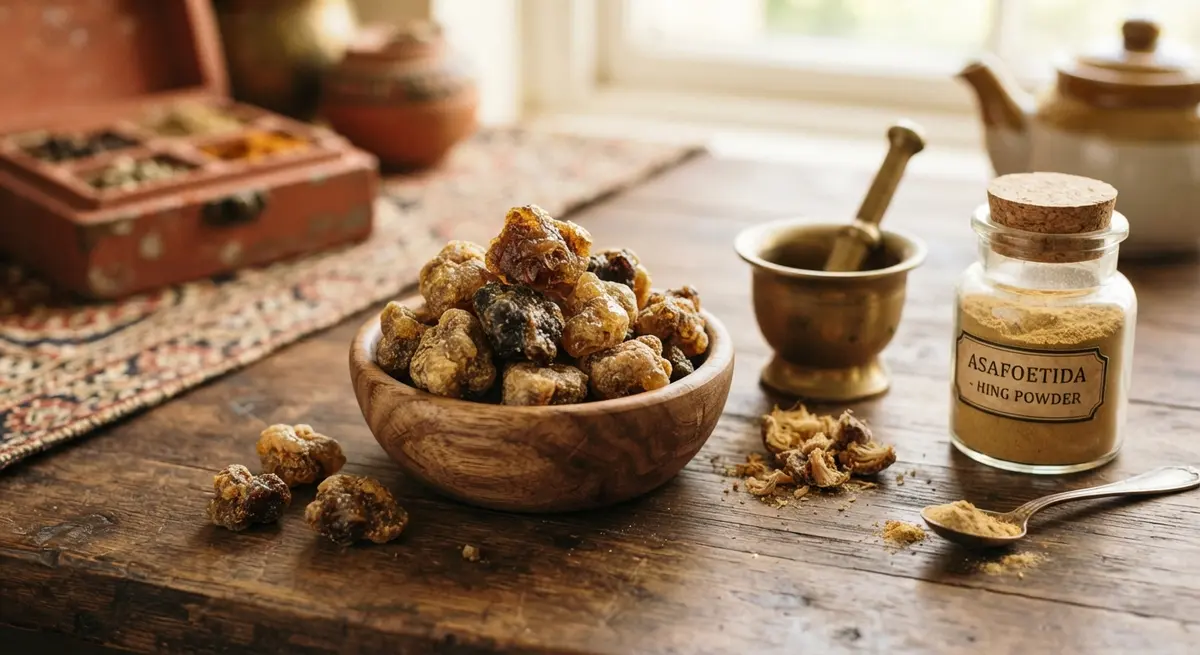
Asafoetida (Hing): Flavor Profile, Health Benefits & Culinary Uses
The worst-smelling raw spice in the world turns into quiet onion-garlic gold the moment it hits hot oil. Here is the one rule for using hing without fear.
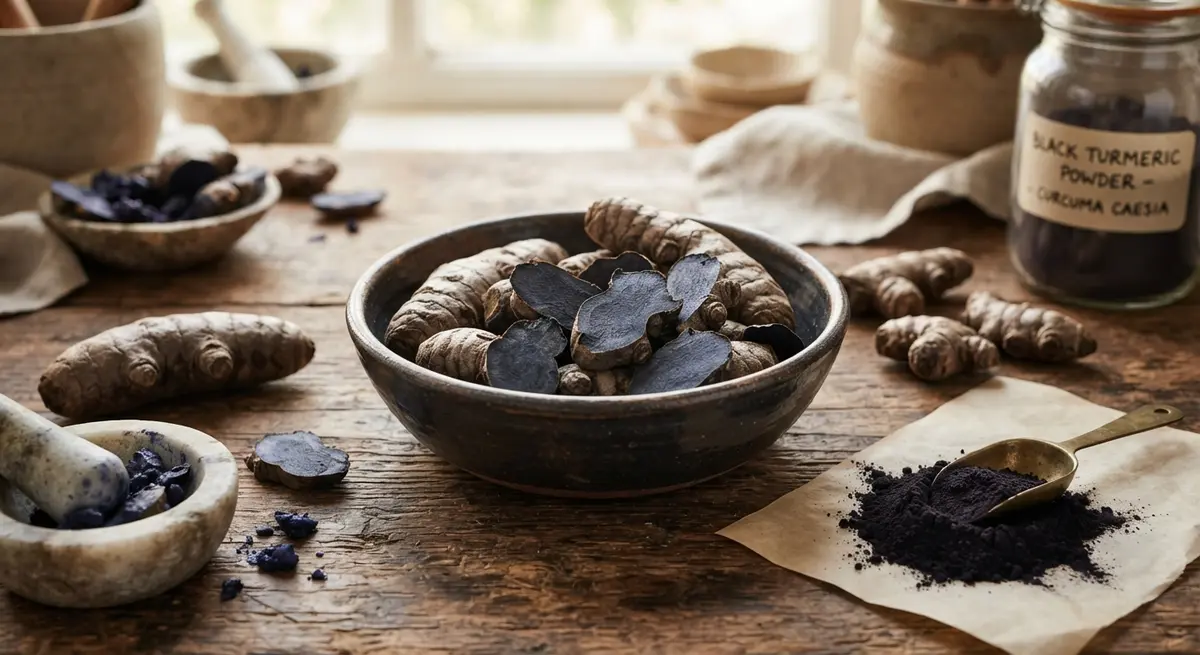
Black Turmeric: Flavor Profile, Health Benefits & Culinary Uses
The wild dark turmeric of eastern India, camphor-strong and almost blue inside: what black turmeric is, how it stuns cooks, and its honest uses in the kitchen.
About the Authors
This recipe and guide was developed, tested, and approved in our home kitchen and daily life. Jamy is a retired Food Service District Manager and Early Childhood Program Manager who spent his career overseeing multi-site restaurant operations, large-scale culinary production, and daycare menu management. Kaïna brings the ultimate real-world test: making sure it brings ease and joy to our kids on a busy weeknight.
Read more about our professional background and philosophy →