Wild Mushroom Powder: Flavor Profile, Health Benefits & Culinary Uses
By the QuiteRecipes team (Jamy & Kaïna)
The forest-floor flavor bomb that makes everything taste like it simmered all day. Which mushrooms shine, how to grind, and the sourcing rule.
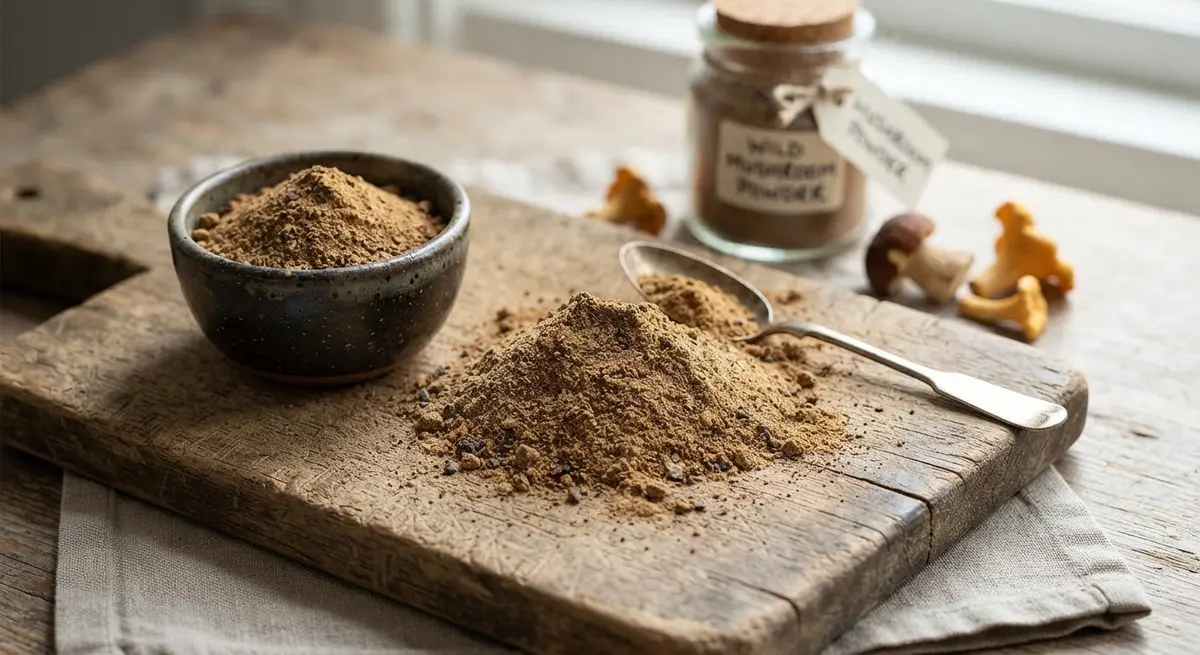
Mushroom powder is cheating, and every chef knows it. Dry a pound of mushrooms, grind them fine, and you have a dark, umami-weapon seasoning that turns a pot of beans, a pan of rice, or a bowl of soup into something that tastes like it simmered all day. Wild mushrooms like porcini, morel, and chanterelle add a depth commercial button mushrooms cannot reach — forest-floor intensity, smoky sweetness, and a savory wallop.
One sourcing rule governs the whole ingredient: know your mushroom. Foraged fungi must be identified by an expert before eating; the very same powder that could carry pristine flavor could carry a deadly mistake. Buy from trusted foragers or confirm your own identification carefully.
Flavor Profile & Notes
Wild mushroom powder concentrates everything mushrooms do well: the savory, meaty, almost brothy umami of a dried porcini is amplified tenfold by grinding. Porcini powder gets chocolatey-earthy depths; morels bring smoky richness and fruit; chanterelles are apricot and delicate; even cremini becomes creamy mushroom-ketchup. The fine grind absorbs moisture, thickens sauces, and dusts food like a spice. Toast it lightly and you add hazelnut notes. It is perhaps the single best bouillon replacement in a vegetarian kitchen.
Health Benefits & Nutrition
Mushrooms are a rare vegetable source of vitamin D (especially when sun-exposed), plus B vitamins, selenium, copper, and the beta-glucan fiber studied for immune support. Drying preserves most of the protein and minerals, though some B vitamins are heat-sensitive. Sodium is naturally low, which makes the powder a potent salt-reduction seasoning. Two honest caveats: foraged mushrooms must be expert-identified, since some toxic species resemble choice ones, and dried powder is concentrated, so a spoonful is plenty. Anyone on blood thinners or managing gout should keep mushroom use moderate and check with a doctor if it becomes daily.
Best Culinary Pairings
Stir a teaspoon into pan sauces, gravies, braises, stews, and risottos; it rescues bland stock instantly. Dust it over roasted vegetables, popcorn, or fries with a little salt. Whisk it into burger patties or meatballs to double their savoriness. It transforms polenta, mashed potatoes, and scrambled eggs. Blend it with thyme and black pepper for a dry rub on steak or tofu. For a vegan umami bomb, mix porcini powder with tomato and soy in soup bases. It meets its match with garlic, thyme, wine, cream, and anything earthy.
Quick Substitutes
Low-sodium soy sauce or tamari brings immediate umami but adds liquid and salt. Tomato paste supplies savoriness and color. A blob of miso thinned in warm water offers similar depth. Dried porcini chips soaked and pureed approximate the powder without the fine texture. In spice blends, add a whisper of smoked paprika and a pinch of nutritional yeast for mushroom-like richness. Nothing fully matches powdered wild mushroom, but these get you the same up-front savor in a pinch.
FAQ / Quick Facts
- Do I need fresh wild mushrooms? No — high-quality dried porcini from a specialty grocer grind beautifully at home.
- How do I grind them? Dry fully, pulse in a spice grinder, and shake out dense fibers; fine powder keeps for months in a sealed jar.
- What does it taste like? Deep umami, earthy, lightly smoky, with forest-like complexity.
- Botanical family: varies (Boletaceae, Morchellaceae, Cantharellaceae) / Form: dried, ground / Best uses: sauces, gravies, rubs, soups, potatoes.
Related Articles
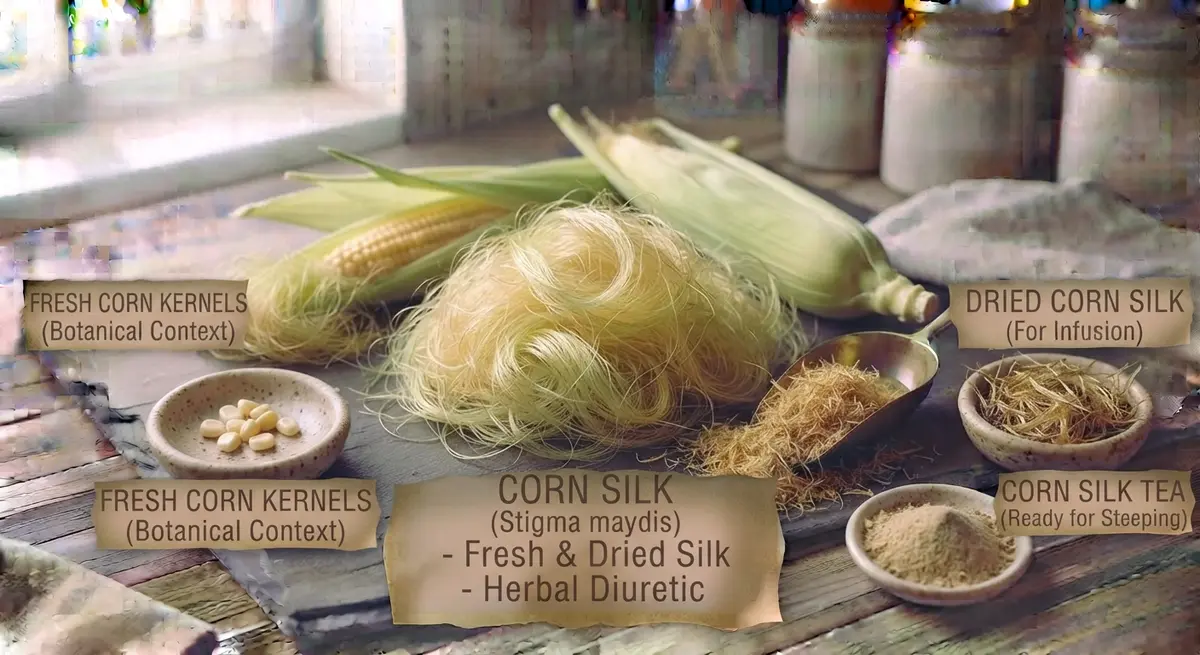
Dried Corn Silk: Flavor Profile, Health Benefits & Culinary Uses
The golden fringe from fresh corn brews a gentle, hay-sweet tisane. How to dry it, steep it, and blend it, plus honest cautions.
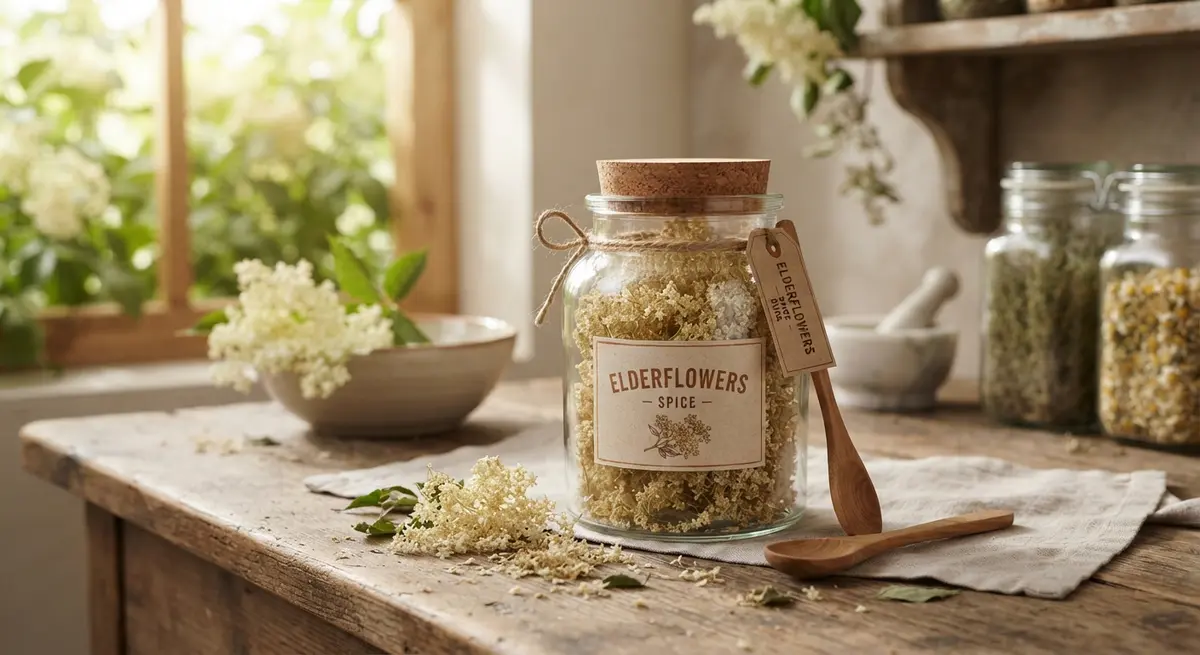
Dried Elderflowers: Flavor Profile, Health Benefits & Culinary Uses
The invisible backbone of a perfect summer: cream blooms with honey-pear perfume. Drying it, steeping cordial, and the lookalike cautions.
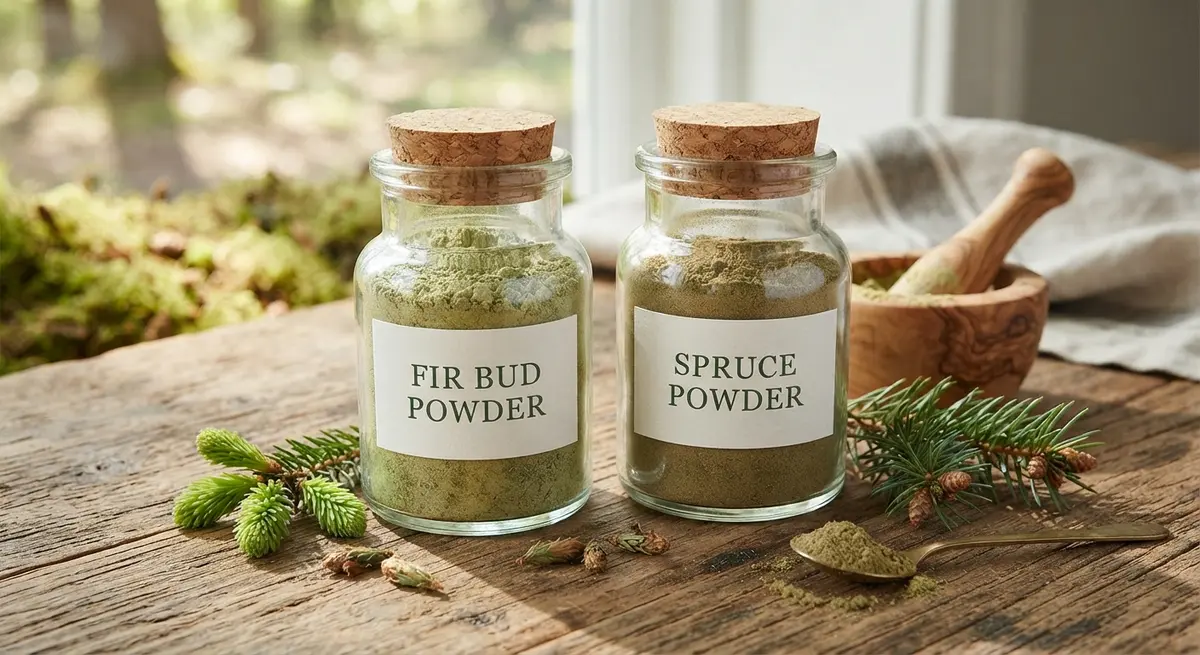
Dried Fir Bud & Spruce Powder: Flavor Profile, Health Benefits & Culinary Uses
Ground spruce tips are a fine-dining forest spice. When to dust, when to steep, how to identify safe conifers, and what plays well with pine.
Lovage Root: Flavor Profile, Health Benefits & Culinary Uses
The tallest, boldest member of the celery family — the root is where the flavor concentrates. Here's how much to use and where it excels.
About the Authors
This recipe and guide was developed, tested, and approved in our home kitchen and daily life. Jamy is a retired Food Service District Manager and Early Childhood Program Manager who spent his career overseeing multi-site restaurant operations, large-scale culinary production, and daycare menu management. Kaïna brings the ultimate real-world test: making sure it brings ease and joy to our kids on a busy weeknight.
Read more about our professional background and philosophy →