Water Chestnut Powder: Flavor Profile, Health Benefits & Culinary Uses
By the QuiteRecipes team (Jamy & Kaïna)
The starch and flour of the crunchy aquatic water chestnut: how to thicken, batter, and bake with it, from Chinese stir-fries to Indian fasting kitchens.
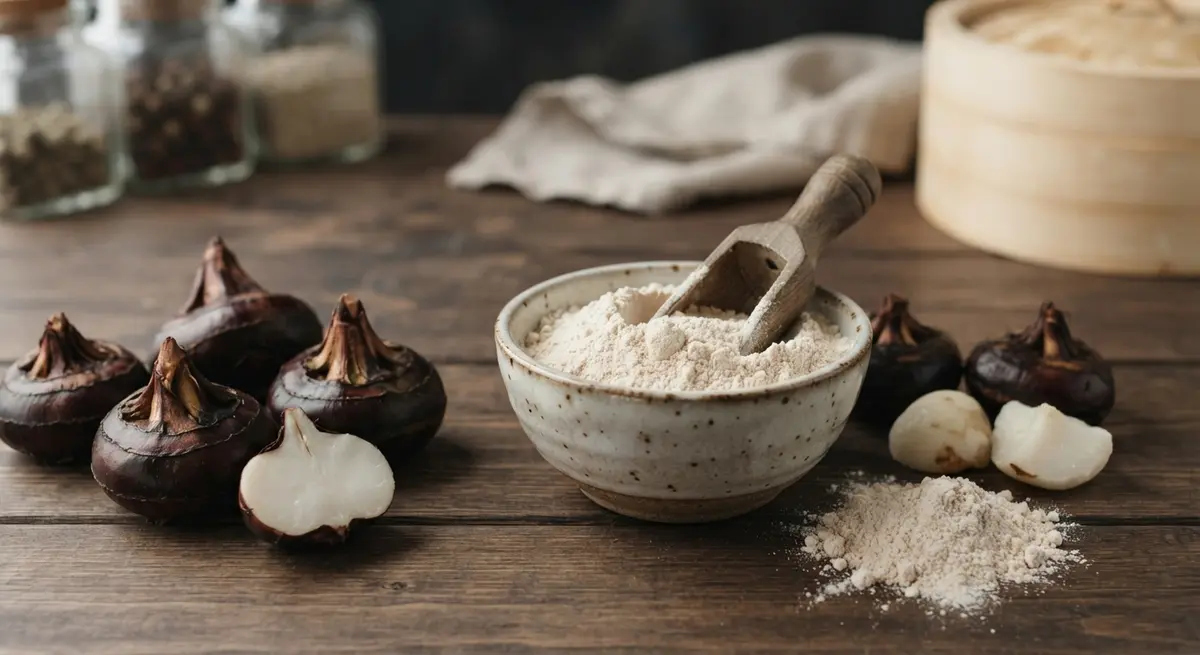
Every year at a Chinese restaurant there is a moment that reminds me how much mystery hides in plain sauces — and water chestnut powder is often the star behind it. The water chestnut is not a nut at all but the corm of an aquatic sedge (Eleocharis dulcis), beloved for that shattering crunch in stir-fries. Powder it, and you get a strain of the same plant in a different disguise: a fine, white, neutral-flavored starch that Chinese cooks use to thicken and glaze, and that shares its name with the Indian water chestnut flour (singhara) that feeds gluten-free fasting kitchens across India. Two organisms, one useful idea.
Flavor Profile & Notes
The powder tastes of very little — faintly sweet, faintly cereal, overwhelmingly clean — and that neutrality is the entire point. Water chestnut starch is a texture tool, not a flavor: it thickens soups and sauces into exactly the kind of clear, glossy, shimmering consistency classic stir-fries raise to an art, without dragging a cornstarch-like chalkiness behind it. In batters that crunch is famous: the same plant that crackles when fried whole gives the fried version its glassy, fragile shell. As powder it lasts forever and keeps its dignity in any dish you are willing to let it slide into.
Health Benefits & Nutrition
Water chestnuts are nutritionally respectable: the fresh corm carries fiber, potassium, and a credible amount of manganese, and it is nearly fat-free. The dried powder is mostly starch, making it a reliable thickener with a genuinely gluten-free label that beats wheat flour for that purpose in Chinese cooking and stands in for wheat as singhara flour during fasting observances in India, where it appears in fried snacks and halva. The honest note: as a pure starch it will not rebuild a diet on its own — it is a texture and a comfort staple, not a health tonic, and no single powder should ever sound like one.
Best Culinary Pairings
Use it to finish stir-fries: a slurry of powder and cold water drizzled in at the end turns the sauce glossy and sets it on the food like a glaze. It breads and batters fried chicken or vegetables into that ethereal crunch, pairs with ginger, garlic, scallions, and soy in Chinese wok cooking, and holds up in desserts, where it thickens fruit soups and custards without flavor interference. In fasting kitchens it makes the simple, golden singhara puris and halvas that have fed ceremonies for generations. Give it a job with wet heat and it will repay you.
Quick Substitutes
Cornstarch substitutes in glazes and soups at nearly equal volumes, with a slightly milkier edge. Potato starch is the closest German-style match for clear finishes. Tapioca starch fries with that same extraordinary crunch in batters. If a recipe says singhara flour and you have only cornstarch, the crust will be softer but the flavor fine. For classic water chestnut crunch in a stir-fry, though, the fresh corms are not really replaceable by the powder.
FAQ / Quick Facts
- How long does it keep? Sealed airtight, water chestnut powder keeps for a year or two in the pantry without complaint.
- What does it taste like? Gently sweet and neutral — mostly it is invisible flavor and very visible texture.
- Form / Best uses: Ground starch from Eleocharis dulcis, and singhara flour from Trapa; for glazes, batters, and gluten-free Indian fasting foods.
Related Articles
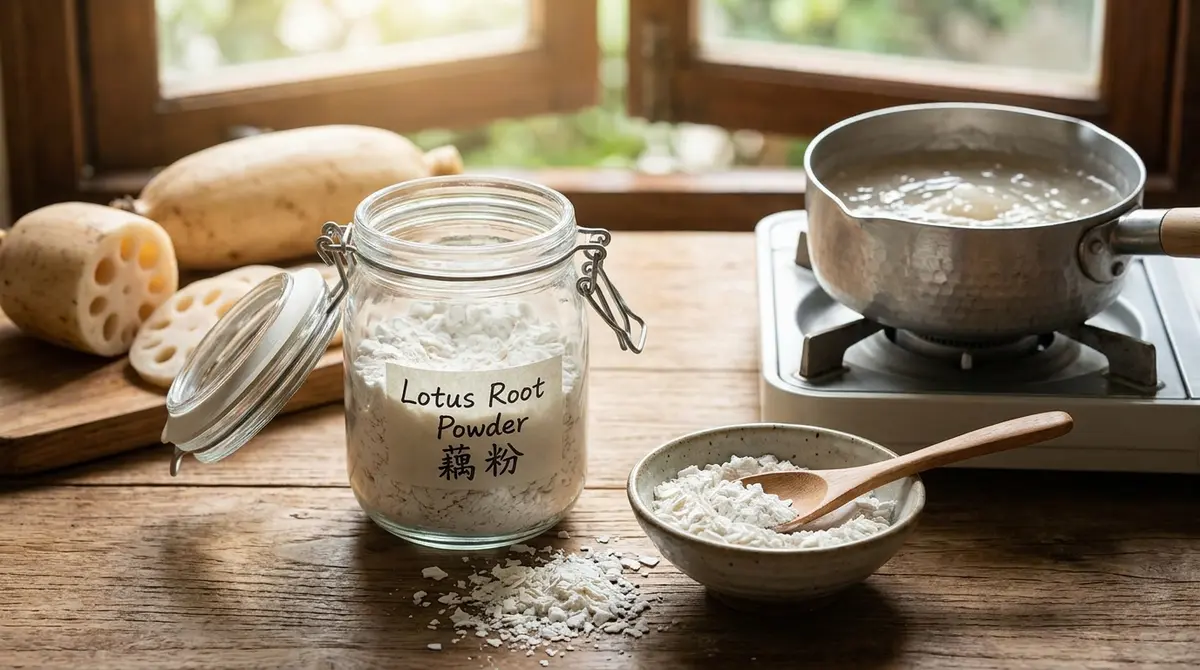
Lotus Root Powder: Flavor Profile, Health Benefits & Culinary Uses
A whisper-sweet root starch from the lotus that gives soups body and batters crunch. Here is what lotus root powder is, how to cook with it, and what to swap it for.
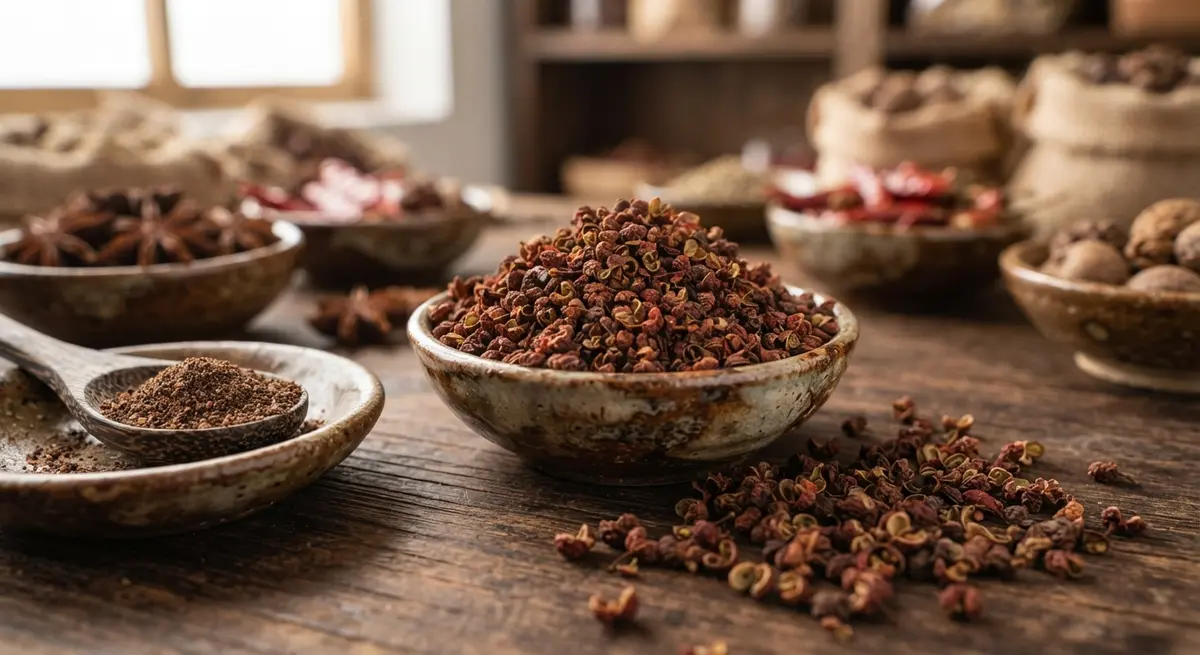
Sichuan Pepper: Flavor Profile, Health Benefits & Culinary Uses
The tingly, vibrating mouthfeel called ma is unique to Sichuan pepper, and it turns out to be easier to work with than most cooks expect once you stop scorching it.
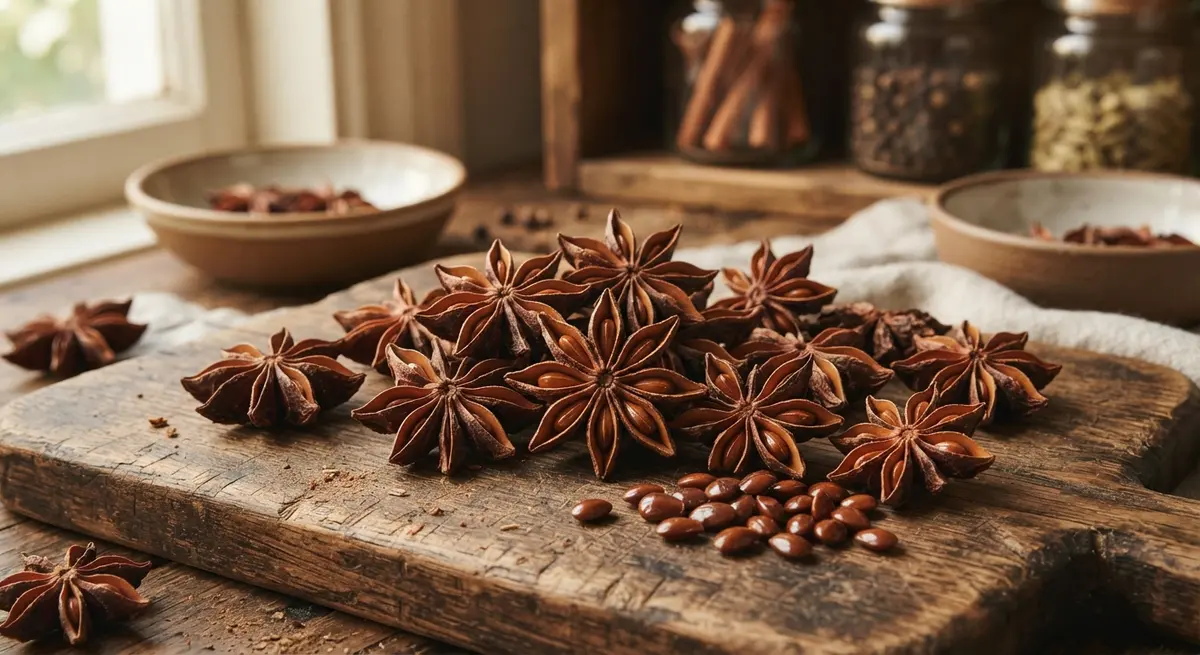
Star Anise: Flavor Profile, Health Benefits & Culinary Uses
The eight-pointed stars in pho broth and Chinese five-spice are star anise, a resinous licorice-spice from a small evergreen tree. Here is how to cook with it.
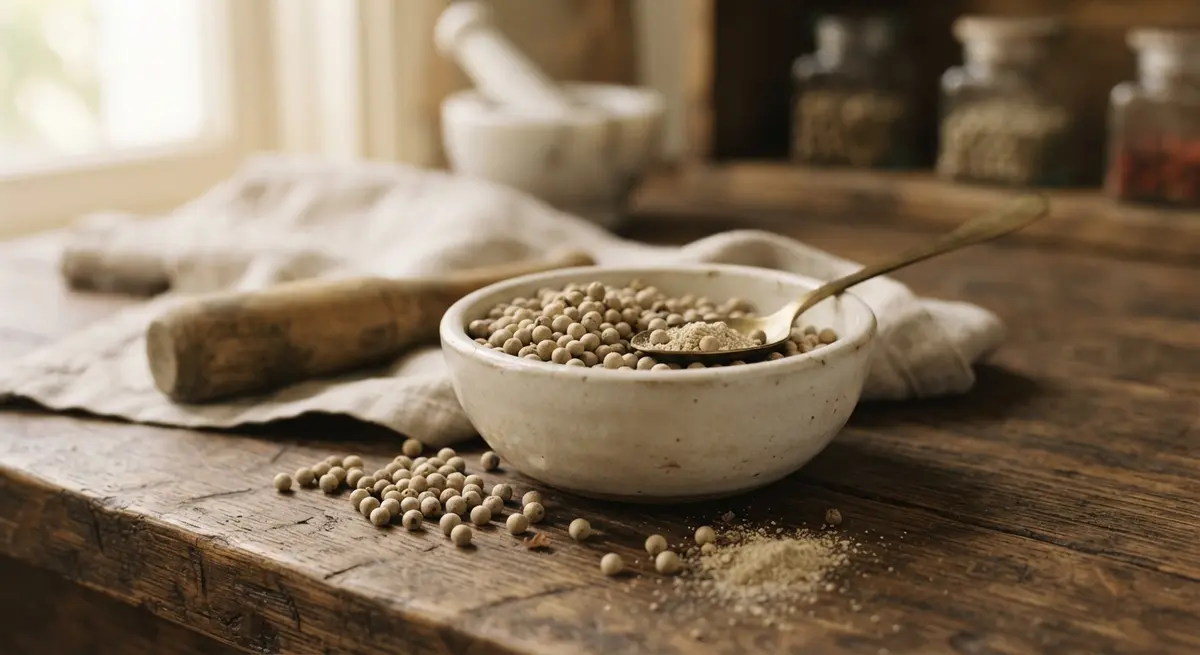
White Pepper: Flavor Profile, Health Benefits & Culinary Uses
The same Piper nigrum vine gives us black and white pepper. White pepper is milder in aroma but sharper in heat, made for light sauces and pale dishes.
About the Authors
This recipe and guide was developed, tested, and approved in our home kitchen and daily life. Jamy is a retired Food Service District Manager and Early Childhood Program Manager who spent his career overseeing multi-site restaurant operations, large-scale culinary production, and daycare menu management. Kaïna brings the ultimate real-world test: making sure it brings ease and joy to our kids on a busy weeknight.
Read more about our professional background and philosophy →