Sichuan Pepper: Flavor Profile, Health Benefits & Culinary Uses
By the QuiteRecipes team (Jamy & Kaïna)
The tingly, vibrating mouthfeel called ma is unique to Sichuan pepper, and it turns out to be easier to work with than most cooks expect once you stop scorching it.
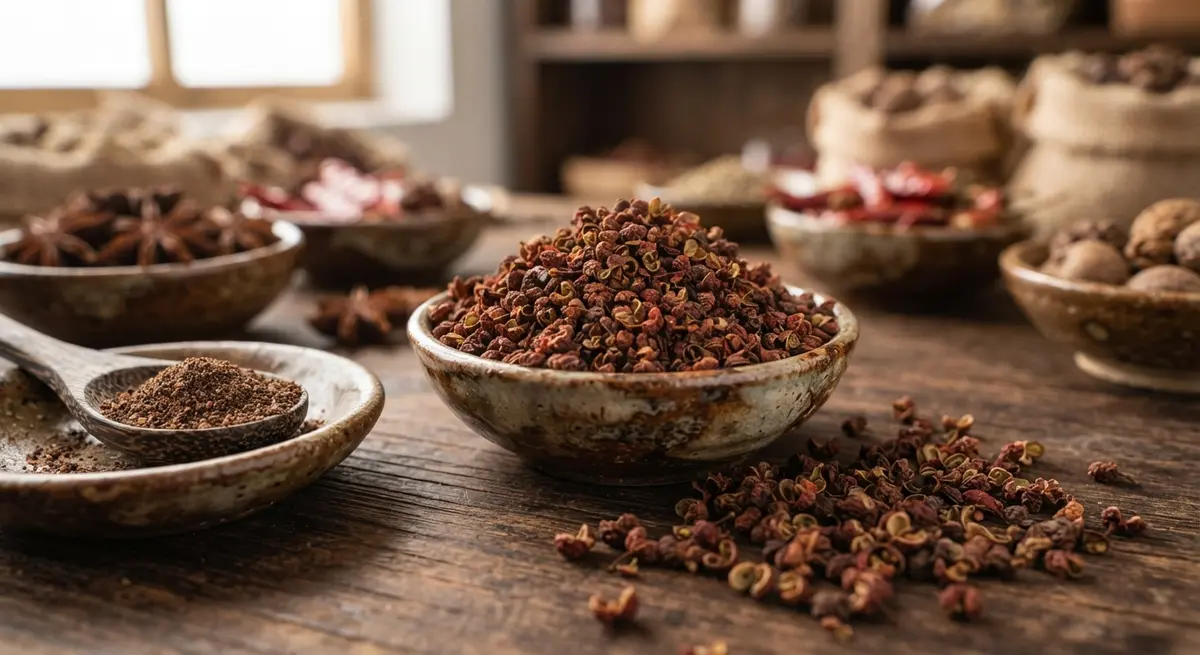
Sichuan pepper is not pepper at all. It is the dried husk of a berry that grows on the prickly ash, a Zanthoxylum tree, and it does something no other spice on your shelf can do: it makes your mouth tingle and then gently, wonderfully, go numb. That buzzing spread is called ma in Chinese, and it is why mapo tofu feels alive instead of merely spicy. Bite into a whole husk and your tongue starts to vibrate, like it is picking up tiny shocks. It sounds like party tricks, but there is real chemistry behind it: the compound hydroxy-alpha-sanshool fires the touch receptors in your mouth over and over.
The practical payoff is that the numbness is a texture as much as a flavor, so you cannot overdo it the way you can with capsaicin heat. It is not hot. It is awake. Once that clicks, Sichuan pepper earns its place far beyond Sichuan.
Flavor Profile & Notes
Bright grapefruit and lemon-peel aroma over a woody, faintly floral base, with the signature numbness arriving a few seconds behind the flavor and lingering after the chili fades. It carries essentially no Scoville heat. To bloom it properly, toast whole husks in a dry pan over medium heat for about a minute just until they smell like citrus, then grind; the second they smell acrid, you have burnt them and they will taste bitter. Buy whole husks whenever possible, and grind them right before using.
Health Benefits & Nutrition
Traditional Chinese herbal medicine uses prickly ash to warm the belly and ease poor appetite, and researchers have studied sanshool mostly as a potential topical anesthetic. What is honest to say from the kitchen is simpler: Sichuan pepper adds an enormous amount of interest for almost no sodium, sugar, or calories, which makes it a genuinely useful tool if you are trying to season boldly without reaching for the salt shaker. Like any spice, it is not medicine. Let it make dinner interesting.
Best Culinary Pairings
Its natural habitat is with chili and garlic: mapo tofu, dry-fried green beans, and twice-cooked pork all depend on it. Bloom a teaspoon of husks in hot oil alongside chili flakes before adding your aromatics, and the whole kitchen smells electric. Grind it into Chinese five-spice, or mix it with toasted salt for the classic dip that comes with salt-and-pepper fried chicken. It also does beautiful things rubbed onto roast duck or scattered over dan dan noodles.
Quick Substitutes
Nothing genuinely replaces the numbing tingle. If you need the citrus side in a pinch, lemon zest plus a few cracked pink peppercorns brings a similar top note. For a five-spice style blend, a pinch of ground coriander with black pepper fills in respectably.
FAQ / Quick Facts
- How long does it keep? Whole husks stay lively for about a year in a sealed jar; ground powder fades within a few weeks.
- What does it taste like? Citrus and white pepper with a signature tingling, vibrating numbness.
- What is "ma"? The Mandarin word for the buzzing, numbing sensation that Sichuan pepper creates.
- Botanical family / Form / Best uses: Zanthoxylum (citrus family) / whole husks or powder / stir-fries, chili oils, rubs, and marinades.
Related Articles
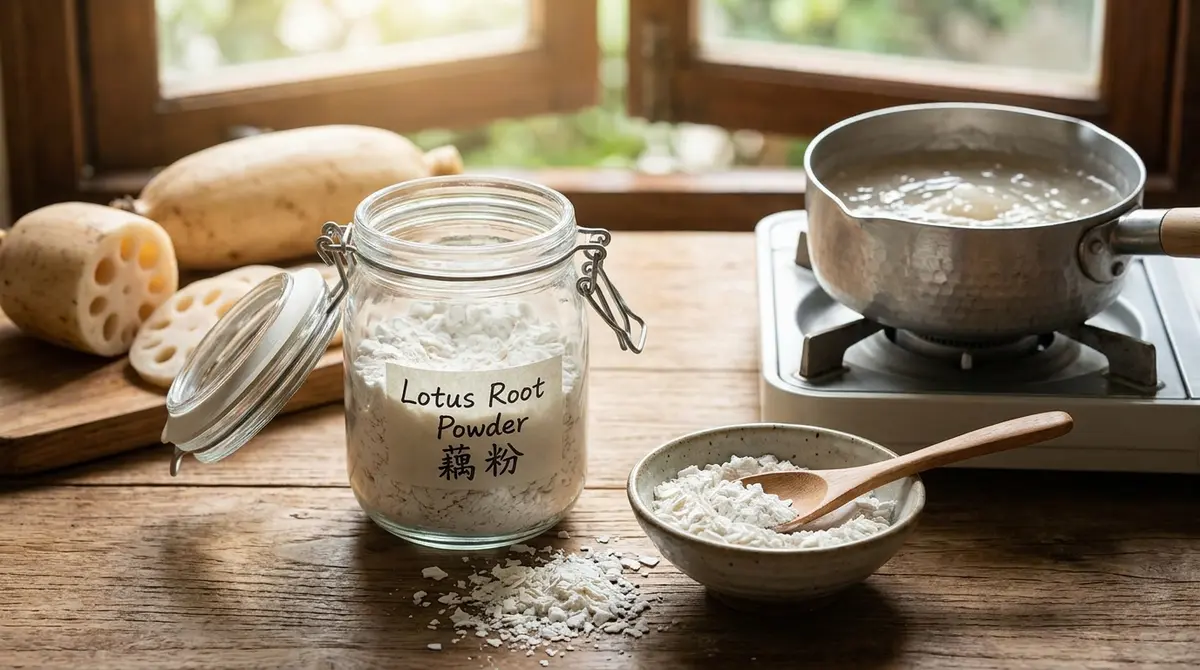
Lotus Root Powder: Flavor Profile, Health Benefits & Culinary Uses
A whisper-sweet root starch from the lotus that gives soups body and batters crunch. Here is what lotus root powder is, how to cook with it, and what to swap it for.
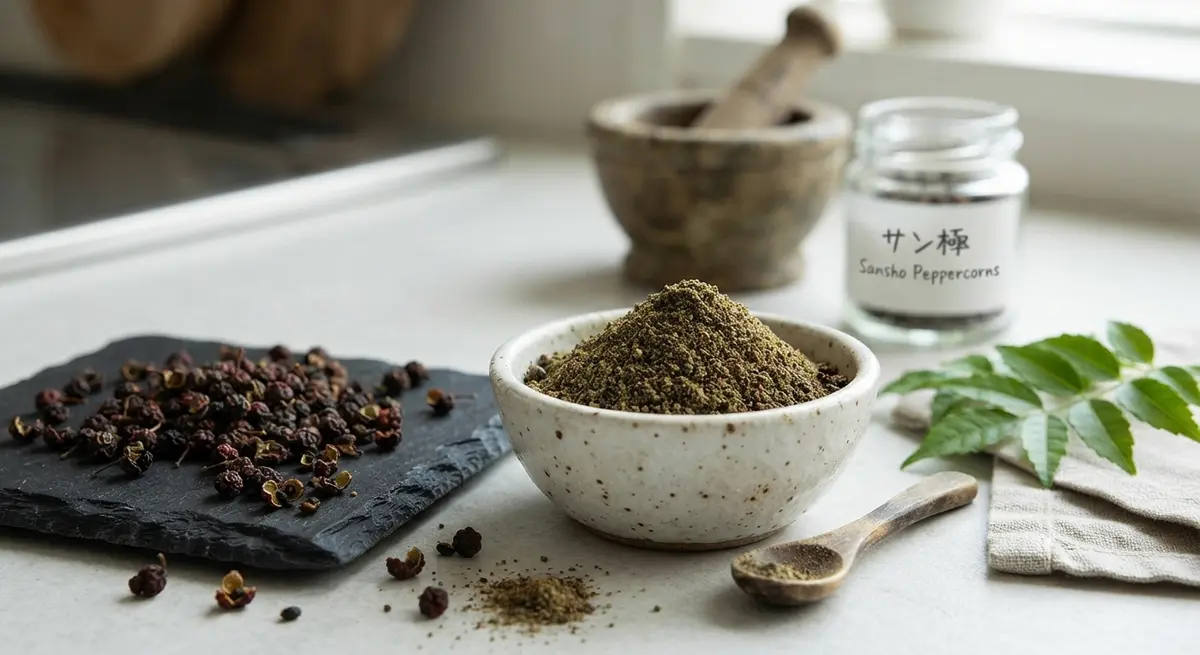
Sansho Pepper: Flavor Profile, Health Benefits & Culinary Uses
Sansho is the green and lemony Zanthoxylum cousin of Sichuan pepper, at home on grilled eel and in shichimi togarashi, and all but ruined by high heat.
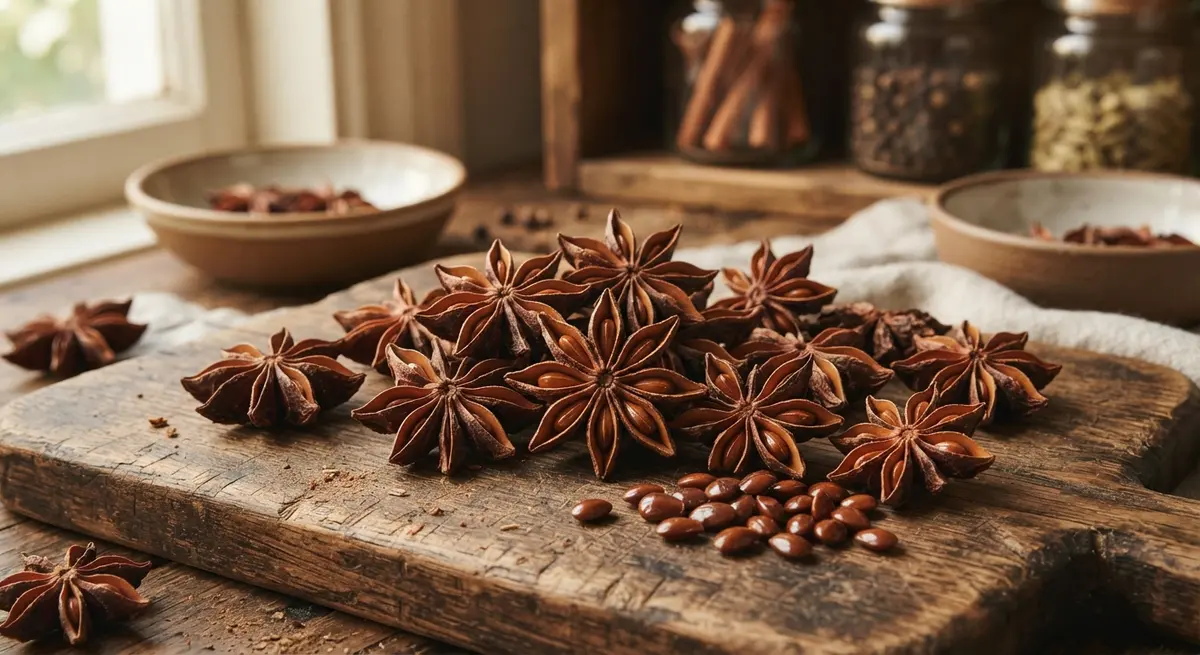
Star Anise: Flavor Profile, Health Benefits & Culinary Uses
The eight-pointed stars in pho broth and Chinese five-spice are star anise, a resinous licorice-spice from a small evergreen tree. Here is how to cook with it.
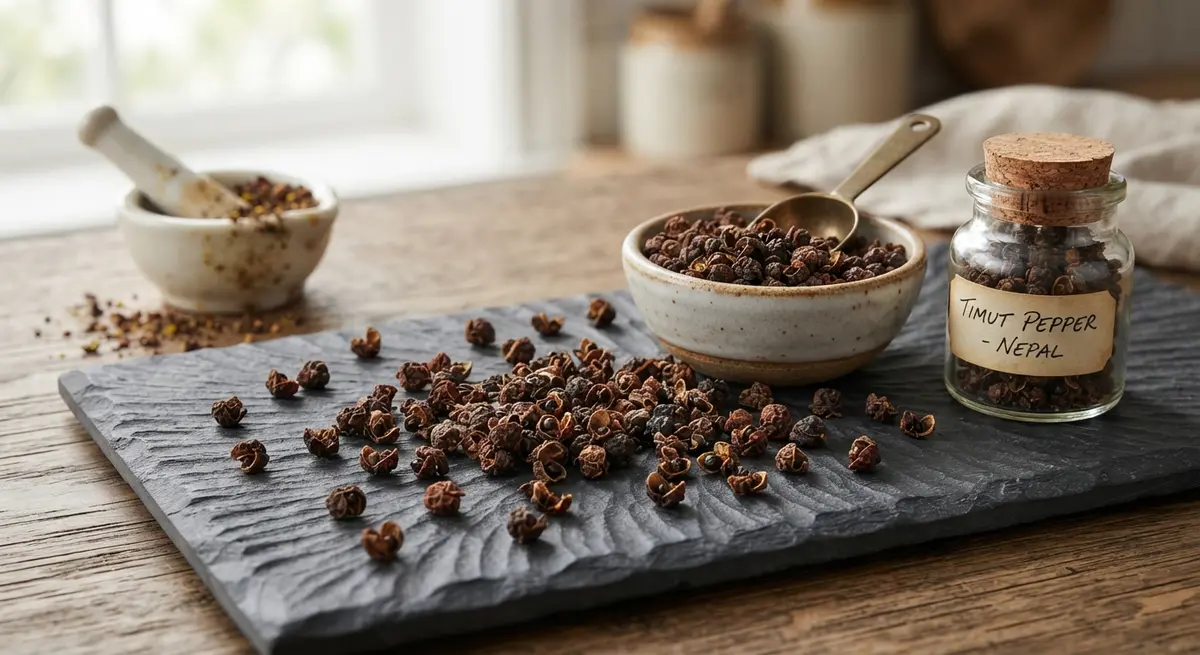
Timut Pepper: Flavor Profile, Health Benefits & Culinary Uses
Where Sichuan pepper buzzes and bites, Timut is the gentle, perfumed cousin that tastes like pink grapefruit rind and suits delicate fish and bright desserts.
About the Authors
This recipe and guide was developed, tested, and approved in our home kitchen and daily life. Jamy is a retired Food Service District Manager and Early Childhood Program Manager who spent his career overseeing multi-site restaurant operations, large-scale culinary production, and daycare menu management. Kaïna brings the ultimate real-world test: making sure it brings ease and joy to our kids on a busy weeknight.
Read more about our professional background and philosophy →