Sansho Pepper: Flavor Profile, Health Benefits & Culinary Uses
By the QuiteRecipes team (Jamy & Kaïna)
Sansho is the green and lemony Zanthoxylum cousin of Sichuan pepper, at home on grilled eel and in shichimi togarashi, and all but ruined by high heat.
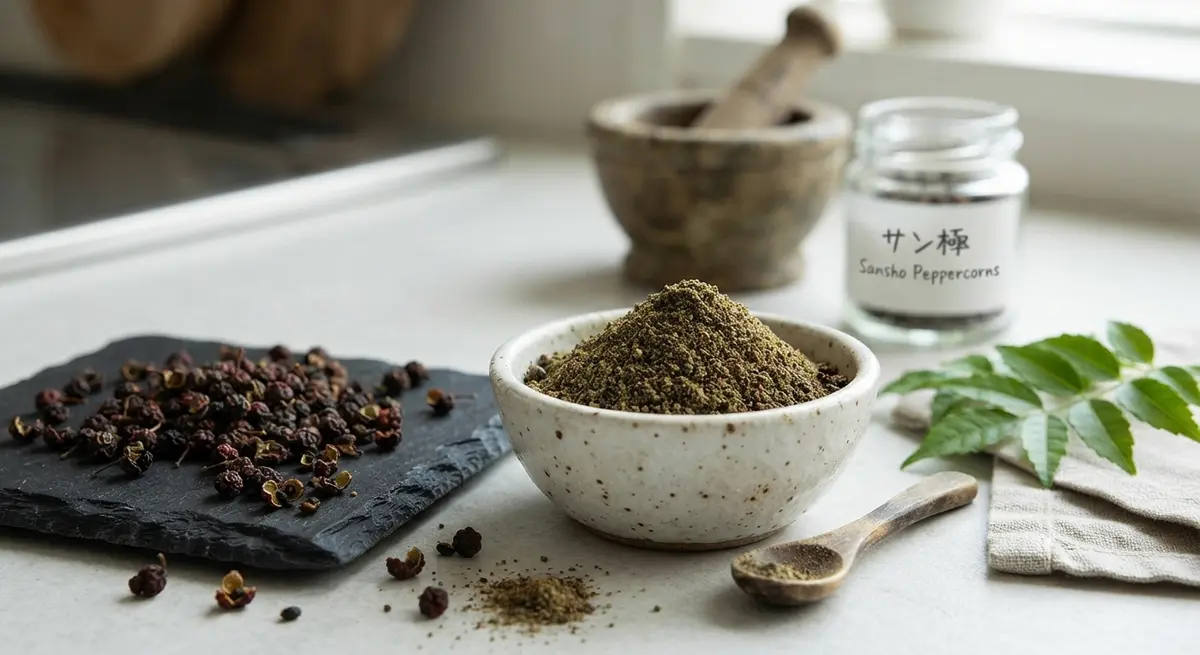
Sansho is the pepper most of the world has been eating without knowing it: that bright, green, faintly electric dust on top of grilled eel (unagi) is sansho, and it is one of the seven spices in shichimi togarashi. Grown in Japan from a Zanthoxylum tree, it is Sichuan pepper's gentler, greener cousin. Where Sichuan bellows grapefruit and packs a lively buzz, sansho leans toward lemon, lime, and young green herbs, with a soft tingle that prickles the back of the throat and fades quickly. The smallest pinch carries real freshness, which is exactly how Japanese grill chefs use it — as a last-second kiss of brightness rather than a base flavor.
The catch is that sansho's volatile top notes are fragile. Toast it, fry it, or add it early in a long braise and you will get little more than bitterness. This is a finishing spice first and a simmering spice never.
Flavor Profile & Notes
Green, lemony, and clean with a muted pine note, often sold both as the darker, older berries and as brighter green powder of young leaves and husks. The tingle is delicate compared to Sichuan pepper, arriving briefly and leaving the palate ready for the next bite — which is why it is sprinkled over rich, fatty foods to reset your mouth between bites. Fine-ground powder of young husks is the most fragrant form, but it fades within months. Add at the very end of cooking, or dust over food after plating.
Health Benefits & Nutrition
In Japanese folk tradition sansho was a mild stomach tonic, and it shares the antioxidant chemistry of its Zanthoxylum relatives. What it brings to real cooking is the ability to cut richness: a dusting over eel, chicken skin, or grilled eggplant makes heavy food feel lighter and keeps you from reaching for salt. Enjoy that benefit in the kitchen, and keep medical claims with the herbalists.
Best Culinary Pairings
Sansho was made for grilled, fatty, and seafood dishes: unagi and kabayaki, yakitori (especially chicken skin and thighs), grilled beef tongue, and salmon collar. It is brilliant on fatty fish like mackerel, in a bowl of soba broth at the end, or stirred with lime into a dipping sauce. Keep a jar by the grill the way another cook keeps lemon zest — that is the highest praise I can give it.
Quick Substitutes
A mix of a little Sichuan pepper and grated lime or lemon zest gets you surprisingly close to the tingle-plus-citrus profile. True sansho green is cheap and lasts, so buy the real powder once you know you like it.
FAQ / Quick Facts
- How long does it keep? Sealed and out of light, green sansho powder holds its edge for about six months; whole berries last longer.
- What does it taste like? Lemon-lime, green herbs, and a clean, brief tingle at the back of the throat.
- Where does it show up? On grilled eel, in shichimi togarashi, and dusted over yakitori and fatty fish.
- Botanical family / Form / Best uses: Zanthoxylum piperitum (citrus family) / green powder, berries, or young leaves / grilled meats, seafood, soups, and finishing.
Related Articles
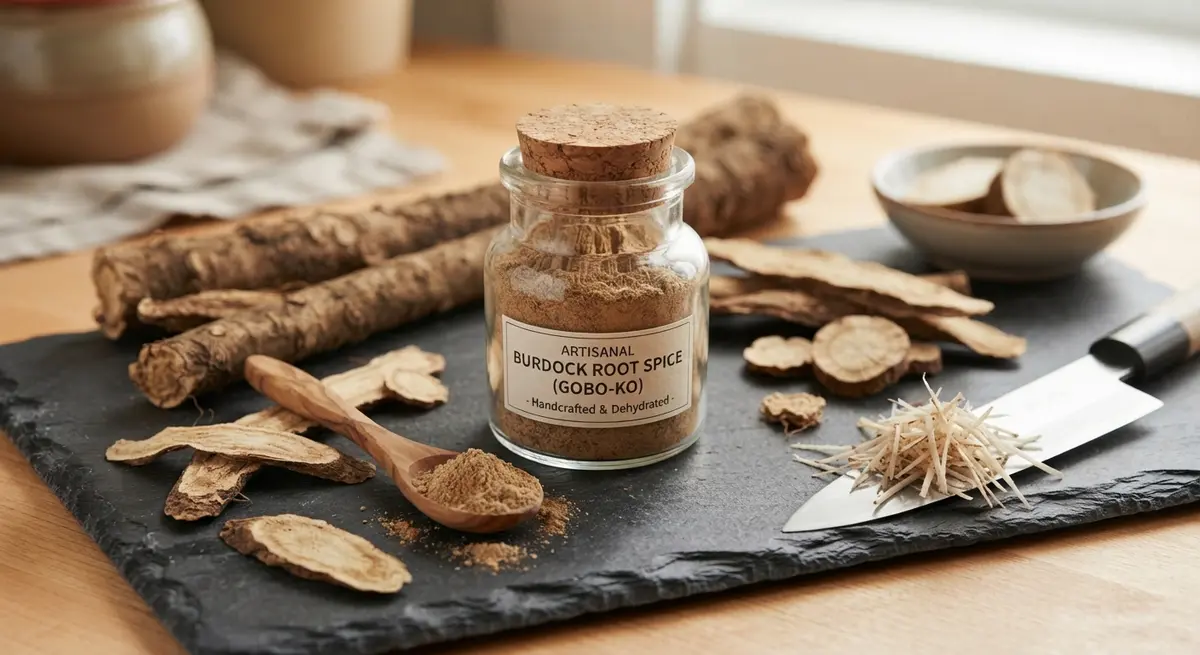
Burdock Root: Flavor Profile, Health Benefits & Culinary Uses
The humble weed that cooks on three continents refuse to give up. How to stir-fry, braise, and pickle burdock, plus prebiotic fiber facts.
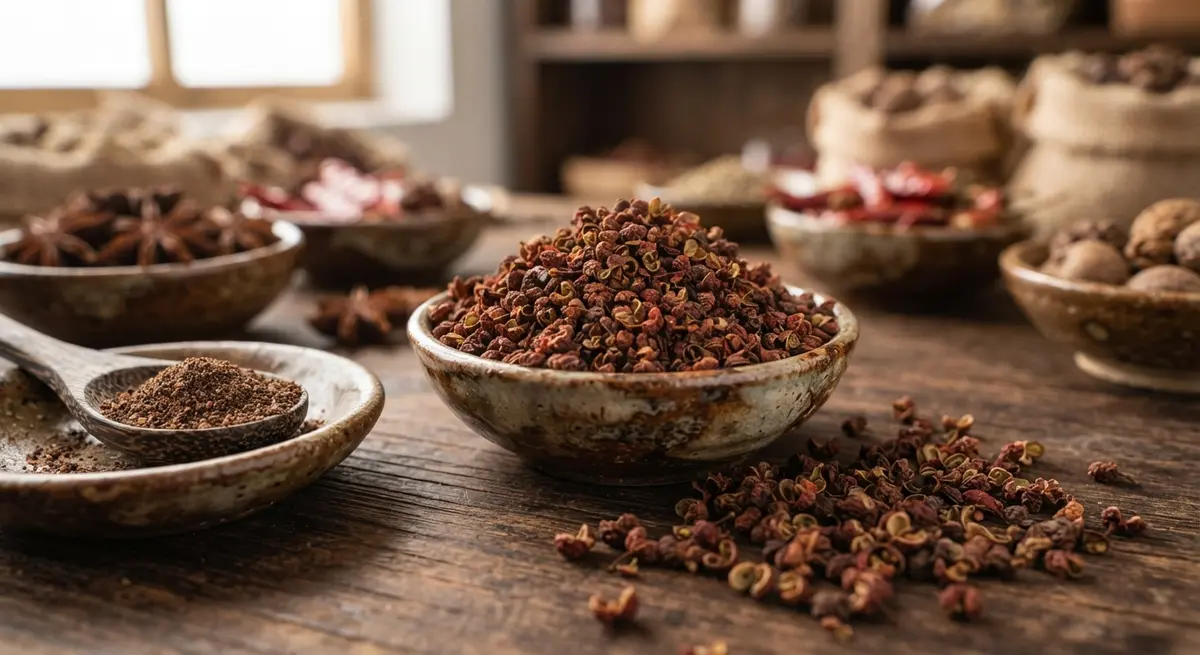
Sichuan Pepper: Flavor Profile, Health Benefits & Culinary Uses
The tingly, vibrating mouthfeel called ma is unique to Sichuan pepper, and it turns out to be easier to work with than most cooks expect once you stop scorching it.
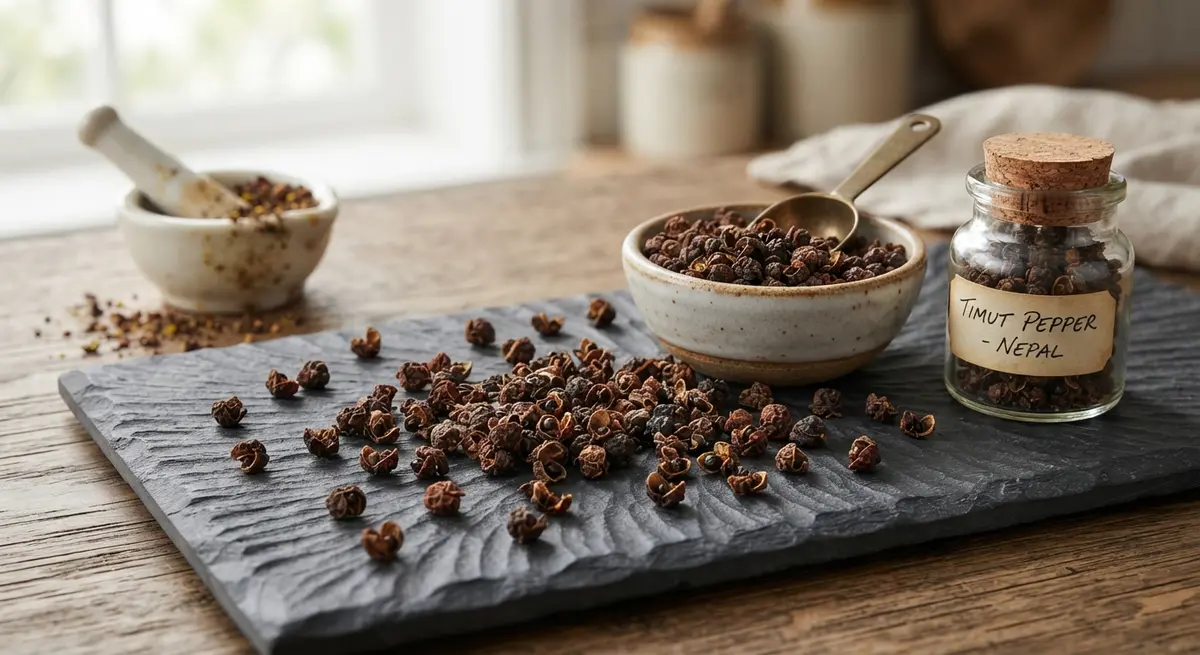
Timut Pepper: Flavor Profile, Health Benefits & Culinary Uses
Where Sichuan pepper buzzes and bites, Timut is the gentle, perfumed cousin that tastes like pink grapefruit rind and suits delicate fish and bright desserts.
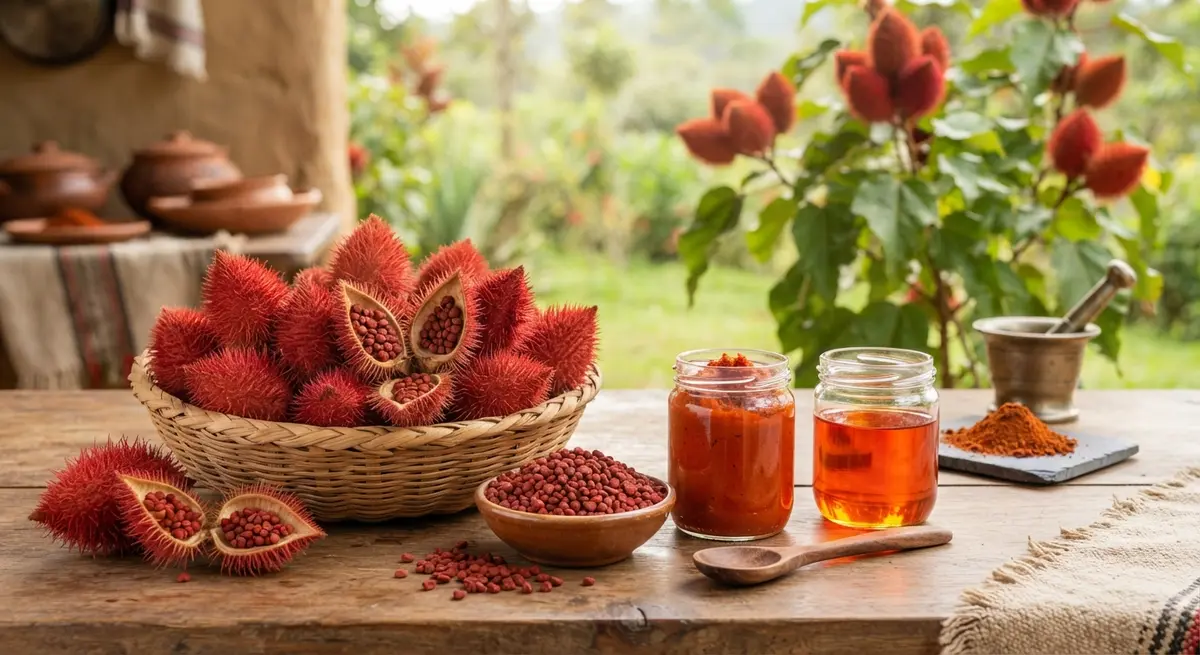
Achiote (Annatto): Flavor Profile, Health Benefits & Culinary Uses
Tiny coral-red seeds that paint food golden: the annatto tree's achiote, how to use the seeds and the Yucatan paste, and honest color substitutes.
About the Authors
This recipe and guide was developed, tested, and approved in our home kitchen and daily life. Jamy is a retired Food Service District Manager and Early Childhood Program Manager who spent his career overseeing multi-site restaurant operations, large-scale culinary production, and daycare menu management. Kaïna brings the ultimate real-world test: making sure it brings ease and joy to our kids on a busy weeknight.
Read more about our professional background and philosophy →